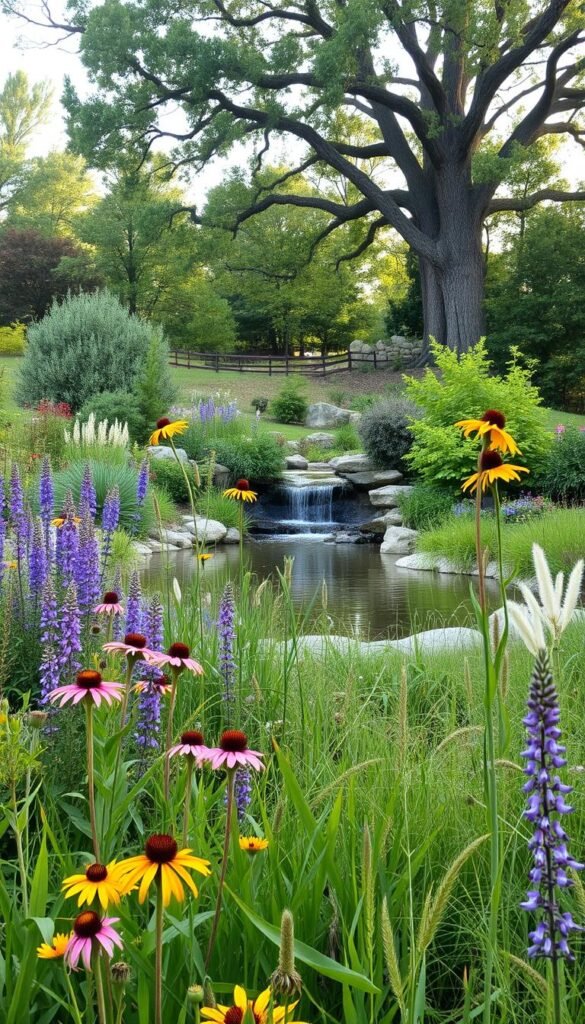
Your backyard holds untapped potential to become a thriving sanctuary for local species. As urban sprawl reshapes landscapes, even small green spaces can serve as critical refuges for pollinators, birds, and other creatures. By focusing on region-specific vegetation and thoughtful layout, you’ll create more than just pretty flower beds—you’ll build living corridors that sustain entire ecosystems.
Transforming your yard into a wildlife haven starts with simple choices. Swap high-maintenance grass for soft clover or creeping thyme, which thrives with minimal water while feeding bees. Group drought-resistant species like purple coneflowers or agave together to simplify care and create visual impact. These changes not only conserve resources but also provide year-round shelter for beneficial insects.
Want to elevate your garden’s aesthetic while supporting biodiversity? Incorporate elements like shallow birdbaths or rock piles that double as habitats. You’ll witness nature’s daily dramas unfold—from hummingbirds sipping nectar to butterflies laying eggs on milkweed leaves.
Every plant selection matters. Black-eyed Susans in the Northeast or switchgrass in the Midwest aren’t just pretty—they’re survival tools for local fauna. Your space becomes part of a larger network, helping species navigate our changing world. Best of all? You’ll enjoy a dynamic, ever-changing landscape that feels truly alive.
Overview of Natural Garden Design

Your outdoor space can transform into a vibrant partnership with nature. Unlike conventional yards, these living landscapes prioritize ecological balance over rigid design. They become dynamic systems where every element serves multiple purposes.
Working With Nature, Not Against It
Traditional landscapes often fight local conditions. Think thirsty lawns needing weekly mowing. Natural spaces use drought-tolerant species adapted to your region. This approach saves water and time while creating habitats.
Rewards Beyond Beauty
Wildlife-friendly areas buzz with life year-round. Caterpillars munch on milkweed while chickadees nest in berry bushes. You’ll notice fewer pests as native plants attract predator insects that keep aphids in check.
These spaces also tackle bigger challenges. Their deep roots prevent soil erosion during storms. By following sustainable landscaping principles, you create cooling shade islands in urban heat zones. Even small gardens contribute to cleaner air and groundwater recharge.
Maintenance becomes simpler over time. Once established, your self-renewing ecosystem needs minimal intervention. Fallen leaves become natural mulch, and seasonal blooms ensure constant food sources for pollinators. Your yard becomes a living lesson in ecological resilience.
Understanding the Importance of Wildlife-Friendly Gardens

Urban landscapes often seem hostile to nature, but your garden can rewrite that story. By cultivating wildlife-friendly spaces, you bridge gaps between fragmented habitats, offering safe passage for creatures navigating developed areas. This approach turns isolated green patches into life-sustaining networks.
Creating an Ecological Stepping Stone
Your garden becomes a pit stop for migrating butterflies and birds when native flowers bloom. These spaces provide crucial rest areas during long journeys—goldfinches fuel up on sunflower seeds, while monarchs recharge with milkweed nectar. Over time, neighboring yards following similar practices create invisible highways for local wildlife.
Supporting Biodiversity in an Urban Landscape
Even compact gardens boost genetic diversity by hosting varied animals. A single pollinator-friendly plot can sustain dozens of insect species, which in turn feed birds and bats. As you explore native plant gardening, you’ll notice how your choices ripple through the ecosystem—ladybugs control aphids, while frogs keep mosquito populations balanced.
Together, these urban oases form a resilient mosaic. They help species adapt to heat islands and shrinking natural areas. Your contribution matters more than you might think—one study found city gardens support 30% more bee species than farmland. That’s the power of reimagining concrete jungles as thriving habitats.
Assessing Your Garden Space for Wildlife Potential
Unlocking your garden’s ecological potential begins with careful observation. Before adding new elements, spend a week tracking nature’s hidden patterns. You’ll discover existing shelters and food sources that form the foundation of your habitat.
Identifying Existing Habitats and Natural Features
Look for these clues of active wildlife corridors:
| Wildlife Sign | What It Reveals | Action Steps |
|---|---|---|
| Bird nests in shrubs | Sheltered breeding spots | Preserve existing vegetation |
| Beetle tunnels in soil | Healthy decomposition | Leave leaf litter undisturbed |
| Worn paths near fences | Small mammal highways | Enhance with native groundcover |
Morning dew on spiderwebs or chewed milkweed leaves signal thriving insect populations. Protect these areas—they’re already working hard for your ecosystem.
Evaluating Sunlight, Soil, and Water Conditions
Map your space’s sun exposure with this simple method:
- Place stones in sunny, partly shaded, and dark areas
- Record shadow movements at 9 AM, noon, and 3 PM
- Label zones with chalk for future planting
Soil testing kits reveal pH levels and texture. Sandy ground drains quickly, while clay holds moisture—crucial info for choosing drought-resistant plants or rain gardens. “Understanding your soil’s story makes plant selection effortless,” advises Portland landscaper Mia Chen. “Work with what you have rather than fighting it.”
Track water flow after storms. Puddles lasting 24+ hours indicate ideal spots for water-loving species like elderberry. Dry zones suit lavender or sage. This assessment ensures every plant thrives in its perfect niche.
Designing a Natural Garden: Combining Native Plants and Wildlife Habitats
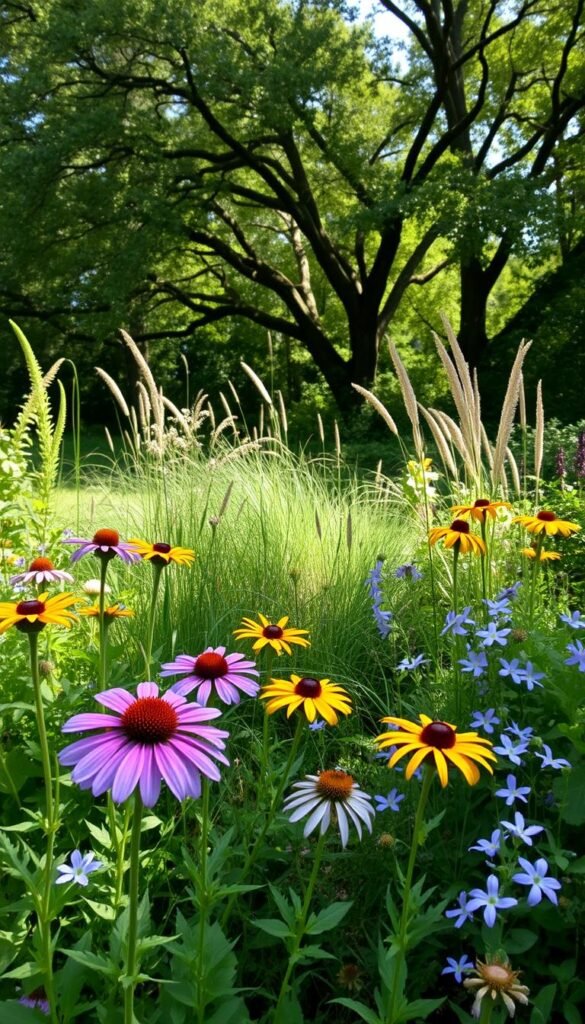
Your landscape becomes a living tapestry when arranged like nature’s own blueprint. Forest-inspired designs use vertical layers to maximize space and resources, creating self-sustaining habitats. This approach turns ordinary yards into thriving micro-ecosystems where every level supports different creatures.
Building Nature’s Staircase
Start with this framework for multi-level planting:
| Layer | Examples | Wildlife Supported |
|---|---|---|
| Canopy (40+ ft) | Oak, hickory | Owls, squirrels |
| Understory (15-30 ft) | Serviceberry, dogwood | Songbirds, caterpillars |
| Shrub Layer (6-12 ft) | Elderberry, viburnum | Butterflies, rabbits |
| Groundcover | Wild strawberry, sedges | Beetles, earthworms |
Each tier provides unique shelter and food sources. Tall trees offer nesting sites, while low-growing species protect soil organisms. “This vertical diversity creates year-round interest and ecological function,” notes landscape designer Elena Torres.
Flower Power for Six-Legged Friends
Attract helpful bugs with smart bloom choices:
- Early spring: Columbine for emerging bees
- Summer: Mountain mint for predatory wasps
- Fall: Goldenrod for migrating monarchs
Cluster same-species groups to help pollinators find meals efficiently. Leave seed heads standing through winter—they become natural bird feeders. You’ll soon spot lacewings patrolling your roses and chickadees snacking on aphids.
Remember: overlapping bloom times ensure constant food supplies. Pair early-flowering redbuds with late-blooming asters. Your garden becomes a 24/7 diner for winged visitors while keeping pest populations balanced naturally.
Selecting Native Plants for a Thriving Ecosystem
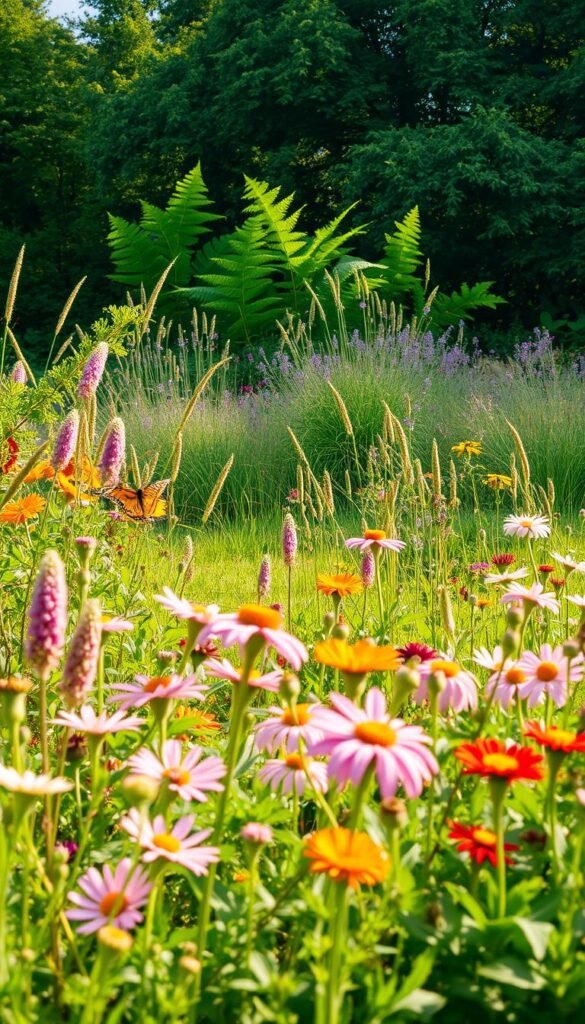
Transform your outdoor space into a year-round buffet for local creatures. The right mix of regional species creates a self-sustaining habitat where every plant serves multiple purposes. Focus on bloom timing and wildlife benefits to maximize your garden’s impact.
Flowering Plants that Attract Pollinators
Plan your flower beds like a seasonal menu. Staggered blooming periods ensure pollinators never go hungry. Try this winning combination:
| Plant | Bloom Period | Wildlife Supported |
|---|---|---|
| Purple Coneflower | Summer | Butterflies, bees |
| Bee Balm | Mid-Summer | Hummingbirds, moths |
| Milkweed | Spring-Fall | Monarch caterpillars |
Flower shapes matter as much as colors. Tubular blooms like cardinal flowers become hummingbird fuel stations. Flat-topped yarrow clusters offer perfect landing pads for butterflies. For creating a pollinator haven, include different flower depths to accommodate various tongue lengths.
Trees and Shrubs that Feed Birds and Small Mammals
Choose woody plants that work overtime. A single oak tree supports over 500 caterpillar species—essential baby bird food. Consider these multitaskers:
| Plant | Features | Wildlife Benefits |
|---|---|---|
| Serviceberry | Spring blooms, summer berries | 36 bird species |
| Dogwood | Fall fruits, nesting sites | Squirrels, thrushes |
| Elderberry | Late summer berries | Migrating songbirds |
Berry-producing shrubs become lifesavers in cold months. Winterberry holly keeps its crimson fruits through snowstorms, feeding cardinals when other food sources vanish. Pair early-flowering redbuds with late-fruiting viburnum for continuous support.
Incorporating Water Features to Attract Wildlife

A simple water source can transform your yard into a wildlife magnet. Strategically placed water features become bustling hubs where creatures drink, bathe, and raise their young. Let’s explore how to create these vital oases.
Life-Giving Liquid Landscapes
Position bird baths 3-4 feet high near protective shrubs. This height keeps birds safe while they splash. Choose rough-surfaced basins—slippery ceramic bowls might scare visitors. “Change the water every three days to prevent mosquitoes,” advises Audubon Society guidelines.
Ground-level dishes attract different guests. A shallow clay saucer under your berry bush becomes a chipmunk watering hole. For amphibians, build ponds with gradual slopes using these steps:
- Dig 18-inch depths with staggered shelves
- Line with pond underlayment and EPDM rubber
- Add native water plants like pickerelweed
Partially submerged stones create sunbathing spots for turtles. Logs along the edge shelter frogs during hot afternoons. These elements turn your water feature into a multi-species resort.
Remember seasonal changes. Heated bird baths sustain animals through frosty mornings. Summer ponds need shaded areas to prevent algae overgrowth. With thoughtful design, your aquatic haven supports wildlife through all weather while giving you front-row seats to nature’s theater.
Building Natural Shelters for Wildlife Habitats
Your garden’s quiet corners can become vital safe spaces for local creatures. Strategic shelter placement helps species thrive while adding rustic charm to your outdoor area. These features work best when mimicking nature’s own protective structures.
Brush Piles and Log Stacks
Start with fallen branches and garden trimmings. Build a layered shelter by placing larger logs at the base and stacking smaller materials upward. This creates:
- Ground-level hideouts for frogs and beetles
- Mid-level pathways for chipmunks
- Leafy tops for butterfly chrysalises
Position these piles near feeding areas but away from high-traffic zones. A well-placed shelter near berry bushes becomes a quick escape route for birds during hawk visits.
Homes for Winged Visitors
Different birds need specific house designs. Use this quick guide:
| Species | Entrance Size | Mounting Height |
|---|---|---|
| Wrens | 1.25″ | 5-10 ft |
| Chickadees | 1.125″ | 6-15 ft |
Face entry holes eastward for morning warmth. Add wood shavings to attract cavity nesters. For more ideas on blending function with charm, explore cottagecore garden styles.
Insect hotels offer winter protection for helpful bugs. Pack bamboo tubes for mason bees and pinecones for ladybugs. Place these structures in sunny spots sheltered from rain. Soon you’ll see lacewings patrolling your roses and solitary bees moving into their new homes.
Combine these shelters with forest garden principles to create connected habitats. Your yard becomes a network of safe spaces where creatures can nest, hide, and weather storms.
Integrating Sustainable Garden Practices
Your green space becomes a force for positive change when stewardship guides every choice. Small shifts in daily habits create ripple effects that benefit both local ecosystems and your gardening experience. Let’s explore how mindful maintenance can amplify your habitat’s health.
Eliminating Chemical Pesticides and Embracing Organic Solutions
Traditional pest control often backfires—synthetic sprays harm beneficial insects like lacewings while creating resistant super-pests. Instead, try nature’s own security team. Ladybugs devour 50+ aphids daily, and parasitic wasps naturally control caterpillars. For stubborn infestations, organic solutions like neem oil disrupt pests without collateral damage.
Boost your garden’s resilience by integrating native groundcovers that suppress weeds. Clover lawns outcompete invasive species while fixing nitrogen in soil. Leaf mulch becomes free fertilizer as it decomposes, feeding earthworms that aerate your beds.
Remember: healthy soil grows strong plants. Encourage microbial diversity by avoiding broad-spectrum fungicides. A teaspoon of healthy dirt contains more organisms than people on Earth—these tiny allies help plants absorb nutrients and resist diseases naturally.