
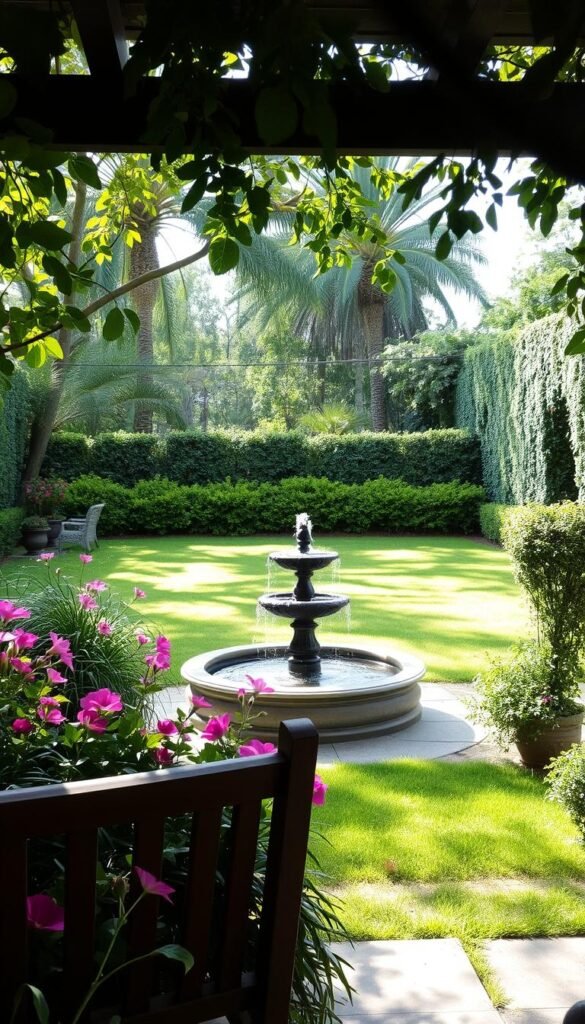
Imagine turning your outdoor space into a personal sanctuary where nature meets comfort. Picture lush plants framing cozy seating nooks, creating a retreat that feels both functional and artistic. This vision isn’t just for sprawling estates—even compact urban lots can become thriving escapes with thoughtful planning.
Take inspiration from a professional artist who transformed a cramped, L-shaped yard under an ancient cherry tree into a living masterpiece. Over two decades, they turned root-filled soil and invasive plants into a foliage-rich haven. Their journey proves that challenging spaces can evolve into stunning retreats through creativity and smart design.
You’ll learn how to blend practical seating with vibrant greenery, creating zones for relaxation and connection. Whether you’re working with shade-heavy corners or limited square footage, solutions like vertical gardens and weather-resistant furniture maximize impact. Discover how elevating your space with a gardening can merge beauty with everyday usability.
Your transformed area will serve as a refuge from daily stress while reflecting your unique style. By balancing hardscape elements like pathways with softscape features such as flowering perennials, you’ll craft a cohesive environment that changes gracefully through seasons. Let’s explore how to turn your yard into a dynamic extension of your home—one that invites both solitude and celebration.
Understanding Your Backyard Space
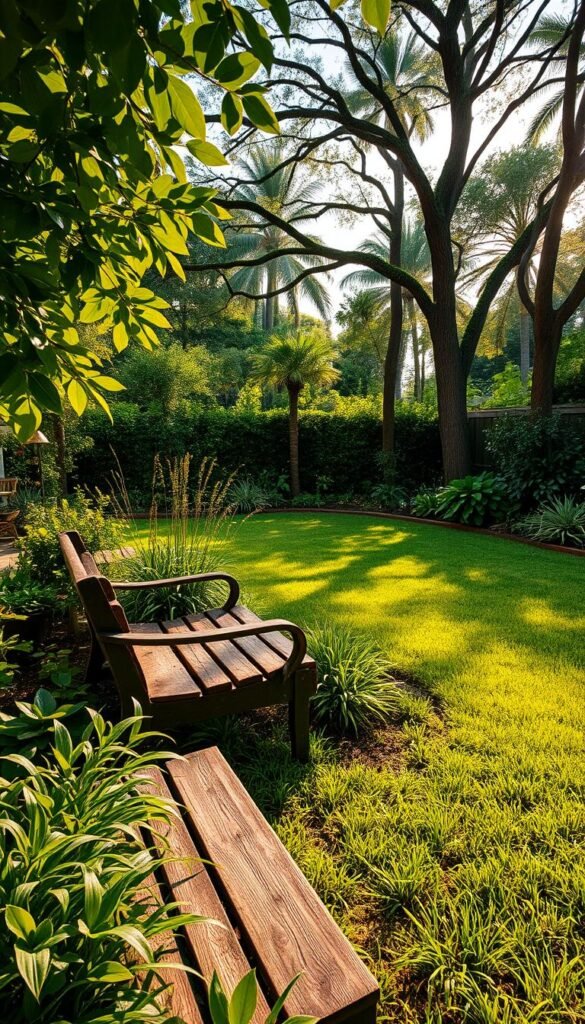
Your yard holds hidden potential waiting to be unlocked through thoughtful evaluation. Start by sketching a rough map of your lot, noting permanent fixtures like trees, slopes, or utility boxes. This bird’s-eye view helps you spot opportunities—like that awkward corner perfect for a reading bench or an uneven patch ideal for terraced planters.
Assessing Your Layout and Existing Elements
Sunlight patterns dictate where plants thrive and seating feels inviting. Track shadows across your space every two hours—you might discover a sunny breakfast spot or a shaded afternoon retreat. One gardener transformed a cramped L-shaped yard by building around a century-old cherry tree’s root system, proving even tricky layouts can shine.
| Feature | Challenge | Solution |
|---|---|---|
| Mature Trees | Root competition | Raised planters |
| Shaded Areas | Limited plant options | Hostas + ferns |
| Sloped Terrain | Erosion risk | Retaining walls |
Identifying Areas for Seclusion and Privacy
Strategic greenery creates intimate zones without feeling closed off. Tall grasses or lattice screens block neighbor sightlines while letting breezes through. For maximum coziness, pair evergreen shrubs with a curved bench—the combo says “stay awhile” without shouting for attention.
Drainage and soil quality matter more than you think. Test your ground’s pH near seating spots—acidic soil could limit flower choices. Remember: Your space should work for weekend barbecues and Tuesday night stargazing.
Planning Your Vision for a Serene Retreat
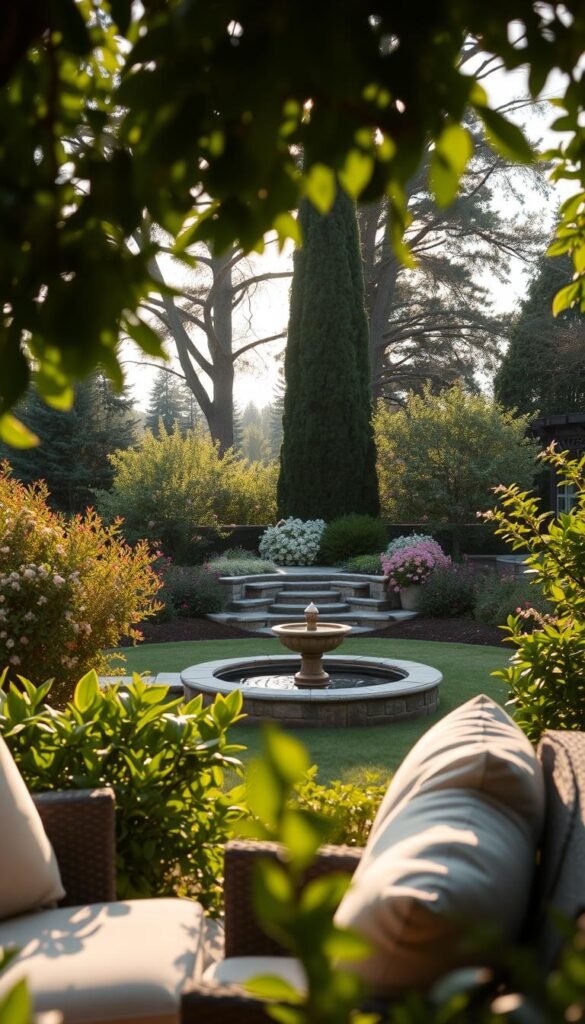
Your outdoor escape begins with a clear vision that matches how you’ll live in it. Will you host lively cookouts or unwind with a book under whispering leaves? Start by gathering ideas that spark joy—maybe sunset-hued flowers or smooth stone pathways.
Creating a Mood Board and Design Blueprint
Collect textures and colors that speak to you—rough jute rugs, glossy ceramic pots, or silvery lavender stems. Arrange these elements digitally or on poster board to see how they interact. One homeowner mixed tropical palm prints with minimalist concrete planters for a bold yet calming effect.
Sketch rough layouts showing seating clusters near fragrant herbs or shaded pergolas. Use tracing paper overlays to test different configurations. This helps spot conflicts early, like a fire pit too close to low-hanging branches.
Balancing Aesthetic Appeal with Functionality
Choose materials that age gracefully while surviving local weather. For example, powder-coated metal chairs resist rust but still complement wildflower beds. Prioritize native plants needing less water—they’ll thrive while giving you more time to relax.
Think beyond summer blooms. Evergreen shrubs maintain structure in winter, while deciduous trees offer cooling shade in August. Leave room for future additions, like expanding a vegetable patch or adding a hammock stand.
Your blueprint should feel inviting in all seasons. Add removable cushions for chilly evenings or string lights that cast cozy patterns on snow. With smart planning, your retreat becomes a flexible extension of home life.
Incorporating Essential Greenery and Landscaping Elements

Great landscapes begin with smart plant choices that shape your space through every season. Start by mixing evergreens like boxwood or holly with seasonal stars like hydrangeas. These combinations ensure your yard never looks bare, even when blooms fade.
Selecting Plants for Year-Round Texture and Color
Focus on leaf shapes and hues before flowers. Coral bells offer purple foliage, while ornamental grasses add movement. Pair spiky yucca plants with soft lamb’s ear for contrast that lasts from spring through frost.
Struggling with tough spots? Try container gardening when tree roots or poor soil quality limit planting options. Herbs like rosemary thrive in pots near seating areas, doubling as aromatic decor. For dry shade, hostas and astilbes push through where grass won’t grow.
Tall shrubs solve multiple challenges. A row of limbed-up lilacs creates dappled shade over benches while blocking neighbor views. Underplant them with creeping thyme—its tiny flowers attract pollinators without demanding constant care.
Remember: Your greenery should engage all senses. Plant chocolate-scented cosmos near pathways or rustling bamboo where breezes dance. These touches turn ordinary corners into immersive experiences, proving smart container gardening choices make even tricky spaces flourish.
Designing a Backyard Garden Oasis: Combining Seating Areas with Greenery
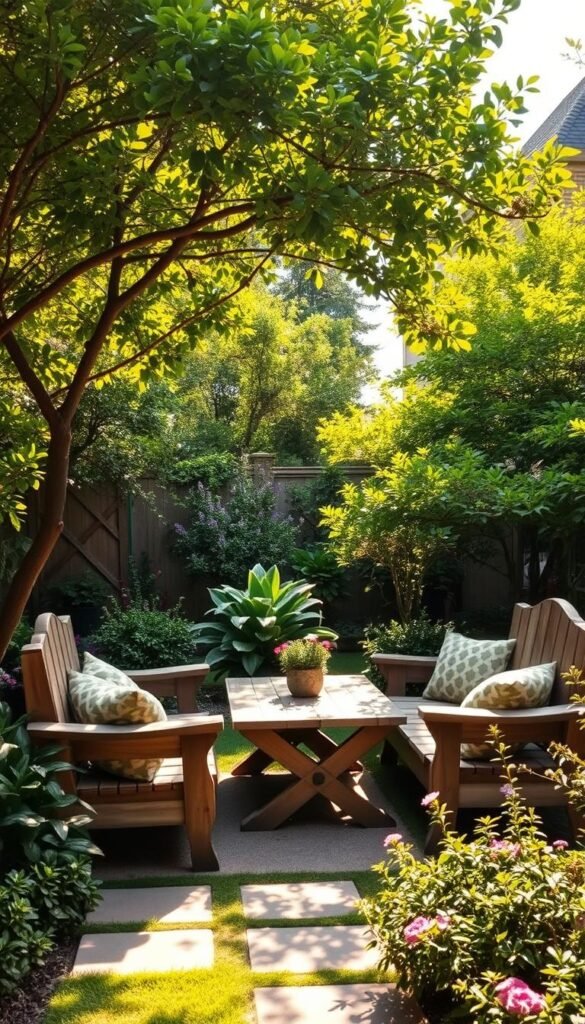
Your outdoor retreat thrives when relaxation spots and nature work together. Start by choosing pieces that balance comfort with weather resistance—think teak benches or aluminum chairs with quick-dry cushions. These materials handle sun and rain while blending seamlessly with leafy surroundings.
Smart Furniture Choices for Lasting Comfort
Opt for modular sectionals that adapt to gatherings big and small. Add ottomans that moonlight as side tables or extra seats. For dining zones, weather-resistant tables paired with woven chairs create casual elegance. Remember: durable doesn’t mean dull—vibrant throw pillows bring personality without sacrificing practicality.
Plant Strategies for Natural Framing
Use tall grasses or compact shrubs to outline seating zones without blocking breezes. A cypress hedge behind a loveseat adds privacy, while potted ferns soften concrete corners. Cluster flowering plants like hydrangeas near benches—their blooms become living art you can enjoy up close.
Position lounge chairs under maple trees to leverage natural shade during afternoon reads. For evening ambiance, surround fire pits with low-growing thyme—its scent enhances the atmosphere. Discover more creative ways to decorate using plants that serve both beauty and function.
Mix textures for visual depth: feathery grasses behind chunky wood stools, or glossy magnolia leaves contrasting with rough stone walls. This layering makes every seating area feel like a destination, whether you’re hosting friends or savoring morning coffee alone.
Highlighting Water Features and Ambient Lighting
Transform your evenings with water’s gentle whispers and light’s soft embrace. These elements elevate your space into a multisensory oasis, blending calm with visual warmth. Whether adding movement or soft illumination, thoughtful choices here make your retreat inviting any time of day.
Choosing Fountains, Waterfalls, or Ponds for Calm
A small bubbling fountain masks street noise while attracting birds to drink. For sloping yards, tiered waterfalls use gravity to create soothing rhythms. Pair water features with a fire pit—the contrast of crackling flames and flowing water deepens relaxation.
Utilizing String Lights and Up Lighting for a Warm Glow
Drape fairy lights through trees to cast starry patterns on pathways. Use submersible LEDs in ponds to highlight ripples. Solar-powered stakes along stairs add safety without harsh glare, letting nature’s evening beauty shine.
Your oasis becomes a haven where water and light work in harmony. Take time to enjoy these touches—they turn ordinary nights into moments of quiet magic.