
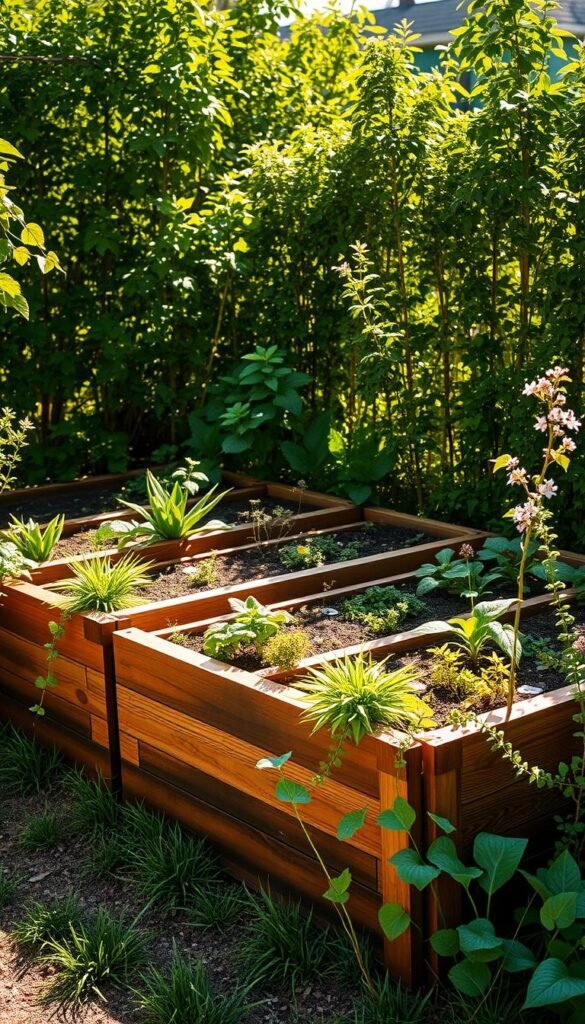
Imagine turning your backyard into a vibrant, productive oasis that looks as good as it grows. Elevated planters offer more than just a place for veggies—they create eye-catching features that boost your home’s charm. Whether you’re growing herbs or flowers, the right setup can make your yard both useful and stunning.
Why are so many homeowners choosing these structures? They solve common problems like poor soil and back strain while adding visual interest. You’ll love how warm soil in spring helps plants thrive earlier, and how building a raised bed garden lets you customize sizes for perfect reachability.
This guide walks you through smart material choices and layouts that match your taste. Discover how curved edges or modular shapes can maximize space without sacrificing style. We’ll show you tricks to reduce weeds by 90% and create accessible setups for all gardeners.
By blending smart planning with creative flair, your growing space becomes a landscape highlight. Get ready to transform how you garden—and how your property looks—with solutions that work as hard as you do.
Understanding the Beauty and Functionality of Raised Garden Beds
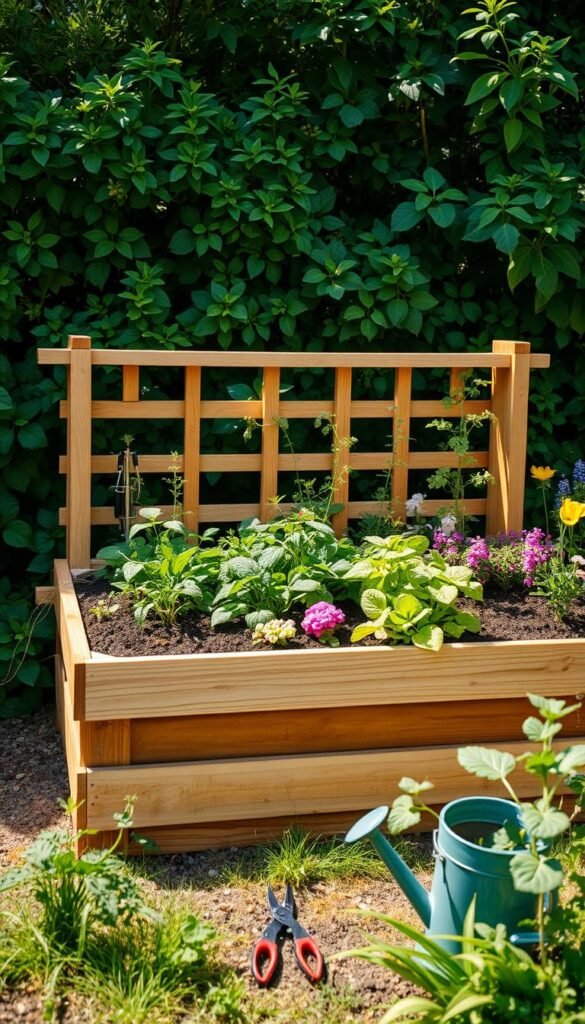
Picture this: Your outdoor space transformed into a thriving canvas where practicality meets visual charm. Elevated planters aren’t just growing spaces—they’re problem-solving features that simplify your routine while boosting curb appeal.
Benefits of Elevated Gardening
Better drainage means healthier roots. Unlike traditional plots, these structures let excess water escape easily, preventing rot. You’ll also enjoy:
- Custom soil depth for specific crops—12-18 inches for carrots, 6-8 inches for strawberries
- Warmer earth in early spring, giving seedlings a 2-3 week head start
- Reduced weed invasion thanks to contained borders
Combining Aesthetics with Utility
Materials do double duty here. Corten steel develops a rustic patina over time, while cedar wood offers natural pest resistance. Stone beds create permanent focal points, and repurposed bricks add vintage character.
“The right materials blend seamlessly with your landscape while protecting plants from pests and harsh weather.”
| Plant Type | Ideal Bed Depth | Material Pairing |
|---|---|---|
| Root Vegetables | 12-18 inches | Stone or Corten Steel |
| Leafy Greens | 6-10 inches | Cedar or Recycled Plastic |
| Flowering Herbs | 8-12 inches | Brick or Woven Willow |
With smart planning, your growing area becomes an extension of your living space—productive yet polished. Choose textures and heights that complement your home’s architecture for year-round appeal.
Incorporating Ergonomic Design for Back-Friendly Gardening
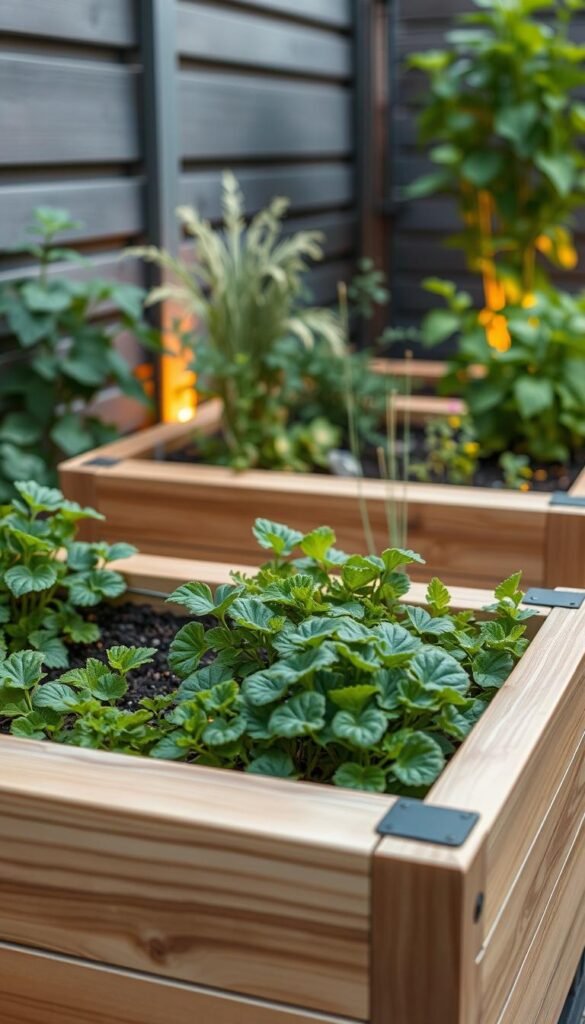
Say goodbye to sore knees and stiff backs—smart elevation transforms gardening from a chore to a joy. Thoughtful design lets you nurture plants without straining your body, creating a space that works with you rather than against you.
Waist-Height Solutions
Build structures that align with your natural stance. At 24-36 inches tall, you can tend to herbs and lettuce without bending. Natural cedar planters at this level offer bonus perks:
- Block curious pets from digging
- Warm soil faster for early planting
- Simplify elevating your space with clean lines
Tailoring Bed Height for Unique Plant Needs
Not all crops thrive at the same depth. Try these pairings:
- 6-8 inches: Strawberries, thyme
- 12-18 inches: Tomatoes, peppers
- 24+ inches: Fruit trees in large containers
Adjust based on your mobility needs too. Taller setups (up to 42″) let wheelchair users garden comfortably, while tiered designs accommodate multiple users. You’ll spend less time recovering and more time enjoying your green oasis.
Adding Vertical Elements with Trellises and Arches
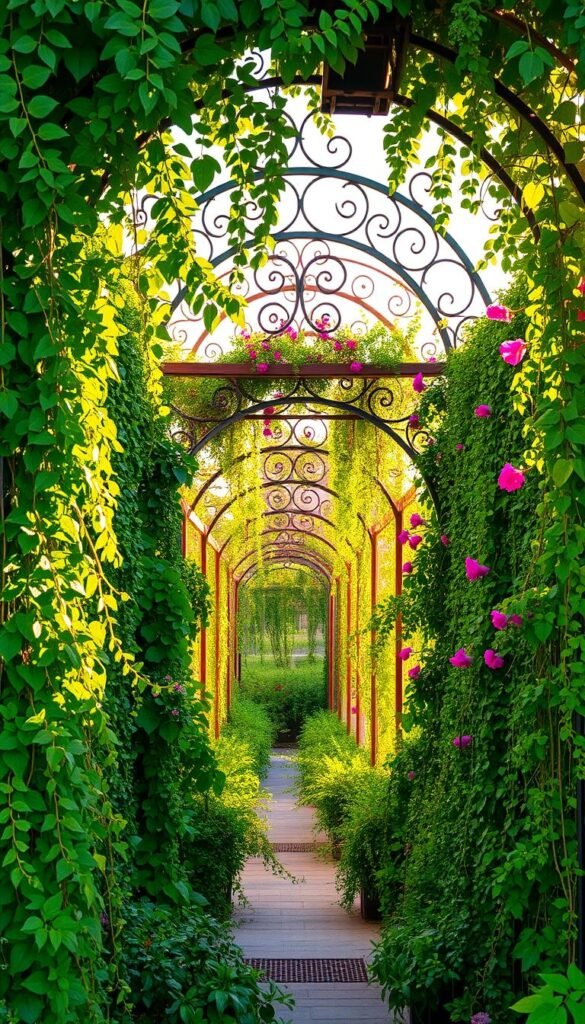
Turn your growing space into a multi-level paradise by reaching upward. Vertical structures transform plain plots into dynamic ecosystems where vines dance and flowers cascade. Smart elevation solves space limitations while adding functional beauty to your outdoor area.
Using Trellises for Climbing Plants
Give green beans and cucumbers the support they crave with strategic frameworks. A simple wooden lattice helps peas climb while creating living walls that filter sunlight. Metal arches prove perfect for heavy producers like squash—their sturdy curves keep fruits elevated and leaves dry.
Teepee-shaped supports offer playful functionality. Kids adore hiding beneath flowering mandevilla canopies, while you’ll appreciate how these structures triple your harvest potential. DIY trellises let you customize heights for specific crops without breaking your budget.
Enhancing Privacy and Structure
Watch leafy screens transform bare frames into natural partitions. Morning glory vines on metal grids create secluded nooks in weeks. The vertical growth pattern improves airflow, cutting mildew risks by up to 40% compared to ground-level planting.
| Plant Type | Ideal Support | Seasonal Benefit |
|---|---|---|
| Pole Beans | Bamboo Teepee | Maximizes yield in small areas |
| Cucumbers | Metal Arch | Prevents fruit rot |
| Clematis | Decorative Trellis | Adds floral focal points |
Archways lined with climbing roses mark transitions between garden zones beautifully. These living structures evolve through seasons—bursting with color in summer, offering stark elegance in winter. Your space becomes both practical and enchanting.
Explore Raised Garden Bed Design Inspiration: A Blend of Practicality and Style
Transform your outdoor space into a living masterpiece using modular layout strategies. Like puzzle pieces, five core arrangements let you craft unique combinations that fit your yard perfectly. Mix a formal potager with curved borders or nestle compact trios within larger plots—the possibilities grow with your creativity.
Start small with a single kitchen garden bed, then expand as your needs evolve. This approach builds confidence while creating visual harmony. Studies show gardeners maintain spaces 40% more consistently when they love their setup’s appearance.
“Great spaces balance beauty and purpose—every curve should serve both your eyes and your harvest.”
Try these professional tips:
- Layer L-shaped borders around twin planting zones
- Use geometric patterns to guide foot traffic naturally
- Match material textures to your home’s exterior features
Your planting area becomes an extension of your living space when design choices reflect personal taste. Prioritize layouts that make maintenance joyful, not tedious. The result? A thriving oasis that feels uniquely yours.
Creative Layouts and Structures for Limited Spaces
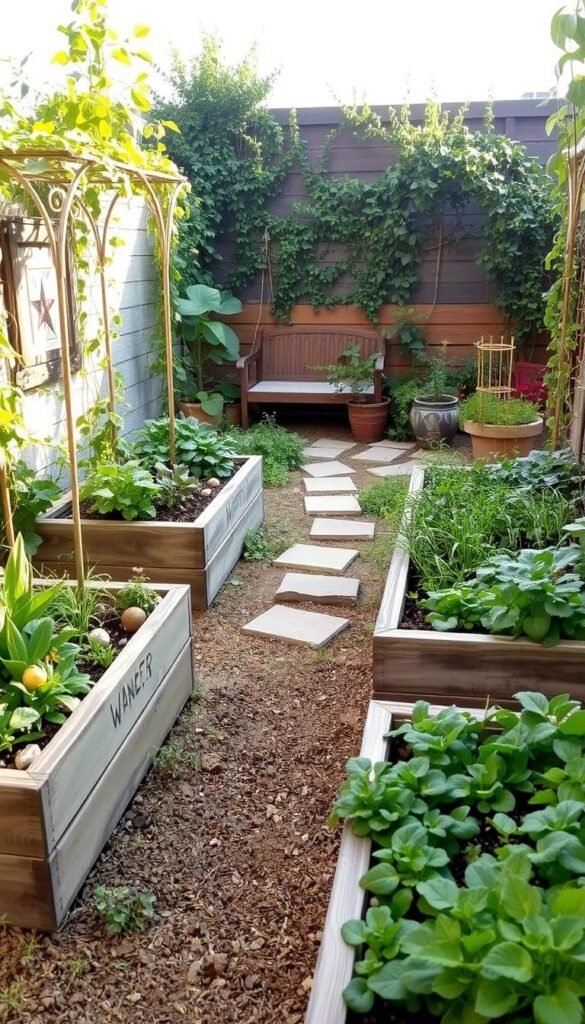
Small yards hold big potential when you rethink traditional planting layouts. Smart geometric arrangements turn cramped corners into thriving edible displays while keeping maintenance manageable.
Square Foot Gardening Techniques
Divide your growing area into 12″x12″ grids like a living chessboard. This method gives each plant dedicated room to stretch roots and soak up sunlight. Try these pairings:
- Leafy greens: 4 plants per square
- Tomatoes: 1 plant per square with vertical support
- Carrots: 16 seeds per square for continuous harvests
U-Shaped and L-Shaped Designs
Brandi Bechard’s innovative U-shaped layout proves curves boost productivity. Her design wraps around existing features like fences, creating hidden planting zones. The open center becomes perfect for:
- Compact herb spirals
- Movable container gardens
- Decorative stepping stones
Triangular beds offer another space-saving solution—their sharp angles fit snugly against walls or between pathways. Pair these shapes with vertical trellises to triple your yield without expanding footprints.
“Clever configurations let you grow 30% more food in half the space compared to traditional rows.”
Utilizing Materials for Visual Impact
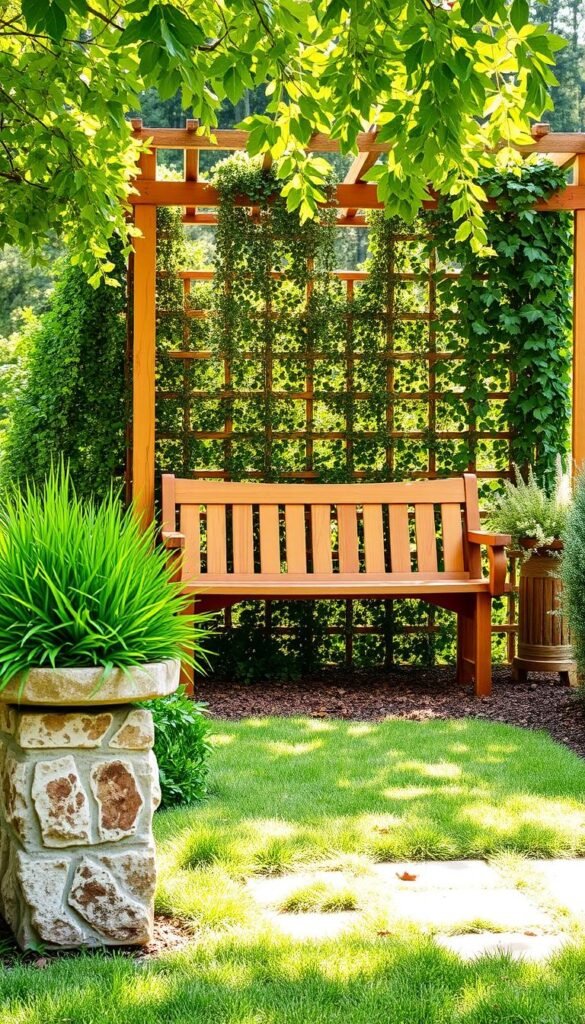
Your outdoor space becomes a canvas when materials do more than just hold soil—they tell a story. The right choices turn functional planters into striking landscape features that mirror your home’s personality.
Brick, Stone, and Cedar Accents
Match your existing patio or walkway materials for instant harmony. A stone planter beside a flagstone patio creates unified elegance, while cedar boxes echo wooden deck tones. This approach makes your growing areas look intentional rather than added later.
Natural stone offers unmatched durability—it withstands frost heaves and won’t warp like wood. Stacked slate or granite beds become permanent fixtures that age beautifully. For warmer textures, cedar develops a silvery patina over time while resisting rot naturally.
“Material selection transforms practical spaces into artistic statements. Weathered brick whispers history, while sleek concrete shouts modernity.”
Repurposed red brick adds vintage character to contemporary yards. Its porous nature helps regulate soil moisture, and the rusty hues complement flowering plants perfectly. You’ll love how these materials make maintenance easier while boosting curb appeal.
The design makes all the difference. Smooth concrete edges suit minimalist homes, while irregular fieldstone shapes enhance cottage-style gardens. Your choices should reflect both your aesthetic vision and the practical needs of your plants.
Integrating Paths, Grid Wiring, and Tiered Steps
Your outdoor space gains new dimension when pathways and levels work in harmony. Thoughtful layouts guide movement while protecting plants, blending practical access with eye-catching elevation changes. Let’s explore how to weave these elements into your growing areas seamlessly.
Designing Walkways Between Beds
Swap gravel for smooth pavers between your beds. Brick or stone paths cushion footsteps during long sessions, letting you tend plants without sore knees. These surfaces also:
- Prevent soil compaction around root zones
- Define clear routes through dense foliage
- Add color contrast against greenery
Building in Steps for Dramatic Backyards
Connect tiered garden areas with stone staircases. Each level becomes a planting stage—herbs on top, flowers below, veggies at ground level. Steps double as seating during harvests and create focal points that draw the eye upward.
“A well-planned path transforms maintenance into meditation. You’ll savor every trip to your plants.”
Wire grids beneath soil surfaces keep crops aligned without visible hardware. As leaves spread, the structure disappears, leaving only lush growth. Combine these systems with elevation changes to turn functional spaces into landscape art that neighbors envy.
Mixing Organic Elements with Man-Made Accents
Your outdoor sanctuary becomes truly captivating when raw textures meet polished finishes. Pair rough-hewn wood with sleek metal edging or soften concrete planters with cascading vines. These contrasts create visual tension that keeps eyes moving through your space.
Try combining cedar planter boxes with copper watering cans for warm metallic touches. Glass pebbles along pathways catch sunlight while reflecting leafy greens above. Even natural materials like stone gain character when paired with geometric wire sculptures.
Incorporate functional art into your raised garden setup. Repurpose old iron gates as climbing frames for beans, or hang mosaic wind chimes near herb beds. These thoughtful details turn practical spaces into conversation starters without overwhelming the greenery.
Balance is key. Let living elements dominate while using manufactured accents as supporting players. A stone pathway lined with wildflowers feels intentional, not forced. Your garden becomes a testament to harmony—where every element serves both beauty and purpose.
Remember: The best spaces evolve over time. Start with one striking combination, like weathered brick borders surrounding lush mint patches. As seasons change, you’ll discover new ways to blend earth’s gifts with human creativity.