
Gardening offers more than fresh tomatoes or vibrant flowers—it’s a chance to slow down and reconnect with nature. Studies show tending plants reduces stress while improving mental clarity. And let’s be honest: nothing beats the flavor of homegrown veggies picked at peak ripeness. You know exactly what goes into your soil, giving you full control over your harvest’s quality.
If you’re ready to take your outdoor space to the next level, consider permanent structures that blend beauty with practicality. Unlike temporary setups, these designs create lasting focal points while optimizing growing conditions. Their sturdy construction ensures years of reliable use, making them ideal for passionate growers who value both form and function.
Why choose materials that age gracefully while supporting plant health? The answer lies in thoughtful design. Properly built beds improve drainage, reduce weeds, and let you customize soil mixes for specific crops. For those with mobility concerns, they’re easier to access than traditional plots—no more bending over for hours! Explore our step-by-step guide to building a raised bed to see how simple it can be.
These timeless features do more than beautify your yard—they elevate your entire gardening experience. Imagine harvesting herbs just steps from your kitchen or enjoying a colorful floral display that withstands harsh weather. It’s not just about growing plants; it’s about crafting a space that grows with you.
Benefits of Brick Raised Garden Beds: A Classic Look with Solid Durability
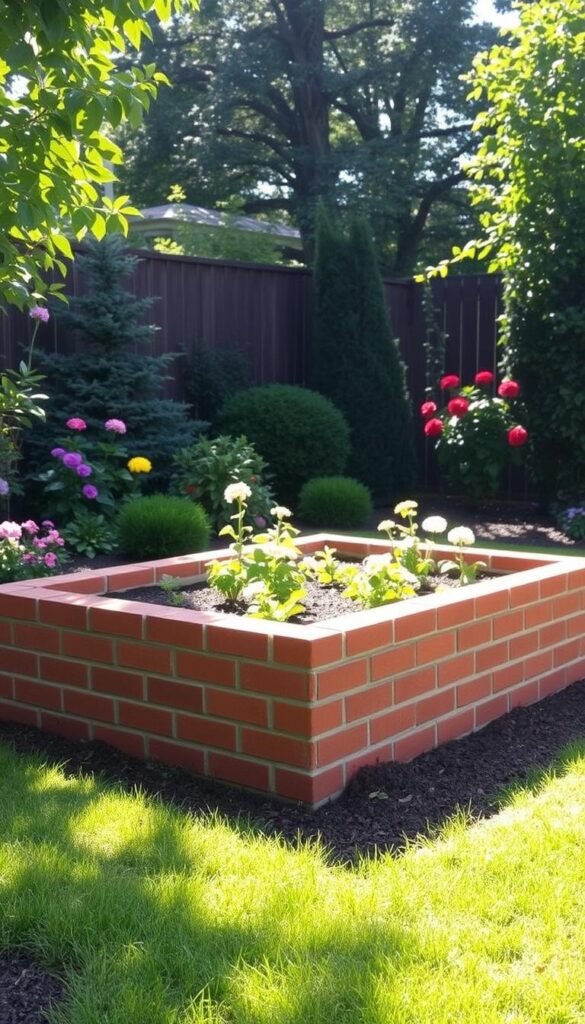
Transforming your outdoor space starts with choosing structures that balance practicality and style. While wood might seem cost-effective initially, certain materials offer unmatched longevity and visual harmony. Let’s explore why these permanent solutions could redefine your gardening journey.
Solid Durability Explained
You’ll love how these structures laugh in the face of time. Unlike organic materials for raised beds that warp or decay, brick shrugs off rain, snow, and UV rays. Its thermal mass stabilizes soil temperature during sudden weather shifts—your plants stay protected whether it’s 100°F or -10°F outside.
No termites. No rot. Just consistent performance season after season. While installation requires more effort upfront, you’re essentially building a fortress for your favorite flowers and veggies.
Timeless Aesthetic Appeal
Picture this: warm terracotta tones framing your heirloom roses, creating a backdrop that never goes out of style. Brick’s versatility blends seamlessly with modern minimalist patios or cottage-style yards. Neighbors might even mistake your garden for a professional landscape design!
This isn’t just about growing plants—it’s about crafting an outdoor sanctuary. The rich textures and colors elevate your property’s look, making every harvest feel like a stroll through a European villa garden.
Advantages of Raised Garden Beds in Modern Gardening
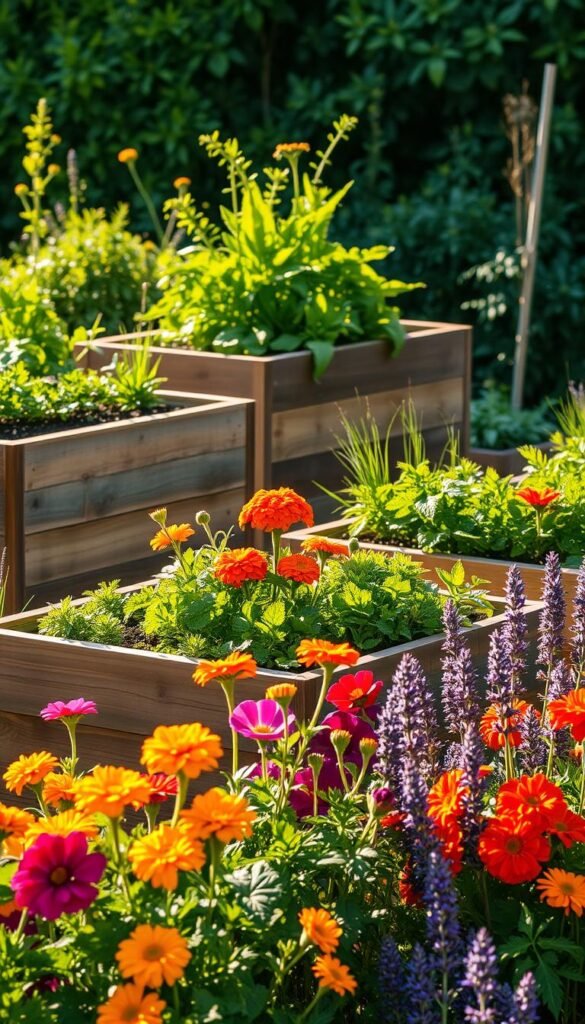
Elevating your garden isn’t just about height—it’s about unlocking a world of growing possibilities. These innovative setups solve age-old gardening challenges while boosting plant health and harvest quality. Let’s break down why they’ve become essential for today’s growers.
Improved Soil Conditions & Pest Control
Your plants’ roots will thrive in loose, nutrient-rich earth that stays fluffy year-round. Unlike ground-level plots, elevated setups prevent soil compression from footsteps. This means better oxygen flow and faster water drainage—no more swampy roots or mold outbreaks!
Customize your dirt blend for each crop. Acid-loving blueberries get peat moss, while carrots enjoy sandy mixes. This precision leads to healthier plants and bigger yields. Bonus: rodents struggle to reach your veggies through raised barriers.
Easier Access and Ergonomics
Say goodbye to kneeling in mud or straining your back during weeding. The waist-high design lets you tend crops comfortably—perfect for gardeners with mobility issues. Even kids can join in without tripping over tools!
Spring comes earlier to elevated setups. Soil warms faster, letting you plant weeks before ground-level neighbors. Pair this with stock tank gardening techniques for a truly extended growing season.
| Feature | Raised Beds | Traditional Gardens |
|---|---|---|
| Soil Temperature | Warmer in spring | Slower to warm |
| Weed Control | Easier management | More invasive |
| Accessibility | Reduced bending | Ground-level work |
Comparing Materials for Long-Lasting Garden Beds

Choosing the right material for your garden beds is like picking a foundation for your home—it determines longevity and performance. Let’s explore three popular options that balance natural charm with modern resilience.
Cedar, Redwood, and Composite Considerations
Cedar brings nature’s defense system to your backyard. Its natural oils fight rot and insects, giving you 10-15 years of service without chemical treatments. This aromatic wood develops a silvery patina over time, adding rustic character to your space.
Redwood steps up the game with tighter grain patterns and richer hues. It laughs at moisture and pests even harder than cedar, lasting 15-20 years. Perfect for damp climates where other woods might warp or splinter.
Composite materials blend recycled wood fibers with plastics for superhero durability. These maintenance-free champions withstand rain, snow, and UV rays for 20+ years. While they lack wood’s natural warmth, modern composites mimic wood grain textures surprisingly well.
“The best material isn’t always the cheapest—it’s the one that outlives your gardening mistakes.”
Cost and Maintenance Factors
Initial costs tell only part of the story. Cedar and redwood demand periodic sealing to maintain their weather resistance. Composites skip this hassle but cost 30-50% more upfront. Over a decade, though, their near-zero upkeep often balances the scales.
| Material | Lifespan | Yearly Cost* | Climate Fit |
|---|---|---|---|
| Cedar | 10-15 years | $15-$30 | All regions |
| Redwood | 15-20 years | $10-$20 | Humid areas |
| Composite | 20+ years | $0-$5 | Extreme weather |
*Includes stains, sealants, and repairs
Your local climate plays referee in this material match-up. Cedar thrives everywhere, while redwood excels in muggy zones. Composites dominate where temperature swings would crack traditional wood. Choose based on your region’s personality and how much time you want to spend maintaining versus growing.
Exploring Galvanized Steel for Contemporary Designs
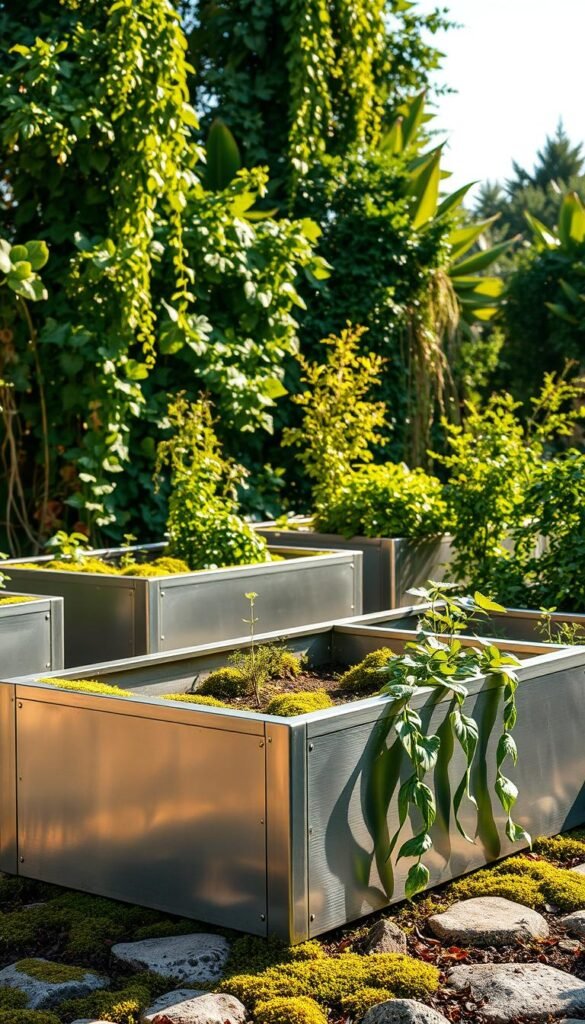
Contemporary outdoor spaces thrive on materials that offer both style and resilience. Galvanized steel brings industrial chic to your growing space while solving common gardening headaches. Its sleek appearance pairs perfectly with urban patios or minimalist backyard designs.
Modern Look and Minimal Upkeep
Picture crisp metallic lines framing your basil and begonias. This material’s modern look turns functional garden beds into design statements. Unlike weathered wood, steel maintains its sharp appearance through seasons—just rinse it occasionally to keep that factory-fresh shine.
Durability shines here. Galvanized steel resists rust, pests, and rot for over 20 years. No more replacing warped boards or battling termites. While the upfront cost runs higher than wood, you’ll save money long-term on replacements and treatments.
| Material | Lifespan | Upfront Cost | Maintenance |
|---|---|---|---|
| Galvanized Steel | 20+ years | $$$ | Low |
| Cedar | 10-15 years | $$ | Moderate |
| Composite | 15-20 years | $$$ | None |
Summer sun can make steel hot—but solutions exist. Line beds with insulation board or plant heat-tolerant varieties like lavender. Modular panels let you reshape your raised bed layout yearly, adapting as your gardening ambitions grow.
“Steel beds age like fine wine—they look better while requiring less work over time.”
Pair metallic surfaces with trailing vines or textured stones for striking contrast. Your garden bed becomes more than a planting space—it’s a sculptural element that matures beautifully with your landscape.
Stone, Brick, and Concrete Options: Durability Beyond Time
When building a garden that lasts generations, material choice becomes your legacy. Stone, brick, and concrete create planting spaces that outlive typical wood setups. These heavyweight champions laugh at storms, pests, and decades of use while maintaining their structural grace.
Permanent Strength versus Higher Costs
Your initial investment here works harder than a weekend gardener. While wood beds might cost $200-$500, stone or concrete setups often start at $800+. Professional installation adds more, but you’re paying for expertise in leveling and drainage—critical for heavy materials.
Consider this trade-off: spend more now, or replace flimsier beds every 5-10 years. A concrete garden bed could still stand strong when your grandkids start composting. No worrying about splinters, warping, or sudden collapses during harvest season.
| Material | Lifespan | Initial Cost* | Maintenance |
|---|---|---|---|
| Stone | 50+ years | $$$$ | None |
| Brick | 40+ years | $$$ | Occasional mortar checks |
| Concrete | Lifetime | $$$$$ | Sealing every 10 years |
*Costs compared to basic wood beds
Architectural harmony matters too. Rough-cut stone complements rustic cabins, while sleek concrete mirrors modern rooftops. As one landscaper notes: “These materials don’t just hold soil—they frame your entire outdoor story.”
Yes, the price tag stings initially. But spread that cost over 30 years, and you’ll spend less annually than on coffee. Your back will thank you during weeding sessions—no more rebuilding collapsed beds every spring!
Eco-Friendly Alternatives and Recycled Materials in Raised Beds
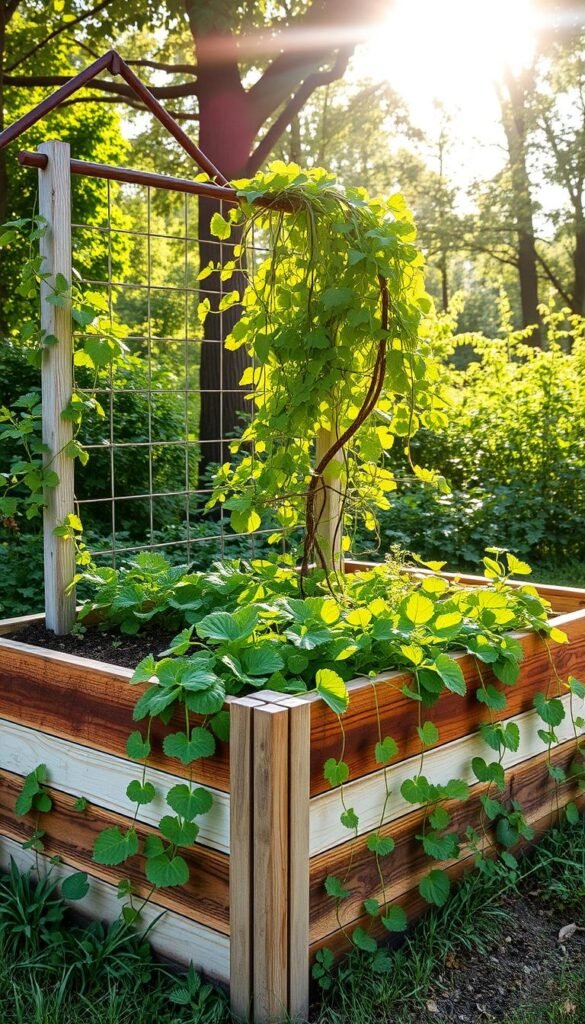
Imagine growing your favorite plants while giving plastic waste a second life. Modern gardening innovations let you create lush growing spaces using materials that would otherwise clog landfills. These solutions prove environmental responsibility and plant productivity aren’t mutually exclusive.
Sustainability and Longevity Side by Side
Recycled plastic lumber stands tall against traditional options. Made from HDPE (High-Density Polyethylene), these boards withstand decades of sun, rain, and frost without cracking or fading. Unlike wood, they never need sealing—just occasional rinsing to maintain their clean look.
Here’s why eco-conscious gardeners love them:
- Each 8-foot board contains ~500 milk jugs diverted from oceans
- Zero chemical treatments required for pest resistance
- Consistent performance from -30°F winters to 100°F summers
| Material | Lifespan | Recycled Content |
|---|---|---|
| HDPE Plastic | 50+ years | 100% |
| Cedar | 10-15 years | 0% |
| Composite | 20 years | 40-60% |
While initial costs run higher, consider the math. A $300 HDPE bed lasting half a century costs $6/year. A $150 cedar bed replaced every decade? $15/year. Your wallet and the planet both win long-term.
“Choosing recycled materials isn’t just gardening—it’s voting for the Earth’s future with every seed planted.”
These options excel in challenging climates. Moisture-resistant surfaces prevent mold in humid regions, while UV-stable formulas combat desert sun damage. Pair them with organic soil mixes for a garden that’s truly green from ground up.
Budget Solutions: Using Cinder Blocks for Affordable Garden Beds
Building a thriving garden doesn’t require breaking the bank—sometimes, it’s about thinking outside the planter box. Cinder blocks offer a wallet-friendly alternative to pricier materials, delivering rugged functionality at a fraction of the cost. Let’s explore how these humble concrete heroes can transform your growing space without draining your savings.
Economic Benefits and Practical Considerations
Here’s the math that’ll make you smile: four Oldcastle planter wall blocks ($3 each) and some lumber create a sturdy garden bed for under $50. That’s 25-50% cheaper than basic wood setups! Big-box stores like Home Depot stock these blocks year-round, making them accessible for last-minute projects.
The modular design is where creativity shines. Arrange blocks in L-shapes for corner plots or stack them vertically for tiered herb gardens. No fancy tools needed—just gloves and a level surface. Unlike rotting boards, these concrete warriors withstand frost heaves and scorching summers without warping.
| Material | Cost (4×4 Bed) | Lifespan |
|---|---|---|
| Cinder Blocks | $45 | 20+ years |
| Cedar Wood | $85 | 10-15 years |
| Composite | $120 | 15-20 years |
Need more flair? Use block holes as mini planters for strawberries or trailing flowers. Add metal brackets between layers for trellises—your cucumbers will climb with gusto. As one thrifty gardener noted: “My cinder block beds grew so much zucchini, I started supplying the neighborhood!”
While they won’t win design awards, these workhorses prove budget gardening doesn’t mean compromising quality. Your plants get stable roots, your back gets ergonomic height, and your wallet stays happily full.
Step-by-Step Guide to Building Your Raised Garden Bed
Creating your own growing oasis begins with smart preparation. Before grabbing your shovel, thoughtful planning ensures your project succeeds from the ground up. Let’s break down the essentials for crafting a functional, long-lasting setup.
Planning Your Layout and Measuring Space
Start by scouting your yard for a sunny garden space—most veggies need 6-8 hours of daily sunlight. Use stakes and string to outline your raised garden bed, keeping width under 4 feet so you can reach the center comfortably. Check the area with a level tool—slopes over 2% need grading to prevent water pooling.
Assembling Tools and Materials
Gather basic tools: measuring tape, shovel, and mallet. For framing, untreated cedar or composite boards work best. Double-check measurements before cutting—mistakes here waste time and materials. A rubber mallet helps seat corners tightly without damaging wood.
Pro tip: Lay cardboard under your raised garden bed to smother grass naturally. This saves hours of digging while adding organic matter as it decomposes. Now you’re ready to build raised garden structures that thrive for seasons!