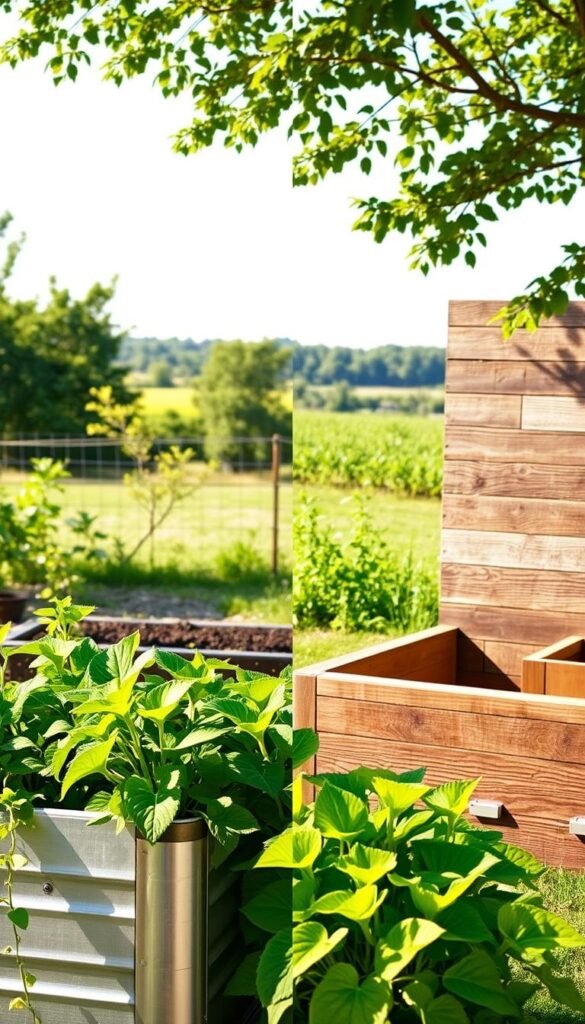
Choosing materials for your growing space isn’t just about looks—it’s about long-term success. Metal and wood offer distinct advantages, but their durability varies dramatically. While steel frames resist rot and pests naturally, wooden structures bring organic warmth that many gardeners love. So how do you decide what’s best for your backyard?
Metal options, like those in this metal versus wood comparison, often outlast traditional materials. They won’t warp during rainy seasons or crack in freezing temperatures. Wooden setups, however, work beautifully for quick installations and blend seamlessly into natural landscapes.
Consider maintenance too. Steel requires little beyond occasional cleaning, while timber needs yearly sealing to avoid decay. According to lifespan differences highlighted by experts, metal frames can serve your plants for decades versus wood’s typical 3-5-year lifespan. That’s multiple growing seasons without replacement hassles!
Your choice impacts everything from soil temperature to root health. Durable materials protect plants longer, while natural wood decomposes—adding nutrients but risking structural failure. Think about your climate, budget, and how often you want to rebuild. The right foundation today means fewer headaches tomorrow.
Introduction to Raised Garden Beds
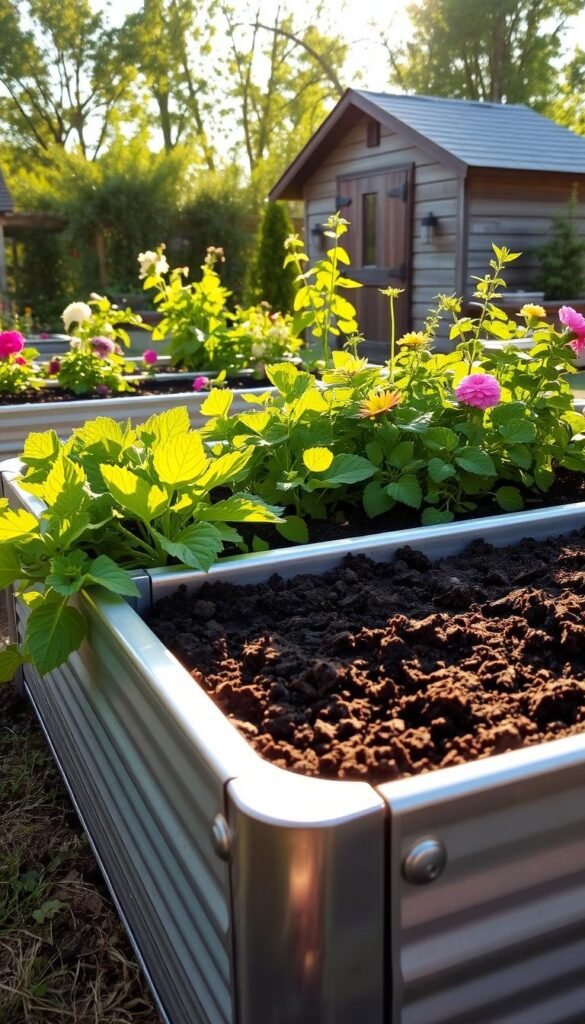
Struggling with tough soil or limited space? Elevated planters offer a fresh start for your favorite flowers and veggies. These structures let you bypass poor ground conditions while giving plants room to thrive.
Why Elevated Planters Work Better
Traditional in-ground plots often battle weeds and drainage issues. With elevated setups, you control the soil quality from day one. No more guessing games – just mix nutrients directly into your planting area.
Here’s how they compare to conventional methods:
| Feature | Traditional Gardens | Elevated Beds |
|---|---|---|
| Soil Control | Requires amendments | Customizable mix |
| Weed Management | Constant battle | Reduced intrusion |
| Accessibility | Bends/stretches | Waist-high comfort |
“My back pain vanished once I switched to elevated planters – now I garden twice as long!”
Want to try it? This step-by-step raised bed guide makes setup simple. You’ll enjoy faster growth and easier maintenance in any space – patios included!
Overview of Metal and Wooden Garden Bed Options
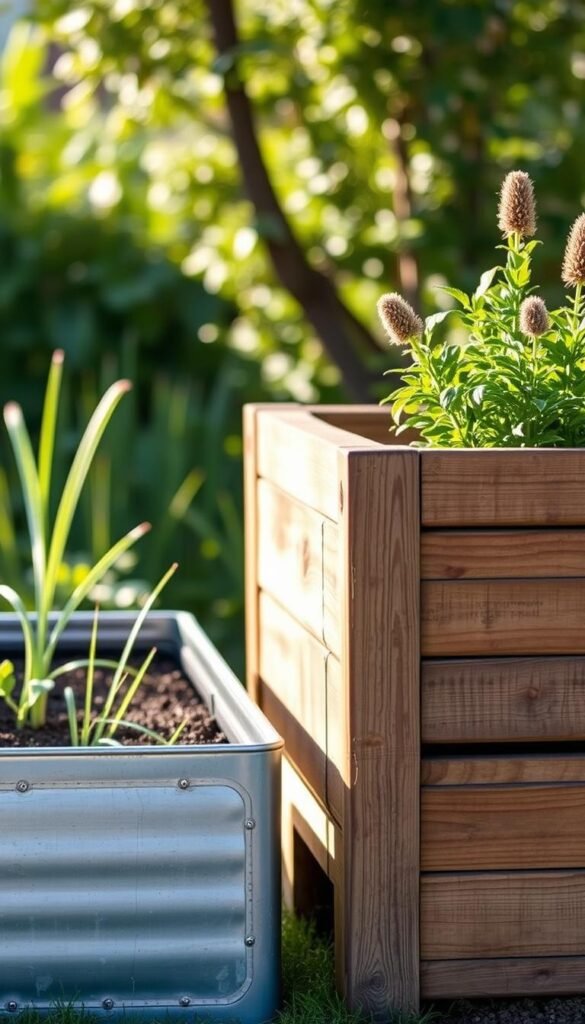
Your planters’ material choice shapes both their appearance and performance. Let’s explore how metal and wood options stack up in critical areas like upkeep and resilience.
Why Metal Planters Shine
Steel frames handle weather extremes without warping or cracking. Unlike organic materials, they laugh off termites and moisture damage. You’ll never need to stain or replace corroded panels.
These structures excel in rainy climates where wooden alternatives might rot. Their smooth surfaces wipe clean easily, saving you scrubbing time. Perfect for low-maintenance setups!
Wood’s Natural Appeal
Timber planters bring earthy charm to any yard. Cedar and redwood resist decay naturally while letting soil breathe. You can easily modify their size using basic tools from your garage.
Wood insulates roots during frosty nights better than metal. However, they need protective sealants annually. Great for gardeners who enjoy hands-on projects!
| Feature | Metal Planters | Wood Planters |
|---|---|---|
| Lifespan | 15+ years | 3-7 years |
| Maintenance | Wipe occasionally | Annual sealing |
| Customization | Pre-set sizes | Cut-to-fit designs |
For those planning square-foot layouts, both materials work well. Metal stays tidy for formal arrangements, while wood adapts to curved or tiered designs.
Galvanized Raised Garden Beds vs. Wooden: Which Lasts Longer?
Your garden’s foundation determines how often you’ll be rebuilding it. While both materials serve their purpose, their ability to handle wear-and-tear differs like night and day. Let’s break down what keeps these structures standing – or sends them to the compost heap.
Material Durability Comparison
Steel planters laugh at weather challenges that make timber crumble. Their zinc-coated surfaces shrug off rainstorms and snowdrifts without rusting. You could plant through 20 winters without seeing warped corners or flaking finishes.
Wooden frames face a tougher battle. Even rot-resistant cedar surrenders to damp soil over time. One gardener shared: “My oak bed collapsed mid-season once termites found the untreated base.” Without yearly sealants, most wood types start decomposing within 3 years.
Long-Term Sustainability and Weather Resistance
Metal’s secret weapon? Zero maintenance. While you’re staining wood panels every spring, steel owners are sipping lemonade. These beds survive hurricanes, scorching heat, and even curious raccoons without breaking a sweat.
| Factor | Steel | Wood |
|---|---|---|
| Typical Lifespan | 20+ years | 4-10 years |
| Weaknesses | None | Rot, insects, mold |
| Upkeep | None | Annual sealing |
Cheap pine boards might save $50 upfront, but replacing them every 3-5 years adds up. As one landscaper notes:
“Metal costs 2x initially but lasts 5x longer – your grandkids might inherit those beds!”
Soil contact accelerates wood’s decay, especially at ground level. Steel’s non-porous surface blocks moisture, keeping roots dry and structures intact. For hassle-free growing that survives decades? The numbers don’t lie.
Practical Considerations for Your Garden Setup
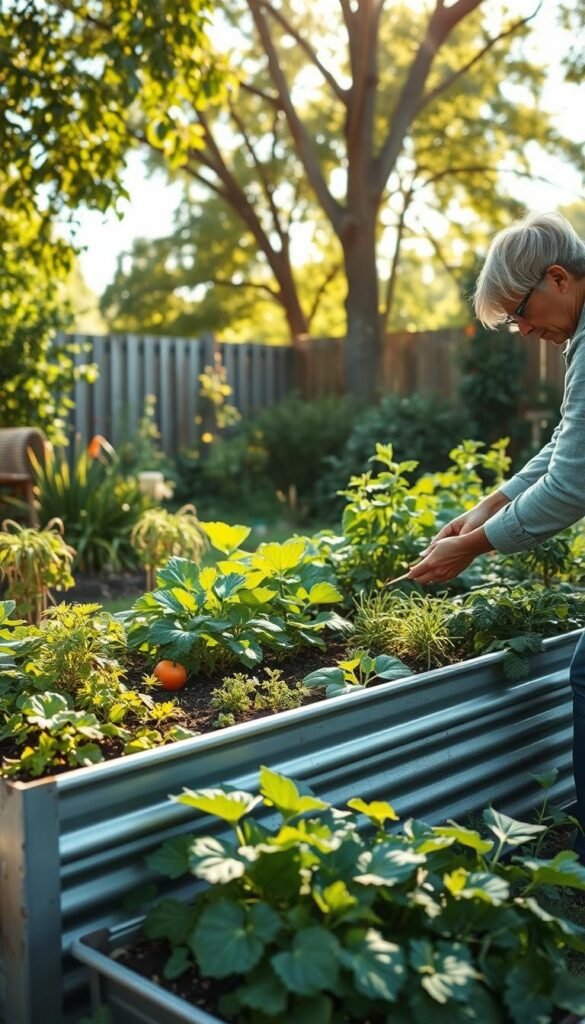
How much effort are you willing to invest in keeping your planters thriving? The answer determines whether you’ll spend weekends nurturing crops or repairing structures.
Maintenance and Upkeep Concerns
Metal planters ask almost nothing of you. A quick rinse with water removes dirt, and their surfaces naturally resist stains. No need for special cleaners or protective coatings – they handle sunbaked summers and icy winters without flinching.
Wood demands a different approach. Each spring brings mandatory sealing sessions to fight rot. One urban grower confessed: “I lost an entire bed of tomatoes when untreated cedar boards split during a heatwave.” Even rot-resistant types like redwood need yearly attention to stay sturdy.
| Maintenance Task | Metal Beds | Wood Beds |
|---|---|---|
| Annual Upkeep | None | 4-6 hours |
| Common Issues | None | Insect damage, warping |
| Material Costs | $0 after purchase | $30+/year for sealants |
Consider hidden time costs too. Checking for loose screws in weathered boards or battling termite colonies eats into gardening hours. Metal skips these headaches entirely – your biggest concern becomes deciding what to plant next!
“Switching to steel gave me 20 extra weekends over five years – that’s a whole growing season reclaimed!”
Your choice boils down to priorities. Love puttering with tools and don’t mind seasonal projects? Wood offers hands-on satisfaction. Prefer effortless durability? Metal becomes your low-fuss partner in cultivation.
Cost Implications and Budgeting Your Garden Project
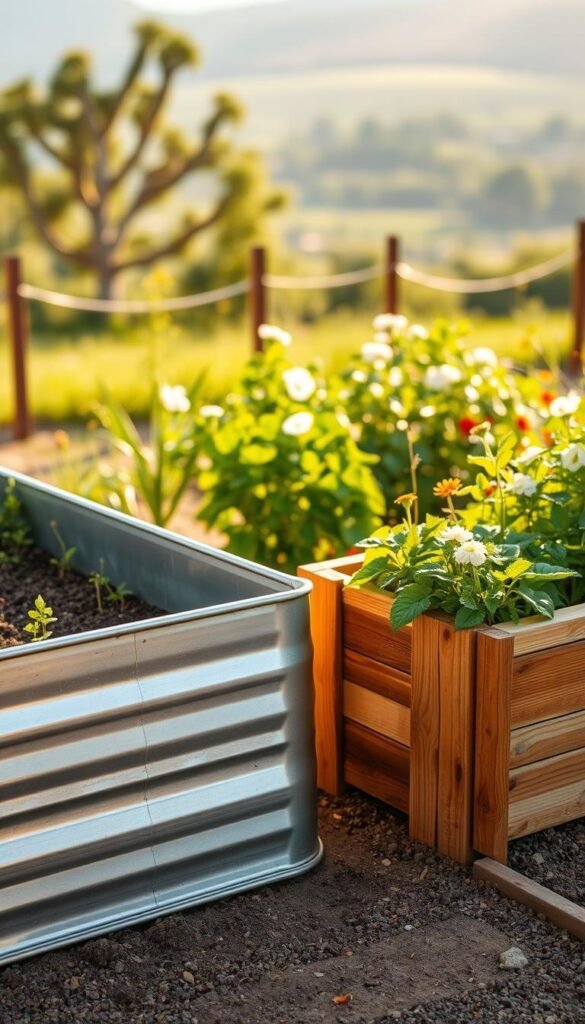
Planning your outdoor space involves smart money choices that grow with your plants. While some options appear cheaper initially, their true value reveals itself over seasons. Let’s dig into what really matters for your wallet.
Initial Investment vs. Long-Term Savings
Wooden setups might tempt you with lower starting prices – basic kits start around $50. But remember: these materials face rot and pests. Metal alternatives often cost $100-$300 upfront but skip yearly maintenance fees.
Prefab kits save time, especially if you’re not handy. One gardener noted: “My no-tool metal kit took 40 minutes to assemble – perfect for busy weekends!” DIY wood builds demand tools and skills, adding hidden labor costs.
| Cost Factor | Wood | Metal |
|---|---|---|
| Initial Cost | $50-$600 | $100-$300 |
| Annual Upkeep | $30+ (sealants) | $0 |
| Projected Lifespan | 3-7 years | 15+ years |
Over a decade, wood could cost $500+ with replacements. Metal stays stable, making it cheaper by year three. Your time has value too – staining boards or rebuilding structures steals hours from actual gardening.
“Switching to metal saved me $200 in five years – now I invest in better soil instead!”
Choose materials matching your long-term vision. Love projects? Wood offers customization. Want hassle-free growing? Metal kits deliver decade-proof results without surprise expenses.
Customization and Design Options for Raised Garden Beds
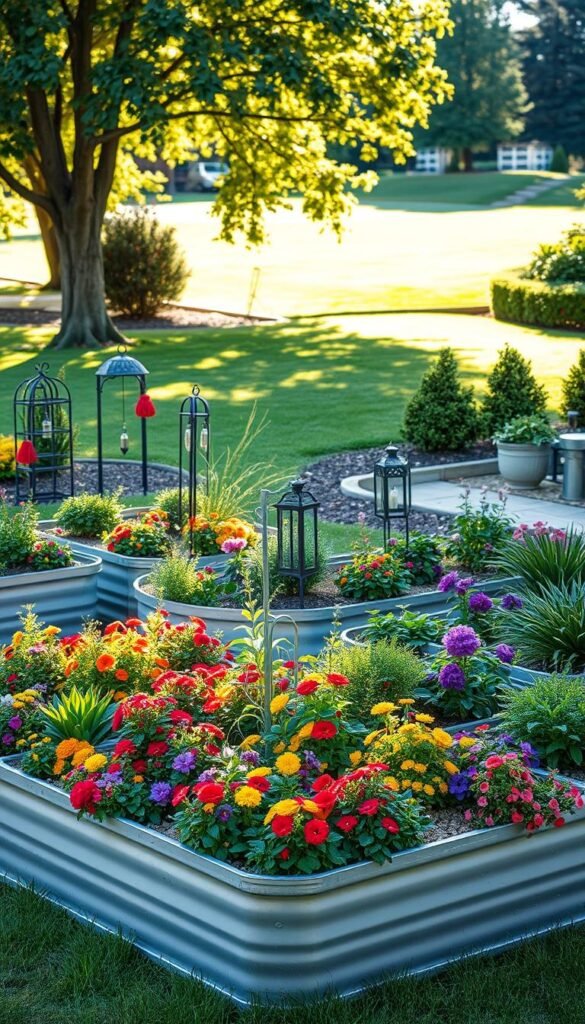
Your garden’s personality shines through its design choices. Whether you prefer earthy charm or sleek modernity, material selection shapes both functionality and visual impact. Let’s explore how wood and metal enable unique expressions of your growing space.
Design Flexibility with Wood
Wooden raised beds adapt to nearly any vision. Cut boards into hexagons, tiered layers, or vertical towers using basic tools. Their natural texture blends with cottage-style layouts or rustic farmyards. One gardener shared: “I built L-shaped planters to fit my patio’s awkward corner – took one afternoon!”
While curved designs challenge wood’s structural limits, rectangular forms thrive. Stains or paints let you match existing fences or outdoor furniture. Perfect for those who enjoy DIY projects!
Modern Aesthetics with Metal Beds
Metal beds deliver crisp lines and contemporary flair. Powder-coated finishes like charcoal or terracotta retain their color through sun and snow. Their rigid panels bend into circles or waves effortlessly – ideal for creating low-maintenance flower displays with artistic layouts.
Urban gardeners love how these planters complement concrete patios or geometric landscapes. As one designer noted: “Metal’s reflective surfaces make small yards feel expansive.”
| Feature | Wood | Metal |
|---|---|---|
| Common Shapes | Rectangles, hexagons | Circles, waves |
| Tools Needed | Saw, hammer | None (prefab kits) |
| Aesthetic | Rustic warmth | Sleek modernity |
Your choice depends on style preferences and hands-on ambitions. Wood invites creative tinkering, while metal offers polished durability. Both materials help you cultivate beauty alongside your plants!
Installation and DIY Considerations
Building your planters shouldn’t feel like a weekend marathon. Whether you’re a seasoned builder or prefer ready-to-use solutions, material choice dramatically impacts setup time and effort.
Quick Assembly Wins With Pre-Made Kits
Metal options shine for instant gratification. Many kits arrive with pre-cut panels and tool-free hardware – just snap pieces together. One user shared: “I assembled my 4×8-foot bed during lunch break!” Lightweight sheets with rounded edges simplify handling, while vinyl trim prevents sharp surprises.
Wood demands more prep work. Even pre-cut boards require drilling and measuring. Though manageable for DIY enthusiasts, projects can stretch into days without experience. Prefab wooden kits ease the process but still weigh more than steel counterparts.
Compare installation timelines:
- Metal: 30-60 minutes (no tools)
- Wood: 3-6 hours (basic tools)
For intricate layouts like square-foot designs, modular metal systems adapt faster. Wood offers flexibility but needs carpentry patience. Still torn? This DIY versus pre-assembled guide helps weigh time versus customization needs.
Your schedule decides: metal skips the sweat, while wood rewards hands-on creativity. Choose wisely – your weekends will thank you!