
Imagine stepping into your backyard and seeing lush plants thriving in sturdy, elegant boxes that blend seamlessly with nature. This is what durable, earth-friendly materials can offer for your outdoor space. Let’s explore why many enthusiasts prefer working with organic options that balance practicality and timeless charm.
Certain materials stand out for their ability to resist decay and pests naturally. Unlike synthetic alternatives, these options age gracefully, developing a soft silvery hue that complements your landscape. Their strength ensures they hold up through harsh winters or scorching summers, protecting your soil and plants year after year.
One major advantage is longevity—some structures last over 15 years with minimal upkeep. Pair this with eco-conscious benefits, and you’ve got a solution that supports both your gardening goals and the environment. If you’re ready to start your project, this step-by-step guide walks you through creating a functional, beautiful setup.
Beyond practicality, these designs add warmth to any yard. They create defined growing areas while enhancing your space’s visual harmony. Whether you’re growing herbs or vegetables, the right foundation makes all the difference in nurturing a flourishing oasis.
Understanding the Benefits of Raised Garden Beds
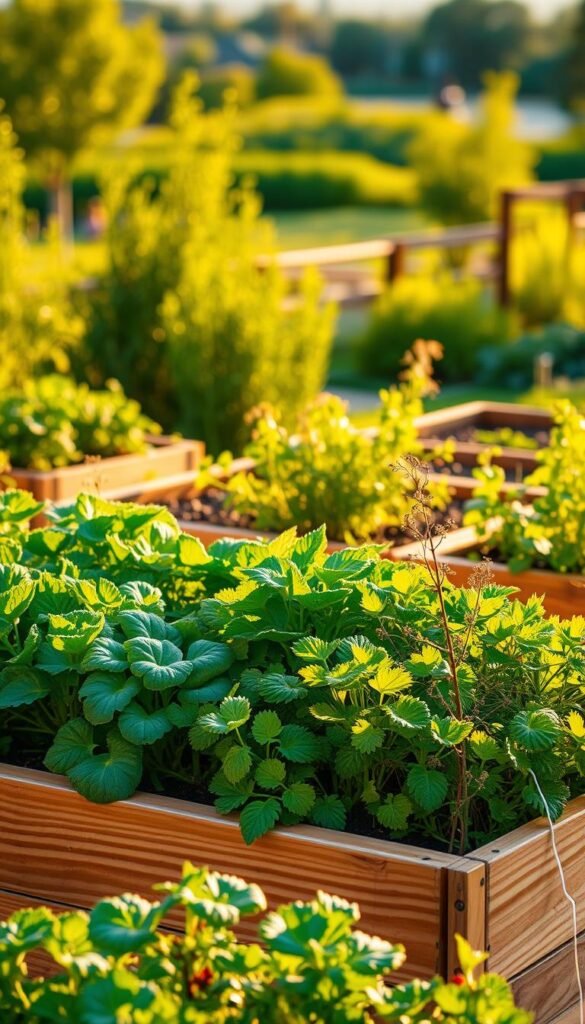
Ever struggled with hard clay or sandy ground that just won’t grow anything? Elevated planters let you start fresh with custom soil blends perfect for your veggies or flowers. No more fighting rocky terrain or compacted earth – you control what goes into your growing medium.
These structures solve water problems too. They drain faster than flat ground, protecting roots from rot during heavy rains. Yet they still hold enough moisture during dry spells. You’ll spend less time guessing when to water and more time enjoying your thriving greenspace.
Your knees will love the height advantage. Bending over becomes optional when your plants sit waist-high. This makes tending to herbs or tomatoes easier for everyone – whether you’re 25 or 75. Plus, defined edges keep pathways clear and weeds contained.
The real magic happens underground. Mix compost, peat moss, and vermiculite to create a fluffy soil home where roots spread freely. This tailored approach means bigger harvests in smaller areas. For budget-friendly ideas, check out this guide to square-foot setups.
Season after season, these planters help you rotate crops efficiently. Just refresh the top few inches of soil each spring, and you’re ready to grow. It’s like hitting reset on your garden’s productivity without starting from scratch.
Cedar Raised Garden Beds: Why Natural Wood Is a Gardener’s Favorite
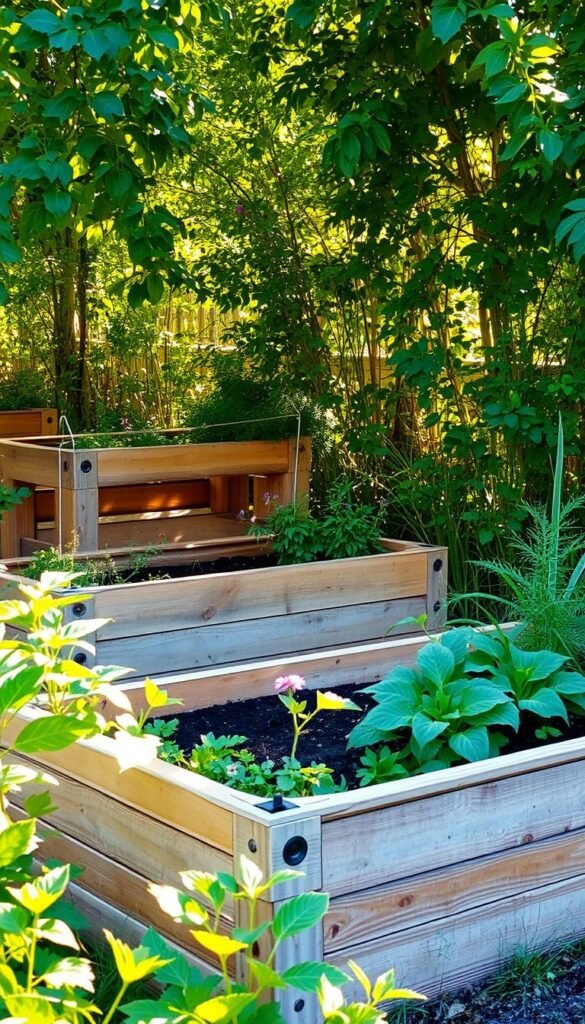
Choosing the right building components for your green space can feel overwhelming. One option consistently rises above the rest in durability and practicality. Its natural oils act as built-in protectors against moisture and hungry insects, ensuring your structure stays intact season after season.
While the initial price might make you pause, consider this: a standard 10-foot board costing around $25 becomes a bargain when it lasts over 15 years. You’ll replace cheaper alternatives multiple times in that period, ultimately spending more money and effort. Long-term value becomes clear when you calculate cost-per-year of use.
The material’s lightweight quality surprises many first-time builders. You can handle and cut planks without heavy machinery, making DIY projects accessible. As it weathers, the surface transforms into an attractive silvery-gray finish that blends with outdoor environments naturally.
| Feature | Benefit | Timeframe |
|---|---|---|
| Natural rot resistance | No chemical treatments needed | 15+ years |
| Termite deterrent | Maintains structural integrity | Lifetime protection |
| Weather adaptation | Develops protective patina | 2-3 years |
Local hardware stores typically stock this premium option, eliminating special orders. For those curious about specific advantages, this detailed analysis explains why professionals recommend it for durable outdoor projects. Pair its functional strengths with timeless aesthetics, and you’ve got a winning combination for any growing space.
Selecting the Right Wood for Your Raised Beds
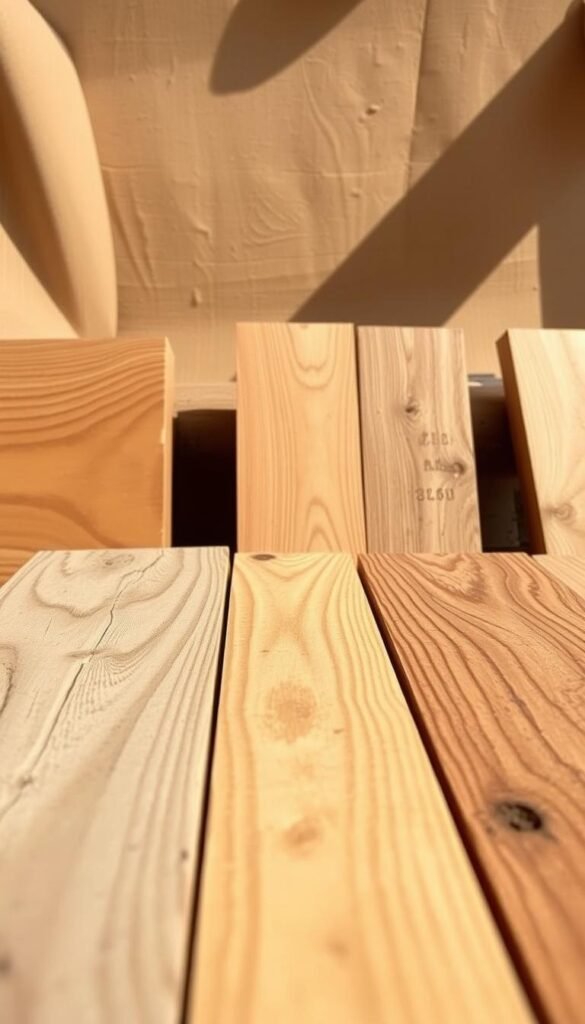
Picking materials for your growing space shouldn’t feel like solving a puzzle. Different lumber types bring unique strengths to your project. Let’s break down popular choices to help you balance durability with your budget.
Cedar, Redwood, and Other Sustainable Options
Redwood shines with 20+ years of rot resistance – similar to cedar. But expect to hunt harder for it and pay about $30 per 8-foot board. Want something easier on your wallet? Pine costs half that price but lasts fewer seasons.
Juniper’s a hidden gem if you can find it. This tough wood fights insects naturally and survives 50+ years. Douglas fir offers another budget pick, though it won’t outlast premium options.
Comparing Durability and Cost
Your decision hinges on how often you want to rebuild. Check this quick guide:
| Material | Lifespan | Cost per 8ft |
|---|---|---|
| Redwood | 20+ years | $30 |
| Cedar | 15+ years | $25 |
| Pine | 5-7 years | $12 |
| Juniper | 50+ years | $40+ |
Softwoods like pine work for short-term projects. Hardier types save money over decades. Pair your chosen wood with quality soil – this organic gardening guide shows how to create nutrient-rich beds.
Remember: cheaper boards mean more frequent replacements. Factor in your long-term plans before grabbing that bargain lumber!
Evaluating Treated vs. Untreated Wood Materials
Choosing between protective treatments and raw materials for your planters? Modern options balance durability concerns with environmental awareness. Let’s explore how different processing methods affect your growing space.
Understanding Pressure-Treated Wood
Pressure-treated wood undergoes a specialized process where preservatives like copper azole or alkaline copper quaternary penetrate deep into the fibers. Vacuum chambers force these chemicals into every crevice, creating long-lasting defense against rot and pests. This method extends the material’s lifespan significantly compared to untreated alternatives.
Safety, Chemicals, and Soil Impact
Oregon State University researchers tested copper levels in edible crops grown near treated planks. Their findings? Soil within one inch of boards showed a minor 20 ppm copper increase – no higher than natural soil variations. Crucially, vegetables and herbs showed zero chemical absorption, easing safety concerns for food growers.
When selecting materials, consider:
- Your comfort with chemical-treated surfaces near edible plants
- Local availability of naturally rot-resistant woods
- Long-term maintenance preferences
Modern treatments meet strict safety standards, but untreated options remain popular for organic gardening approaches. Your decision ultimately depends on balancing practical durability with personal philosophy about soil health and plant safety.
Smart Purchasing Tips for Quality Lumber
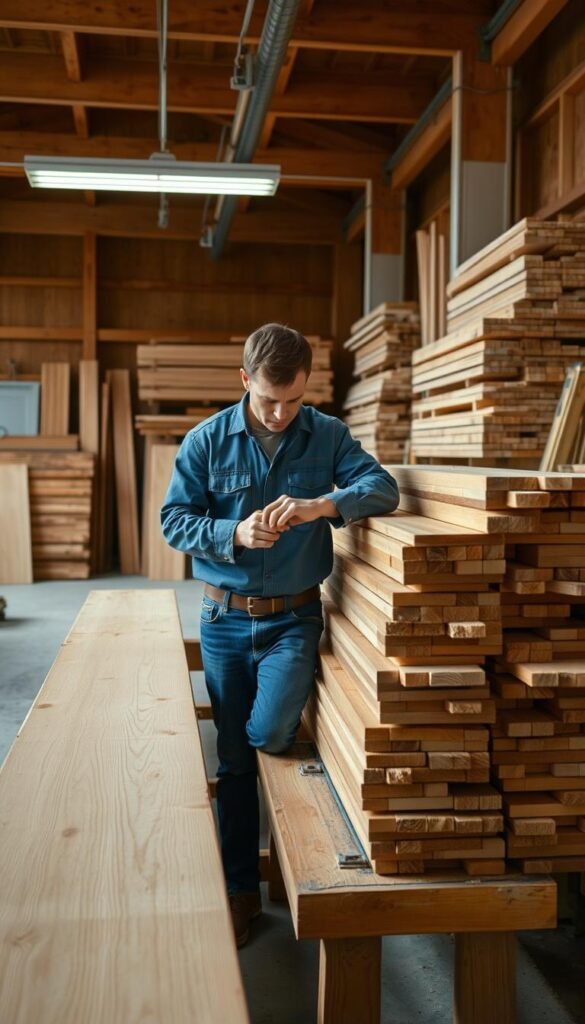
Finding the perfect materials for your outdoor project starts with smart shopping strategies. Where you buy makes a big difference – local hardware stores work for 1-2 planters, but larger projects deserve bulk pricing from lumberyards. Always prioritize hands-on inspection to avoid warped or damaged pieces.
Inspecting Boards for Damage and Defects
Pull each board from the stack at the store. Look for dark stains, cracks, or rough patches that signal rot or insect damage. Check edges for splintering – these flaws weaken structures over time.
Verifying Measurements and Straightness
Longer boards often bend slightly. Lay them flat on the floor and sight along the edges like a carpenter. Crooked pieces create gaps in your finished project. Use this quick reference:
| Board Length | Common Issues | Inspection Tip |
|---|---|---|
| 8 ft | Minor warping | Check both ends |
| 10 ft | Center sagging | Lay flat on floor |
| 12 ft | Twisted grain | Rotate 360° |
Count every piece before loading your vehicle. Mixing different wood batches risks color variations in your yard setup. Smart shoppers save time and frustration by getting it right the first trip.
Design and Installation Considerations
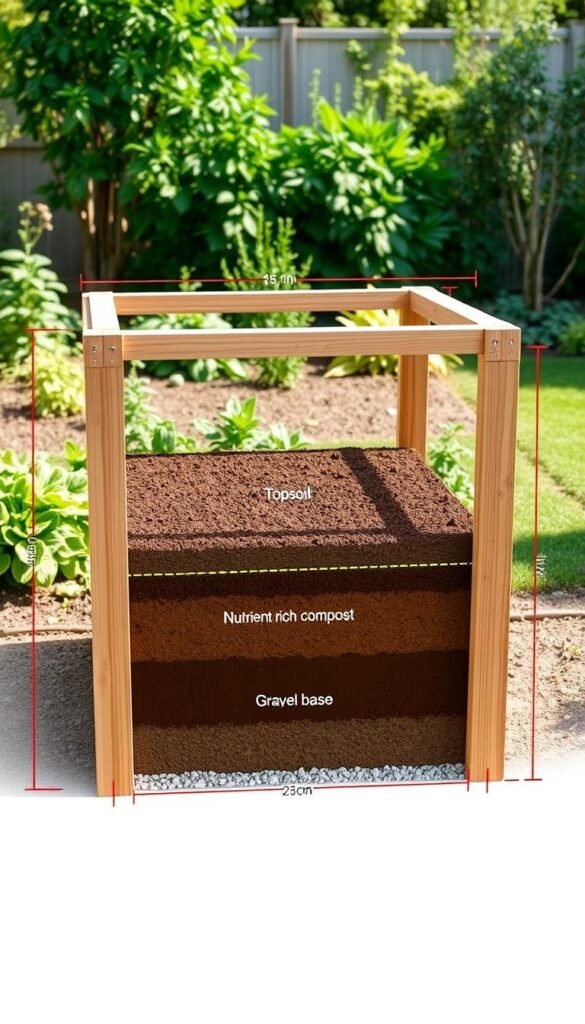
Ready to build a growing space that works smarter, not harder? Smart planning transforms basic beds into high-performing plant homes. Start by measuring your area – 3-4 feet wide lets you reach every plant without stepping on soil.
Building a Functional Raised Garden Bed
Corner brackets become your best friend during assembly. These metal connectors lock boards securely, handling soil pressure better than nails alone. Apply food-safe sealant to raw edges – it shields wood without harming your kale or tomatoes.
Line the base with landscape fabric before filling. Galvanized staples keep this barrier flat, blocking weeds while letting water drain freely. Your plant roots get clean access to nutrients without competition.
Efficient Irrigation and Access Techniques
Ditch the watering can for drip lines buried 2 inches deep. These systems deliver moisture straight to roots, cutting waste by 50%. Pair them with timers for stress-free hydration – perfect for vacation weeks.
Leave 18-inch paths between beds. This space lets wheelbarrows pivot easily and keeps your shoes mud-free. For tight areas, try a square-foot garden layout that maximizes yield in minimal room.
Incorporating Accessories for Enhanced Use
Pop-up covers shield seedlings from frost and birds. Come summer, swap them for shade cloth when temperatures spike. Cold frames add 6 weeks to your growing calendar – install removable hinges for quick access.
Elevate your setup with stackable planters. These tiered products create visual interest while saving ground space. Your herbs stay within arm’s reach, and pollinators get new landing pads.
Comparing Cost and Longevity of Wood Options
Your budget and gardening ambitions determine which materials make sense for your project. While initial prices vary widely, the real story unfolds over seasons of use. Let’s break down what matters most when balancing your wallet’s needs with your plants’ requirements.
Upfront Costs vs. Replacement Cycles
A standard 8-foot cedar board costs about $25 compared to pine’s $12 price tag. But here’s the catch: pine often needs replacing in 5-7 years, while cedar lasts 15+ seasons. Redwood sits higher at $30 per board but matches cedar’s endurance. Think of it as paying now or paying later – durable options save money over decades.
Time-Tested Performance
Rot-resistant woods like cedar demand less upkeep. You’ll avoid annual treatments and frequent repairs. Pine requires more attention, needing protective sealants to stretch its lifespan. The choice comes down to how you value your time – less maintenance means more moments enjoying fresh harvests.
Pro tip: Mix materials for budget-friendly durability. Use cedar for structural corners and pine for non-critical areas. This hybrid approach cuts costs while keeping key components intact for years. Your plants won’t care about the labels – they’ll thrive either way!