
Struggling with rocky soil or poor drainage? Elevated planters offer a fresh start for your growing projects. Unlike traditional methods, these structures let you control soil quality and drainage from day one. Many find this approach turns frustrating efforts into rewarding harvests.
Why do seasoned growers swear by this method? It’s simple: better results with less work. You’ll spend less time battling weeds and more time enjoying plump tomatoes or crisp greens. Imagine stepping outside to pick ingredients for dinner—no digging required.
This guide breaks down everything from starter tips to pro-level hacks. Learn how to position your planters for maximum sun exposure and mix soils for specific crops. Discover why proper spacing reduces pests while boosting yields.
By the end, you’ll see why countless enthusiasts call this method a “game-changer”. Whether you’re growing herbs on a balcony or filling a backyard with veggies, elevated systems adapt to your space. Ready to turn that patch of dirt into a productive oasis?
Why Switch to Raised Garden Beds
Ever notice how some neighbors grow prize-winning tomatoes while your plants struggle? The secret often lies in root-friendly conditions you can’t get with regular plots. Elevated growing spaces solve three big headaches: compacted earth, unpredictable moisture, and nutrient-starved dirt.
Benefits of Improved Soil and Drainage
Traditional plots force you to work with whatever dirt you’ve got. With contained beds, you become the architect. Mix sandy loam for carrots or rich compost for kale—every crop gets its ideal foundation. “My zucchini doubled in size once I fixed the drainage,” shares Oregon gardener Marissa T.
Water behaves differently here too. Excess moisture drains faster, preventing root rot. Loose soil warms quicker in spring, giving seedlings a head start. You’ll see fewer yellow leaves and more vigorous growth.
Enhanced Crop Yields for Your Kitchen Garden
Dense planting works magic in these setups. Basil and peppers grow shoulder-to-shoulder without competing—their roots spread downward instead of sideways. One study showed 30% higher yields compared to ground-level plots.
Pest control becomes easier when plants are stronger from better nutrition. You’ll spend less time battling bugs and more time harvesting. Imagine plucking sun-warmed strawberries straight from your optimized soil—no kneeling required.
Choosing the Right Materials for Your Raised Garden
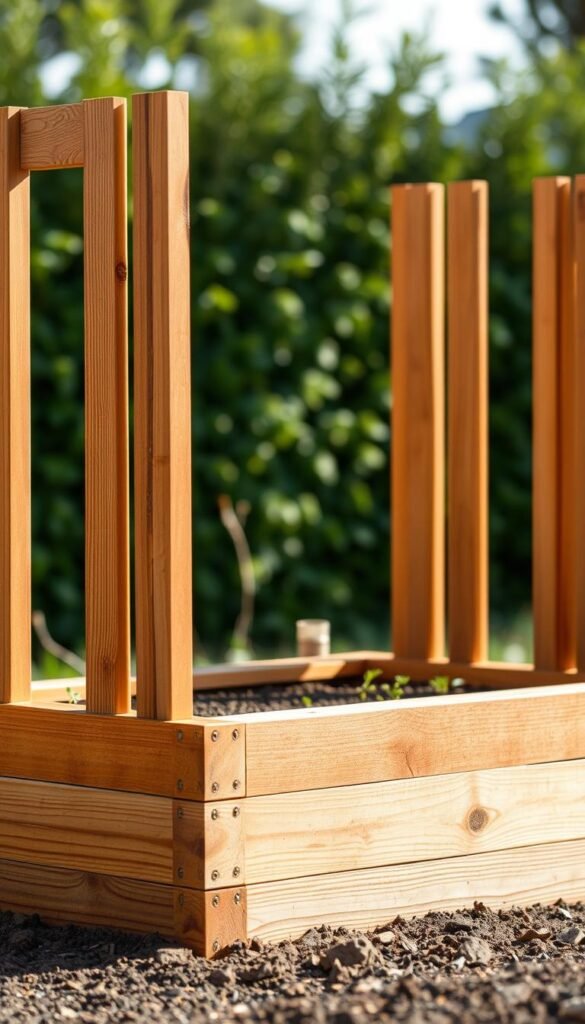
Your material selection directly impacts both aesthetics and plant health. Focus on options that balance durability with visual appeal while staying within budget. Let’s break down what works best for different needs and climates.
Natural Wood vs. Metal Options
Cedar remains a top pick for its natural resistance to rot and insects. Though prices have risen, its warm tones and 15-20 year lifespan make it cost-effective long-term. Metal choices like corten steel offer sleek, modern lines and extreme weather resistance—perfect for urban spaces.
Galvanized steel beds last 25+ years but lack wood’s earthy charm. Aluminum weighs less but dents easily. One Colorado gardener notes: “My corten beds still look sharp after six snowy winters—zero maintenance.”
Sustainable and Affordable Materials
Recycled plastic lumber mimics wood’s look without splinters or chemical treatments. Locally sourced stones or reclaimed bricks reduce costs while adding character. For tight budgets, untreated pine paired with landscape fabric works if replaced every 5-7 years.
| Material | Cost per Sq Ft | Durability | Aesthetic Appeal |
|---|---|---|---|
| Cedar | $8-$12 | 15-20 years | Rustic warmth |
| Corten Steel | $25-$40 | 30+ years | Industrial chic |
| Galvanized Steel | $15-$22 | 25+ years | Modern simplicity |
| Recycled Plastic | $6-$10 | 10-15 years | Casual versatility |
Prioritize materials that match your region’s weather patterns. Coastal areas benefit from salt-resistant metals, while arid climates favor untreated woods. Mix materials for visual interest—pair steel corners with cedar planks for a hybrid look.
Designing Your Box Garden: Key Considerations
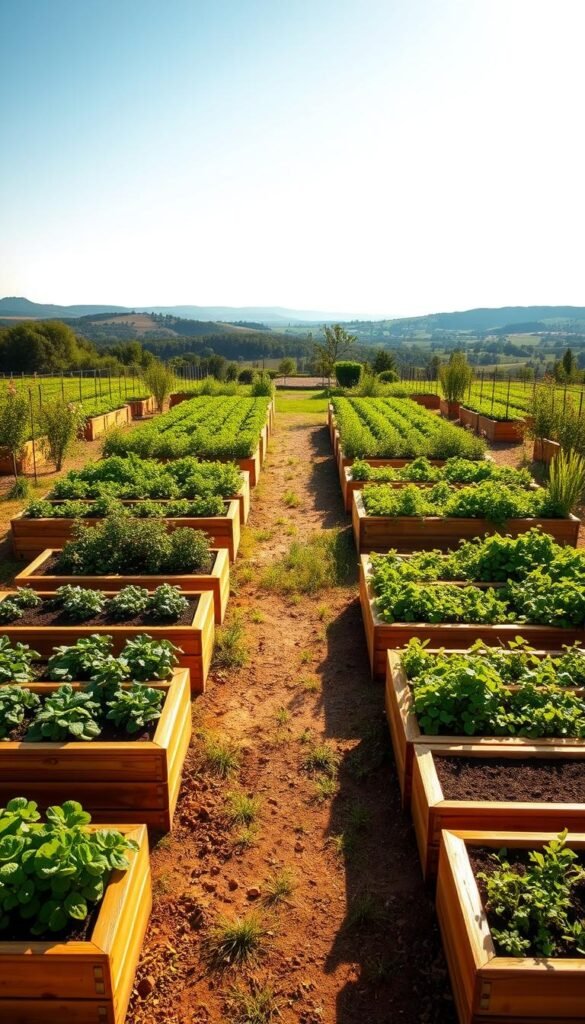
A well-planned layout turns even the trickiest spots into productive growing areas. Start by mapping sunlight patterns—most vegetables need 6-8 hours daily. Observe where shadows fall from buildings or trees during peak growing seasons.
Planning Your Layout
Pathways matter more than you think. Keep them at least 18 inches wide for easy wheelbarrow access. “Cramped walkways became my weeding nightmare,” admits Texas grower Luis R., who redesigned his space after two seasons.
Group plants by water needs to simplify irrigation. Place thirstier crops like lettuce near your hose connection. Sloped ground? Position beds across the incline to prevent soil erosion during heavy rains.
For small spaces, try U-shaped designs that maximize planting surface. Larger areas shine with symmetrical grids that create visual rhythm. Always leave room for future expansion—you’ll likely want more beds once harvests begin.
Morning sun exposure proves critical for heat-sensitive plants. Use taller crops like corn or sunflowers as natural shade for leafy greens in afternoon hours. This strategic placement boosts yields while reducing watering needs.
Creative Raised Bed Shapes and Sizes
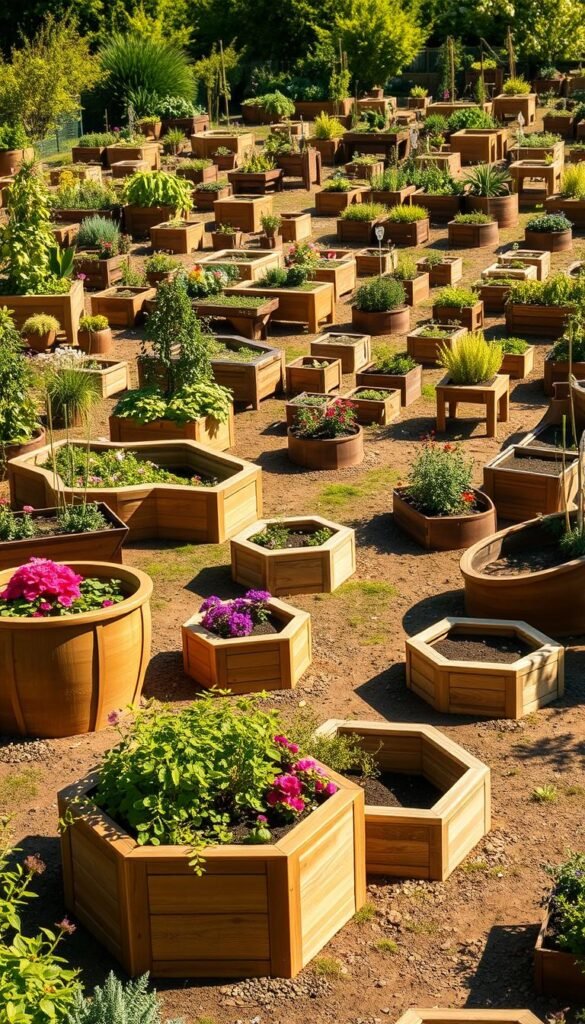
Does your garden feel boxed in by rectangular norms? Break free with shapes that turn limitations into opportunities. Circular beds create focal points while fitting snugly into odd corners. Try hexagonal designs that maximize edge space—perfect for herbs or flowers.
Height variations add depth to your space. Shallow 8-inch beds suit radishes and greens, while 18-inch depths accommodate carrots and potatoes. Tiered designs let you grow deep-rooted tomatoes above mint (contained safely below).
Struggling with slopes or narrow strips? Consider these solutions:
- L-shaped beds wrap around tree bases
- Curved designs soften angular patios
- Vertical stack beds for balcony gardens
Size impacts maintenance too. A 4×4-foot bed lets you reach all plants without stepping in soil. Larger 8-foot designs work for sprawling squashes if you include access paths. “My keyhole-shaped bed tripled my basil harvest,” shares urban gardener Clara D.
Pair form with function by matching bed dimensions to plant needs. Compact greens thrive in 12-inch-wide containers, while berry bushes need 3-foot spreads. For detailed construction tips, explore our step-by-step raised bed construction guide.
Ergonomic Raised Beds: Waist-High Designs
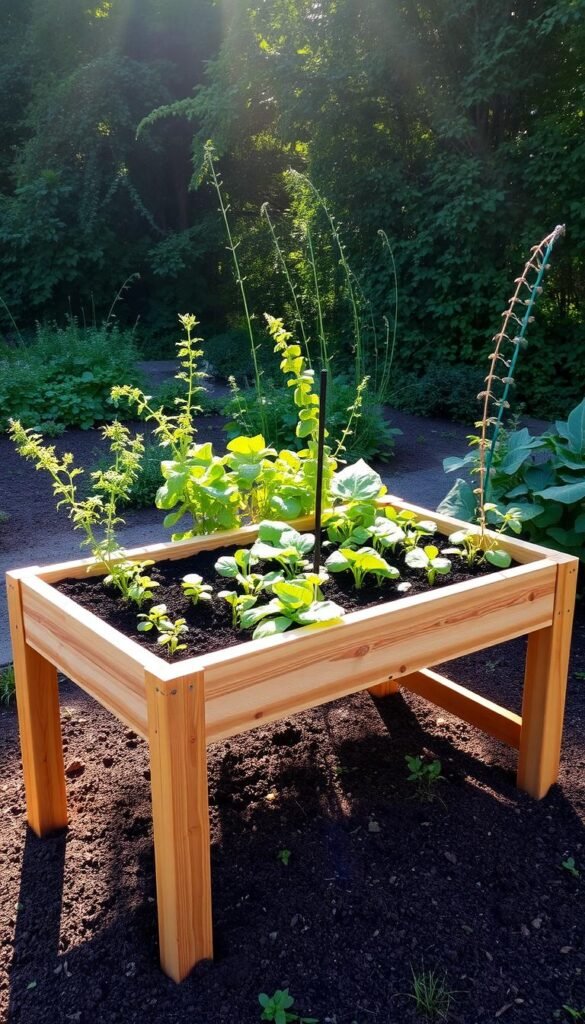
Tired of sore muscles after tending plants? Elevated growing spaces aren’t just about soil quality—they’re game-changers for physical comfort. Waist-high designs let you nurture greens without bending or kneeling, turning backaches into afterthoughts.
Reducing Back Strain with Taller Beds
Optimal bed height starts at 36 inches—roughly countertop level. This position keeps your spine neutral while reaching across the soil. “I gardened pain-free for the first time in years,” says Minnesota grower Ellen K., who switched to taller beds after hip surgery.
Deeper root zones matter too. A 24-inch depth accommodates carrots and potatoes while maintaining accessibility. Pair these measurements with 3-foot-wide beds for easy access from both sides.
Building Tips for Stability and Comfort
Sturdy construction prevents leaning under soil pressure. Use 4×4 cedar posts at corners and midpoints for support. Concrete footings add stability in windy areas—bury them 12 inches deep.
Consider adding shelves along the sides for tools or harvested veggies. For budget-friendly options, explore our guide on building raised beds for square-foot gardening on a.
Leveling matters more as beds rise. Check each post with a carpenter’s level during assembly. Reinforce long spans with cross-braces to prevent bowing over time.
Creative Additions for Enhanced Functionality
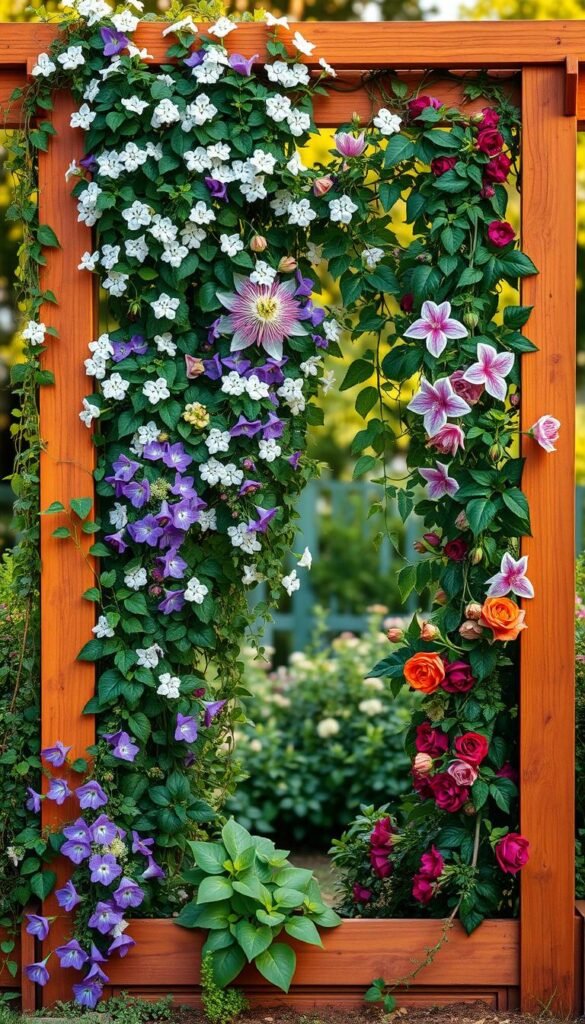
Looking to add both beauty and purpose to your growing space? Vertical supports unlock new possibilities for plant health and visual appeal. A well-designed trellis turns flat surfaces into thriving ecosystems while solving common space challenges.
Smart Vertical Solutions
Climbing varieties like pole beans or flowering vines need sturdy frameworks. Metal grids or wooden lattices give tendrils something to grasp while keeping leaves off damp soil. “My cucumbers stopped rotting once I added arches,” notes Michigan gardener Theo P.
These structures do double duty as privacy screens. Morning glories or sweet peas create living curtains when trained upward. Position them along seating areas or property lines for seasonal seclusion.
| Material | Best For | Weight Capacity | Aesthetic |
|---|---|---|---|
| Bamboo | Light vines | 15 lbs | Natural texture |
| Galvanized Steel | Heavy growers | 50 lbs | Modern lines |
| Cedar | Mid-weight plants | 30 lbs | Rustic charm |
| PVC | Temporary setups | 10 lbs | Clean simplicity |
Build teepee-shaped frames for playful focal points. Curved arches over pathways make harvesting easier. For small spaces, try foldable designs that store flat during winter.
Anchor supports deeply—at least 18 inches—for wind resistance. Space vertical posts 4 feet apart for most climbers. Pair these features with square-foot layouts to maximize every inch.
Kids love hiding under bean-covered tunnels. Let their play area double as a productive patch. As leaves fill in, you’ll enjoy fresh snacks and shaded relaxation spots.
Mixing Materials: How to Combine Wood, Stone, and Metal
Why settle for one material when your growing space can showcase a thoughtful blend? Combining wood, stone, and steel creates raised beds that dazzle the eye while standing up to decades of use. This approach lets you play with contrasts—think rugged stone bases paired with sleek metal accents or warm cedar frames hugging textured brick.
Balancing Aesthetics and Durability
Start with a stone foundation to prevent rot where soil meets structure. Top it with cedar planks for easy assembly and natural warmth. For modern flair, add corten steel corner brackets that develop a rust-toned patina over time. “My hybrid bed survived five New England winters without a wobble,” shares Rhode Island gardener Lena P.
Smart mixing also balances costs. Use affordable pressure-treated pine for hidden structural layers, then splurge on visible stone veneers. Here’s how pros pair materials:
- Stone + Wood: Natural elegance with rot-resistant base
- Steel + Brick: Industrial charm meets timeless appeal
- Recycled Plastic + Metal: Budget-friendly durability
Ensure materials expand and contract at similar rates. Leave 1/4-inch gaps between wood slats in humid climates. For seamless garden integration, match metal finishes to outdoor fixtures or let stone colors echo existing pathways.
Functional combos solve specific challenges. A stone-lined bottom third protects against burrowing pests, while wooden upper walls simplify planting adjustments. Metal edging along bed tops deters slugs and adds polished definition.
Incorporating Vertical Elements into Your Garden
What if your growing space could work smarter, not harder? Vining varieties turn bare walls and empty air into productive real estate. These climbers add texture and movement while boosting harvests—no extra square footage needed.
Choosing Vining Plants for a Lush Look
Tomatoes and cucumbers aren’t just tasty—they’re natural decorators. Their tendrils spill over edges like living curtains, softening hard lines. Peas climb trellises with delicate flowers before producing crunchy pods. “My scarlet runner beans became the talk of the block,” says Vermont gardener Micah L.
Mix textures for visual punch. Pair velvety sweet potato vines with feathery nasturtiums. Add purple hyacinth beans for pops of color. You’ll create depth that flat plantings can’t match.
| Plant Type | Growth Habit | Best For |
|---|---|---|
| Indeterminate Tomatoes | Sprawling | Arches & cages |
| Malabar Spinach | Twining | Shade tolerance |
| Passionflower | Climbing | Pollinator appeal |
| Winter Squash | Trailing | Ground-to-air growth |
Train plants early using soft ties. Guide stems toward supports before they tangle. In hot climates, position taller varieties to shade heat-sensitive greens below. Cooler regions? Let dark-leaved varieties absorb warmth for nearby peppers.
Choose varieties that thrive in your zone. Southern gardeners love heat-loving yardlong beans. Northerners succeed with quick-growing morning glories. Either way, you’ll transform functional beds into eye-catching displays.
DIY Tips for Building Your Own Raised Garden Beds
Ready to roll up your sleeves and create something lasting? Smart prep work separates successful builds from frustrating do-overs. Many first-timers rush into construction only to face avoidable headaches—like lumber that won’t fit in their sedan.
Measuring and Transporting Your Materials
Always measure twice—your car first. Bring a tape measure to the hardware store and check board lengths against your vehicle’s interior. A Colorado homeowner learned this the hard way: “My 10-foot planks stuck out the trunk—police pulled me over for unsafe loading.”
Delivery services cost less than you think. For bulky orders or metal sheets, $50-$100 can save hours of hassle. Some stores offer free shipping if you spend over $250—perfect for multi-bed projects.
Avoiding Common DIY Pitfalls
Skip flimsy fasteners that rust or snap. Galvanized screws outlast nails and withstand weather better. “My first bed collapsed because I used cheap staples,” admits a Michigan DIYer who rebuilt with corrosion-resistant hardware.
Budget extra time for unexpected snags. Warped boards might need trimming, or soil delivery could delay filling. Keep these essentials handy:
- Circular saw for precise cuts
- Carpenter’s square for right angles
- Shovel for last-minute leveling
With thoughtful prep, your build becomes a weekend triumph—not a month-long saga. Now grab those gloves and start crafting!
Exploring Non-Traditional Raised Bed Designs
Who says growing spaces need straight edges and right angles? Unconventional shapes breathe new life into small corners or urban balconies. These designs prove creativity thrives when you break free from traditional layouts.
Triangular, Bucket, and Window Box Options
Triangular beds fit snugly against fences or walls, maximizing underused areas. Try stacking staggered tiers for cascading herbs or strawberries. Old galvanized buckets become charming mini plots—drill drainage holes and fill with compact veggies like radishes.
Window boxes aren’t just for flowers. Mount them vertically on railings for salad greens or trailing nasturtiums. One Brooklyn gardener transformed fire escapes into a productive oasis using salvaged containers, proving even tiny spaces can flourish.
Repurposed materials add personality. Try hollowed logs for rustic charm or stacked cinder blocks painted in bold hues. For vibrant blooms, explore creative container gardening ideas that pair form with function.
These designs solve practical challenges while sparking joy. A cluster of angled beds creates visual movement in narrow side yards. Tiered buckets let you rotate crops easily. Best part? You control the scale—start small and expand as confidence grows.