
What if your home’s exterior could do double duty as a vibrant display of nature and a source of fresh meals? Elevating your outdoor space with structured planting areas offers a smart solution for homeowners seeking beauty and practicality. These creative setups blend colorful blooms with edible plants, turning underused spaces into eye-catching features that welcome visitors and nourish your household.
More Americans are embracing this approach to landscaping, merging aesthetics with functionality. Thoughtful layouts create visual harmony while addressing common growing challenges like poor soil quality or limited space. By using elevated planters, you gain better control over your soil composition and drainage—key factors for healthy crops.
Planning your setup requires considering local guidelines and sun exposure. For example, designing a functional layout might involve strategic placement to maximize growth while maintaining neighborhood aesthetics. Materials like cedar wood or stone borders add polished touches that complement your home’s architecture.
Beyond personal benefits, these installations often spark positive community interactions. Passersby might admire your thriving herbs or ask about your kale varieties. With smart maintenance choices—like using mulch to suppress weeds—you’ll spend less time working and more time enjoying your lush, productive oasis.
The Benefits of Raised Garden Beds for Your Home
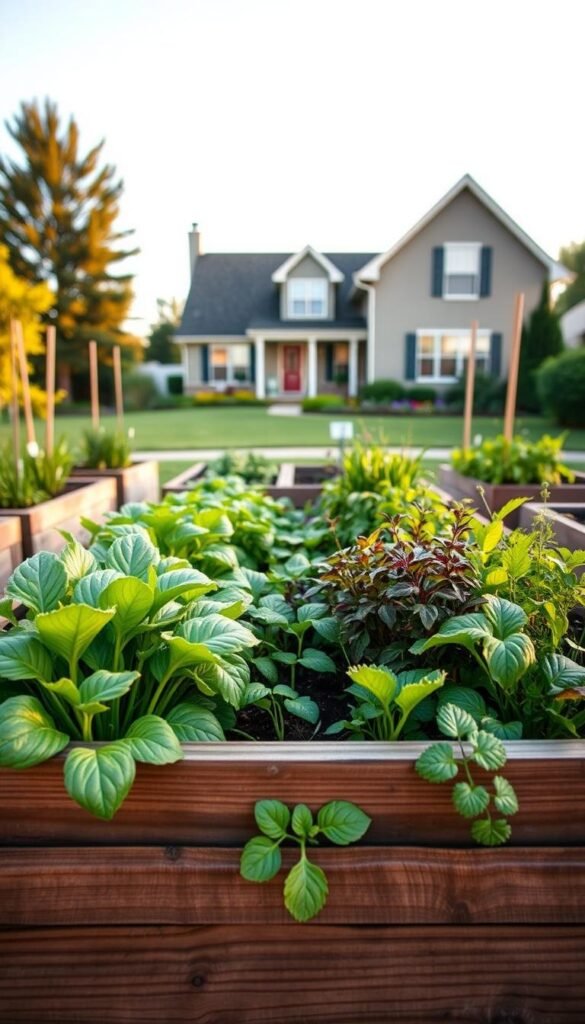
Elevated planting spaces aren’t just trendy—they’re a game-changer for comfort and productivity. Imagine tending to your favorite herbs without kneeling in dirt or straining your back. These structured setups adapt to your needs, whether you’re growing deep-rooted carrots or compact strawberries.
- Ergonomic design: Working at waist height means less bending—perfect for those with mobility challenges.
- Custom soil blends: Fill your bed with ideal mixtures for specific plants, avoiding compacted earth.
- Faster spring warmth: Soil in raised beds thaws quicker, letting you plant weeks earlier than neighbors.
Maintenance becomes simpler with clear boundaries between your garden and lawn. You’ll spend less time weeding and more enjoying your harvest. The controlled environment also helps deter pests—install protective mesh or copper tape with ease.
For those ready to start, our guide on how to build a raised bed simplifies the process. You’ll create a thriving space that enhances your home’s charm while producing fresh ingredients steps from your kitchen.
Enhancing Curb Appeal with Innovative Garden Designs
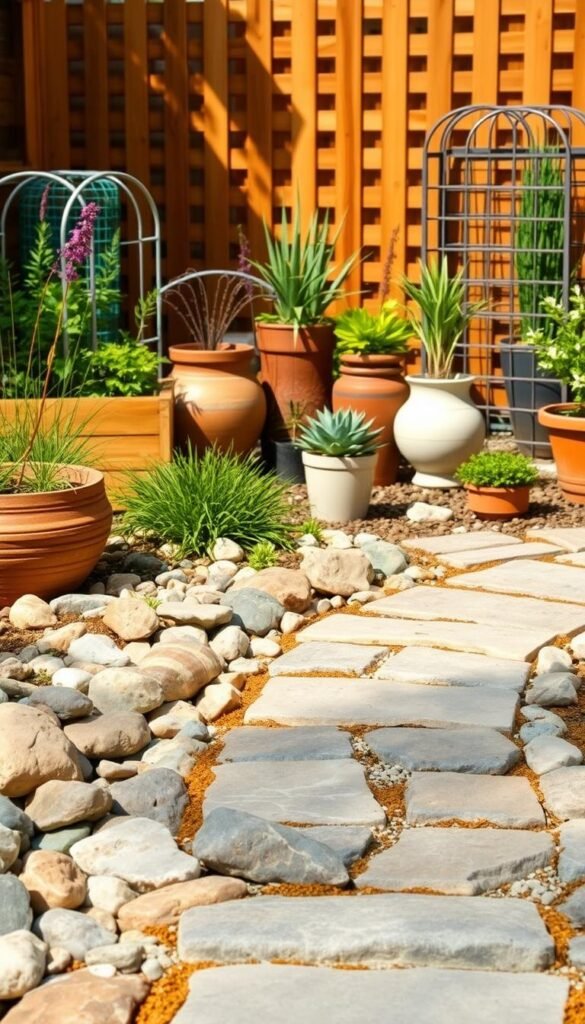
Transform your outdoor space into a visual masterpiece by blending functional growing areas with artistic elements. Strategic material selection and thoughtful color schemes turn practical planters into striking features that elevate your property’s charm.
Material Options for a Cohesive Look
Choose construction materials that mirror your home’s existing textures. A brick planter echoing your chimney or cedar matching your porch creates harmony. Consider these popular choices:
| Material | Benefits | Best For |
|---|---|---|
| Cedar | Natural decay resistance | Rustic & traditional homes |
| Corten Steel | Develops rust-colored patina | Modern industrial styles |
| Brick | Timeless durability | Colonial & cottage exteriors |
| Galvanized Aluminum | Lightweight & weatherproof | Contemporary spaces |
Color and Design Considerations
Your planters should complement—not compete with—your home’s exterior palette. Neutral tones like warm grays or earthy browns let seasonal blooms take center stage. Try these tips:
- Match trim colors: Paint metal edges to coordinate with shutters
- Softened edges: Curved beds balance angular rooflines
- Scale matters: Limit planter height to 1/3 of nearby windows
For homes with bold siding, consider muted planter shades that let architectural details shine. Sage green containers make leafy greens appear more vibrant, while terracotta pots enhance warm stone facades.
Choosing the Perfect Front Yard Location for Your Raised Beds
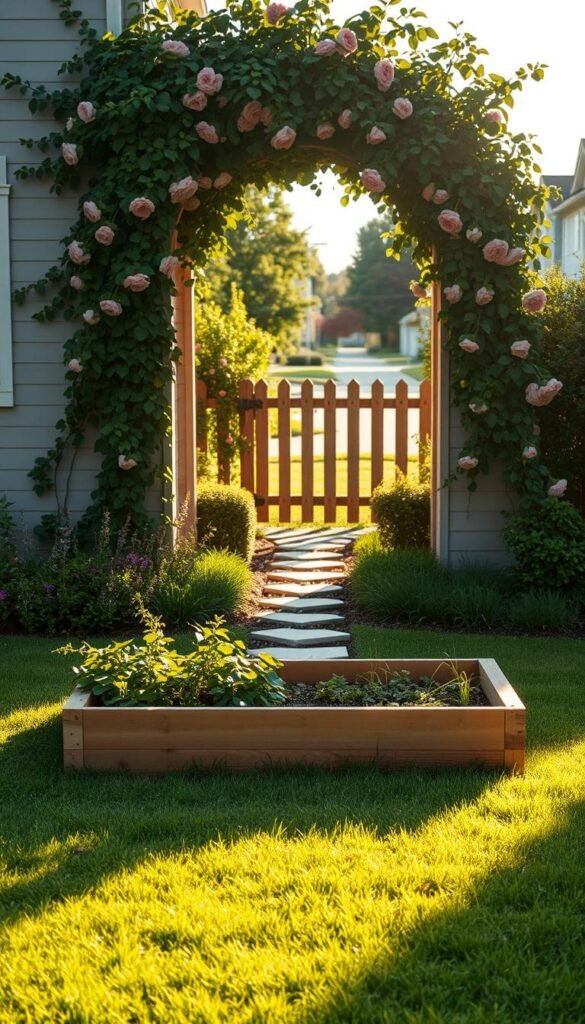
Positioning your planters strategically turns your outdoor area into a productive showcase. Start by tracking sunlight patterns—most veggies need 6-8 hours daily. Morning sun dries dew quickly, reducing disease risks, while afternoon shade protects delicate greens.
Think about visibility from your porch and street. Place beds where colorful lettuces or flowering herbs create welcoming views. Keep pathways clear—leave 3 feet between structures for comfortable movement.
| Factor | Ideal Condition | Quick Fix |
|---|---|---|
| Water Access | Within 15 ft of spigot | Use decorative rain barrels |
| Slope | Less than 5% grade | Build terraced beds |
| Tree Distance | 2x canopy height away | Install root barriers |
Watch where water pools after storms. Elevated planters help drainage, but soggy spots still harm roots. If your space has clay soil, mound beds slightly higher for better runoff.
Consider future growth—maple trees 20 feet away today might cast shadows in five years. Pair shallow-rooted flowers with deep vegetables to minimize competition. Smart placement now means fewer headaches later!
Clever Vertical Gardening Ideas for Limited Space
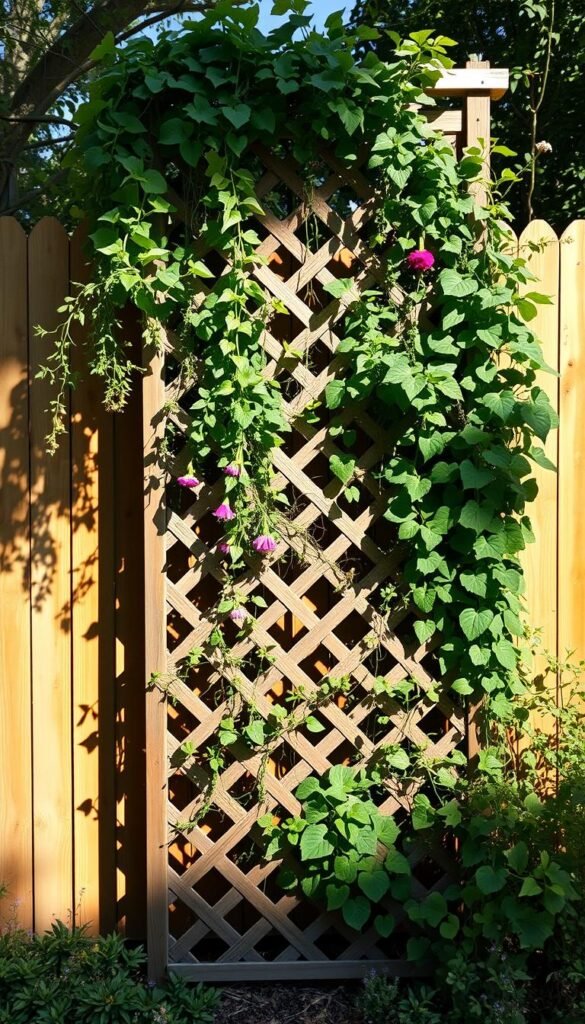
Looking up could be the secret to expanding your planting possibilities. Vertical elements let you grow more without sacrificing style, especially when working with compact areas.
Structures That Work Smarter
Trellises transform empty air into productive zones. They support climbing varieties like pole beans and flowering vines, creating living walls that save ground space. Choose materials that match your home’s character—rustic willow branches for cottage styles or powder-coated metal for modern settings.
| Benefit | Best Plants | Trellis Type |
|---|---|---|
| Space efficiency | Cucumbers, peas | Wire grids |
| Visual privacy | Morning glories, hops | Lattice panels |
| Seasonal interest | Clematis, scarlet runner beans | Obelisks |
You can train vines to grow upward using simple techniques. Soft plant ties gently guide stems without damaging them. As greenery fills in, these structures become natural screens that soften fences or hide utilities.
Don’t forget winter appeal! Bare trellises add architectural interest when paired with evergreen shrubs below. For step-by-step building ideas, explore our DIY trellises guide to create custom supports that fit your space perfectly.
Ergonomics and Accessibility: Gardening Made Easy
Transform your gardening routine from a chore into a pleasure with smart design choices. Elevated planters let you nurture plants without straining your back—simply stand comfortably while tending herbs or pruning tomatoes. A well-designed bed positioned at hip height reduces bending by 80%, according to recent ergonomic studies.
The Gronomics planter demonstrates this principle perfectly. Crafted from western red cedar and sealed with food-safe tung oil, its 36-inch height allows easy access for all ages. You’ll notice less stiffness after planting sessions, especially when using tools within arm’s reach.
Four key advantages make these setups revolutionary:
- Stand upright to water, weed, or harvest
- Roll wheelchairs or walkers directly under edges
- Spot pests early with eye-level observation
- Extend growing seasons through better posture
Families find multi-generational participation increases when grandparents can comfortably join in. Maintenance becomes quicker too—no more crawling to reach sprawling squash vines. Pair your setup with a square-foot gardening layout for maximum efficiency in limited spaces.
By prioritizing accessibility, you create a welcoming space that keeps everyone gardening longer. Your back will thank you after the first harvest!
DIY Projects: Front Yard Garden Bed Ideas for Beginners
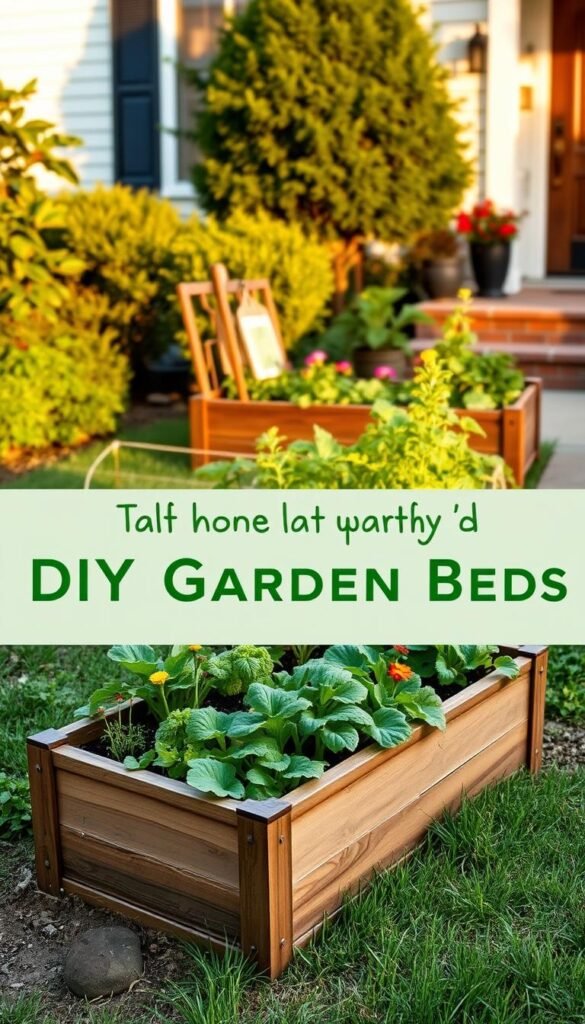
Unlock your outdoor potential with simple projects that balance creativity and practicality. Even novice builders can craft beautiful planters using basic materials and clever repurposing techniques. Let’s explore how to create eye-catching spaces without breaking the bank or requiring professional skills.
Budget-Friendly and Simple Projects
Start with untreated cedar boards and corner brackets for classic rectangular designs. These materials resist rot and require minimal tools—just a drill and saw. Australian gardener Ashenden Burke proves how wooden planters add depth to compact spaces while maximizing produce output.
| Material | Project Type | Time Required |
|---|---|---|
| Concrete Blocks | Stackable planters | 1 hour |
| Galvanized Troughs | Instant raised beds | 30 minutes |
| Recycled Pallets | Vertical herb gardens | 2 hours |
Jenn and Josh Choate’s galvanized trough idea demonstrates rustic elegance with zero construction. Simply drill drainage holes and fill with soil—instant charm for patios or pathways. For awkward corners, try triangular beds using scrap wood. These shapes add visual flair while fitting snugly against fences or walls.
Build confidence with small projects before tackling complex designs. A 4×4-foot cedar box makes a perfect starter bed for organic gardening. As skills grow, experiment with hexagons or tiered planters that double as seating areas.
Front Yard Raised Garden Beds: Improve Curb Appeal While Growing Food
Your home’s entrance sets the tone for visitors—why not make it unforgettable? Strategically positioned planting areas near walkways create living welcome mats bursting with color and flavor. Imagine guests admiring scarlet runner beans cascading over trellises while sniffing aromatic lavender bordering your path.
Edible landscapes shine when combining practical and decorative elements. Try this mix for maximum impact:
| Visual Stars | Productive Plants | Seasonal Interest |
|---|---|---|
| Ornamental kale | Rainbow chard | Spring blooms |
| Nasturtiums | Purple peppers | Fall foliage |
| Red-stemmed rhubarb | Golden tomatoes | Winter structure |
“The magic happens when edible and ornamental plants support each other,” notes landscape designer Mara Lee. Her clients often use ruby-hued lettuces as border plants, replacing traditional impatiens with vitamin-rich alternatives.
Structured planters near porches demonstrate thoughtful design while serving daily needs. You’ll harvest basil for dinner salads just steps from your kitchen. Neighbors might pause to compliment your dwarf fruit trees or ask about vertical strawberry towers.
- Frame entryways with tiered planters featuring thyme and marigolds
- Use symmetrical layouts to echo architectural details
- Edge pathways with compact blueberry bushes
This approach transforms underused spaces into vibrant, functional displays. Your creative setup becomes a neighborhood talking point—proving beauty and productivity thrive side by side.
Design Tips for a Harmonious Front Yard Landscape
Creating visual harmony in your outdoor space requires balancing living elements with structural features. Start by connecting planting areas with pathways that guide the eye while making maintenance easier. Materials like brick or flagstone add texture and tie your design to your home’s architecture.
Integrating Hardscaping Elements
Pathways do more than prevent muddy shoes—they create rhythm in your layout. Choose pavers that mirror your home’s existing materials for seamless integration. Consider these options:
| Material | Benefits | Style Match |
|---|---|---|
| Flagstone | Natural irregular shapes | Rustic cottages |
| Concrete | Custom colors & finishes | Modern builds |
| Reclaimed brick | Vintage charm | Traditional homes |
Add depth by varying bed heights. A three-tier planter near your porch draws attention upward, while low borders keep sightlines open. Stone steps between levels make steep slopes both functional and inviting.
Using Raised Beds as Focal Points
Anchor your layout with bold geometric planters that command attention. Position large rectangular beds parallel to walkways, then flank them with curved herb spirals. This contrast emphasizes your design’s intentionality.
Try these strategies:
- Frame specimen trees with circular planters
- Use angular beds to echo window shapes
- Plant trailing strawberries over rounded edges
Remember: your hardscape and plants should enhance each other. Pair sleek metal planters with feathery ornamental grasses, or match rough stone with spiky succulents. The right combinations turn practical spaces into artful displays.
Creative Shapes and Layouts to Maximize Your Gardening Space
Break free from basic rectangles and unlock your outdoor area’s full potential with inventive configurations. Australian gardener Ashenden Burke proves even compact plots can thrive when using clever designs—his hexagonal wooden planters add dimension while conserving valuable real estate.
Geometric shapes solve spatial puzzles effortlessly. Try these approaches:
- Corner-friendly L-shapes: Transform unused nooks into productive zones
- Tiered triangles: Create cascading levels for herbs and flowers
- Curved edges: Soften angular architecture while improving access
Multiple small garden beds outperform single large ones. Separate mint from tomatoes to control spreading roots, or group moisture-loving greens away from drought-tolerant herbs. This strategy simplifies care and boosts plant health through tailored growing conditions.
Pathways become design features when winding between uniquely shaped planters. Gravel walkways lined with creeping thyme invite exploration, while stepping stones through a cluster of circular raised garden setups add playful charm. “The right layout turns functional spaces into living art,” notes landscape designer Mara Lee.
For tight areas, pair vertical elements with square-foot gardening plans. A three-tiered planter against a fence grows strawberries, lettuce, and trailing nasturtiums without crowding. Your space will feel larger while producing surprising variety—all through smart shape selection.
Using Color to Transform Your Outdoor Area
Your outdoor space becomes a living canvas when you play with color combinations. Bright blooms like red roses and golden black-eyed Susans create instant visual energy. Mix these with purple sage or silverdust licorice plants for contrast that lasts beyond flowering seasons.
Bolivian rainbow peppers offer double rewards—fiery hues and edible spice. Their shifting colors from purple to orange make them stand out among greenery. Pair them with marigolds or nasturtiums for a vibrant display that pollinators love.
Don’t forget foliage! Plants like coral bells and coleus bring rich tones even without flowers. Chartreuse leaves brighten shady corners, while deep burgundy varieties add depth to sunny spots. Layer textures and heights for maximum impact.
Seasonal rotations keep your setup dynamic. Spring tulips give way to summer zinnias, followed by autumn chrysanthemums. This approach maintains interest while supporting local ecosystems. Your creative choices turn functional areas into artistic statements that reflect personal style.