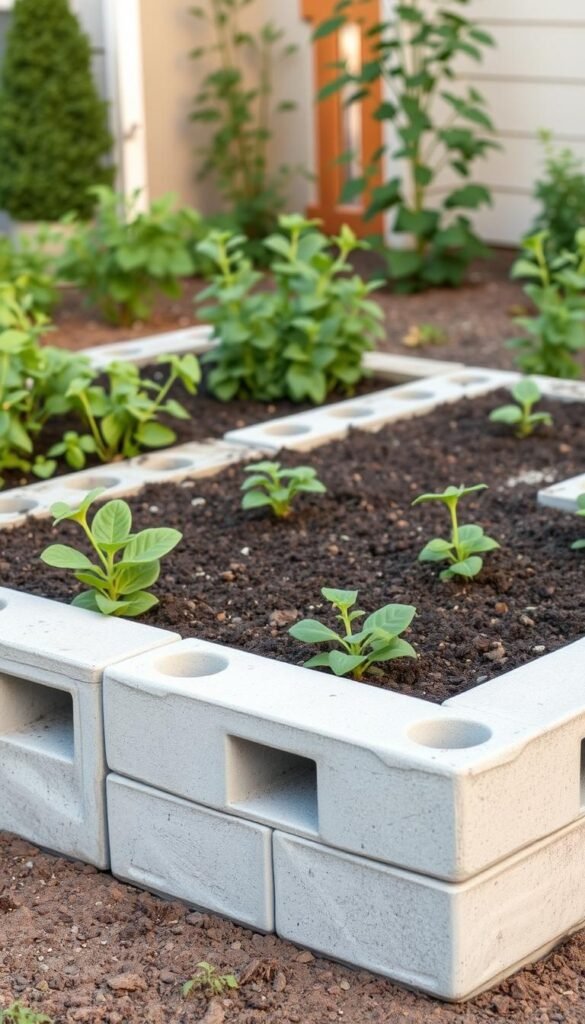
Does your outdoor area feel lifeless? A dull yard can drag down your home’s curb appeal. But transforming your space doesn’t require fancy materials or expert skills. With a few concrete blocks and creativity, you can build a thriving plant paradise that lasts for years.
These versatile blocks offer a simple solution for anyone wanting to grow flowers, herbs, or veggies. Their weight and shape create natural barriers to keep soil in place while resisting rot and pests. You can arrange them in straight lines, curves, or even tiered designs—no mortar needed.
Best of all, this approach works for small patios or sprawling backyards. Whether you’re new to gardening or a seasoned pro, the setup adapts to your needs. Add paint for a pop of color or leave them raw for an industrial-chic look.
Ready to turn that empty corner into a lush retreat? Let’s explore how this method combines practicality with style, giving your plants a stable home without draining your wallet.
Cinderblock Raised Garden Beds: Sturdy, Affordable, and Flexible – What You Need to Know
Ever wondered why so many gardeners swear by elevated planting spaces? These structures keep roots happy with better airflow and water flow. They also create a clear boundary that deters slugs and burrowing animals naturally.
Concrete building units shine when compared to wood or plastic. Unlike rot-prone timber, they won’t warp or decay over time. Their weight prevents shifting during heavy rains, while hollow centers can store tools or host trailing plants.
| Material | Durability | Cost | Customization |
|---|---|---|---|
| Wood | 3-5 years | $$ | Limited shapes |
| Metal | 5-8 years | $$$ | Fixed panels |
| Concrete Blocks | 15+ years | $ | Unlimited layouts |
Need to fit greenery into awkward corners? Stack these units vertically for tiered herb gardens or arrange them around patio edges. Their modular design lets you expand later if your plant collection grows.
Beyond practicality, this materials choice adds texture to yards. Pair them with colorful annuals or sleek succulents for visual contrast. You’re not just building a planting area – you’re crafting a landscape feature that ages gracefully.
Why You Should Choose Cinderblock Garden Beds for Your Outdoor Space
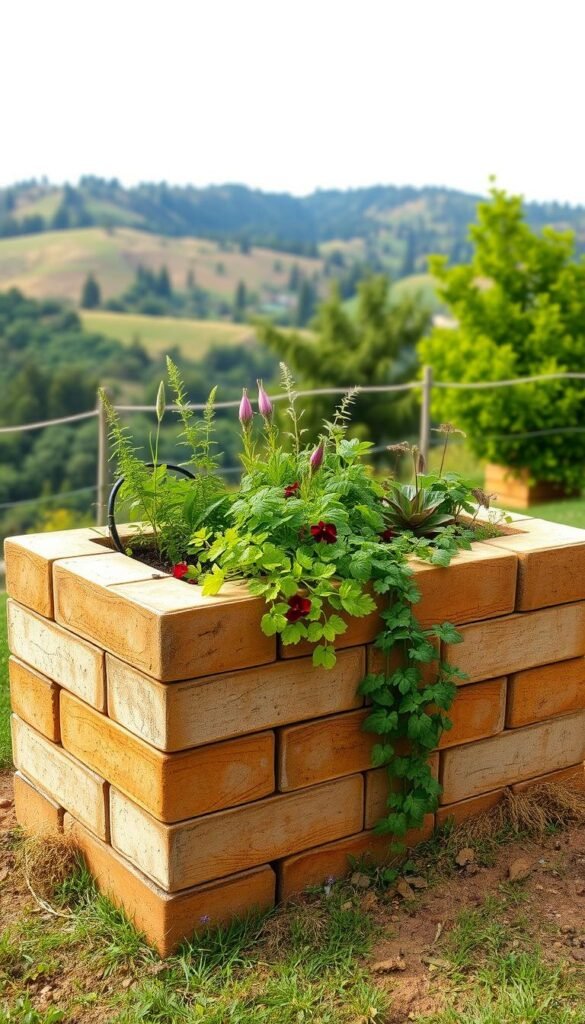
Looking for a garden solution that grows with your needs? Modern concrete blocks offer lasting value and creative freedom you won’t find with traditional materials. Unlike older versions made with coal ash, today’s blocks use eco-safe components that protect your soil while standing up to harsh weather.
Durability and Customization Benefits
These building units laugh at rain, snow, and scorching sun. While wooden beds rot in 3-5 years, concrete versions keep their shape for decades. Their hollow centers aren’t just structural – they’re bonus real estate for herbs like thyme or cascading flowers.
Want to experiment with layouts? Arrange them in zigzags, circles, or multi-level displays. You can even match your home’s style by painting them or leaving them raw for urban charm. The modular design adapts as your plant collection expands.
Cost-Effective and Versatile Designs
At under $2 per block, this approach costs less than metal or composite alternatives. Need proof? A 4×8-foot setup often runs 60% cheaper than cedar boards. Pair them with square-foot gardening setups for maximum efficiency.
Concerned about lime affecting your tomatoes? Don’t sweat it. The slight pH shift actually helps neutralize acidic soils over time. Plus, the industrial look pairs perfectly with both cottage-style blooms and sleek succulent arrangements.
Whether you’re crafting a compact kitchen plot or a sprawling flower display, these blocks deliver smart solutions. They’re not just functional – they’re design elements that make your outdoor space uniquely yours.
Exploring a Variety of Raised Garden Bed Ideas
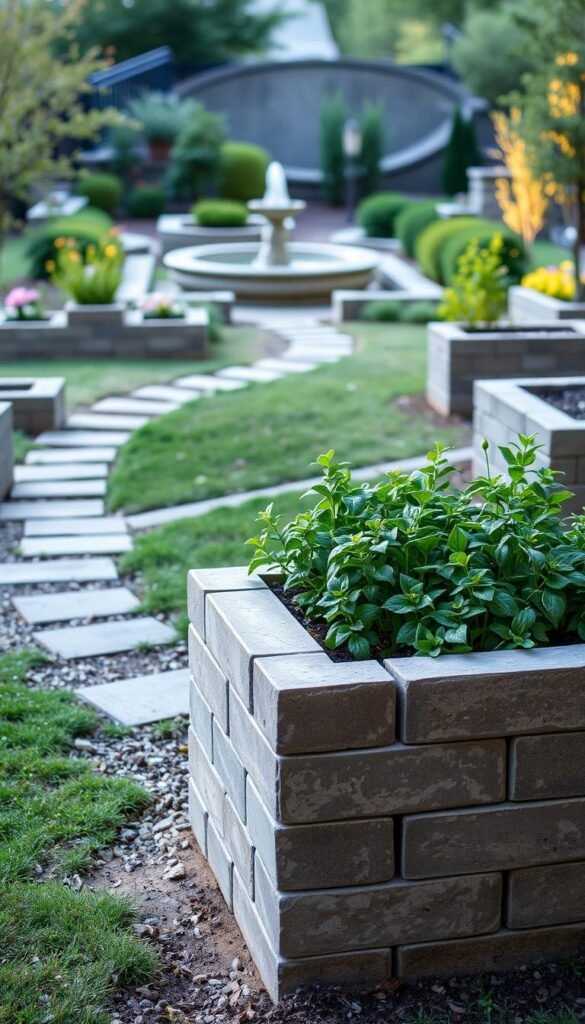
Imagine hosting friends around a sizzling grill that doubles as a planter. Concrete blocks aren’t just for growing greens—they’re your ticket to crafting multipurpose outdoor features. Let’s dive into unexpected ways to blend function and style in your yard.
From BBQ Grills to Outdoor Bars
Why settle for ordinary when you can build a cooking station that grows herbs? Stack blocks in a U-shape, add a grill grate, and fill hollow spaces with heat-loving plants like rosemary. The concrete retains warmth for even cooking while giving trailing vines a place to thrive.
Thirsty for more? Create a bar counter using the same materials. Lay blocks as legs, top with weather-resistant wood, and tuck mint or basil into side openings. You’ll mix cocktails steps away from your fresh garnishes—perfect for summer gatherings.
Creative Plant Display and Seating Concepts
Turn seating into planting zones by arranging blocks into benches with built-in soil pockets. Stuff them with colorful annuals or aromatic lavender. The weight keeps furniture stable, while the textured look complements both modern and rustic decors.
For vertical flair, stack units into shelving that holds potted succulents or strawberries. Pair these with raised bed garden ideas to create cohesive zones for relaxation and growth. Every corner becomes an opportunity to merge beauty with purpose.
Whether you’re crafting a firepit surround with integrated herb pockets or designing tiered displays for veggies, these blocks adapt to your vision. They prove that practicality and creativity can grow side by side—literally.
How to Build a Raised Garden Bed with Cinder Blocks
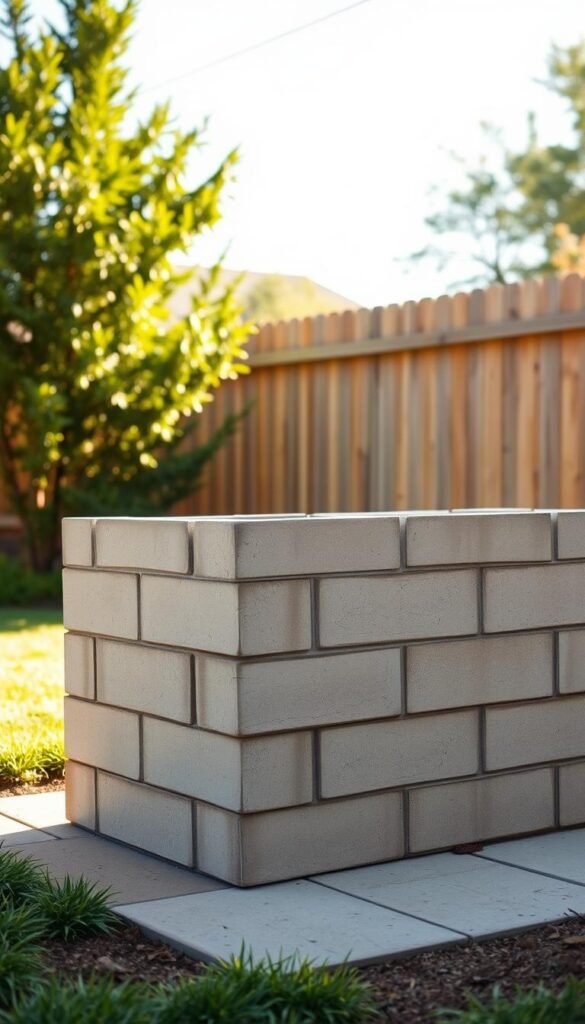
Ready to roll up your sleeves? Building your own planting space takes less effort than you might think. With basic tools and smart stacking techniques, you’ll create a lasting structure that keeps plants thriving for seasons to come.
Essential Materials and Tools
Start with standard 8x8x16-inch concrete blocks – they’re widely available at home improvement stores. You’ll need 12-16 blocks for a 4×4-foot bed. Grab a shovel, rubber mallet, and 4-foot level for setup. Don’t forget gardening gloves and a tarp for soil mixing!
Optional items include landscape fabric (to line the base) and cap blocks for a polished top edge. Pro tip: Buy 10% extra materials to account for uneven terrain or future expansions.
Step-by-Step DIY Construction Tips
1. Clear your site: Remove grass and rocks from a flat area. Use stakes and string to mark your layout.
2. Lay the first course: Position blocks end-to-end, checking alignment with your level.
3. Stack strategically: Offset second-layer blocks over gaps for stability – no mortar needed.
4. Fill with soil: Mix 60% topsoil, 30% compost, and 10% sand for ideal drainage.
Need help calculating soil? Multiply bed length × width × height (in feet), then divide by 27 to get cubic yards. A 4x4x1-foot bed needs about 0.6 cubic yards – perfect for tomatoes or peppers.
Finish by watering the soil thoroughly before planting. Within hours, you’ll have a custom growing space that outlasts wooden alternatives. Time to get those hands dirty!
Designing for Improved Drainage and Soil Health

Healthy roots start with smart soil management. Elevated planting areas give you complete control over moisture levels and nutrient balance. This balance helps your garden bed thrive in both desert droughts and swampy conditions.
Optimizing Soil Mixtures
The perfect blend depends on what you’re growing. For most vegetables, mix 50% topsoil with 30% compost and 20% coarse sand. Leafy greens prefer extra compost, while succulents need more grit. Test your mix by squeezing it – it should hold shape briefly before crumbling.
Effective Drainage Solutions
Prevent soggy roots by adding a 2-inch gravel layer beneath your soil. In clay-heavy areas, mix in perlite or shredded bark. Sandy soils benefit from coconut coir to retain moisture. Check drainage by watering deeply – puddles should disappear within 10 minutes.
Seasonal adjustments keep your garden productive year-round. Add worm castings in spring for seedlings, then mulch with straw during summer heat. Come fall, work in chopped leaves to boost organic matter. These tweaks help create the Goldilocks zone – not too wet, not too dry.
Remember: taller beds drain faster. Keep moisture-loving plants like lettuce in lower tiers, and drought-tolerant herbs up high. With the right setup, you’ll spend less time watering and more time harvesting.
Innovative Uses for Cinder Blocks in Garden Design

Looking to add structure and style to your yard? Concrete building units do more than hold soil—they become design elements that organize your outdoor areas. Let’s explore how these versatile blocks can shape your space while showcasing your favorite plants.
Building Garden Walls That Work Harder
Create crisp borders using stacked blocks. A low wall defines flower beds while preventing mulch from washing away. For slopes, stagger units like bricks to form terraced levels. The hollow centers? Perfect pockets for tucking succulents or trailing vines.
Stackable Shelves for Vertical Growth
Turn blank walls into living art. Alternate block orientations to craft floating shelves for herbs or annuals. Three-tier setups give shade-loving ferns height, while sun-worshipping strawberries bask on upper levels. Bonus: These airy structures improve airflow around plant roots.
Short on ground space? Build upward. A 4-foot tower holds 12+ pots without crowding walkways. Use the open sides to hang tools or solar lights. This approach turns cramped corners into lush focal points.
Want a cohesive look? Paint blocks to match your patio furniture or leave them natural for rustic charm. Either way, you’re creating a custom layout that evolves with your gardening ambitions. Time to reimagine what concrete can do!
Embracing Versatile Garden Layouts and Custom Configurations
Struggling to make the most of your unique outdoor space? Concrete building units let you craft layouts that match your vision perfectly. Their modular nature means you’re not stuck with straight lines or fixed sizes – arrange them to complement your yard’s quirks and curves.
Create L-shaped corners to frame patios or U-shaped designs that hug existing trees. Multi-level setups add depth to sloped areas while keeping herbs and flowers within easy reach. Each hollow center becomes a mini-planter for trailing plants or decorative accents.
| Layout Type | Best For | Space Needed |
|---|---|---|
| Linear Rows | Vegetable plots | Narrow strips |
| Tiered Stack | Sloped yards | Vertical space |
| Curved Patterns | Flower displays | Wide areas |
Need to expand later? Simply add more units to your existing structure. This adaptability shines when pairing planting zones with creative gardening ideas like integrated benches or winding pathways. Your setup grows as your green thumb skills improve.
Even tricky spots become opportunities. Use staggered blocks to terrace steep hillsides or build floating shelves against blank walls. The weight prevents shifting, while the textured surface blends with both modern and rustic decors. Your outdoor area transforms into a living puzzle where every piece has purpose.
Creative Outdoor Features Beyond Traditional Beds
What if your backyard could do more than grow veggies? Concrete blocks unlock possibilities that blend warmth, wildlife support, and vertical beauty. Let’s reimagine these humble materials as tools for crafting multifunctional spaces that delight both people and pollinators.
Cozy Fireplaces for Year-Round Enjoyment
Transform spare blocks into a rustic firepit that doubles as a conversation hub. Stack them in a square pattern, leaving gaps for airflow. Add a metal fire bowl, and you’ve got instant ambiance. The heat-resistant material withstands flames while creating a natural bench for roasting marshmallows.
Vertical Gardens That Maximize Space
Turn blank walls into blooming masterpieces. Arrange blocks horizontally with open ends facing outward. Fill each cavity with soil and trailing plants like petunias or ivy. This space-saving trick brings floral charm to patios without sacrificing walking room.
Insect Hotels That Boost Biodiversity
Help beneficial bugs thrive by building shelters from stacked blocks. Fill hollow centers with pinecones, bamboo stalks, and untreated wood scraps. Ladybugs and solitary bees will move in, naturally controlling pests in your garden.
These projects prove concrete isn’t just functional—it’s a canvas for creativity. Whether you’re crafting a flickering fireplace or a buzzing habitat, every feature adds character while solving practical challenges. Your outdoor space becomes a living showcase of smart design.
Enhancing Your Backyard with Modular Garden Solutions
Want to transform your outdoor space into a multi-functional retreat? Modular designs let you blend relaxation and greenery in smart, adaptable ways. By combining seating, planting zones, and display areas, you create a backyard that works as hard as you play.
Seating That Grows With You
Turn basic blocks into comfy benches by stacking them and adding weather-resistant wood planks. This simple solution creates instant seating next to your favorite garden bed. Tuck herbs like mint or oregano into the hollow centers for fresh scents underfoot.
These setups shine in small yards. Rotate sections seasonally—face seating toward the sun in winter, then shift for shade during summer picnics. Pair them with square-foot gardening layouts to maximize every inch.
Need more flexibility? Leave gaps between blocks for hanging lanterns or trailing vines. Swap cushion colors as your style evolves, or add a pop-up canopy for rainy days. Your backyard becomes a living room that adapts to your mood.