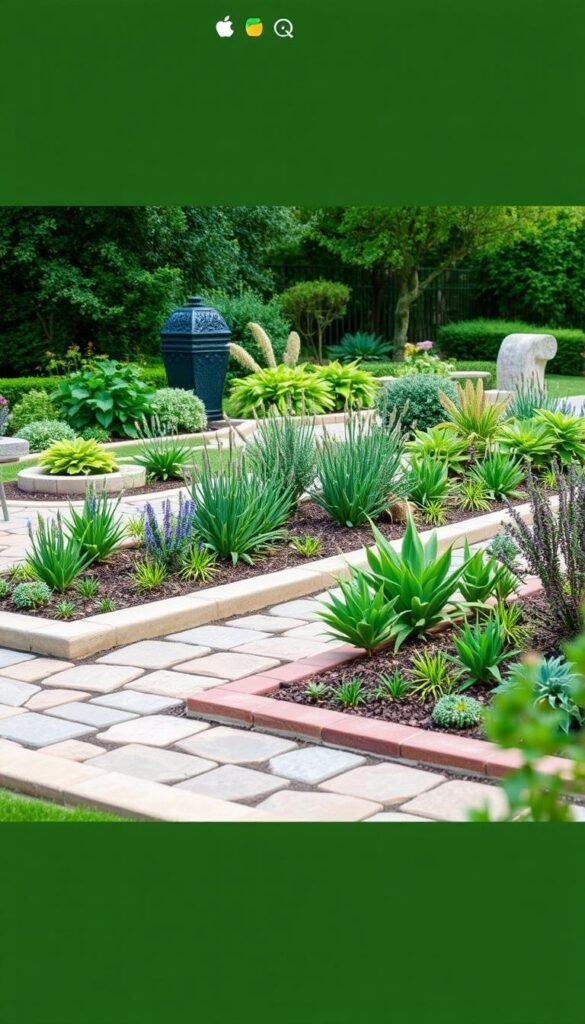
A well-defined landscape gives your yard structure while showcasing your plants. Garden edging acts like a frame for your outdoor canvas, separating flowerbeds from grass and keeping mulch where it belongs. It’s not just about looks—proper borders reduce maintenance by preventing soil erosion and stopping weeds from creeping into unwanted areas.
You don’t need complex tools or expensive materials to create crisp lines. From recycled items like glass bottles to durable options like stone pillars, creative garden edging ideas blend practicality with personality. Even simple solutions, such as hand-cut trenches or cedar posts, can transform messy edges into polished features.
Choosing the right method depends on your style and budget. For example, weathering steel develops a rustic patina over time, while gravel trenches offer a casual look. If you’re working on a tight budget, consider repurposing materials like untreated lumber—a strategy often used in budget-friendly raised beds.
This guide explores techniques that balance durability with visual appeal. You’ll learn how to install borders that stay tidy for years, letting you spend less time fixing messy edges and more time enjoying your outdoor oasis.
The Benefits of Garden Edging for Your Outdoor Space
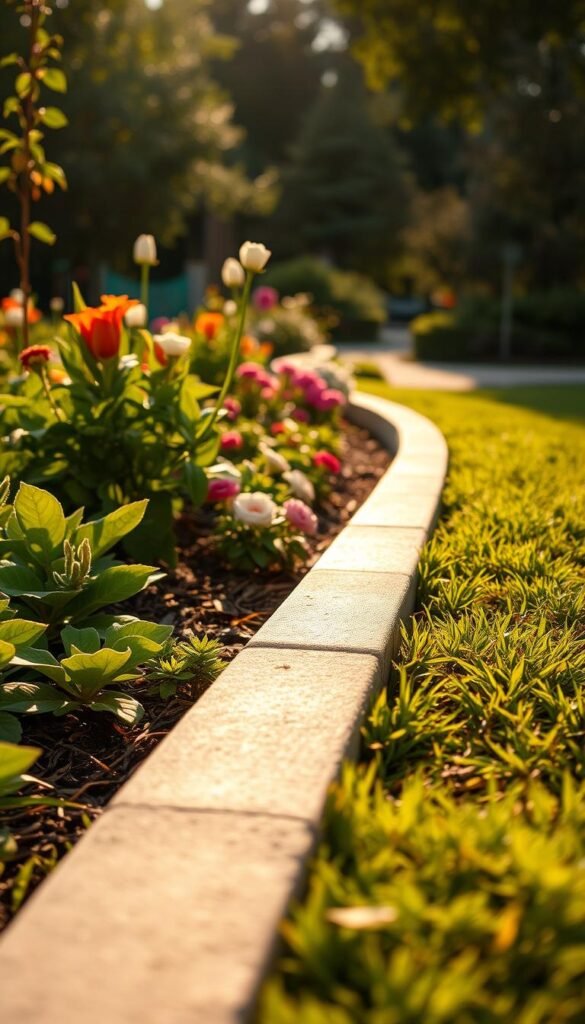
A tidy garden starts with defined borders that serve both beauty and function. Garden edging keeps your flower beds distinct from the lawn while adding structure to your outdoor space. It’s like giving your plants a frame that highlights their natural beauty.
One major advantage? Edging stops grass from invading your flower beds. You’ll spend less time pulling weeds and more time enjoying your garden’s crisp lines. Plus, it keeps mulch where it belongs—nourishing plants instead of littering walkways.
Proper borders also prevent soil erosion during heavy rains. By directing water to plant roots, edging helps your greenery thrive. No more muddy puddles or washed-out pathways after a storm!
Over time, sturdy edging materials maintain the shape of your beds. Whether you choose stone, metal, or wood, borders withstand weather changes without losing their charm. Your garden stays picture-perfect with minimal effort.
Understanding Low-Maintenance Garden Edging
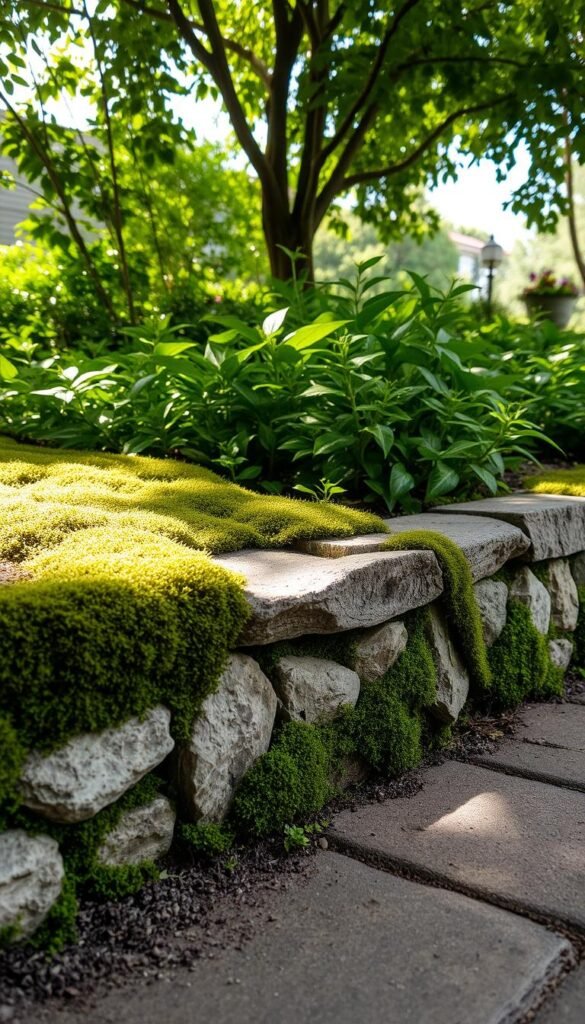
Smart landscaping solutions save time while boosting curb appeal. The right edging creates crisp lines that define your garden beds without demanding constant attention. It’s about balancing practicality with style—materials that endure weather shifts while letting your greenery shine.
Minimal Labor and Lasting Appeal
Durable materials like powder-coated metal or composite plastics resist rust and rot. These options stay put for years, needing only occasional debris removal. For example:
- Steel strips bend easily around curves but won’t warp
- Recycled plastic borders mimic wood grain without staining
- Concrete pavers lock together for seamless stability
You’ll appreciate how these choices reduce weekend chores while keeping your lawn and flower beds distinct.
How Edging Enhances Plant Definition
Clear boundaries guide root growth and prevent overcrowding. When your plants have space to thrive, they reward you with vibrant blooms and lush foliage. A well-edged garden also stops grass from sneaking into flower beds, ensuring each element stays picture-perfect.
Weather-resistant options adapt to seasonal changes, so your landscape looks intentional year-round. Whether you prefer subtle trenches or bold stone borders, smart edging elevates your outdoor space effortlessly.
Low-maintenance ways to install garden edges and borders for neat outdoor spaces
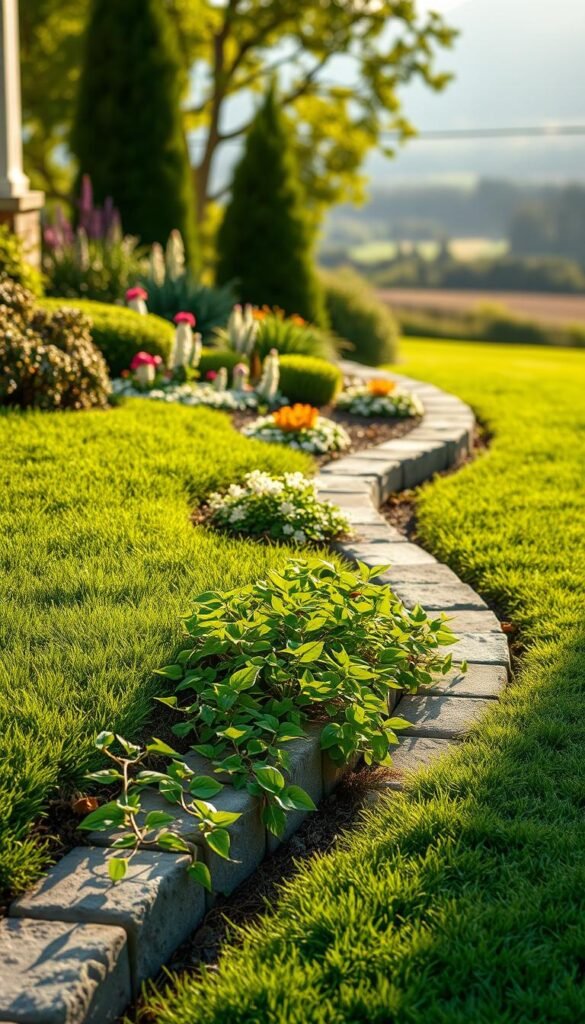
Creating crisp boundaries in your landscape doesn’t have to be complicated. With the right approach, you can achieve polished results that hold up through seasons. Let’s break down how to set up edging that stays put with minimal upkeep.
Step-by-Step Installation Tips
Begin by marking your desired border lines with string or chalk. Clear the area of grass roots and rocks—this prevents uneven settling later. A sharp spade works best for carving clean trenches.
Most materials need a 4-6 inch deep trench. Check your soil type: sandy ground may require deeper placement. Use a rubber mallet to secure pieces snugly, and keep a level handy to avoid wavy lines.
Selecting the Right Materials for Your Garden
Plastic strips offer easy install but suit mild climates best. In frost-prone areas, consider steel or stone—they resist heaving from freeze-thaw cycles. Heavy-duty options like powder-coated metal bend around curves without warping.
Balance durability with your style. Recycled composite mimics wood grain without rotting. For garden beds needing definition, interlocking pavers create seamless edges that block weeds effectively. Your choice should match both your vision and local weather patterns.
Exploring a Variety of Garden Edging Materials
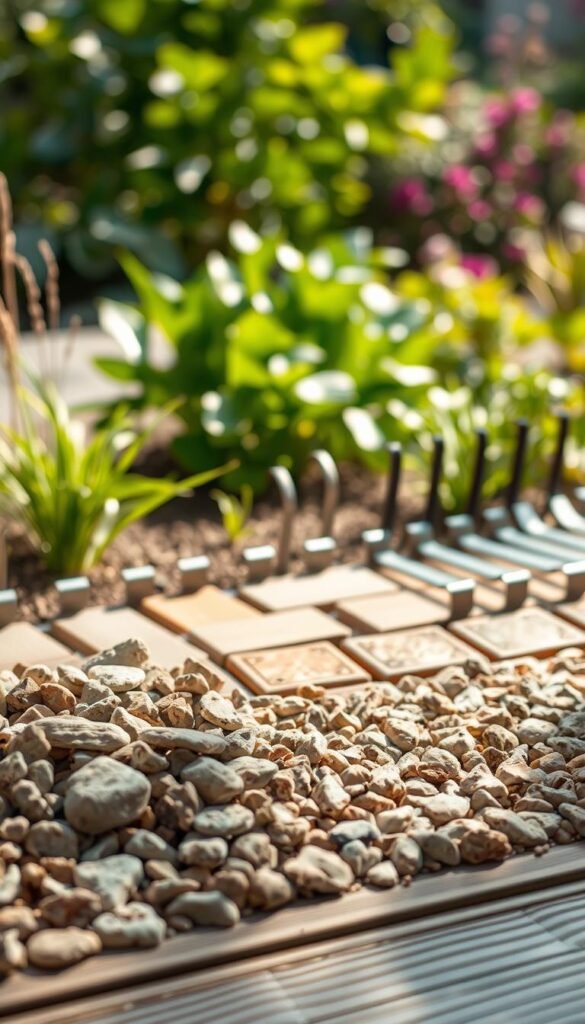
Your landscape’s personality shines through the materials you choose. Whether you crave modern minimalism or rustic charm, the right edging elevates your design while keeping maintenance manageable. Let’s dive into popular options that balance style and practicality.
Plastic, Metal, and Wood Options
Plastic edging wins for affordability and ease of installation. It bends smoothly around curves and comes in earthy tones to blend with your garden. While not as eye-catching as pricier picks, it’s a workhorse that lasts decades with zero upkeep.
For sleek durability, metal strips like corten steel develop a warm rust-colored finish over time. Aluminum stays lightweight but resists bending. Wooden borders add organic warmth—cedar naturally repels pests, while pressure-treated lumber handles moisture better.
Stone, Gravel, and Terracotta Choices
Natural stones bring timeless texture to flower beds. Stack fieldstones for a rustic wall or line pathways with flat slate pieces. Pair them with hidden plastic strips to prevent shifting.
Gravel trenches excel in dry climates, allowing water to drain freely. Terracotta scallops introduce Mediterranean flair—their curved edges soften walkways while containing soil effectively. Both options mix beauty with functional simplicity.
Budget-Friendly DIY Garden Edging Ideas
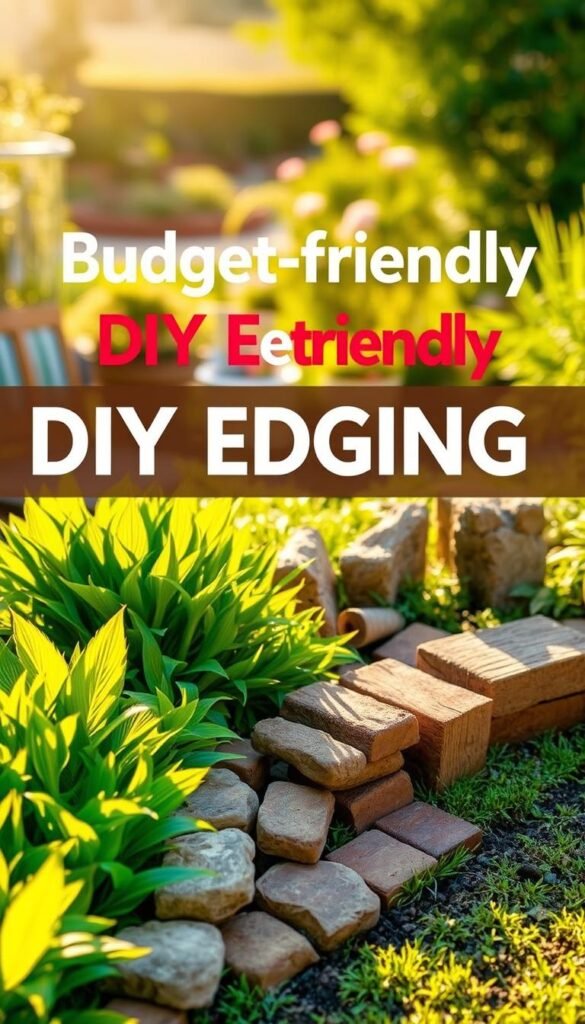
Transform everyday items into eye-catching boundaries that save money and reduce waste. With a little creativity, you can craft edging solutions that reflect your personality while keeping your garden organized. Let’s explore how to turn discarded objects into functional art.
Creative Uses of Recycled Materials
Empty glass bottles become sparkling borders when buried neck-down. Arrange them in color patterns or mix shades for playful contrast—this eco-friendly option costs pennies and adds whimsy to flower beds. Just ensure glass edges sit below soil level for safety.
For a rustic vibe, split logs from fallen trees make charming natural dividers. Cut branches into uniform slices or use whole trunks for raised beds. They’ll weather gracefully while blending with your landscape.
- Hand-cut trenches: Use a sharp spade to carve clean lines—perfect for expanding beds as plants grow
- Salvaged bricks: Stack them sideways in zigzag patterns for cottage-style charm
- Upcycled tires: Paint and half-bury them to create circular planters with built-in edges
Before starting your DIY project, sketch layouts and measure twice. Remove sharp edges from recycled items, and avoid treated wood near edible plants. With smart prep, your handmade borders will stay tidy for seasons.
Enhancing Your Garden with Natural Edging Elements
Nature offers the perfect blueprint for defining your garden’s character. Natural edging materials like stones, wood, and gravel blend effortlessly with your plants, creating boundaries that feel organic rather than artificial. These elements add texture and warmth while keeping your landscape cohesive.
River rocks or fieldstones create crisp lines that frame flower beds with timeless elegance. Their rugged surfaces develop a weathered look over time, complementing both cottage-style and modern gardens. For coastal vibes, arrange driftwood pieces along pathways—their silvery-gray tones contrast beautifully with lush greenery.
Consider these earth-friendly options:
- Gravel trenches: Ideal for drainage-heavy areas, they prevent soil erosion while adding subtle definition
- Living borders: Low-growing herbs or ornamental grasses soften edges and attract pollinators
- Log slices: Recycle fallen branches into circular dividers that decompose naturally
Want to add artistic flair? Pair stone edges with DIY garden art projects for a personalized touch. The key lies in choosing materials that mirror your garden’s existing textures. Over time, moss or creeping thyme might weave through gaps, making your edging feel like an extension of the landscape itself.
Innovative Upcycling Ideas for Eco-Friendly Edging
Turn everyday waste into functional art while reducing landfill contributions. Eco-conscious DIY projects let you craft unique edging solutions that protect your garden and the planet. With a little creativity, discarded items become durable borders full of character.
Repurposed Rubber for Lasting Edging
Old tires transform into nearly indestructible borders. Cut strips hug curves and withstand mower blades, eliminating trimmer work. Their rugged texture blends into natural settings while keeping grass in check.
Pallet Wood Edging With Rustic Flair
Salvaged planks add handcrafted charm without the cost. Disassemble pallets, sand edges, and treat with weatherproof sealant. Arrange vertically or horizontally for a cottage-style frame that decomposes naturally over years.
Playful Tin Can Border Designs
Paint cleaned cans in vibrant hues and half-bury them neck-down. Cluster colors for patterns or alternate heights for texture. This quirky approach adds personality while preventing soil creep in flower beds.
Before starting your project, remove sharp edges and avoid treated materials near edibles. Your upcycled borders become both eco-statements and functional art.
Creating Defined Borders with Metal and Steel
Metal and steel bring industrial elegance to landscape design while standing up to decades of wear. These materials offer crisp lines that sharpen your garden’s appearance, blending modern aesthetics with unmatched durability. Unlike organic options, steel edging won’t rot or warp—it becomes a permanent fixture in your outdoor space.
Installation Tips for Durable Steel Edging
Corten steel develops a rich rust-colored patina that protects against corrosion naturally. For best results, choose 16-gauge steel from local suppliers. Treat the backside with rust-resistant paint before burying it 4-6 inches deep—this prevents soil moisture from damaging hidden edges.
Anchor pieces every 18 inches using steel spikes for stability. Leave a ½-inch gap between sections to allow for expansion during temperature swings. Proper drainage behind the border prevents water buildup that could shift its position over years.
Thin steel strips create subtle divisions that don’t overpower plants. Their sleek profile pairs perfectly with geometric hardscaping or minimalist garden designs. For coastal areas, opt for aluminum versions that resist saltwater corrosion.
With careful setup, metal edging becomes a maintenance-free boundary that ages gracefully. Its strength keeps soil firmly contained while adding architectural interest to your landscape.
Using Brick, Terracotta, and Stone for a Timeless Look
Classic materials bring enduring style to your landscape while simplifying upkeep. Brick, stone, and terracotta offer durable solutions that age gracefully, blending rustic charm with modern versatility. These elements anchor your design, ensuring flower beds and pathways stay sharply defined for decades.
Mixing Traditional Materials for Modern Appeal
Brick borders adapt to any aesthetic—lay them flat for subtle lines or stack vertically for bold structure. Try herringbone patterns or basket-weave layouts to add texture. For cottage-inspired spaces, scalloped terracotta pieces frame garden areas with sun-warmed elegance.
Natural stone like Vermont schist introduces organic variation. Each slab’s unique color and shape create one-of-a-kind edges. Pair with low-maintenance garden border ideas using gravel or mulch for contrast.
Durability meets artistry with these choices. Brick resists weathering, while terracotta develops a gentle patina. Stone edges withstand frost and foot traffic, making them ideal for high-traffic zones. Your landscape gains character that grows richer with time.