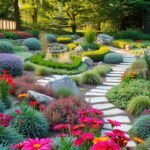
Your outdoor space deserves clean lines and character. With simple border designs, you can transform messy areas into organized yet inviting zones. These practical additions help separate flower beds from walkways while adding visual harmony to your property.
Many homeowners love how easy it is to create eye-catching transitions using materials found in nature. Fallen logs, weathered wood, and small stones offer texture without overwhelming your plants. These elements blend seamlessly with greenery, giving your yard a relaxed vibe that still feels intentional.
One major advantage? You don’t need expensive supplies. Repurposed items like aged timber or leftover stone work perfectly for defining spaces. They also reduce maintenance by keeping soil in place and mulch where it belongs. This means less weeding and more time enjoying your peaceful retreat.
Best of all, these solutions adapt to any skill level. Whether you prefer straight lines or curved pathways, natural materials provide flexibility. You’ll achieve a polished look that complements your existing landscape instead of competing with it.
Getting Started with Your Garden Edging Project
Shape your yard’s personality using edges that guide both eyes and footsteps. Before grabbing materials, take time to study how your outdoor areas connect. Look at plant growth patterns, walkway shapes, and how rainwater flows. This groundwork ensures your choices solve practical issues while enhancing curb appeal.
Map Your Space First
Walk around your property with a notebook. Sketch where flower beds meet grass or paths. Notice spots where soil often spills onto walkways. This helps pick edging that controls messes without clashing with your plants. For example, curved layouts might need flexible materials, while straight lines could use sturdier options.
Balance Beauty and Function
Your design should make maintenance easier while looking intentional. Think about materials that match your home’s exterior – weathered wood for cottage styles or smooth stones for modern looks. If you’re working with raised beds, coordinate their edges with nearby pathways for visual harmony.
Consider how deep to set your borders. Shallow installations work for decorative purposes, while deeper placements prevent invasive grass roots. Always leave room for plants to grow – you don’t want to redo edges next season!
Rustic garden borders edging featuring driftwood, mulch, or gravel
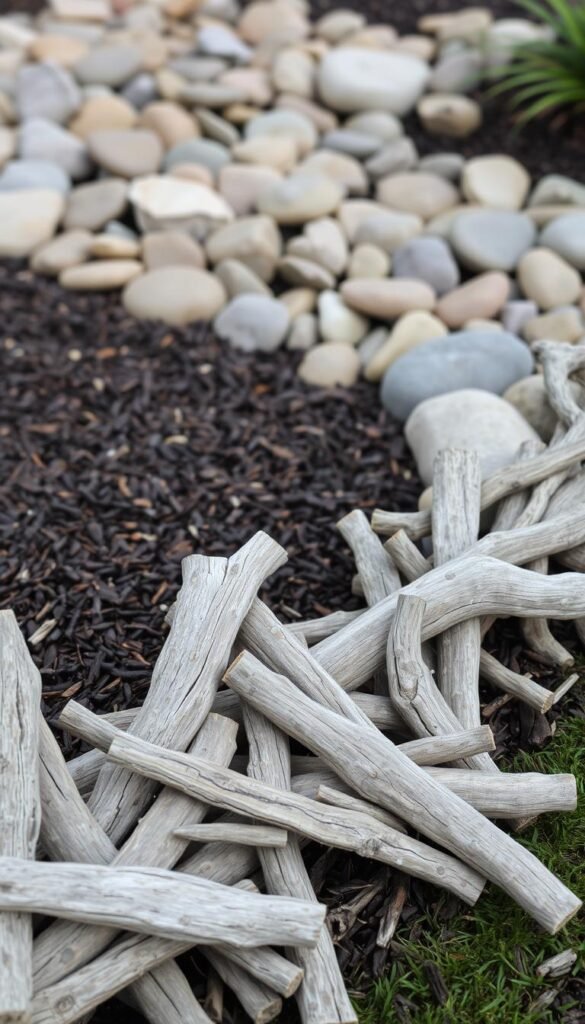
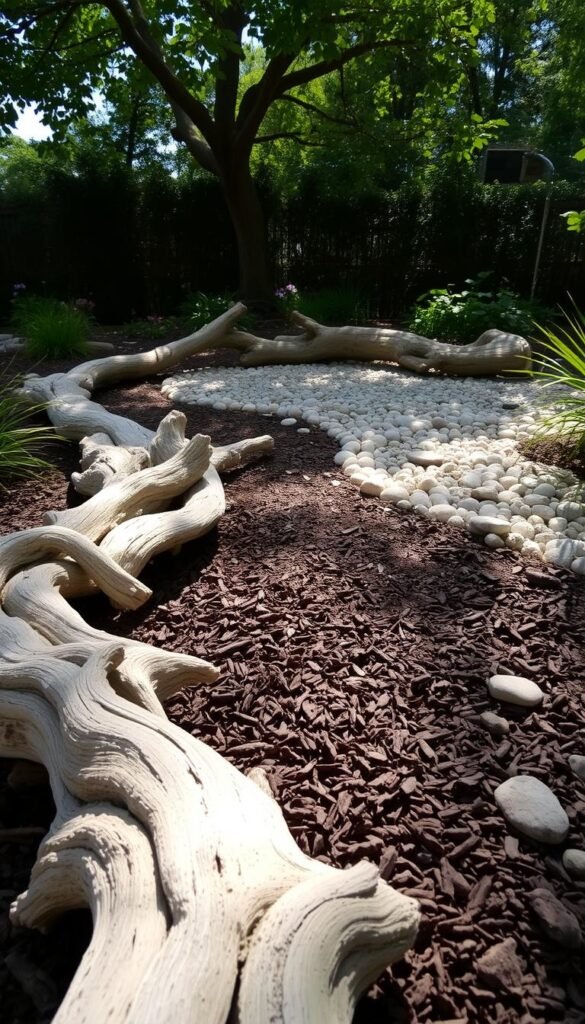
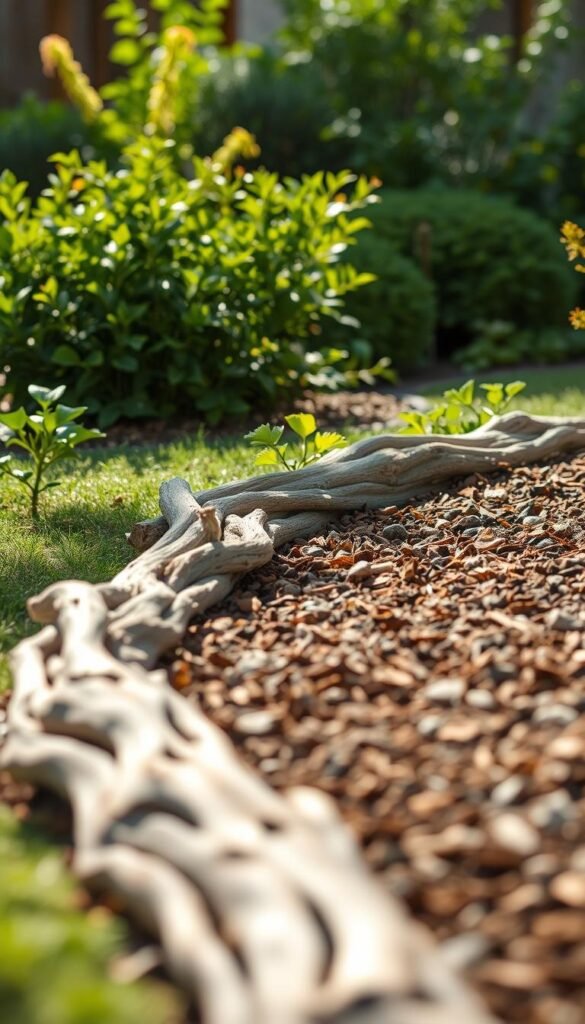
Transform your outdoor spaces with materials that blend function and natural beauty. Driftwood pieces add organic texture, their sun-bleached surfaces creating soft contrasts against vibrant blooms. Arrange them horizontally for subtle definition or stack vertically to frame taller plants.
Gravel offers both structure and practicality. Its loose composition lets rainwater filter through easily, preventing puddles near delicate roots. Choose smaller pebbles for curved pathways or mix stone sizes for dynamic visual layers. Neutral tones like slate gray complement most landscapes, while warm terracotta shades inject subtle warmth.
Organic ground covers serve dual purposes. Wood chips or shredded bark suppress weeds while slowly enriching soil as they decompose. For a cohesive cottagecore aesthetic, pair these with flowering herbs or mossy accents along walkways.
Creative combinations unlock endless possibilities:
- Layer driftwood logs with gravel fill for coastal-inspired transitions
- Alternate mulch types to create color-blocked zones
- Mix rounded stones with angular wood pieces for geometric interest
These solutions adapt to any terrain, letting you craft edges that feel intentional yet effortless. Focus on materials that age gracefully, developing character over time while maintaining their core functionality.
Inspiring DIY Edging Ideas for Your Outdoor Space
Unleash your creativity with DIY solutions that turn everyday items into stunning landscape features. These projects let you craft personalized boundaries while keeping costs low. Best of all, you’ll give discarded materials new life while adding artistic flair to your property.
Budget-Friendly Projects That Add Charm
Transform empty wine bottles into whimsical borders by burying them neck-down along pathways. The glass catches sunlight beautifully, creating jewel-toned accents. For a rustic touch, pair them with salvaged bricks arranged in zigzag patterns.
Try these wallet-friendly materials:
- Reclaimed wood planks for staggered vertical installations
- Broken concrete pieces repurposed as modern mosaic edges
- Twisted branches collected from fallen trees
“The best DIY projects feel like treasure hunts – you never know what you’ll repurpose next!”
Easy Steps to a Custom Look
Start by sketching your desired pattern using flour or chalk. Dig a 3-inch trench, then test-fit your materials. Secure lighter items with landscape spikes, letting heavier stones or timber rest naturally.
Follow this simple process:
- Clear debris from your work area
- Lay materials loosely to preview the design
- Adjust spacing for plant growth and maintenance access
Mix textures for visual interest – try smooth glass beside rough-hewn wood. These handmade edges develop character over time, telling stories through weathered surfaces and creative arrangements.
Embracing Natural Materials in Garden Design
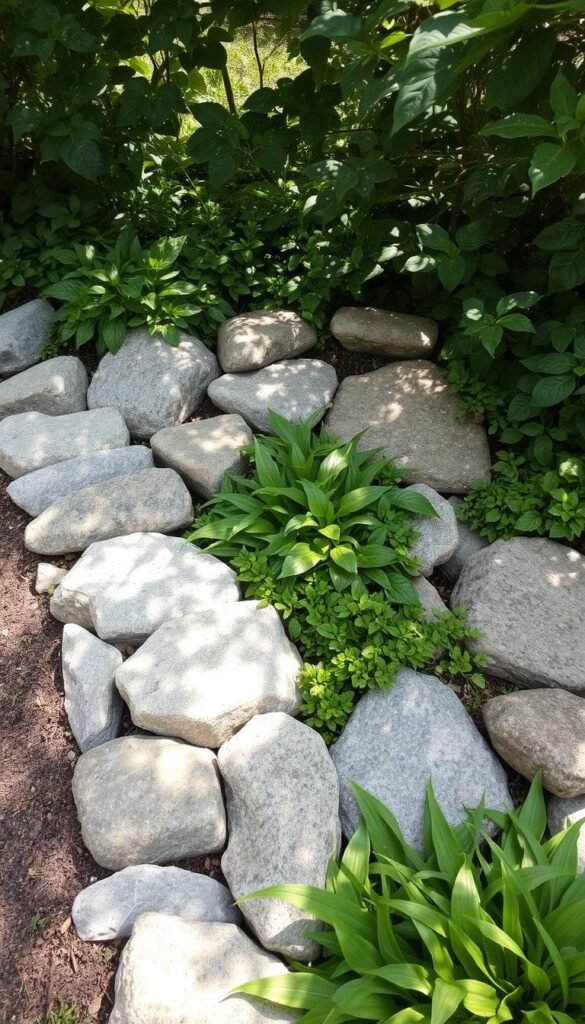
Nature offers the perfect blueprint for creating inviting outdoor spaces. By working with earth’s raw elements, you craft boundaries that feel both intentional and effortless. These organic solutions enhance your landscape’s authenticity while solving practical needs like soil retention and weed control.
Driftwood, Stones, and Mulch for Harmonious Transitions
Sun-bleached wood pieces bring coastal charm to any setting. Position them along pathways to guide footsteps while showcasing their unique shapes. Pair with river rocks for contrast – their smooth surfaces balance wood’s textured edges.
Stone arrangements create lasting structure. Stack flat slabs vertically for a modern twist on dry-stack walls. For subtle definition, line walkways with pebbles that crunch underfoot. As one rock garden design expert notes: “Natural stone placements age like fine wine, gaining character through seasons.”
Ground covers serve multiple roles:
- Decomposing wood chips nourish soil over time
- Pine straw suppresses weeds while allowing water flow
- Crushed shells reflect sunlight, brightening shady corners
Your plantings will thrive when framed by these elements. Delicate blooms pop against neutral stone backdrops, while trailing vines soften angular rock edges. Let materials’ imperfections shine – crooked branches and asymmetrical stones add soulful charm.
Remember: The best designs mirror nature’s spontaneity. Study how forests layer fallen logs with mossy boulders, then adapt those patterns to your space. You’ll create edges that look like they’ve always belonged there.
Exploring Creative Material Combinations
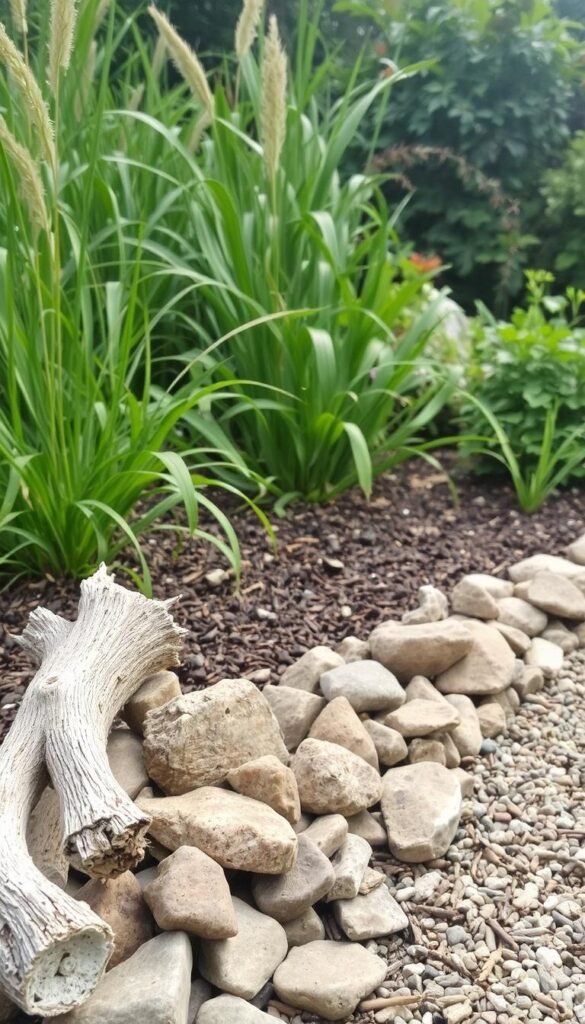
Break free from single-material monotony by blending elements that surprise and delight. Mixing textures and finishes adds depth to your landscape while solving practical challenges. The secret lies in balancing industrial durability with organic warmth.
Unexpected Pairings That Work
Metal strips offer sleek structure that lasts through harsh weather. Try framing weathered timber with thin aluminum bands – the contrast between rough wood grain and polished surfaces creates instant visual drama. These combinations prevent soil erosion better than single-material setups.
Layered approaches maximize benefits. Bury steel edging 3 inches deep as a sturdy base, then top with cedar planks and crushed stone. This sandwich method keeps gravel in place while letting water drain freely. You’ll spend less time maintaining edges and more enjoying their crisp appearance.
Consider these dynamic mixes:
- Corrugated metal panels backlit by twig borders
- Copper flashing peeking through moss-covered rocks
- Recycled steel hoops containing aromatic wood chips
One landscape designer notes: “When materials converse through contrast, they tell compelling stories about balance.” Test combinations by laying samples together outdoors – sunlight reveals how textures interact throughout the day.
Your space gains character through thoughtful pairings. Smooth river stones feel softer beside jagged iron pieces, while sun-bleached planks make dark metal accents pop. These blends prove functional design doesn’t sacrifice beauty.
Low-Maintenance and Eco-Friendly Edging Options
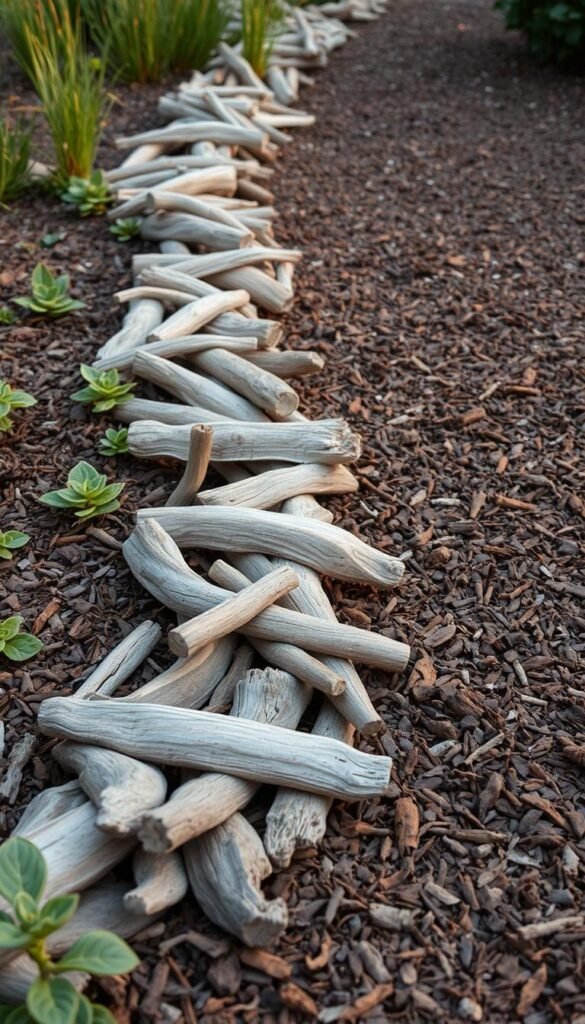
Sustainable landscaping meets practical design through materials that serve both Earth and aesthetics. Modern solutions now let you protect your plants while minimizing environmental impact – no compromise required.
Recycled Materials Revolution
Rubber edging made from reclaimed tires offers surprising durability. These flexible strips install in minutes using ground pegs, creating crisp lines that withstand mower blades. Unlike organic options, they won’t rot or splinter over years of use.
For bold personalities, upcycled tires become sculptural elements. Cut them into wavy strips or stack whole units as retaining walls. A coat of outdoor paint transforms black rubber into vibrant accents that match your garden’s color scheme.
- Reduces landfill waste through creative repurposing
- Eliminates weekly trimming along delicate edges
- Resists weed growth better than wood or stone
These options work particularly well when paired with no-till gardening methods, maintaining soil structure while defining growing areas. You’ll save time on maintenance while creating borders that look intentional year-round.
“The best sustainable choices solve multiple problems – they’re kind to the planet while making your life easier.”
From rubber to reclaimed plastics, eco-conscious materials offer lasting performance. They withstand frost heave and UV exposure without fading, proving that green solutions can outlast traditional options. Your space gains personality through responsible choices that keep waste out of landfills.
Enhancing Curb Appeal with Well-Defined Borders
First impressions start at the street – your driveway’s boundary sets the tone for your entire property. Soften harsh concrete edges by lining them with creeping thyme or dwarf mondo grass. These living borders add movement and color while keeping gravel or pebble installations neatly contained.
Frame flower beds with materials that complement your home’s exterior. A staggered row of slate stones or repurposed bricks creates crisp lines that highlight your blooms. For added depth, tuck low-voltage lighting between stones to illuminate pathways after dark.
Your lawn gains instant polish when edges separate grass from planting zones. Use a half-moon edger to carve clean curves, then fill the trench with crushed shells or wood chips. This technique prevents soil spillage onto walkways while giving your landscape a tailored finish.
Driveways become design features when bordered by lavender or ornamental grasses. These plants sway gently in the breeze, softening hard surfaces without blocking visibility. Pair them with textured ground covers to elevate your landscape’s visual impact through layered heights and contrasting foliage.
Well-planned edges do more than beautify – they protect your investments. Contained mulch stays put during storms, and defined beds reduce accidental trampling of delicate flowers. With thoughtful borders, your outdoor space becomes a welcoming introduction to your home’s unique character.