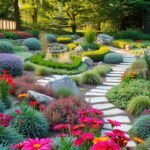
Your yard deserves solutions that combine practicality with eye-catching design. Natural materials like stone landscape edging offer a dual-purpose approach to maintaining healthy, vibrant outdoor areas. They provide structural support while adding crisp lines that elevate your property’s curb appeal.
These durable borders act as guardians against shifting soil and runoff, especially during heavy rains. Unlike temporary fixes, properly installed stone landscape edging can withstand decades of weather changes without warping or fading. Best of all? You don’t need professional skills to achieve these results.
Imagine defining flower beds with clean, natural lines that keep mulch in place and grass from creeping into planting zones. This method helps retain moisture around plant roots while preventing nutrient-rich topsoil from washing away. Many homeowners complete their projects over a weekend, making it an accessible upgrade for any skill level.
Beyond functionality, stone edges bring textural contrast to your outdoor spaces. Whether you prefer rustic fieldstones or sleek-cut granite, these materials blend seamlessly with any architectural style. Their low-maintenance nature means more time enjoying your landscape – not maintaining it.
Why Garden Edging is Essential for Erosion Control
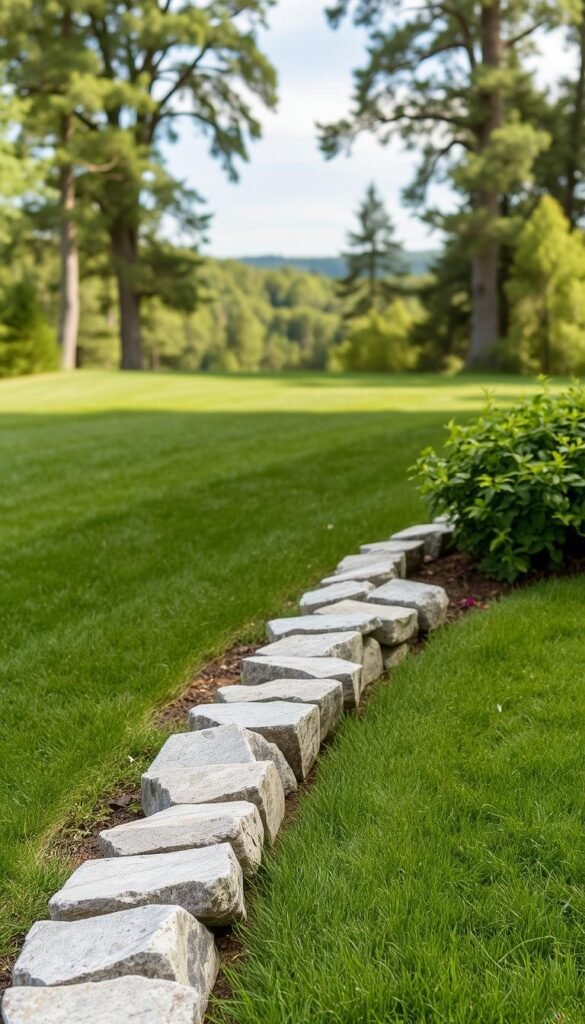
Protecting your landscape starts with smart design choices that work with nature’s forces. Strategic placement of durable materials creates invisible shields against environmental wear while keeping your outdoor spaces thriving. Let’s explore how thoughtful planning preserves both beauty and soil health.
Understanding Soil Movement and Erosion
Raindrops and wind act like tiny thieves, stealing nutrient-rich earth from unprotected areas. Sloped yards lose up to 5 times more soil than flat spaces during storms, according to agricultural studies. Unchecked runoff carries away organic matter plants need to grow strong roots.
The Role of Borders in Stabilizing Earth
Solid barriers break water’s momentum before it gains destructive power. Think of them as speed bumps for rainfall – slowing flow patterns so soil particles settle instead of washing downstream. Properly installed features also create sheltered zones where moisture soaks deep into the ground.
These structures do double duty by shielding against wind gusts that dry out planting beds. Their weight and texture help lock earth in place, even during freeze-thaw cycles that shift lighter materials. Unlike plastic alternatives, natural options improve drainage while blending seamlessly with surroundings.
Using stone garden edges and borders to prevent soil erosion
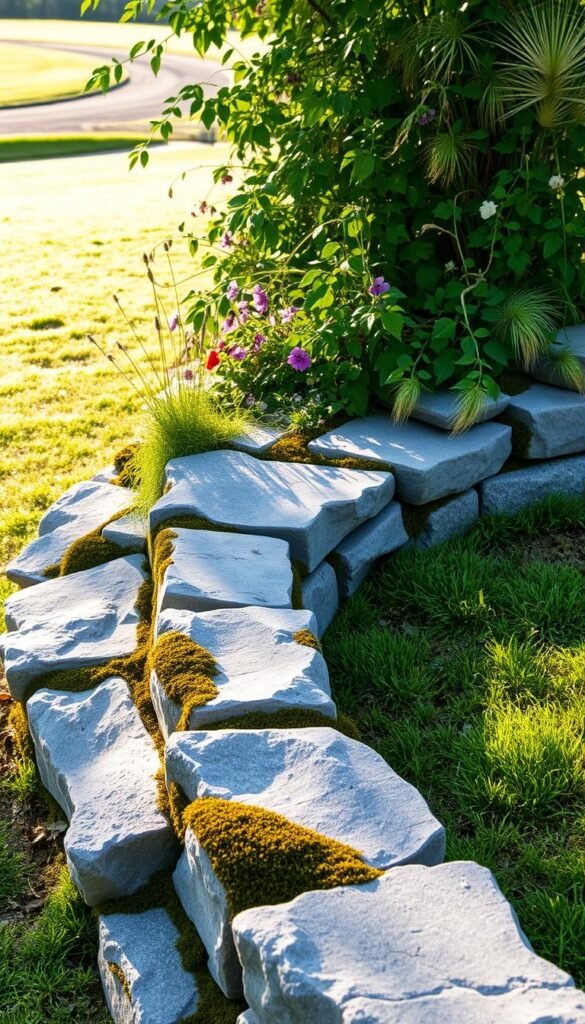
Transform your landscape with solutions that merge function and lasting style. Natural stone barriers do more than define planting areas – they become permanent allies against earth’s shifting forces. Their weight and texture work silently to protect your green investments.
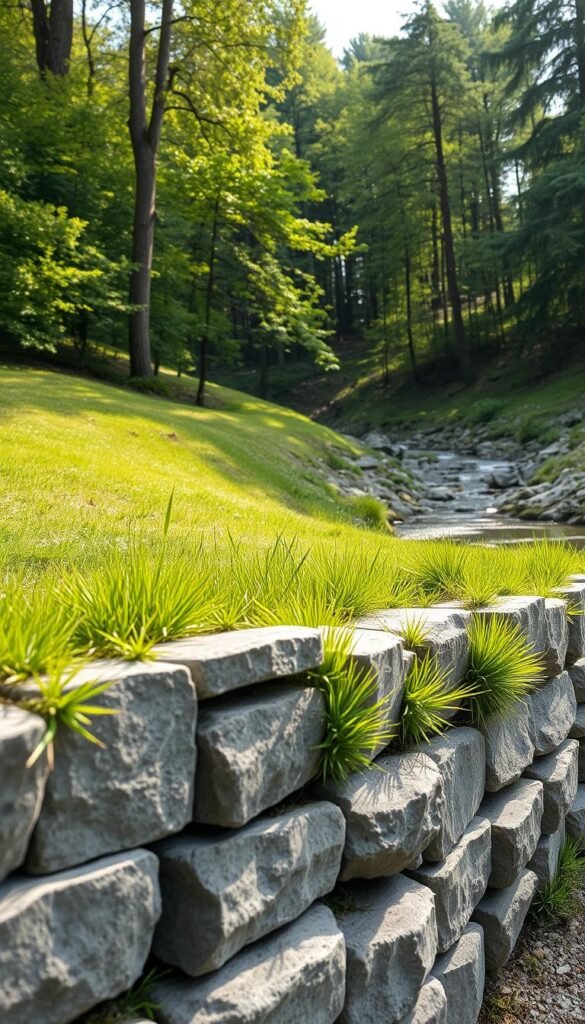
These structures act like nature’s speed bumps during storms. By interrupting water’s path, they force runoff to slow and sink into the ground. “The right placement can reduce erosion by 60% compared to unprotected slopes,” notes a recent landscaping study. This terracing effect turns steep areas into water-absorbing staircases.
Choose materials that match your environment. Boulder varieties create rugged boundaries, while flat slabs offer sleek lines. Their porous surfaces help regulate moisture – absorbing excess rain yet releasing it during dry spells. This balance keeps plant roots hydrated without waterlogging.
Strategic installation matters most. Position edging stones where water naturally flows, creating gentle redirects. Pair them with existing trees or slopes to form a complete defense network. Over time, these features actually improve soil quality as organic matter collects behind them.
You’ll notice fewer weeds and healthier plants as the system matures. Unlike temporary fixes, stone barriers grow more effective with each season. They become part of your land’s story – practical art that works while you relax.
Exploring the Benefits of Stone Edging
Landscape design thrives when form meets function – and that’s exactly what quality edging materials deliver. These natural elements create visual harmony while solving practical challenges in your outdoor space. Let’s break down how they enhance both beauty and resilience.
Nature’s Artistry Meets Practical Design
Stone edging adds instant character through organic shapes and earthy tones. Unlike uniform plastic strips, each piece tells a geological story. Warm sandstone complements cottage-style plantings, while angular slate suits modern layouts. This versatility makes your space feel intentionally designed rather than merely contained.
The Unseen Advantages Beneath the Surface
Beneath their attractive surface, these features work overtime. Their weight creates an impassable zone for invasive roots. A recent study showed stone barriers reduce weed growth by 73% compared to mulch-only beds. This natural defense system saves hours of backbreaking weeding each season.
| Benefit | Visual Impact | Functional Advantage |
|---|---|---|
| Texture Variety | Adds depth to flat spaces | Discourages foot traffic |
| Color Options | Complements plant hues | Absorbs heat for frost protection |
| Natural Patterns | Creates focal points | Channels water runoff |
Maintenance becomes simpler with stone’s inherent durability. Unlike wood that rots or metal that rusts, these elements weather gracefully. Occasional rinsing keeps them looking fresh – no sealing or repainting required. They’re the gift that keeps giving, season after season.
Your plants reap rewards too. The thermal mass of stones regulates soil temperature, while their arrangement prevents mulch displacement. You’ll notice healthier blooms and lusher foliage as roots stay protected and hydrated.
Selecting the Right Materials and Stone Types
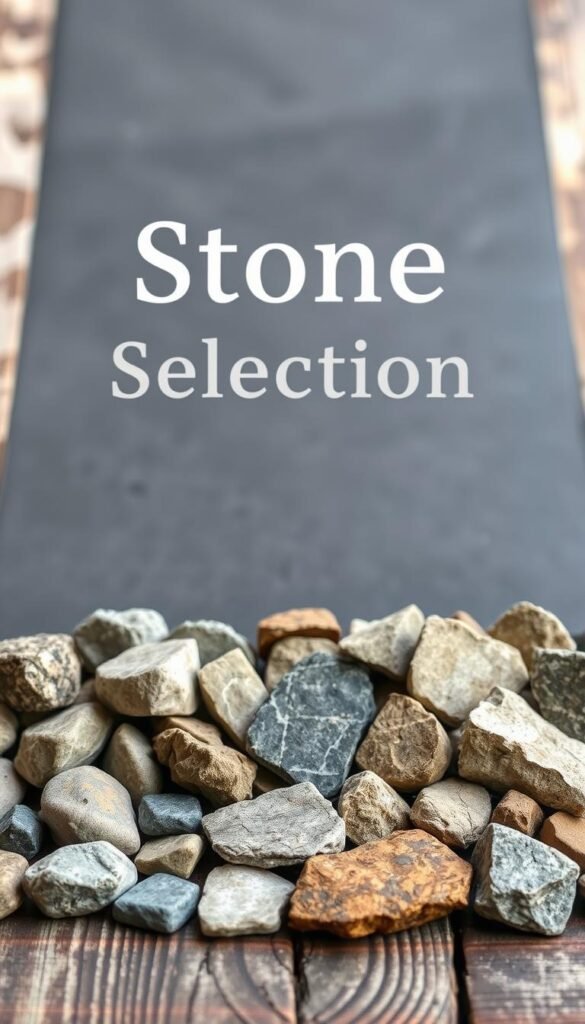
What separates good landscaping from great? The secret lies in matching earth’s raw elements to your environment’s needs. Let’s break down which rocks rise to the challenge of protecting your property while elevating its style.
Comparing Rock Varieties for Landscape Needs
Limestone shines in frost-prone areas – its dense structure handles temperature swings without cracking. Prefer organic charm? Irregular boulders create natural-looking barriers that blend with wildflower beds. For modern spaces, granite pavers deliver razor-sharp lines that stay crisp for decades.
Consider these popular choices:
- Crushed granite: Self-draining texture prevents puddles
- Fieldstone: Interlocking shapes form sturdy walls
- Slate chips: Color variations add visual interest
Climate Considerations for Lasting Performance
Your local weather dictates material success. Coastal properties need salt-resistant quartzite, while clay-rich soils demand thicker slabs to prevent shifting. A recent University of Georgia study found properly selected edging materials last 42% longer in extreme climates compared to generic options.
| Material | Best Climate | Maintenance |
|---|---|---|
| Limestone | Cold winters | Annual sealing |
| Sandstone | Dry regions | Biweekly brushing |
| Basalt | Humid areas | None required |
Remember: heavier stones work better on slopes, while flat varieties suit formal gardens. Your final choice should balance practicality with personal taste – after all, you’ll enjoy these features for years to come.
Designing Your Outdoor Space with Functional Borders
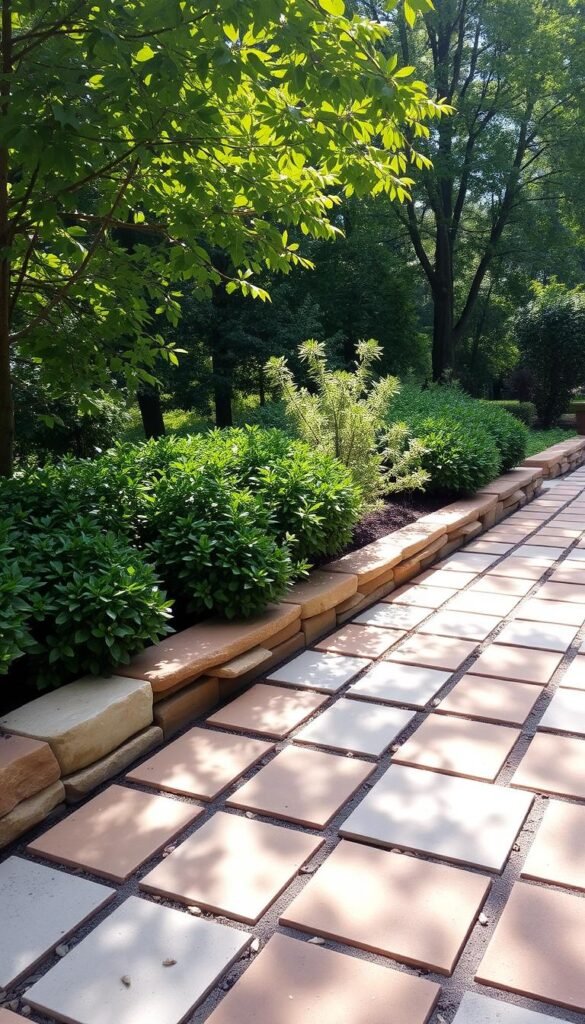
Blending natural elements with your home’s architecture creates a seamless transition between built and natural spaces. Thoughtful edging designs act like visual handshakes – connecting flower beds to walkways while guiding the eye through your property.
Harmonizing with Your Existing Landscape
Match your border materials to nearby features for instant cohesion. A farmhouse-style home pairs beautifully with irregular flagstones, while urban layouts shine with geometric-cut basalt. This approach ensures new additions feel intentional rather than tacked-on.
Consider how borders can unify different zones. Use similar textures along pathways and planting areas to create rhythm. For example, repeating slate chips in both locations ties separate elements into one coordinated layout.
| Design Element | Visual Benefit | Functional Benefit |
|---|---|---|
| Material Matching | Enhances architectural lines | Prevents style clashes |
| Color Coordination | Softens transitions | Reduces visual fragmentation |
| Texture Blending | Adds depth perception | Discourages accidental foot traffic |
Curved layouts work wonders for cottage gardens, while angular patterns suit modern spaces. A recent Houzz survey found 68% of homeowners prefer borders that echo their interior design aesthetic. This continuity makes outdoor areas feel like natural extensions of living rooms.
Keep lines crisp but not rigid. Allow occasional irregularities to maintain organic charm. Properly scaled edging frames plantings without overwhelming them – think of it as picture framing for your azaleas or hostas.
Your final design should feel effortless. When done right, these features highlight existing beauty while solving practical challenges. The result? A polished look that requires minimal upkeep year after year.
Step-by-Step Guide to Installing Stone Garden Edges
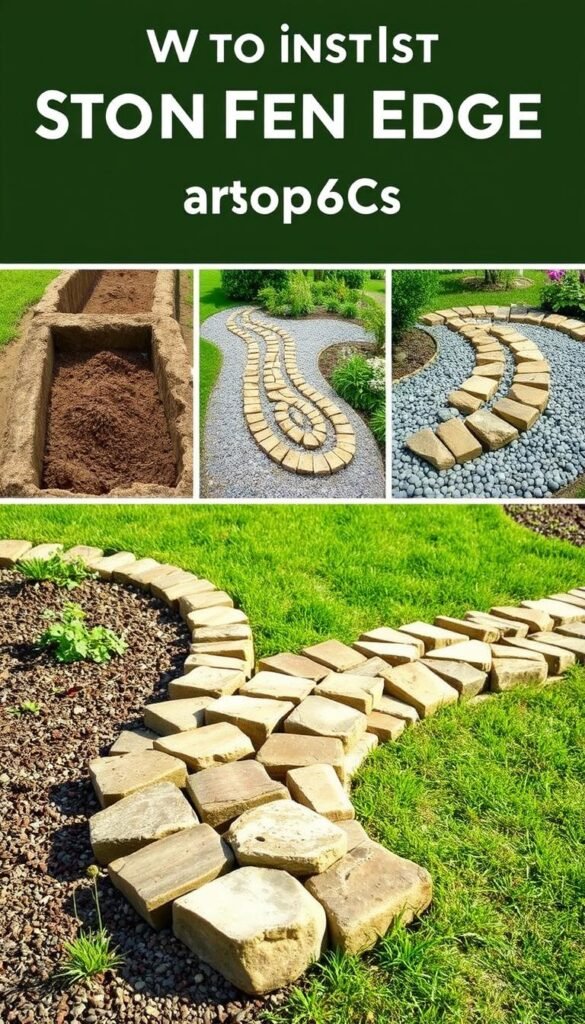
Crafting durable landscape features begins with precise execution. Follow this blueprint to create borders that protect your plantings while adding polished structure to outdoor spaces.
Preparing the Site and Laying the Foundation
Start by outlining your garden beds with a garden hose or stakes. This visual guide helps maintain clean curves or angles. Dig a 2-3″ deep trench using a flat-edge shovel – make it 1.5 times wider than your chosen materials.
Essential tools for success:
- Mason’s hammer for adjusting stone shapes
- Tamper to compact the base layer
- 4-foot level for checking alignment
| Material | Purpose | Pro Tip |
|---|---|---|
| Coarse sand | Prevents shifting | Mix with gravel for better drainage |
| Weed membrane | Blocks invaders | Overlap seams by 6 inches |
| Crushed stone | Enhances stability | Use ¾” aggregate for best results |
Proper Placement and Securing the Stones
Position your first edging stone at the highest elevation point. Tap gently with a rubber mallet, checking level every 12 inches. “Alternate joint patterns like brickwork for extra strength,” advises master landscaper Elena Torres.
Backfill gaps with soil-sand mix, compacting every 3 inches. For sloped areas, angle stones slightly downward to redirect water flow. Finish by sweeping joint sand into crevices – this locks pieces together while allowing natural movement.
Your new borders will withstand foot traffic and seasonal changes when installed correctly. Allow 48 hours before exposing to heavy use, giving materials time to settle into their permanent positions.
Optimizing Your Design for Long-Term Stability
Building landscapes that endure requires more than just placing rocks—it demands smart engineering. Strategic planning ensures your features withstand weather extremes while maintaining their protective functions. Let’s explore methods to enhance structural integrity through thoughtful design choices.
Incorporating Effective Erosion Control Techniques
Depth matters when installing substantial materials. For stones over 12″ tall, dig trenches 6-8″ deep—twice the standard depth. This prevents shifting during freeze-thaw cycles. “A solid base layer of crushed gravel acts like concrete footings for residential projects,” explains landscape architect Marco Rivera.
Drainage systems prove critical for sloped areas. Consider these solutions:
| Technique | Best For | Installation Depth |
|---|---|---|
| French drains | Heavy clay soils | 12-18 inches |
| Gravel beds | Sandy terrains | 4-6 inches |
| Perforated pipes | Steep inclines | Below frost line |
Select materials based on soil composition. Clay-heavy grounds need thicker, flat stones that distribute weight evenly. Sandy soils benefit from interlocking shapes that create friction barriers. Always leave ¼” gaps between pieces for natural expansion.
Backfill with angular gravel rather than rounded pebbles—the jagged edges lock together like puzzle pieces. This technique reduces maintenance needs by 40% compared to traditional methods. Finish with drought-resistant groundcovers that anchor the structure visually and physically.
Maintenance Tips to Keep Your Stone Borders Pristine
Keeping your outdoor spaces beautiful and functional doesn’t have to be a chore. With simple routines, your stone edging can maintain its crisp look while protecting garden beds for years. A few minutes each season preserves both form and function.
Routine Cleaning and Inspection Strategies
Start with a stiff brush to sweep away debris from surfaces and gaps. For stubborn dirt, use water mixed with mild dish soap—harsh chemicals harm nearby plants. Check alignment after heavy rains, adjusting any shifted pieces promptly.
Inspect joints seasonally for soil erosion or cracks. Porous materials like sandstone may require sealing every 2-3 years to prevent staining. Always test cleaners on a hidden area first to protect the stone’s natural appearance.
Methods to Prevent Weed Encroachment
Apply fresh mulch annually to block sunlight from reaching weed seeds. For extra defense, lay permeable landscape fabric beneath flower beds. Spot-treat intruders with vinegar solutions instead of herbicides to safeguard your greenery.
Trim grass edges monthly to avoid overgrowth into edging lines. A quick weekly walkaround lets you catch issues early, ensuring your borders stay sharp with minimal upkeep. Smart care today means fewer headaches tomorrow.