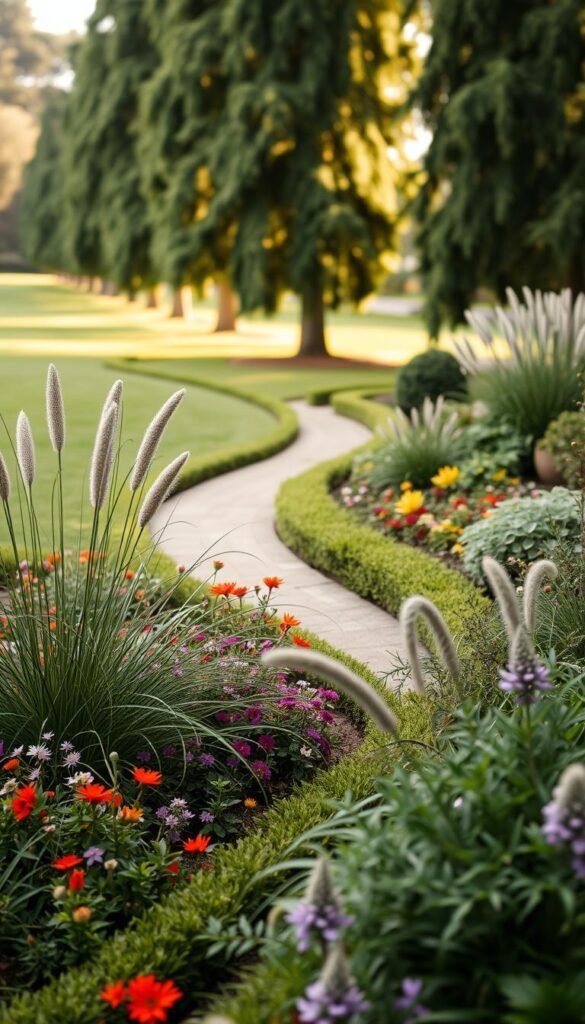
What separates ordinary yards from magazine-worthy landscapes? It’s often the clean, intentional boundaries that frame planting areas and walkways. As designer Ray Baker notes, these defined transitions create visual clarity – like picture frames highlighting your favorite artwork.
You don’t need professional training to achieve this polished effect. Simple strategies used by experts can transform your outdoor areas. Whether using classic tools or modern innovations, the right approach makes upkeep easier while elevating your yard’s entire aesthetic.
Many homeowners overlook how proper border management impacts their landscape. Beyond appearance, well-executed edges:
• Prevent grass from invading flower beds
• Simplify mowing and trimming tasks
• Highlight your plantings’ natural beauty
Discover how professional methods blend form and function. We’ll explore both time-tested solutions and clever new approaches that maintain sharp definition through seasons. You’ll learn to create borders that look meticulously maintained with surprisingly minimal effort.
Ready to give your landscape that intentional, designer-approved finish? Let’s dive into techniques that keep outdoor spaces looking crisp without constant upkeep.
Understanding the Importance of Crisp Garden Edges
Ever wonder why some yards look polished while others appear messy? The secret lies in how you define your outdoor space. Sharp edges act like invisible guides, directing attention to your favorite plants while keeping everything organized.
Enhancing Your Landscape Design
Clean borders let you experiment with shapes and textures. A well-edged lawn makes flower beds pop, turning basic shrubs into intentional design elements. This approach works whether you prefer modern geometric patterns or flowing natural curves.
Landscapers often say borders function like home decor. They create “outdoor rooms” that feel inviting. You’ll notice your landscape looks more put-together, even if you’re just growing daisies and hostas.
Boosting Property Value with Defined Lines
Real estate experts confirm homes with neat edges sell faster. Why? Clear lines suggest meticulous care. Potential buyers see less work and more enjoyment – a huge selling point.
Maintenance becomes simpler too. When your lawn stays contained, you’ll spend less time battling grass in flower beds. That reclaimed time? Perfect for relaxing in your newly refined yard.
Hidden edging tricks for maintaining crisp lines in garden borders

Achieving razor-sharp garden edges isn’t about strength—it’s about smart techniques. Professionals use specialized methods that blend precision tools with simple layout strategies, creating boundaries that look polished year-round.
Exploring Subtle Techniques for a Professional Look
Start by mapping your design with flexible materials. Landscape designer Ray Baker recommends laying garden hoses along potential curves to visualize flow. Walk around your space, viewing the proposed line from multiple angles before making cuts.
Many experts test configurations with temporary markers. Try sprinkling flour or using spray paint to outline shapes. This lets you adjust proportions until the edge guides the eye naturally through your landscape.
Using Innovative Tools to Create Perfect Curves
Traditional spades struggle with complex shapes, but modern solutions excel. Baker’s favorite—the Black & Decker Edge Hog—features a circular blade on wheels. It carves 1½-inch trenches while letting you steer smooth curves effortlessly.
| Feature | Traditional Tools | Modern Solutions |
|---|---|---|
| Curve Capability | Limited | Excellent |
| Visibility While Cutting | Poor | Clear sightlines |
| Effort Required | High | Low |
| Cost | $20-$50 | Under $100 |
Finish with vertical hand shears along trench walls. This removes stray grass blades, creating that signature 90-degree angle between turf and soil. The result? Borders that stay defined through mowing seasons and weather changes.
Planning Your Garden Edge Layout
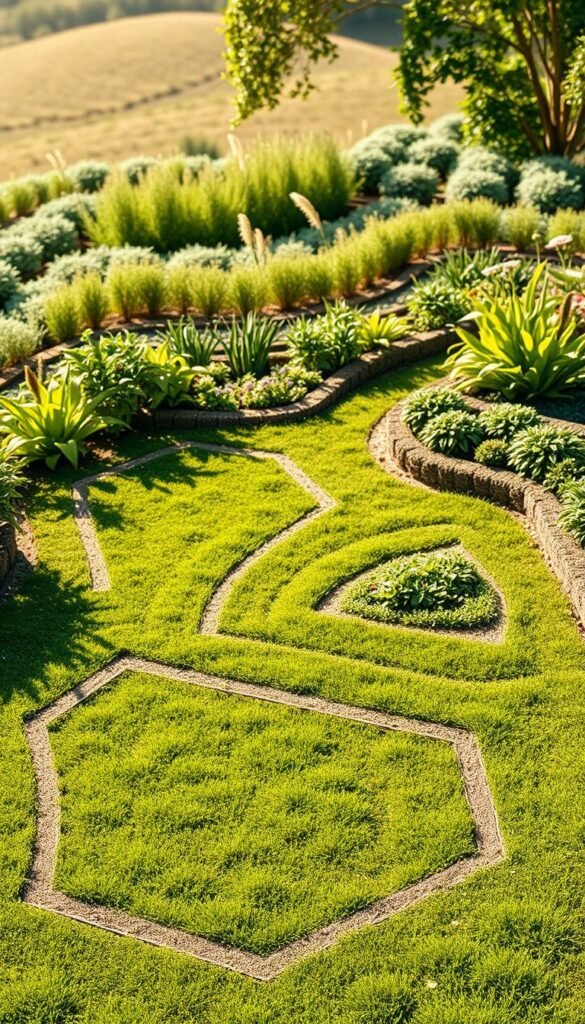
Great garden designs begin with pencil and paper. Before touching soil, sketch your vision to create intentional shapes that complement your outdoor space. This planning phase saves countless hours by revealing design flaws early.
Sketching Your Bed Design
Start by outlining existing features like trees and walkways. Use tracing paper overlays to experiment with different bed shapes without commitment. Landscape designer Emma White suggests: “Draw curves three times larger than you think – timid arcs disappear at planting scale.”
Mark proposed edges with bright spray paint or flour. Live with these temporary lines for 48 hours, observing how morning light and shadows interact with the garden beds. Adjust proportions until the layout feels balanced from every angle.
Defining Straight and Curved Lines
Straight edges work best near architecture, while flowing curves soften natural areas. Make sure all lines meet hardscapes at 90-degree angles – this creates mowing-friendly junctions. Avoid skinny grass strips between beds and paths; they become weed magnets.
For curved beds, use a hose to create bold, sweeping shapes. Step back frequently to check proportions. Remember: gentle waves look accidental, while confident curves appear purposeful. Your final design should guide the eye through the area like a well-composed painting.
Selecting the Right Materials for Garden Edging
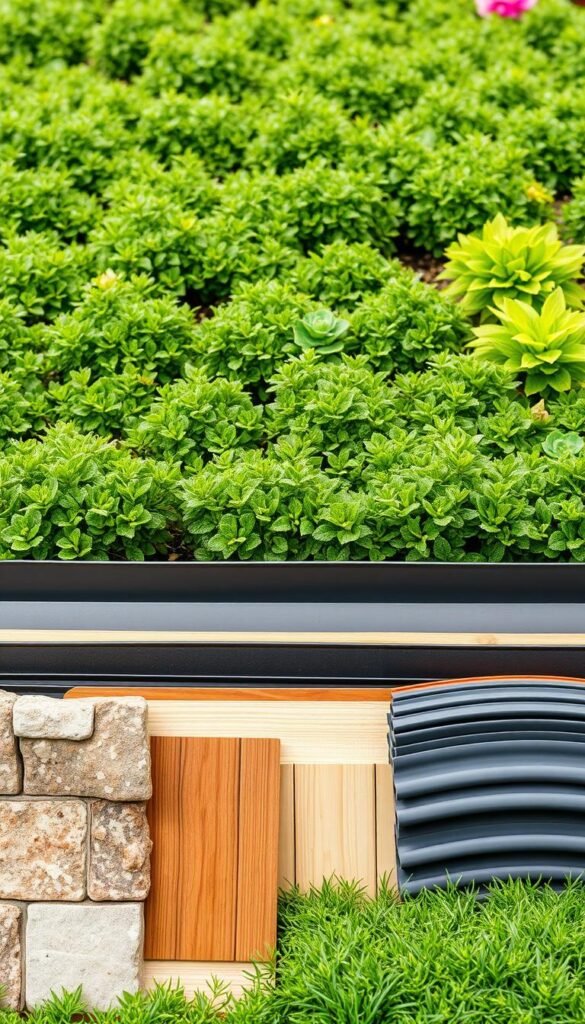
Your choice of edging materials acts as both functional boundary and design statement. Like choosing a picture frame, the best option enhances your landscape’s character while standing up to daily wear.
Material Showdown: Pros and Cons
Metal strips deliver crisp lines perfect for modern yards. Though pricier than plastic, their sleek appearance lasts decades with minimal upkeep. For curved beds, flexible aluminum bends smoothly without kinking.
Natural stone brings timeless elegance but requires careful placement. “Stacked slate or fieldstones create visual weight that anchors flower beds,” notes landscape architect Mara Hoffman. Budget-conscious gardeners often mix stone with cheaper materials for focal points.
Wood offers warmth but demands replacements every 5-8 years. Cedar works well in cottage gardens, while pressure-treated pine resists rot longer. Avoid using railroad ties – their creosote coating harms plants.
| Material | Cost | Durability | Best For |
|---|---|---|---|
| Steel Edging | $$$ | 20+ years | Modern designs |
| River Rock | $$ | Lifetime | Natural landscapes |
| Composite Wood | $$ | 10-15 years | Traditional yards |
| Vinyl Strips | $ | 5-7 years | Temporary layouts |
Smart Spending for Lasting Results
Balance initial costs with long-term value. Powder-coated metal costs more upfront but eliminates replacement hassles. Brick offers mid-range pricing but needs mortar for stability in frost-prone areas.
Consider your climate’s impact – plastic warps in extreme heat, while freeze-thaw cycles crack concrete. For trial designs, temporary strips let you experiment before committing to permanent materials.
Step-by-Step Guide to Creating Sharp Edges
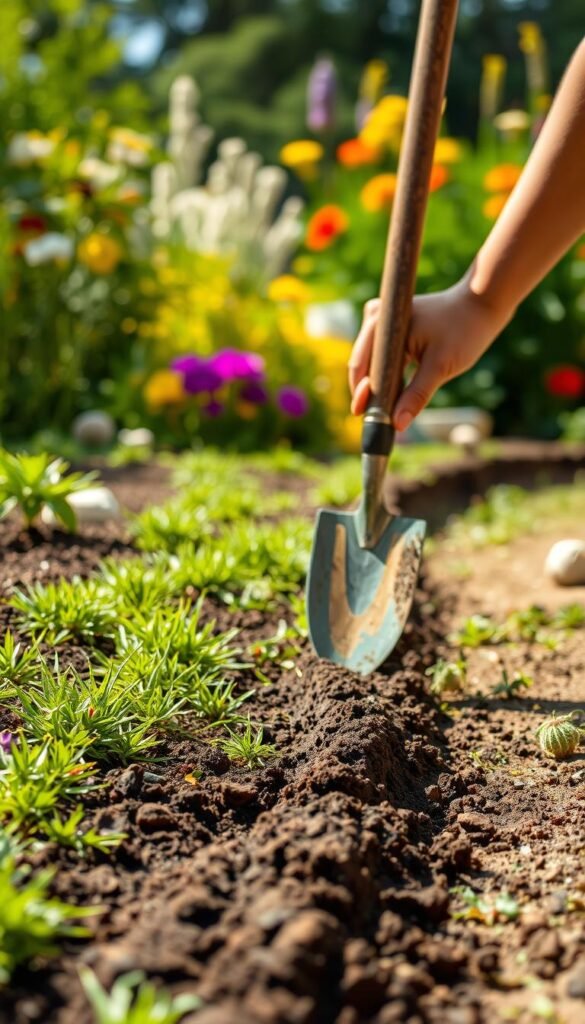
Transforming your landscape starts with mastering edge creation—here’s how professionals achieve those razor-sharp lines you see in design magazines. Follow Ray Baker’s method to build borders that stay defined through rain, mowing, and foot traffic.
Trenching and Cutting Techniques
Begin by laying a garden hose along your planned route. This lets you tweak curves until they flow naturally with your yard’s contours. Once satisfied, cut along the hose with a spade or Edge Hog tool, angling the blade slightly outward.
Dig your trench 4-6 inches deep, removing all loosened soil and grass roots. Baker emphasizes: “That vertical wall is your secret weapon against creeping turf.” Maintain consistent depth by checking every few feet with a ruler.
Fine-tuning the Edge with Hand Tools
Grab hand shears for precision work. Hold them vertically to trim stray grass blades along the trench wall—horizontal cuts ruin your crisp 90-degree angle. This meticulous step makes weeding easier and keeps edges looking freshly cut.
Finish by spreading 2-3 inches of mulch against the trench. Slope it gently upward toward your plants, creating a smooth transition that highlights your edge. This final touch suppresses weeds while giving beds a polished, intentional look.
Maintenance Tips for Long-Lasting Edges
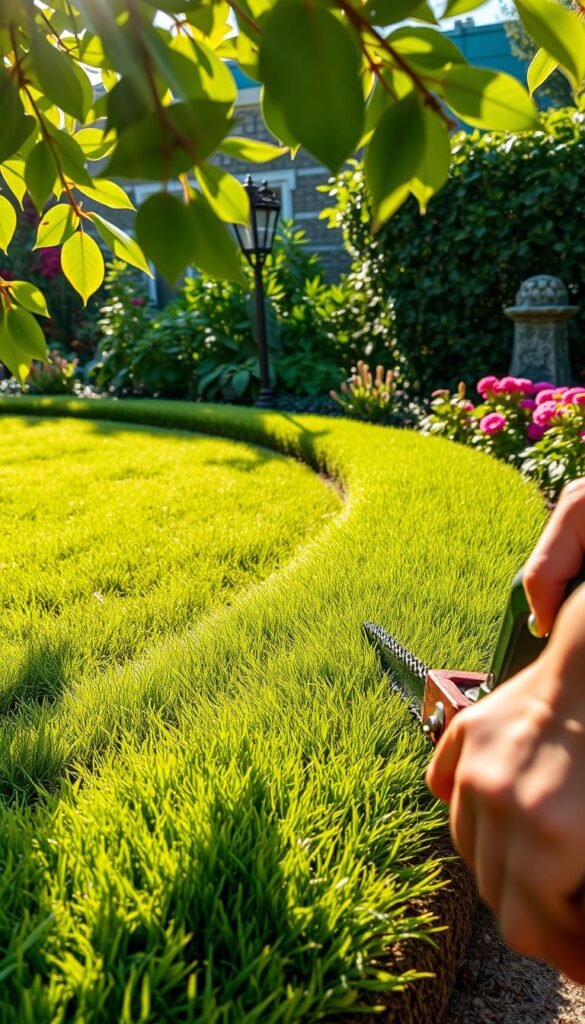
Smart upkeep strategies ensure your borders stay defined through changing seasons. Like brushing teeth prevents cavities, regular care stops small issues from becoming major projects. Let’s explore how to protect your hard work while saving time.
Regular Trimming and Mulching Strategies
Ray Baker recommends trimming every 14-21 days during active growth. Use string trimmers at 10-degree angles to preserve trench walls. For tight spaces, manual shears offer precision without damaging materials.
Refresh mulch every spring and fall. A 3-inch layer prevents grass invasion while retaining moisture. Combine this with growth regulators like “Edgeless” to reduce trimming frequency by up to 40%.
| Material | Maintenance Task | Frequency | Tools Needed |
|---|---|---|---|
| Stone/Brick | Pressure washing | Annual | Power washer, scrub brush |
| Metal | Rust treatment | Biannual | Wire brush, rust converter |
| Plastic | Debris removal | Monthly | Hand rake, garden hose |
Avoiding Common Maintenance Pitfalls
Never let grass overgrow edges by more than ½ inch. Overgrown turf weakens borders and requires complete re-cutting. Schedule quick touch-ups after mowing sessions when possible.
Watch for these issues:
- Rust streaks on metal edging
- Algae buildup on shaded stone
- Cracked plastic from UV exposure
Incorporate edge checks into your regular lawn care routine. Quick inspections catch problems early, preserving your landscape’s polished appearance with minimal effort.
Innovative Edging Ideas for Unique Garden Designs
Your outdoor space becomes a true reflection of personal style when you think beyond standard solutions. Creative boundary treatments add character while serving practical needs—let’s explore approaches that turn functional elements into artistic statements.
Repurposing Materials for Eco-Friendly Edges
Old bricks from demolition sites make charming borders with weathered appeal. Glass bottles buried neck-down create shimmering lines that catch sunlight. Even discarded tires, sliced and painted, form durable curves for playful spaces. These upcycled options reduce waste while adding story-driven details to your landscape.
Incorporating Mixed Materials for a Modern Look
Combine industrial metal strips with rough-hewn wood for contrast that pops. Try alternating concrete pavers with river rocks in staggered patterns. Landscape architect Mara Hoffman suggests: “Lay steel edging flush with walkways, then let ornamental grasses soften the transition.” This fusion of textures keeps eyes moving across your design.
Whether crafting rustic charm or sleek modernity, your choices define the space’s personality. Experiment with unexpected pairings—you might discover the perfect balance between bold innovation and timeless appeal. Remember: great gardens aren’t just grown, they’re thoughtfully framed.