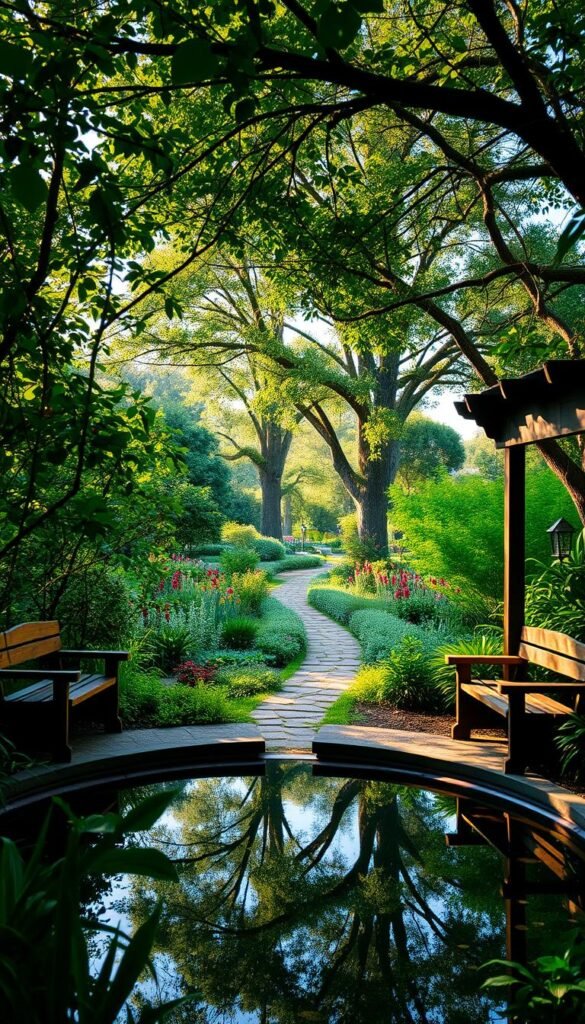
Your backyard holds untapped potential to become more than just a lawn or storage area. With intentional planning, it can evolve into a calming escape that reduces stress and sparks joy. Studies show spending time in nature-rich environments lowers anxiety and improves focus—benefits you can harness right outside your door.
You don’t need professional landscaping skills or endless funds to create a meaningful retreat. Whether working with acres or a studio-sized patio, the core principles remain simple: prioritize comfort, incorporate greenery, and design for how you want to feel in the space. Even small touches like fragrant herbs or string lights can transform ordinary areas into cozy nooks.
This guide walks through practical steps to shape your vision, from choosing functional layouts to adding sensory details. Discover how blending textures, colors, and natural elements fosters tranquility. For those drawn to whimsical charm, explore how fairytale vibes can elevate your setup without complexity.
Your oasis should reflect what relaxes you—whether that’s a reading corner under a tree or a firepit gathering spot. Let’s turn everyday outdoor areas into personalized havens that nurture well-being through all seasons.
Understanding Your Outdoor Vision
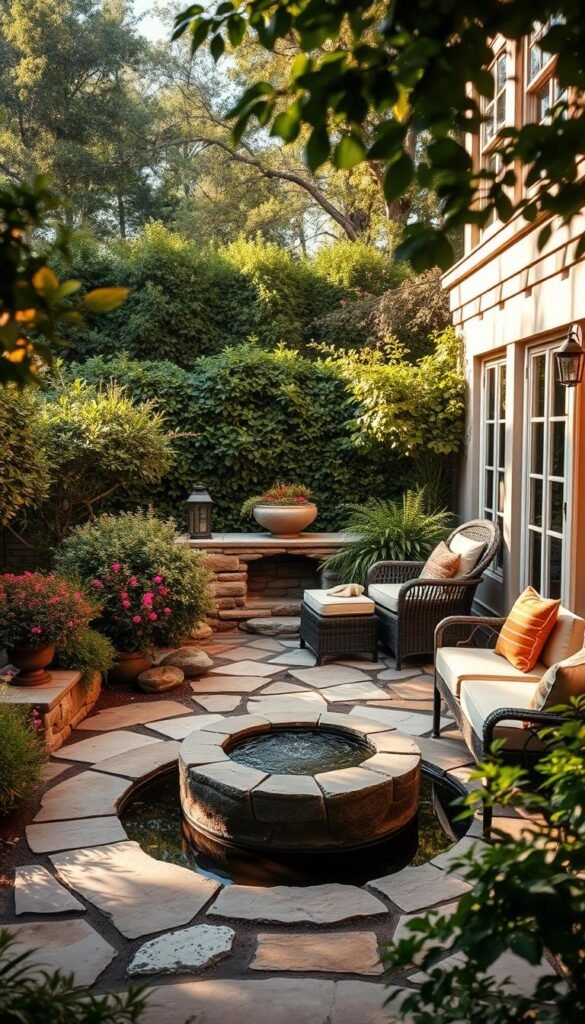
What makes an outdoor area truly yours? Start by imagining how you’d love to spend time there. Do you crave lively dinners under string lights or silent mornings with coffee? Your vision shapes every choice, from seating arrangements to plant selections.
Defining Your Ideal Retreat Space
Ask yourself: Does unwinding mean potting plants or lounging with a book? Active relaxation might include herb gardens or DIY projects, while passive moments call for hammocks or meditation corners. Jot down three activities that spark joy—this list becomes your blueprint.
Next, evaluate your current space. Note where sunlight floods the area at noon or which spots feel exposed. Privacy screens or climbing vines can transform overlooked zones into intimate rooms.
Identifying Key Elements for Relaxation
Create zones for different needs using these ideas:
- A shaded reading nook near fragrant lavender
- Movable chairs for sunset gatherings
- Potted evergreens to block street noise
Balance aesthetics with practicality—low-maintenance succulents thrive in sunny spots, while ferns add lushness to shady corners. Remember: Your retreat should adapt to seasonal changes without demanding constant upkeep.
Step-by-Step Guide: Home Garden Design Inspiration: Creating Your Personal Outdoor Retreat
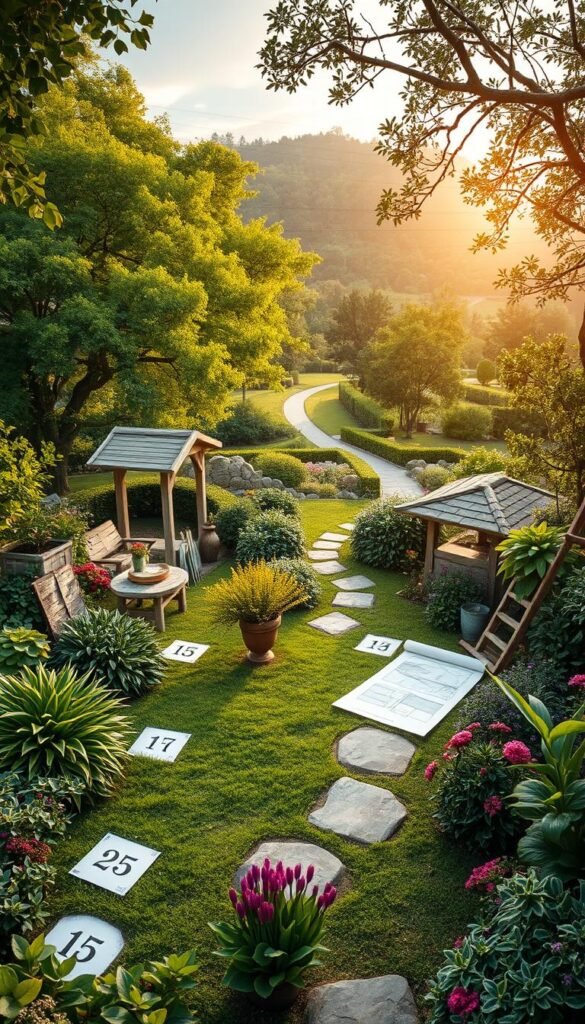
Transforming your yard into a calming retreat doesn’t require grand gestures. Start by asking: “What moments do I want to create here?” Whether it’s morning coffee with birdsong or evening stargazing, clarity fuels smart decisions. Small, intentional changes often deliver the biggest mood boost.
Smart Planning for Lasting Results
Begin with a priorities checklist. Rank projects by their impact on daily joy versus cost and effort. A $30 Adirondack chair under a tree creates instant relaxation, while saving pricier landscaping upgrades for later phases. Use free apps to sketch layouts and track sun patterns—knowledge is power when placing plants or seating.
Allocate funds using the 50-30-20 rule: 50% for essentials like seating, 30% for greenery, 20% for future upgrades. This balance lets your backyard evolve without financial stress. For budget-friendly ideas, consider elevating your space with thrifted pots or DIY mulch paths.
- Measure your space to avoid overcrowding
- Choose 3-5 low-maintenance plants as anchors
- Photograph progress monthly to spot trends
Phase projects over seasons. Summer could focus on shade solutions, while fall introduces hardscaping. This gradual method builds confidence and lets you adjust plans as needs shift. Remember: Your retreat grows with you, one thoughtful step at a time.
Designing Cozy and Private Garden Nooks
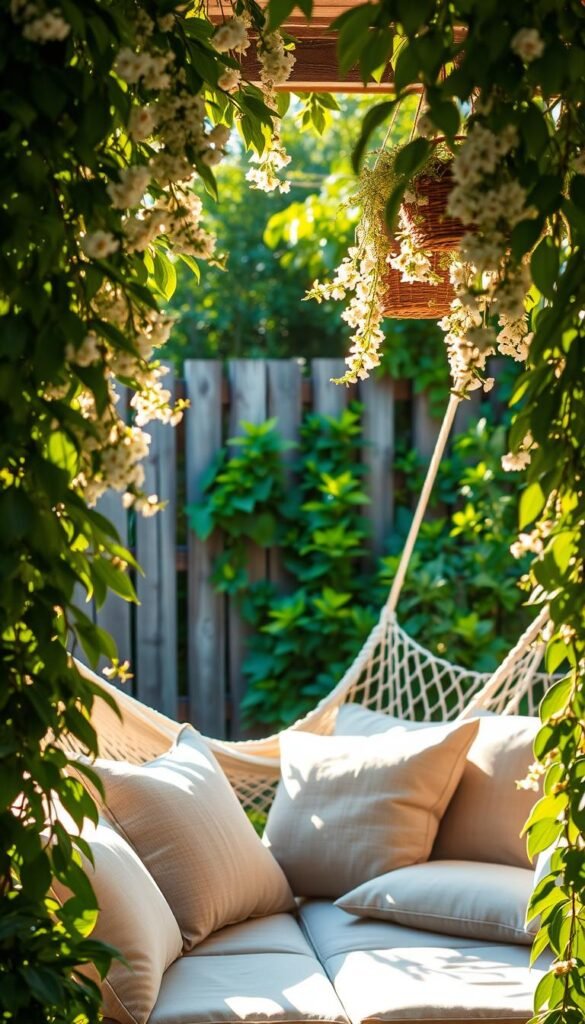
The magic of a great retreat lies in its hidden corners—those snug spots where you can unwind without feeling exposed. Nooks tap into our innate love for sheltered spaces, offering both psychological comfort and practical solitude. Start by scouting areas that naturally whisper “stay awhile.”
Selecting Secluded Spots for Intimate Seating
Look for existing architectural features or plant formations that create natural boundaries. A curved wall draped in ivy or a cluster of birch trees forms instant privacy. Spaces near water features or wind-chimed corners add soothing background noise to mask neighborhood sounds.
Try placing your seating area where two hedges meet at an angle, creating a protective embrace. These organic alcoves feel intentional yet effortless—perfect for morning journaling or twilight conversations.
Flexible Furniture and Custom Layouts
Opt for lightweight pieces like resin wicker chairs or foldable stools that let you chase sunlight or shade. A 36-inch round table fits four people comfortably without dominating small nooks. Use weather-resistant cushions in neutral tones to maintain visual calm.
Rotate your setup seasonally: face chairs toward flowering shrubs in spring, then pivot toward fire pits come fall. This adaptability keeps your seating arrangements feeling fresh with minimal effort.
Using Natural Screens for Quick Privacy
Bamboo shines as a fast-growing solution—the ‘Golden Goddess’ variety reaches 8 feet tall in two years without invasive spreading. Pair tall grasses with lattice screens for layered privacy that dances in the breeze.
For permanent structures, mix materials: stone walls with climbing roses, or cedar fences peeking through maple branches. These combinations create depth while softening hard lines.
Remember: Your coziest corner might emerge where you least expect it. Test different configurations until you find the balance between seclusion and connection to the wider patio or yard.
Incorporating Relaxing Elements into Your Garden
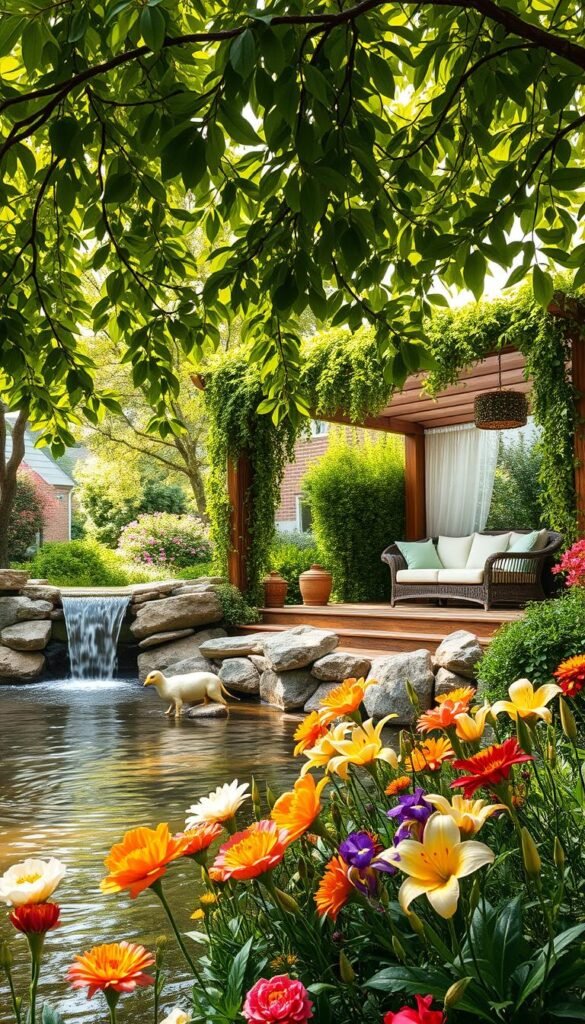
The secret to a serene space lies in elements that engage both sight and sound. By combining flowing water, warm glows, and earthy materials, you craft an environment that feels like a natural extension of your indoor comfort.
Enhancing the Atmosphere with Water Features
Moving water adds instant calm. A compact stone fountain creates soothing white noise, masking traffic sounds while attracting birds. For smaller areas, self-contained units require minimal setup—just plug in and enjoy the ripple effect.
| Type | Best For | Maintenance | Cost Range |
|---|---|---|---|
| Tabletop Fountain | Balconies | Weekly cleaning | $50-$200 |
| Pondless Waterfall | Medium yards | Seasonal pump care | $300-$800 |
| Tiered Fountain | Focal points | Annual sealant | $1,000+ |
Pair water elements with foliage for layered tranquility. Ferns near a basin thrive in misty conditions, while ornamental grasses swaying beside a pool add motion.
Implementing Warm Lighting and Natural Textures
Swap harsh bulbs for solar-powered string lights or recessed deck fixtures. Layer sources: path lights for safety, lanterns for intimate dining spots, and dimmable LEDs near seating. This approach lets you adjust the space feel from brunch-bright to twilight-cozy.
Incorporate raw materials like teak benches or woven rattan stools. These textures age gracefully and blend with surrounding nature. For fire lovers, a compact fire pit surrounded by smooth river rocks offers warmth and crackling ambiance without dominating your layout.
Personalizing Your Outdoor Retreat with Natural Elements
Nature offers the perfect palette to craft spaces that feel uniquely yours. By blending fragrant plants and textured greenery, you create an environment that delights the senses while supporting local ecosystems. Start by selecting species that thrive in your climate and align with your desired maintenance level.
Curating Sensory-Rich Plant Combinations
Provence Lavender shines in sunny spots, releasing calming scents from its purple blooms while requiring minimal watering. For shaded corners, try sweet woodruff—its star-shaped foliage emits a vanilla-like aroma when brushed. Cluster these near seating areas to amplify relaxation.
Create natural privacy screens with fast-growing trees like arborvitae or flowering shrubs like lilac. Their dense foliage blocks unwanted views while attracting hummingbirds. Underplant with bee balm or salvia to sustain pollinators through summer.
- Low-maintenance pairings: Russian sage + catmint (full sun)
- Shade lovers: Ferns + coral bells (dappled light)
- Container stars: Citrus trees + trailing rosemary (portable scent)
Rotate seasonal accents in movable pots—tulips in spring, hydrangeas in summer, ornamental kale for fall. This approach keeps your landscaping fresh without permanent changes. Remember: Layered planting creates depth while reducing bare patches that demand weeding.
Integrating Functional Structures and Layouts
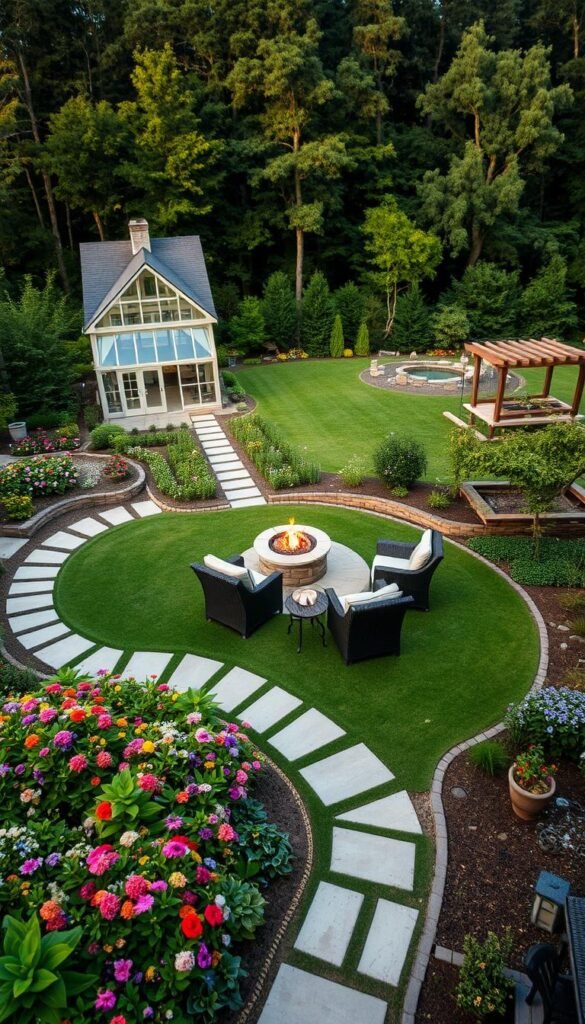
Smart layouts turn ordinary yards into versatile retreats that grow with your needs. By blending open areas with purposeful structures, you create a dynamic environment for relaxation and connection. Start by mapping how sunlight, wind patterns, and existing walls or trees influence your backyard flow.
Designing Multi-Zone Spaces for Rest and Activity
Divide your space using natural dividers like raised planters or low stone borders. A 6×8-foot patio section becomes a meditation zone with foldable screens and wind chimes. Nearby, position dining areas near the house for easy meal access.
Consider these pairings:
- Morning coffee spot: West-facing bench + trailing ivy
- Social hub: Fire pit encircled by weatherproof stools
- Creative corner: Fold-down desk under a pergola
Adding Shelters, Pergolas, and Garden Rooms
Overhead structures extend your backyard usability through seasons. In rainy climates, aluminum awnings shield reading nooks. Sun-drenched regions benefit from retractable shade sails that block UV rays without darkening the space.
| Structure | Best Use | Weather Protection | Cost Range |
|---|---|---|---|
| Pergola | Partial shade | Sun/light rain | $1,200-$4,000 |
| Gazebo | Full coverage | Rain/snow | $5,000-$15,000 |
| Garden Room | Year-round use | All seasons | $8,000-$25,000 |
Match materials to your home’s architecture—cedar lattices complement rustic landscape designs, while powder-coated steel suits modern patio setups. For tight budgets, DIY bamboo walls with transparent roofing panels offer affordable semi-enclosed options.
Your Next Steps to a Beautiful Outdoor Escape
Crafting your ideal outdoor escape begins with embracing progress over perfection. Start by placing one comfortable chair where sunlight filters through trees—add a side table for coffee or books. String up solar lights for evening ambiance, then introduce potted herbs or flowering annuals. These simple acts transform underused corners into inviting retreats.
Focus on high-impact, low-cost changes first. Paint faded fences to refresh your backdrop. Repurpose thrifted containers as planters for trailing ivy or succulents. Define seating areas with affordable gravel or mulch paths. Each small win builds momentum and reveals what truly matters in your space.
Let your backyard evolve organically. Swap seasonal plants, rearrange furniture for fresh perspectives, or add a water feature when ready. Track what brings you joy through photos or notes—this becomes your personalized playbook for future upgrades.
Remember: thriving gardens grow through experimentation. Connect with local nurseries for climate-smart greenery ideas. Follow Pinterest boards showcasing compact patio designs. Most importantly, give yourself permission to edit and adapt as needs shift. Your peaceful nook isn’t a final product—it’s a living canvas that mirrors your journey toward calm.