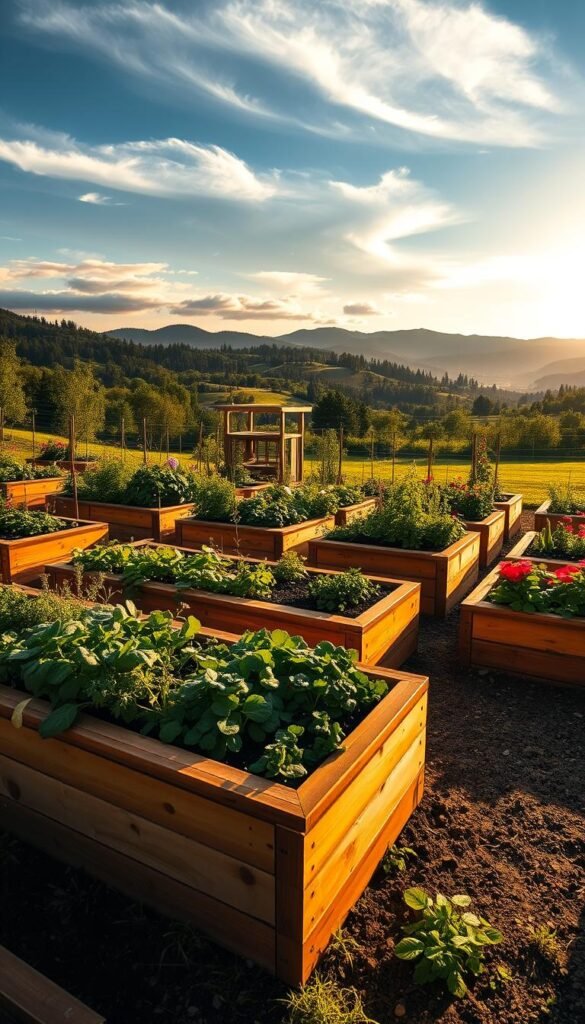
Imagine stepping into your backyard and seeing lush, thriving plants instead of struggling patches of greens. That’s the magic of switching to elevated growing spaces. Unlike traditional methods, these systems give you complete control over your soil, drainage, and plant health—transforming how you interact with your outdoor area.
Why are so many gardeners making the change? For starters, you’ll say goodbye to poor soil quality. Whether dealing with heavy clay or pests, you can fill your raised bed with nutrient-rich mixes tailored to your crops. This customization leads to healthier roots and bigger harvests—sometimes in half the space of conventional plots.
Water management becomes simpler, too. Elevated structures drain excess moisture efficiently, preventing root rot during heavy rains. Plus, their height reduces bending, making planting and weeding easier on your back. If you’re ready to start, this step-by-step guide walks you through creating your own.
Beyond practicality, these gardens add visual charm. Neatly framed beds create defined lines that blend seamlessly into your yard’s design. You’ll also extend your growing season since soil warms faster in spring—letting you plant earlier and harvest later. It’s no wonder both beginners and experts are rethinking their approach to outdoor spaces.
Understanding Raised Bed Garden Advantages
Elevated planters unlock new possibilities for home growers. Unlike traditional methods, these systems let you sidestep common challenges while boosting productivity. Let’s explore two game-changing features that make them worth considering.
Enhanced Soil Management
Your plants thrive when you control their foundation. With raised beds, you’re not stuck with whatever dirt exists in your yard. Mix compost, peat moss, and vermiculite to create a fluffy, nutrient-packed home for roots. This tailored approach prevents issues like clay compaction or contaminated ground.
Better drainage means no more swampy soil after storms. Water flows freely through the loose mix, giving roots oxygen while retaining moisture. For those starting fresh, this square-foot gardening on a budget guide shows how to maximize every inch.
Improved Accessibility and Organization
No more kneeling in mud or straining your back. The elevated height brings plants closer to you, making tasks like weeding simpler. Arrange multiple beds to create dedicated zones for herbs, flowers, or veggies—keeping your garden tidy and functional.
Separate aggressive growers from delicate plants to prevent overcrowding. Rotate crops easily between seasons without disturbing neighboring sections. This structure turns chaotic patches into a productive, eye-catching layout.
Elevating Your Garden with Creative Design Concepts
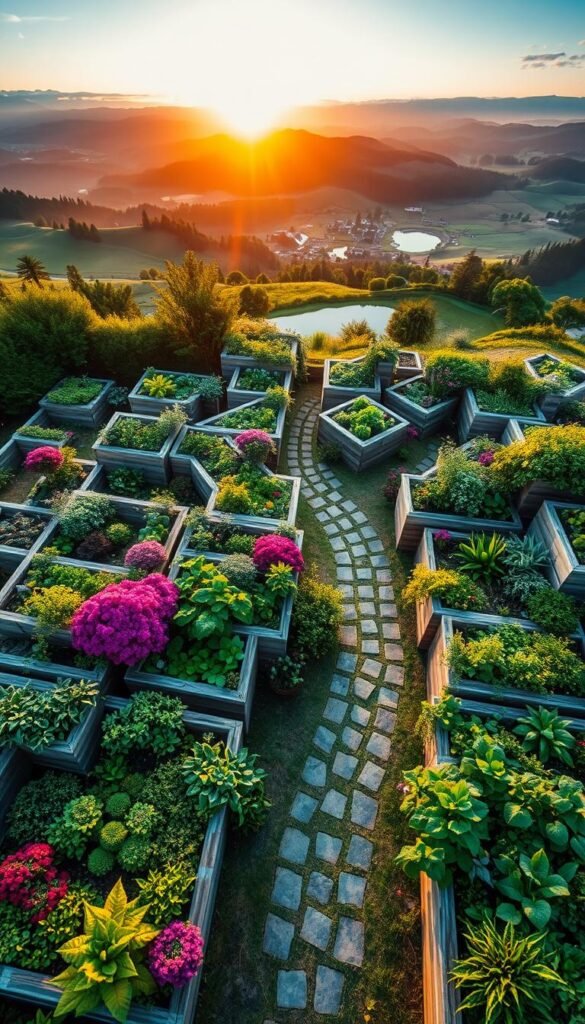
Who says practical can’t be pretty? Structured growing areas let you blend artistry with functionality, turning basic plots into eye-catching outdoor features. With smart design choices, your planting zones become extensions of your backyard’s personality—no more hiding unruly veggies behind fences.
Aesthetic Appeal and Visual Interest
Think of your raised beds as living sculptures. Frame them with ornamental grasses or trailing nasturtiums to soften edges. Pair bold red Swiss chard with purple basil for a punch of color that edible flowers like calendula can amplify. As one landscape designer notes:
“Layered plantings create depth—tall sunflowers at the back, mid-height peppers in the center, and creeping thyme spilling over edges.”
Use this approach to guide the eye while maximizing growing space. Even HOA committees will approve when tomatoes grow beside marigolds in neat, defined beds.
Mixing Textures and Colors
Contrast feathery carrot tops with spiky lavender leaves. Try this seasonal combo:
| Season | Texture Pairing | Color Contrast |
|---|---|---|
| Spring | Lettuce + Snapdragons | Green + Pastel Pink |
| Summer | Zucchini + Cosmos | Silver-Green + Crimson |
| Fall | Kale + Chrysanthemums | Deep Purple + Gold |
Rotate plants quarterly to maintain visual drama. The right mix keeps your garden Instagram-ready while supporting pollinators. Remember: fuzzy lamb’s ear leaves make great tactile accents beside glossy eggplants!
Maximizing Garden Space and Function
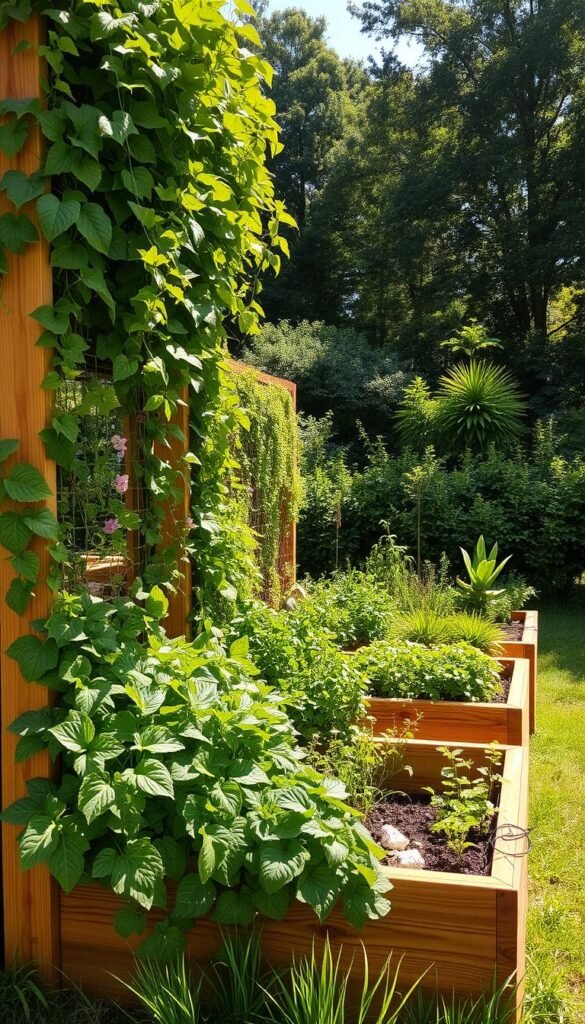
Unlock the full potential of your growing area by working smarter, not harder. Vertical techniques let you harvest 3x more food from the same raised bed while keeping maintenance manageable.
Vertical Gardening Techniques
Go upward with vining plants like pole beans or cucumbers. A simple A-frame trellis adds 6-8 feet of growing room above ground. Below it, shade-tolerant greens thrive. Try this combo:
| Vertical Crop | Support Type | Companion Plants Below |
|---|---|---|
| Snow Peas | Mesh Grid | Spinach + Radishes |
| Malabar Spinach | Obelisk | Basil + Carrots |
| Mini Pumpkins | Arbor | Lettuce + Onions |
Use tiered planters on bed edges for strawberries or herbs. One gardener transformed a 4×8’ area into a layered edible wall yielding 15+ vegetables monthly. Their secret? Rotating quick-growing crops like arugula between trellised tomatoes.
For narrow spaces, install wall-mounted pockets with trailing nasturtiums. They’ll beautify your garden while repelling pests. Remember: vertical systems need sturdier soil – mix in extra compost to handle root stress.
Exploring the Benefits of Raised Bed Garden Design in Landscape Planning
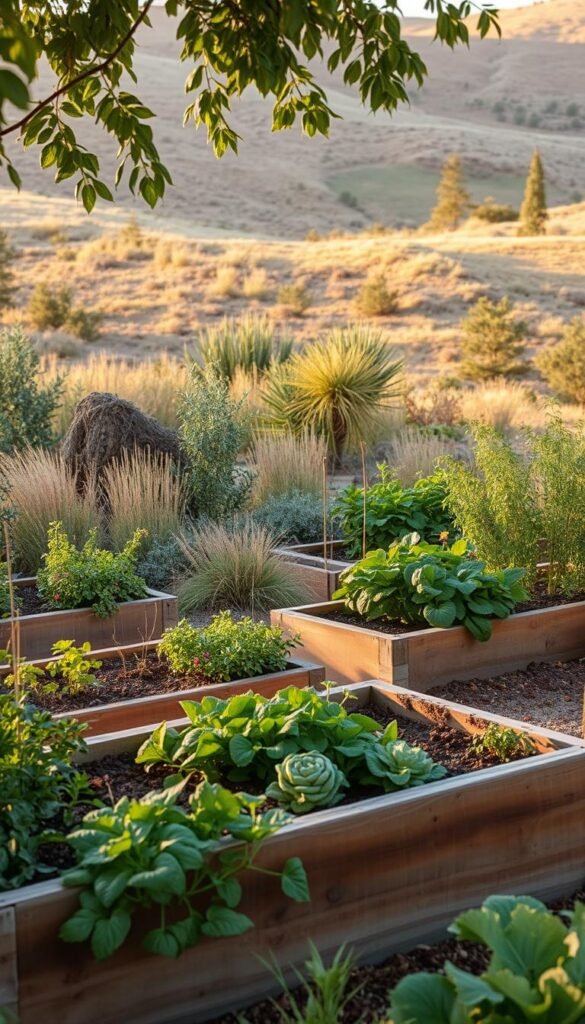
Your outdoor space becomes a canvas when you embrace structured planting zones. These versatile systems adapt to any yard size or style, turning forgotten corners into vibrant garden
From sleek urban patios to sprawling country estates, raised beds create clear visual boundaries while softening hardscapes. A local landscape architect shares:
“Clients love how cedar planters define their pool area while growing fresh herbs – it’s form meeting function at its finest.”
Discover how these systems solve multiple challenges through smart design:
| Landscape Style | Bed Material | Key Function |
|---|---|---|
| Modern Minimalist | Corten Steel | Slope Stabilization |
| Cottage Charm | Reclaimed Brick | Pollinator Habitat |
| Family-Friendly | Composite Lumber | Child-Safe Edging |
Beyond beauty, structured planters combat soil erosion on hillsides. Their contained soil stays put during heavy rains, protecting your property’s foundation. Maintenance becomes simpler too – say goodbye to trampled plants with clearly defined walking paths.
Real estate experts note that well-designed raised bed installations can boost curb appeal by 12-18%. For those seeking inspiration, this comprehensive guide to raised bed benefits offers practical tips. Whether creating an edible hedge or tiered flower display, your garden evolves effortlessly as needs change.
Optimizing Soil Quality and Drainage
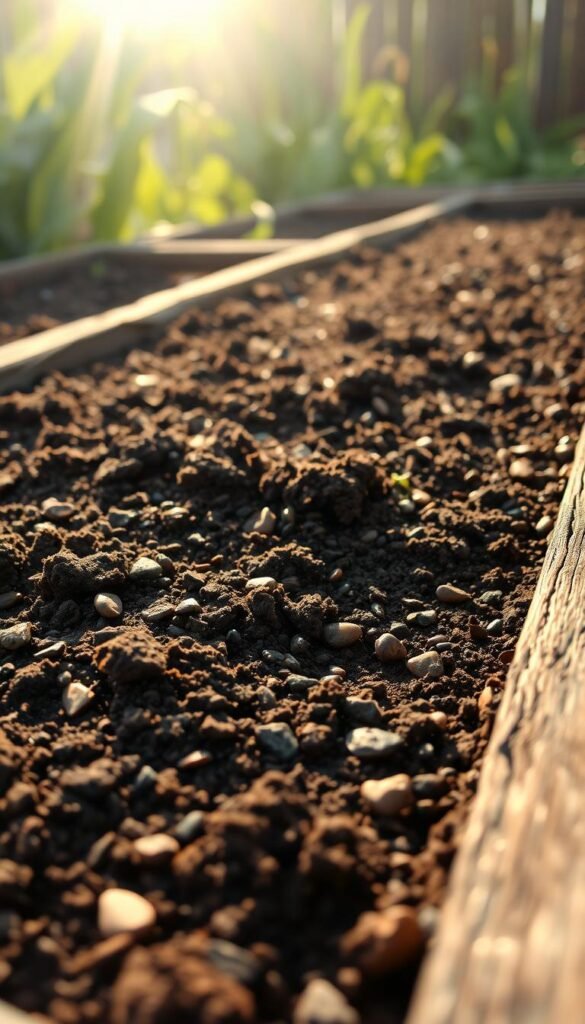
The secret to thriving plants starts beneath the surface. Unlike traditional plots, structured growing spaces let you craft the perfect underground environment. This approach solves two major challenges: inconsistent dirt quality and unpredictable moisture levels.
Superior Soil Control
You decide what fills your raised beds. Mix these ingredients for success:
- Blended compost (nutrient powerhouse)
- Peat moss (moisture regulator)
- Vermiculite (aeration champ)
This trio creates fluffy, oxygen-rich dirt that roots adore. Say goodbye to clay clumps and contaminated ground. Need inspiration? Our guide to square-foot gardening layouts shows smart soil strategies.
Efficient Water Management
Precision watering saves time and resources. Try these methods:
- Drip lines targeting root zones
- Soaker hoses under mulch layers
- Self-watering reservoirs for vacations
Contained beds prevent runoff better than open plots. Your plants drink deeply while excess moisture drains away—no swampy messes. One gardener cut her water use by 40% after switching to timed drip systems.
Inspiring Unique Raised Bed Layouts
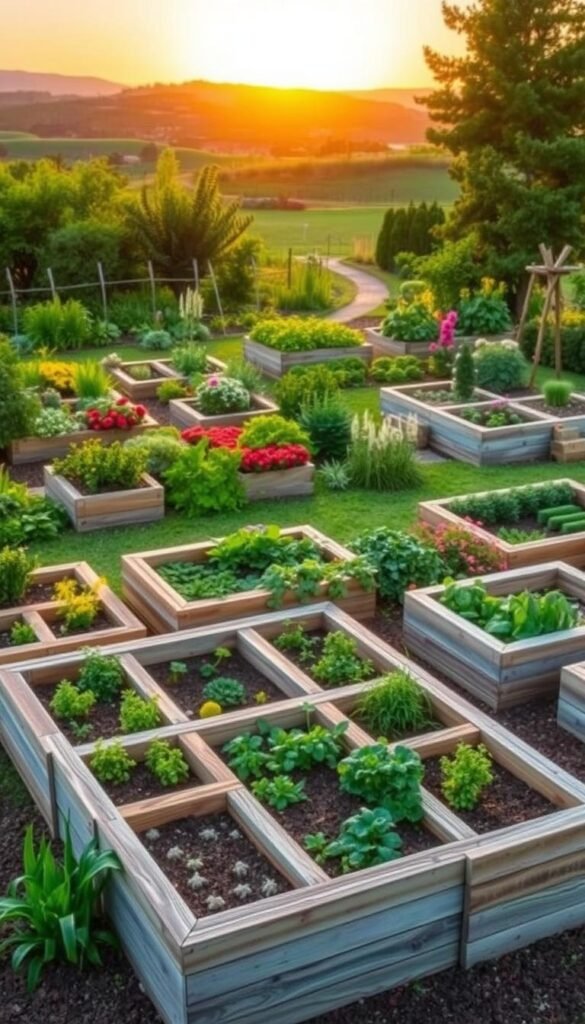
Break free from boring rectangles! Your outdoor area becomes a living art gallery when you experiment with unconventional raised bed configurations. These creative arrangements solve practical challenges while making your garden the neighborhood’s envy.
Innovative Shapes and Patterns
Swap straight edges for curves and angles. Circular beds create natural gathering spots, while hexagonal clusters mimic honeycomb efficiency. One gardener transformed a sloped yard using tiered L-shaped planters that follow the land’s contours. As landscape designer Mia Torres observes:
“Geometric patterns guide movement through the space—visitors instinctively follow winding paths between crescent-shaped beds.”
Try these showstopping layouts:
| Shape | Best For | Key Advantage |
|---|---|---|
| Clover Leaf | Small Yards | Maximizes corner spaces |
| Spiral | Herb Gardens | Creates microclimates |
| Zig-Zag | Slopes | Reduces erosion |
Combine different bed heights and widths for dynamic contrast. A 4’ diameter circle paired with 2’x8’ rectangles adds rhythm to larger areas. Leave 18-24” between structures for comfortable access—your knees will thank you!
Struggling with odd-shaped lots? U-shaped layouts wrap around obstacles like trees or AC units. These clever designs turn problem areas into productive spaces bursting with color and texture. Remember: irregular shapes need sturdier framing—use steel or composite boards for lasting curves.
Transforming Raised Beds into Landscape Focal Points
What if your vegetable patch became your yard’s star attraction? With clever design tricks, your growing spaces can command attention while boosting productivity. Let’s explore how to turn functional raised beds into conversation-starting features.
Start by playing with height. Stacked beds using stone or cedar create dramatic tiers. A three-level planter might host strawberries up top, kale in the middle, and trailing nasturtiums cascading below. This approach adds depth while tripling growing space.
Add motion with water features. A recirculating fountain in the center of a circular bed creates soothing sounds. Surround it with moisture-loving plants like mint or hostas. For smaller spaces, try a bubbling rock nestled among thyme and sedum.
| Material | Visual Effect | Best Plants |
|---|---|---|
| Weathered Stone | Rustic Charm | Lavender, Sage |
| Painted Metal | Modern Edge | Red Cabbage, Ornamental Grasses |
| Reclaimed Wood | Cottage Style | Peonies, Snapdragons |
Artistic touches elevate ordinary setups. Place a bronze heron sculpture among swamp milkweed, or install a mosaic-tiled trellis for scarlet runner beans. These elements shine year-round—even when flowers fade.
Lighting extends the magic into evenings. Solar-powered spotlights highlight textured bark or glowing autumn leaves. For holiday sparkle, wrap fairy lights around obelisks supporting sweet pea vines.
Need help blending these ideas? This guide on how to blend structured planters into your layout offers pro tips. Or explore creative outdoor upgrades that marry form and function.
Practical Building and Material Selection Tips
Building your garden’s foundation starts with smart material choices. Whether crafting a custom setup or opting for pre-made solutions, understanding durability and design needs ensures long-term success. Let’s break down the essentials for creating sturdy, attractive growing spaces.
DIY Considerations vs. Ready-to-Install Options
Handy with tools? Building from scratch lets you customize dimensions and materials. Cedar lumber resists rot naturally, while galvanized steel offers modern flair. You’ll need:
- Circular saw or handsaw
- Drill with wood/metal bits
- Level and measuring tape
Pre-cut kits save time if carpentry isn’t your forte. Brands like Birdie offer rust-proof metal beds that snap together in minutes. Compare these popular materials:
| Material | Best Use Case | Key Features |
|---|---|---|
| Cedar | Organic gardens | 5-7 year lifespan, natural look |
| Composite | High-moisture areas | Zero maintenance, recycled content |
| Steel | Modern landscapes | 20+ year durability, heat retention |
Composite beds blend recycled plastic with wood fibers—ideal for wet climates. For budget-friendly projects, explore no-dig gardening methods that pair well with simple wooden frames.
Pre-assembled options cost 30-50% more but eliminate construction headaches. Modular systems let you expand later—perfect for renters or evolving layouts. Consider your timeline: DIY takes 4-6 hours versus 20 minutes for snap-together models.
Developing Customized Planting Strategies
Your dinner plate starts with smart seed choices. Tailor your raised bed to grow what you love while boosting harvests. Focus on crops your household actually eats—no more zucchini overload if everyone prefers snap peas!
Plant Selection for Maximum Yield
Mix quick-growing vegetables like radishes with slower plants like tomatoes. Start beans and peas from seeds—they sprout fast and save money. Pair basil with tomatoes to repel pests naturally, as shown in this square-foot garden spacing guide.
Add marigolds between herbs to attract pollinators. Their bright blooms lure bees while deterring harmful insects. For continuous harvests, plant lettuce every two weeks in partial shade under taller crops.
Rotate crops yearly to keep soil healthy. Follow heavy feeders like corn with nitrogen-fixing peas. Track what grows where using a simple sketch—your future self will thank you during planning season!