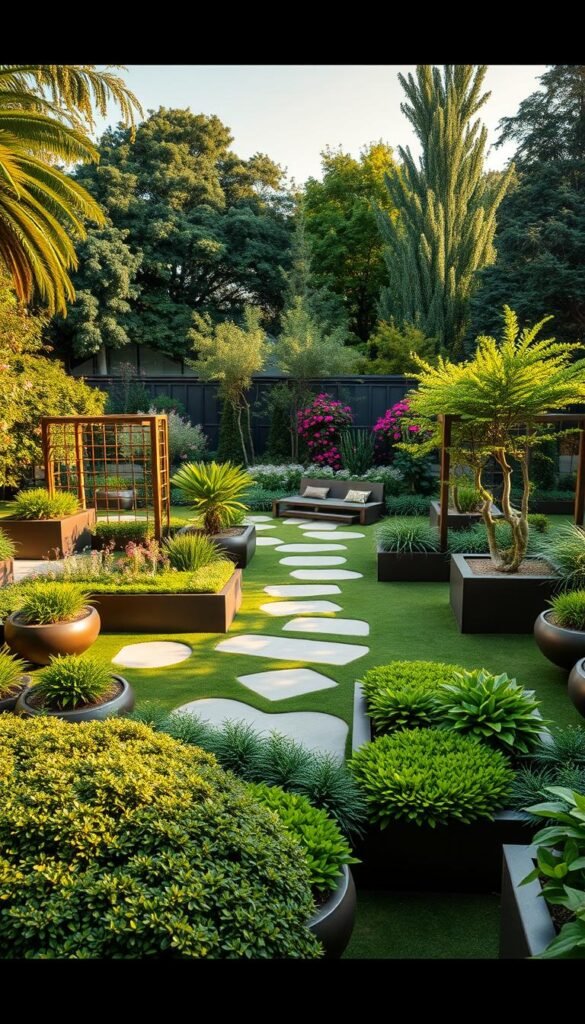
Imagine growing fresh herbs on your apartment balcony one season and cultivating flowers in a backyard setup the next – all using the same foundational pieces. That’s the power of reconfigurable planting systems reshaping how we interact with nature. These innovative setups let you build, expand, or downsize green areas as your needs shift, blending practicality with visual charm.
Unlike rigid traditional plots, these adaptable frameworks thrive in urban environments where square footage comes at a premium. You can start small with a single raised bed for tomatoes, then connect additional units vertically or horizontally as your green thumb grows. The real magic lies in how components snap together like botanical LEGO® bricks, creating endless layout possibilities.
What makes these systems truly stand out? Their ability to evolve alongside your lifestyle. Moving homes? Take your garden with you. Switching from veggies to succulents? Rearrange the modules effortlessly. This approach eliminates the “permanent mistake” anxiety that haunts many first-time plant enthusiasts.
Beyond personal convenience, these smart configurations address larger environmental needs. They reduce material waste through reusable parts and optimize water usage via integrated drainage – crucial factors as sustainable practices become non-negotiable for eco-conscious growers.
Introduction to Modular Garden Design Elements
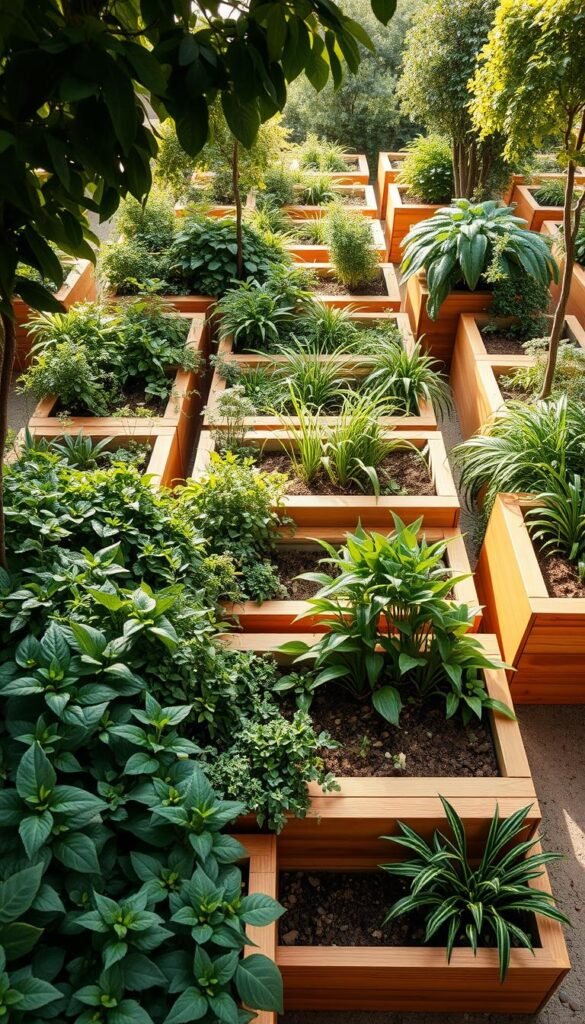
Picture rearranging your outdoor space like puzzle pieces – that’s the core idea behind modern planting solutions. These systems let you build gardens that grow with you, not against you.
What Are Modular Garden Beds?
Modular beds are like building blocks for plants. Individual units made from cedar, galvanized steel, or recycled plastics snap together to form raised planting areas. Unlike fixed beds, they let you:
- Expand or shrink your growing space seasonally
- Mix shapes – squares with curves or tiers
- Elevate plants for better drainage and pest control
Foundations of Flexibility and Customization
The magic lies in the connection system. Interlocking joints let you reconfigure layouts without tools – perfect when experimenting with versatile modular planter boxes. Materials matter too:
- Wood offers natural warmth but needs sealing
- Metal brings industrial chic and longevity
- Composites resist rot and fading
This design approach turns cramped balconies into lush retreats and blank patios into edible landscapes. You control the layout today – and tomorrow.
The Advantages of Modular Garden Design Elements in Dynamic Spaces
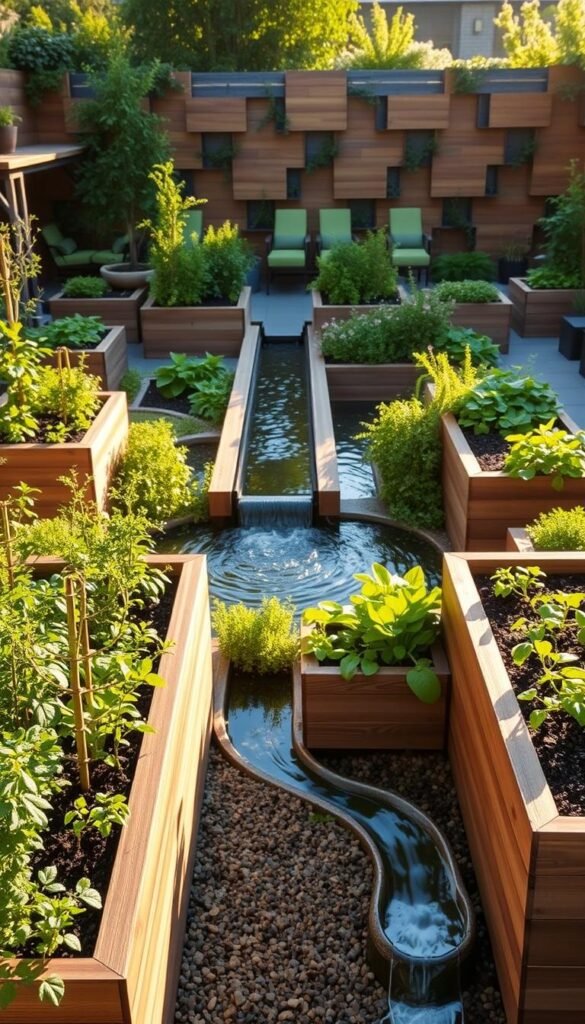
Your outdoor area isn’t static – why should your planting setup be? Modern gardening solutions let you reshape layouts as effortlessly as rearranging furniture. These systems blend personal style with eco-conscious practices, creating living spaces that reflect both your taste and values.
Enhanced Customization and Sustainable Benefits
Want a spiral herb garden today and a geometric succulent display tomorrow? Modular units make it possible. Their interlocking designs offer:
- Mix-and-match shapes for unique patterns
- Material choices matching your aesthetic
- Vertical expansions for creative vertical setups
Environmentally friendly manufacturing cuts waste by 30% compared to traditional methods. Components get reused across seasons – no more discarded materials when refreshing your layout.
| Feature | Modular Systems | Traditional Gardens |
|---|---|---|
| Cost Efficiency | 20% savings | Higher upfront costs |
| Material Waste | Low (pre-cut parts) | High (custom cuts) |
| Layout Changes | Tool-free adjustments | Demolition required |
Adapting Your Outdoor Space to Changing Needs
Life changes fast – your garden can keep up. Expanding families add more grow beds easily. Downsizing? Remove sections without damaging the rest. Seasonal shifts become simple:
- Swap summer veggies for winter greens
- Create shaded areas during heatwaves
- Protect delicate plants in harsh weather
This approach turns rigid yards into responsive environments. You save money through reusable parts while reducing your ecological footprint – a win for your wallet and the planet.
Exploring Eco-Friendly Materials and Flexible Outdoor Designs
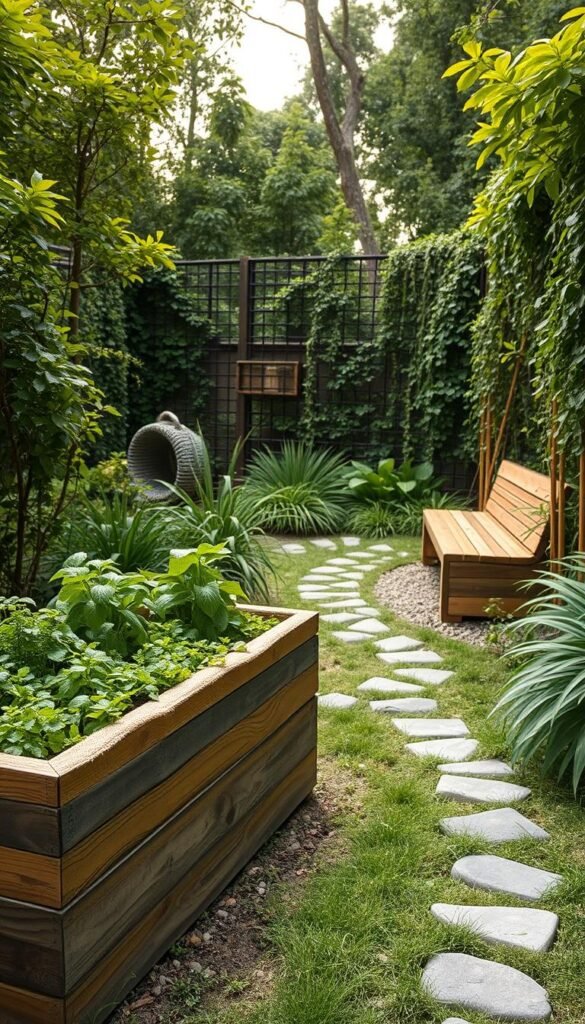
What if your garden could look stunning and fight climate change? Material choices make this possible. Today’s flexible systems let you merge style with ecological responsibility through smart construction decisions.
Eco-Friendly Materials for a Sustainable Garden
Recycled plastic bottles become weather-resistant planters. Reclaimed wood offers rustic charm without cutting new trees. These options slash your carbon footprint by 40% compared to traditional construction methods.
Three top performers stand out:
| Material | Benefits | Best For | Eco-Impact |
|---|---|---|---|
| Reclaimed Wood | Natural pest resistance | Rustic designs | Saves 15 trees/100 sq ft |
| Recycled Plastic | Zero rot | Urban spaces | Diverts 200 bottles/unit |
| Powder-Coated Steel | 50-year lifespan | Modern layouts | 100% recyclable |
Balancing Aesthetic Appeal and Durability in Materials
Cedar’s warm tones age beautifully but need yearly sealing. Composite blends mimic wood grain while resisting splinters. For elevating your space, try galvanized steel planters – their sleek lines pair perfectly with trailing vines.
Manufacturers now bake sustainability into production. Precise cutting reduces waste by 30% versus onsite building. You get durable designs that handle Midwest winters or desert heat without constant replacements.
Innovative Processes and Adaptability in Modular Garden Construction
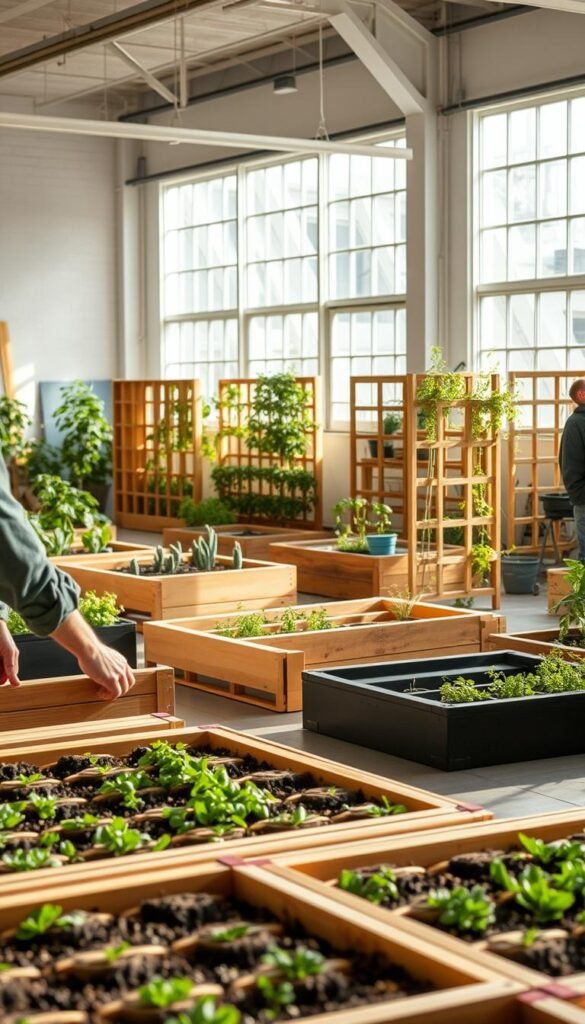
Modular systems turn complex garden setups into weekend projects. Unlike traditional construction methods that demand skilled labor, these prefabricated components arrive precision-cut from controlled factory environments. This ensures consistent quality while eliminating the guesswork of onsite measurements.
Step-by-Step Guide to Assembling Your Modular Garden Bed
Start by unboxing pre-numbered pieces – most kits snap together like 3D puzzles. Follow these steps:
- Lay foundation panels on level ground
- Connect sidewalls using interlocking joints
- Secure corners with provided fasteners
- Fill with soil mix and compost
- Plant according to spacing guidelines
This streamlined process lets you create professional-grade beds in under two hours. No masonry skills required.
Tool Selection and Strategic Location Tips
You’ll need basic tools: a rubber mallet for snug connections, a drill for optional reinforcements, and a level. For budget-friendly setups, skip power tools – many systems work with hand pressure alone.
Location matters as much as construction methods. Prioritize:
- Sun exposure: 6+ hours daily for veggies
- Access: 18” pathways between units
- Drainage: Slight slope prevents pooling
Factory-made precision means modules fit perfectly, whether you’re creating a balcony herb wall or backyard food forest. The ease of modification makes these systems ideal for renters and permanent homeowners alike.
Wrapping Up Your Modular Garden Journey
Your green space should grow as you do – not stay frozen in time. Modular systems let gardens shift with life’s twists, from career moves to new hobbies. Unlike rigid traditional construction, these setups reward experimentation while cutting waste.
Cost-effective solutions shine here. You save money through reusable parts and avoid demolition costs when refreshing layouts. Need proof? Modular beds install 3x faster than built-in planters, letting you focus energy on growing.
Materials matter too. Combine reclaimed wood’s charm with recycled plastic’s durability for gardens that age gracefully. Explore garden design principles to mix textures while keeping eco-impact low.
Adaptability drives long-term value. Start small with herbs, then add tiers for tomatoes or flowers. Facing seasonal shifts? Swap plants using container gardening strategies that prevent root rot and conserve water.
Every choice supports greener living. Modular construction slashes material waste by 40% compared to conventional methods. You’re not just building a garden – you’re joining a movement toward smarter outdoor spaces.
Ready to begin? Your future garden awaits – flexible, sustainable, and entirely yours. What will you grow first?