
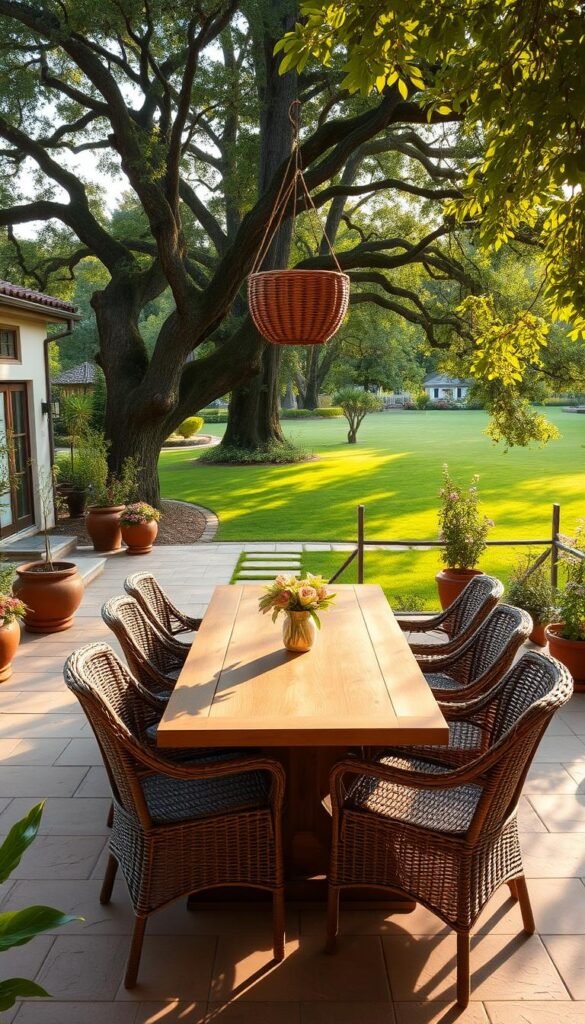
Imagine turning your backyard into a cozy spot for meals under the open sky. A well-planned space for alfresco dining blends comfort with nature, letting you savor meals while surrounded by greenery. Whether hosting friends or enjoying quiet mornings, this setup becomes your personal retreat.
Creating this kind of experience starts with smart planning. Think about how sunlight moves across your yard or where shade naturally falls. You’ll want enough room for seating without crowding flower beds or walkways. Even small areas can feel spacious with the right layout.
Your choices in furniture and decor shape the vibe. Mix durable materials with soft textiles to balance practicality and style. Add string lights or potted plants to make the space inviting after sunset. Every detail should reflect what makes you love spending time outdoors.
This guide walks through every step – from picking the perfect location to adding weather-resistant features. Soon, you’ll have a go-to spot that turns every meal into a fresh-air celebration.
Envisioning Your Ideal Outdoor Dining Experience
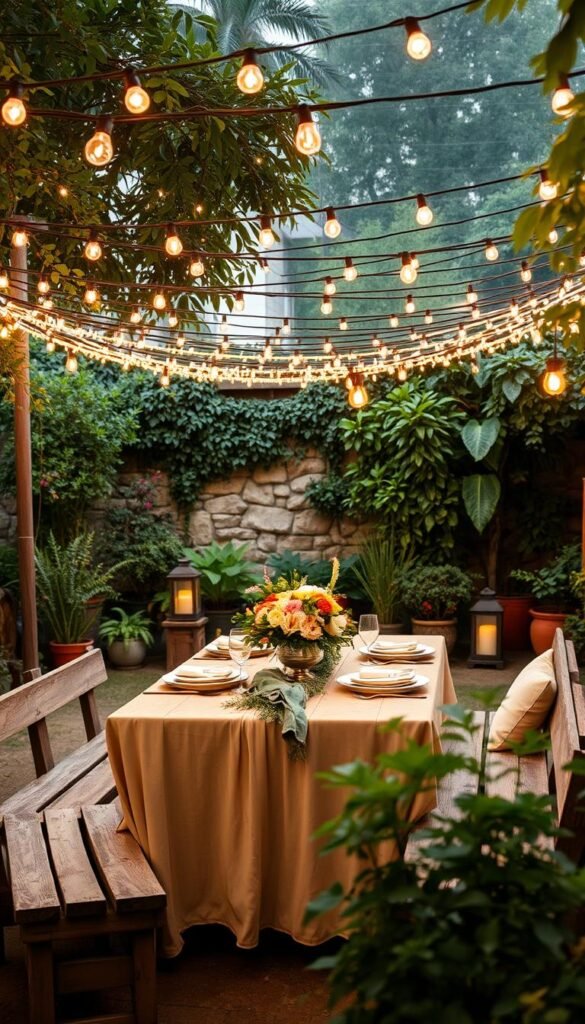
Picture yourself hosting memorable meals where laughter mingles with rustling leaves. To craft a spot that feels uniquely yours, start by imagining how you want to gather and connect. Will it be lively barbecues with neighbors or candlelit dinners for two? Your vision sets the stage for every design choice.
Defining Ambiance and Style
Soft lantern light or bold geometric patterns? Your style shapes the mood. Rustic wood tables might complement wildflower gardens, while sleek metal chairs suit modern spaces. Blend textures like woven placemats with smooth stone surfaces to add depth. Don’t forget – your outdoor area should mirror what makes you smile indoors.
Considering Space and Guest Needs
Measure your available room, but think beyond square footage. Leave space for serving dishes and easy movement between seats. If you often host 8+ people, consider extendable tables or clustered seating nooks. Smaller spaces shine with foldable benches or built-in planters that double as footrests.
Add personality through practical details: hanging herb gardens near the table or wind chimes that spark conversation. Test different layouts using chalk outlines before committing. A well-planned setup turns meals into moments that linger long after dessert.
Choosing Weather-Resistant Furniture & Layout Tips
What makes outdoor meals enjoyable year after year? The secret lies in furniture that laughs at rainstorms and layouts that welcome lively conversations. Start by balancing toughness with charm – your setup should handle nature’s surprises while inviting lingering coffee chats.
Material Selection for Durability
Teak and aluminum aren’t just pretty faces – they’re warriors against rust and rot. Poly lumber benches shrug off spilled wine, while synthetic wicker chairs stay splinter-free. “Your materials should work harder than your guests,” says one designer. For humid climates, powder-coated steel resists sticky moisture better than most.
Mix & Match: Comfort Meets Style
Who says practical can’t be plush? Deep-seated seating with quick-dry cushions turns brunch into an all-day affair. Try pairing a chunky wood table with sleek metal stools – the contrast sparks visual interest. Need flexibility? Extendable furniture options let you host eight cousins on Thanksgiving without turning your patio into a parking lot.
Remember spacing: 24 inches per person keeps elbows friendly. Round tables foster chatty vibes, while rectangular ones suit formal dinners. Add swivel chairs for easy transitions between courses and sunset views. When comfort marries durability, every meal feels like a vacation in your backyard.
Creating Functional Zones in Your Garden Layout
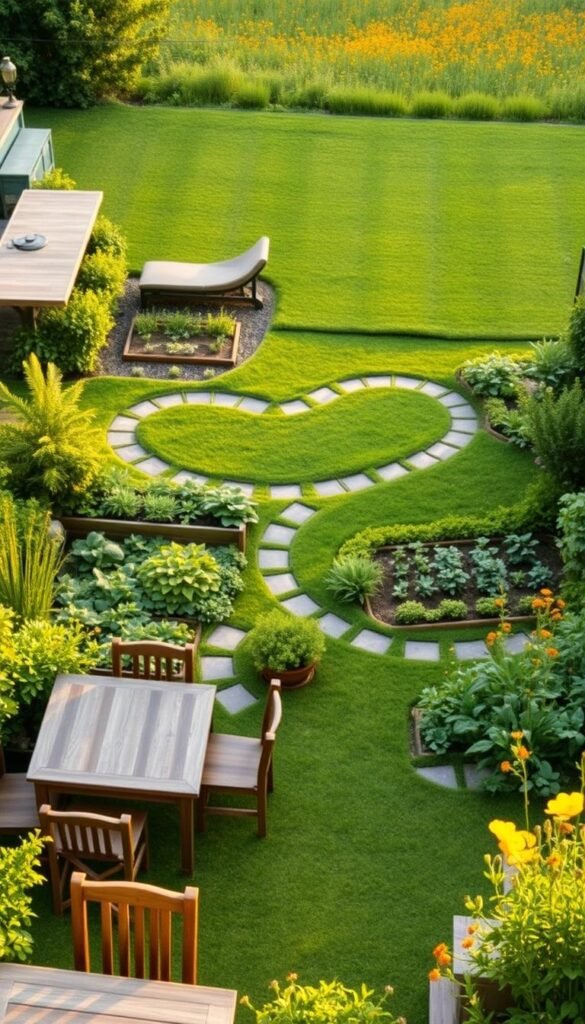
Transform your backyard into a series of purposeful spaces that make every gathering seamless. By dividing your patio or yard into dedicated areas, you enhance both functionality and flow. Think of it like designing rooms outdoors – each zone serves a unique role while working together harmoniously.
Dining Zone: The Heart of Connection
Center your table where sunlight or string lights naturally highlight meals. Allow 3 feet of space around chairs for easy access – nobody wants to squeeze past a grill mid-bite. Round tables encourage face-to-face chats, while rectangular ones fit snugly against garden zoning boundaries.
Lounge & Cooking: Supporting Acts
Flank the dining spot with plush seating – think weatherproof loveseats or swing chairs for post-meal relaxation. Keep the cooking zone close enough to serve dishes hot but far enough to avoid smoke drifting over guests. A compact cart with utensils becomes a mobile station for appetizers or drinks.
Use potted rosemary or low hedges to softly separate zones without blocking sightlines. Stone pathways or outdoor rugs guide movement between areas, ensuring smooth transitions from cocktails to dessert. When each space has clear purpose, your patio becomes a stage for effortless hosting.
Designing Outdoor Dining Areas within Your Garden Layout: A Step-by-Step Approach
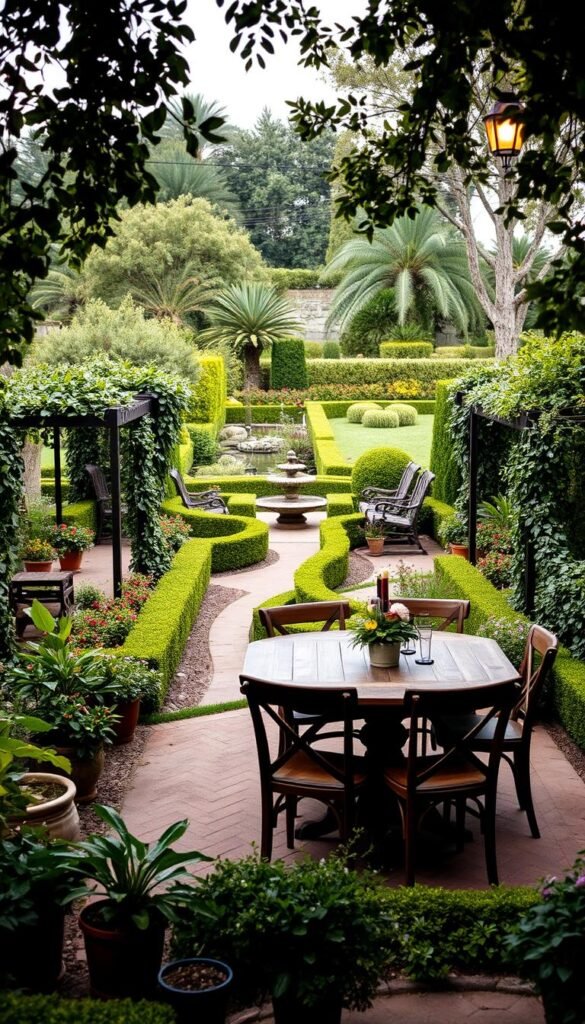
Crafting the perfect spot for meals under the stars begins with intentional choices. You’ll want a space that feels both welcoming and practical, blending nature’s charm with smart design. Start by mapping sun patterns and foot traffic to find your ideal location.
Establishing Your Vision
Ask yourself: How will this area serve you through seasons? A spot near your kitchen simplifies serving dishes, while partial shade from trees or structures keeps lunches comfortable. Overhead covers like pergolas add style while shielding from rain – plan these elements early to avoid costly changes later.
Selecting the Right Pieces for Your Space
Measure twice, buy once. Your table should leave room for chairs to slide out without bumping planters. Round shapes work wonders in tight corners, while rectangular options fit larger groups. Pair with chairs that withstand weather but still say “stay awhile” through plush cushions.
Layer in personality with creative gardening ideas like herb planters doubling as centerpieces. String lights draped above create magic when dusk falls, while outdoor rugs define the space softly. Remember – every choice should make your time here feel effortless and joyful.
Enhancing Ambiance with Lighting, Shade, & Decor
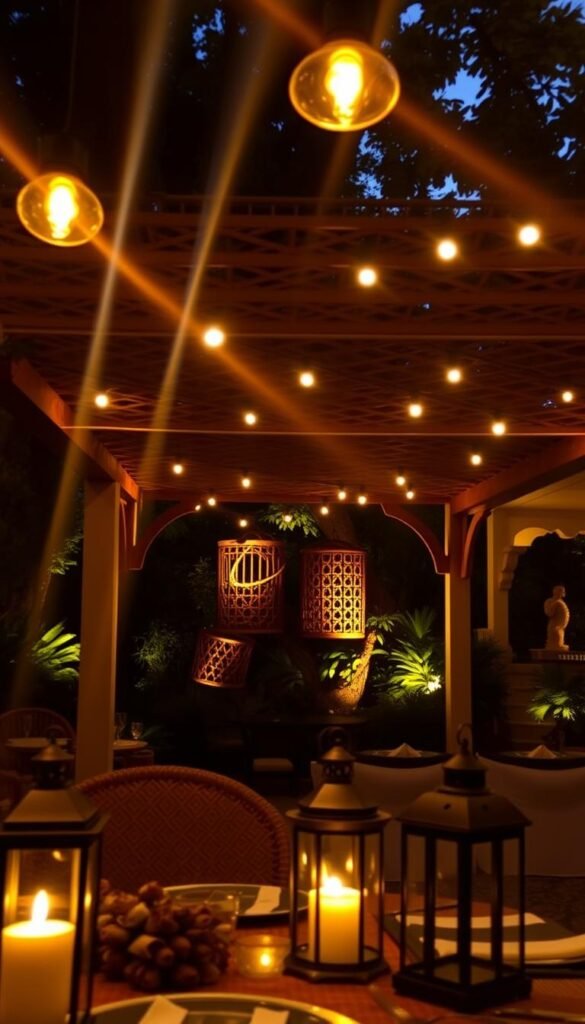
What transforms a simple meal into an enchanting event? The interplay of lighting, natural shade, and thoughtful decor. These elements work together to craft spaces that feel inviting day or night.
Incorporating String Lights and Ambient Illumination
Start by draping string lights above your seating area. Wrap them around pergola beams or tree branches to create a starry canopy effect. Pair these with lanterns on side tables or wall-mounted fixtures for layered brightness. “Ambient lighting isn’t just functional—it’s mood-setting magic,” notes a landscape designer.
Add fairy lights along pathways or fences for subtle guidance after sunset. Scatter flameless candles among potted plants to avoid wind mishaps while maintaining that warm glow.
Implementing Natural Shade Solutions
Pergolas draped with flowering vines like jasmine offer dual benefits: filtered sunlight and sweet aromas. For movable options, choose cantilever umbrellas that tilt to block harsh rays. Shade sails in neutral tones blend seamlessly while cooling your setup.
Arrange tall potted flowers like hydrangeas near seating corners. They soften edges and add pops of color. A well-placed trellis with climbing roses becomes both a privacy screen and living decor piece.
Adapting for Every Season & Maintaining Your Outdoor Dining Area
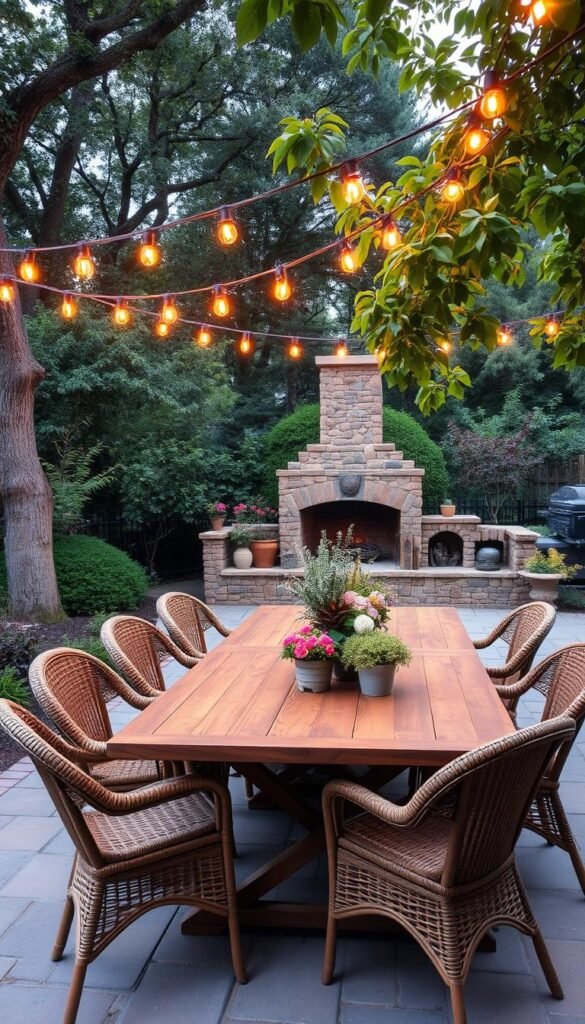
Turn your patio into a year-round retreat with smart seasonal tweaks and durable essentials. A versatile foundation lets you host spring brunches and winter gatherings without constant redecorating. The secret? Combine practical weatherproofing with playful accents that evolve with the calendar.
All-Weather Accessories and Seasonal Decor
Weather-resistant fabrics are non-negotiable. Opt for solution-dyed acrylic cushions that laugh at UV rays and quick-dry rugs that survive sudden rain. These pieces form your base layer – neutral tones work best for mixing with seasonal colors.
When temperatures dip, ceramic heaters or fire pits extend usability. For summer, misting systems or portable fans keep guests cool. Pro tip: Store these in labeled bins near your setup to save time during transitions.
| Season | Accessory | Benefit |
|---|---|---|
| Winter | Heated seat covers | Keep seating warm |
| Spring | Waterproof tablecloths | Resist rain showers |
| Summer | UV-resistant cushions | Fade-proof comfort |
| Fall | Fire pit tables | Extend evening gatherings |
Refresh your space quarterly with three strategic swaps: patterned tableware, textured throw pillows, and centerpiece planters. Store summer’s bright linens in vacuum bags to make room for autumn’s plaid blankets. A rolling cart stocked with holiday-specific decor lets you go from everyday to party-ready in minutes.
Finally, establish a monthly maintenance routine. Wipe down furniture after summer rainstorms and condition wood surfaces before winter. With these ideas, your setup becomes a chameleon – always welcoming, no matter what the forecast brings.
Elevate Your Outdoor Dining Experience for Unforgettable Gatherings
Turn every meal into an occasion with a thoughtfully arranged patio retreat. Your outdoor dining area becomes more than just a spot to eat—it’s where relaxation meets connection. Keep surfaces clean and furniture protected to maintain that fresh, inviting feel all season.
Adjustable parasols with tilt features let you control sunlight without blocking breezes. Arrange table chairs so guests face each other naturally, leaving room to slide out comfortably. This setup sparks conversation while keeping movement fluid.
As evenings cool, string lights and portable heaters extend your experience into starlit hours. Add weatherproof cushions in bold patterns to mix practicality with personality. Fresh herbs in centerpieces or colorful plates elevate casual dinners into gatherings worth remembering.
When friends linger over dessert or morning coffee turns into brunch, you’ll feel the magic of a space designed for joy. Simple touches—like matching napkin rings or wind-resistant candles—create a sense of occasion without effort.
Your patio isn’t just another room—it’s where memories simmer alongside meals. With smart upkeep and seasonal tweaks, this area grows richer with every shared laugh and quiet sunrise.