Your outdoor space is more than just plants and pathways—it’s a living canvas where your story unfolds. Like a well-loved room in your home, a garden becomes an extension of daily life, blending nature with personality-driven choices. When warm days arrive, the line between indoor comfort and outdoor wonder often disappears, creating seamless transitions for relaxation and connection.
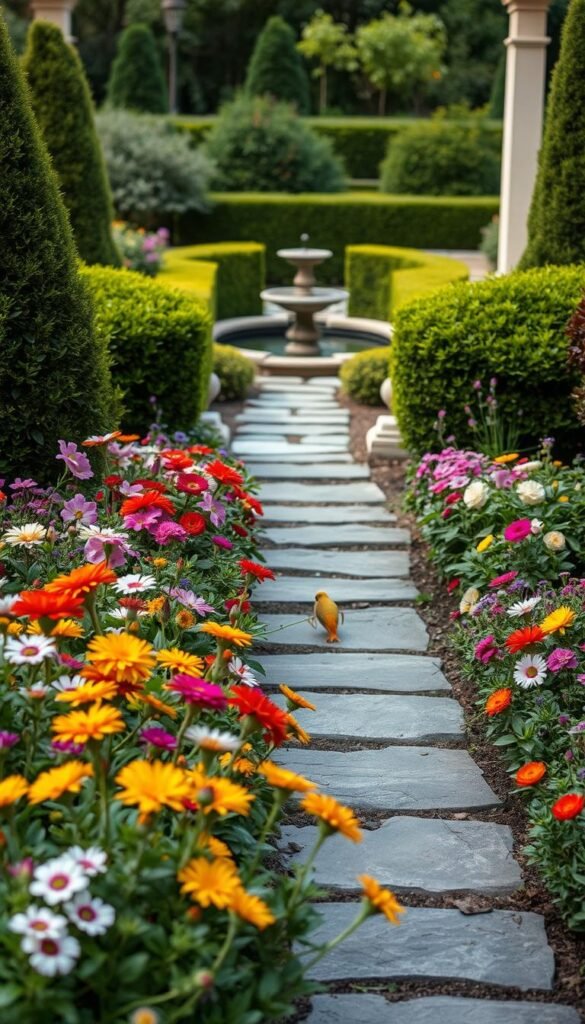
What makes a garden truly special? It’s the way your preferences shape its character. Whether through bold flower arrangements, winding stone paths, or cozy seating nooks, every detail adds a chapter to your unique narrative. Unlike static interior decor, gardens evolve with time, embracing imperfections as part of their charm. This organic growth mirrors life itself, offering endless opportunities for creativity.
Imagine stepping into a space that feels like a storybook brought to life, where colors, textures, and scents work together to reflect your journey. Even small yards can transform into breathtaking retreats with thoughtful planning. By balancing artistry and practicality, you’ll create an oasis that delights the senses while serving your lifestyle.
Your garden doesn’t need to be perfect from day one. Nature thrives on experimentation, inviting you to adapt as plants grow and seasons change. Start with what inspires you, and let the rest unfold naturally—your outdoor sanctuary will thank you.
Embracing Your Garden’s Unique Personality
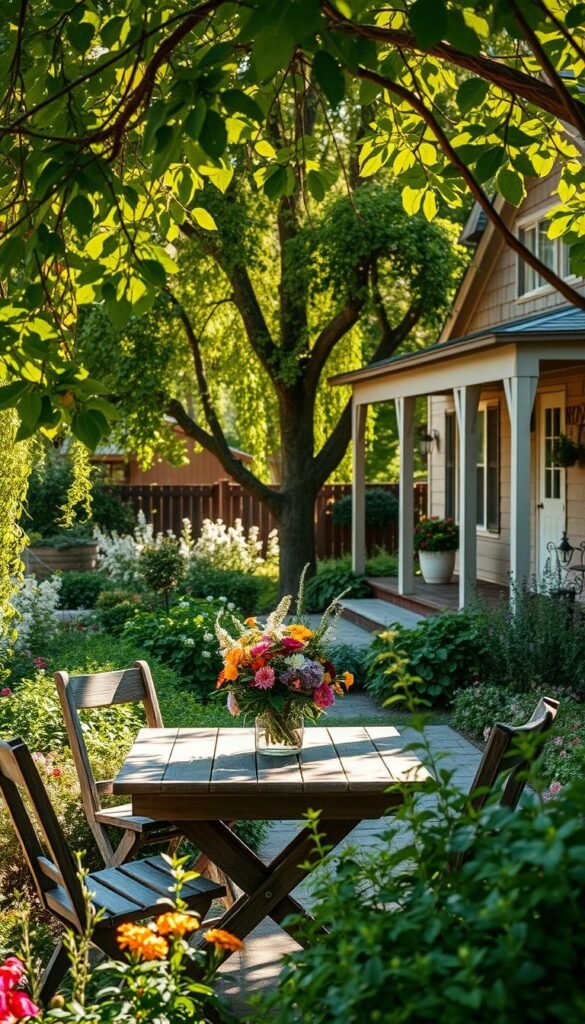
Your garden whispers stories through every leaf and stone, mirroring the heart of your home. Like fingerprints, no two outdoor spaces are alike—each evolves through seasons and memories. This connection between house and greenery turns functional areas into extensions of daily life.
Understanding the Connection Between Home and Garden
Your home’s architecture often guides garden decisions. Brick walls might inspire matching stone pathways, while modern exteriors could pair with sleek metal planters. Local plants or reclaimed materials blend indoor-outdoor flow, creating harmony.
Infusing Personal Touches into Your Outdoor Space
Small details transform generic layouts into signature spaces. A vintage watering can becomes a planter; hand-painted tiles line herb beds. These elements reflect your journey, like a scrapbook made tangible. For inspiration on elevating your space with a gardening, consider these contrasts:
| Home Feature | Garden Pairing | Effect |
|---|---|---|
| Wooden Shutters | Rustic Trellis | Warm, cohesive look |
| Concrete Facade | Geometric Planters | Modern edge |
| Pastel Siding | Lavender Bushes | Soft color echoes |
Don’t fear mixing eras or textures—a weathered bench beside glossy ceramic pots adds intrigue. Over time, these layers build a space that feels authentically yours.
Step-by-Step: Crafting a Personalized Garden Design That Reflects Your Style
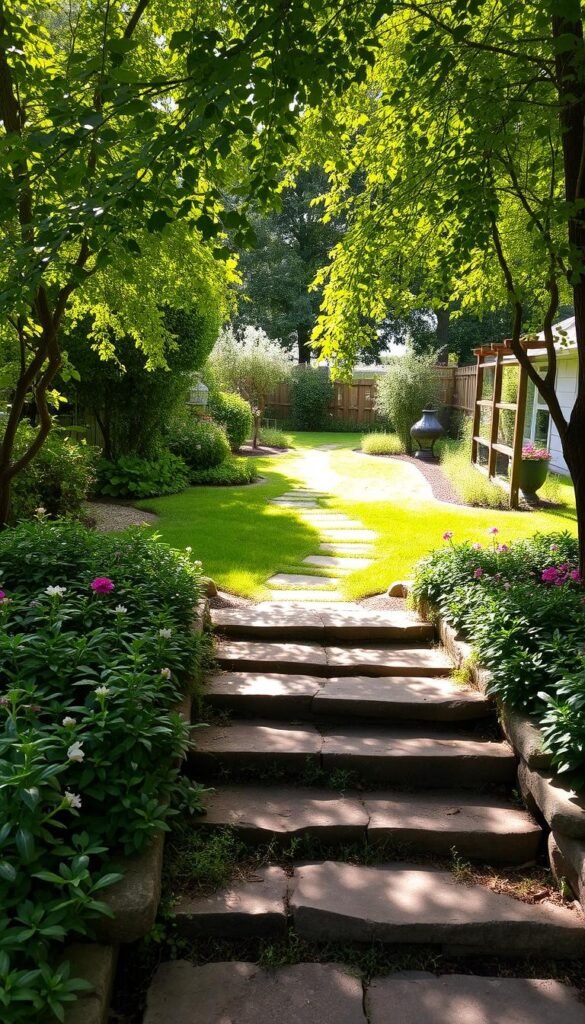
Transforming your yard into a meaningful retreat begins with structure. Start by sketching zones for relaxation, entertainment, and plant displays. This foundation helps balance open areas with intimate corners, much like arranging furniture indoors.
Five core principles shape successful layouts. Balance distributes visual weight, while rhythm repeats patterns to guide the eye. Unity ties elements together through color schemes or materials. Proportion ensures features match your space’s size, and focal points—like a striking tree or sculpture—anchor the design.
| Principle | Role | Example |
|---|---|---|
| Balance | Creates stability | Symmetrical shrub pairs |
| Rhythm | Adds movement | Repeating planter boxes |
| Focalization | Draws attention | Water feature centerpiece |
Translate personal preferences by choosing plants and decor that spark joy. Love modern minimalism? Try sculptural succulents in concrete pots. Prefer cottage charm? Mix flowering perennials with vintage accessories. Your choices evolve as plants grow, allowing edits each season.
Track progress in a journal—note what thrives and what needs adjustment. Nature rewards experimentation, so embrace changes rather than chasing instant perfection. With each tweak, your outdoor haven becomes more attuned to your lifestyle.
Getting Started: Assessing Your Garden’s Potential
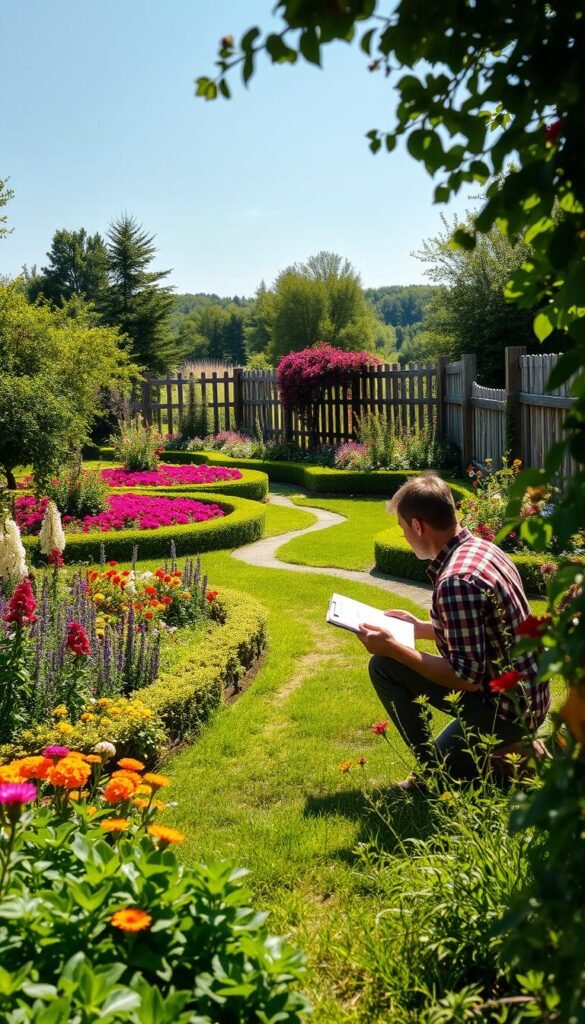
Unlocking your garden’s true potential starts with careful observation. Like meeting a new friend, you need to listen before you speak. What makes your outdoor space unique? The answer lies in its natural rhythms and hidden features waiting to be discovered.
Evaluating Sunlight, Soil, and Microclimates
Start by tracking sunlight patterns over a week. Morning rays might favor herbs near the kitchen, while afternoon shade could protect delicate ferns. Simple tools like a $10 soil test kit reveal nutrient levels and pH balance—vital clues for plant selection.
Microclimates create surprising opportunities. A south-facing wall absorbs heat for Mediterranean plants, while low-lying areas collect moisture for bog-loving species. Work with these quirks instead of fighting them to reduce maintenance and boost plant health.
| Factor | What to Look For | Design Impact |
|---|---|---|
| Soil Type | Sandy vs. clay texture | Dictates drainage solutions |
| Sun Exposure | Full sun vs. partial shade | Guides plant placement |
| Wind Patterns | Sheltered vs. exposed areas | Influences structure choices |
Recognizing Hidden Opportunities in Limited Spaces
Small gardens often deliver big character. Narrow side yards become secret pathways with climbing vines. Balconies transform into container herb havens. Vertical planters or hanging baskets maximize every inch without clutter.
Embrace existing features—a weathered fence becomes a rose trellis, while uneven ground suggests terraced beds. As landscape designer Julie Moir Messervy notes: “The best gardens feel inevitable, as if they couldn’t exist anywhere else.”
Start simple. Map your space’s natural advantages first, then layer in personal touches. This approach creates cohesive designs that grow more beautiful with time, just like your relationship with the land.
Exploring Your Garden Style and Aesthetic Inspirations
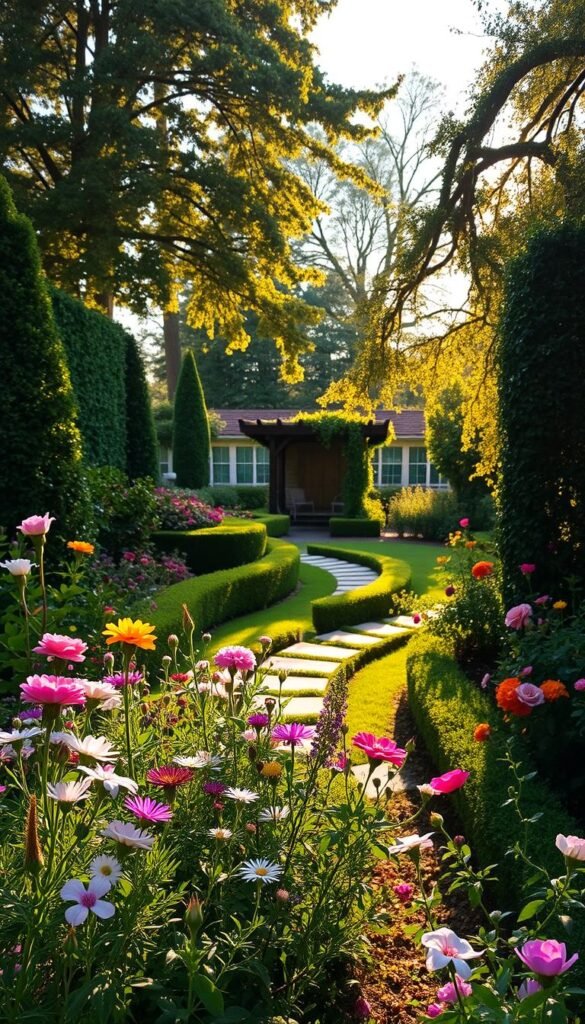
Your outdoor oasis becomes a mirror of your tastes when you explore diverse garden styles. From structured formal layouts to wild cottage charm, each approach tells a different story. Think of these designs as filters for your personality—do clipped hedges excite you more than sprawling wildflowers?
Popular themes offer endless ideas for shaping spaces. Japanese zen gardens bring calm through raked gravel and moss, while Mediterranean patios burst with lavender and olive trees. Tropical escapes use bold foliage and water features to create vacation vibes in your backyard. Even small yards can channel Kyoto’s serenity or Kew Gardens’ curated beauty through scaled-down versions.
Consider practical factors alongside visual appeal. A desert-inspired xeriscape thrives in dry climates, saving water and effort. Cottage gardens flourish with minimal pruning, while formal designs demand precise trimming. Ask yourself: Does this style match my local weather and weekly schedule?
| Theme | Key Features | Maintenance Level |
|---|---|---|
| Cottage | Mixed flowers, rustic paths | Moderate |
| Modern | Clean lines, geometric shapes | Low |
| Tropical | Palm trees, bright blooms | High |
Draw inspiration from famous gardens but make it yours. Swap English roses for native prairie plants in a cottage design. Use bamboo screens instead of stone walls for budget-friendly Asian accents. Your space becomes truly unique when global ideas meet personal creativity.
Integrating Water Features and Hardscape Elements for Impact
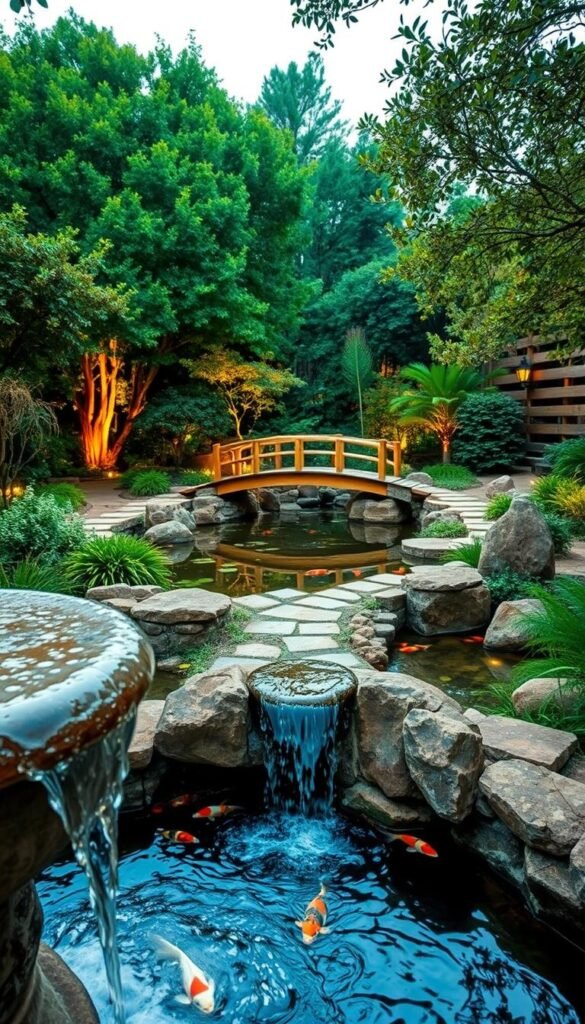
Water and stone become storytellers in outdoor spaces, shaping moods and guiding movement. A well-placed fountain or pathway doesn’t just decorate—it creates experiences. These elements anchor your landscape while offering practical benefits, from masking street noise to defining gathering areas.
Choosing the Right Water Features to Set the Mood
Ponds invite quiet reflection, while cascading streams energize with their rhythm. Consider your goals: Do you want a meditative corner or lively backyard energy? Recirculating fountains work well in small yards, needing less space than natural ponds. For urban settings, wall-mounted water features add vertical interest without sacrificing square footage.
Selecting Hardscape Materials that Complement Your Home
Patios and walkways should echo your home’s character. Brick pavers suit traditional cottages, while poured concrete fits modern aesthetics. When mixing materials, balance texture and color. Slate’s cool tones pair beautifully with warm wooden benches, creating visual harmony.
Durability matters. Freeze-thaw cycles demand weather-resistant stones like bluestone or granite. Low-maintenance composite decking withstands moisture better than untreated wood. Always test samples in different lights—materials change appearance from dawn to dusk.
Furniture acts as functional art. A wrought-iron bistro set becomes a sculptural focal point, while stone benches blend into surrounding garden walls. Position seating to highlight water elements or frame sunset views, turning everyday moments into rituals.
Selecting the Perfect Plants and Design Elements
The magic of your outdoor sanctuary lies in how its living elements work together. Like casting characters for a play, each plant brings unique qualities to your space. You’ll discover how climate-smart choices and artistic pairings transform ordinary yards into thriving ecosystems.
Combining Colors, Textures, and Plant Forms
Color sets your garden’s emotional tone. Cool blues and purples create calm, while fiery reds energize spaces. Try monochromatic schemes with varying shades of green for sophisticated simplicity. Pair complementary hues like orange marigolds with blue salvias for vibrant contrast.
| Color Scheme | Plant Pairing | Mood Created |
|---|---|---|
| Analogous | Pink peonies + purple irises | Serene harmony |
| Triadic | Yellow coreopsis + red tulips + blue flax | Playful energy |
Texture adds depth to your design. Mix feathery ferns with rubbery hosta leaves beside rough-barked trees. Vary plant heights—tall ornamental grasses behind mounded hydrangeas create dynamic layers. This approach keeps eyes moving through your space.
Incorporating Native Species and Exotic Choices
Native plants offer built-in advantages. They’re adapted to local rainfall patterns and soil types, needing less water and care. Black-eyed Susans thrive in Midwest summers, while California poppies flourish in dry western climates.
Exotic species add drama when used strategically. Japanese maples bring fiery fall color to temperate zones, and tropical bromeliads dazzle in sheltered patios. Always check invasive species lists—some beauties like purple loosestrife can overwhelm ecosystems.
| Native Plant | Exotic Counterpart | Best Use |
|---|---|---|
| Eastern redbud | Japanese cherry | Spring focal points |
| Switchgrass | Pampas grass | Textural backdrops |
Balance is key. Aim for 70% native species to support pollinators, then spice things up with 30% carefully chosen exotics. This mix creates resilient gardens bursting with personality.
Customizing Your Design with Personal Accents
Details shape your outdoor space’s identity like fingerprints on glass. When foundational elements like pathways and hedges stay neutral, quirky accents shine brighter. This contrast turns generic layouts into conversations starters that reveal your story.
Meaningful touches often come from life experiences. A potted olive tree might nod to Mediterranean roots, while smooth river rocks recall childhood camping trips. Even choices like repurposed teacups as succulent planters add whimsy without cluttering the scene.
| Accent Type | Source | Impact |
|---|---|---|
| Heirloom Plants | Family heritage | Emotional connection |
| Handmade Pottery | Local artisans | Textural interest |
| Cultural Sculptures | Travel memories | Global flair |
Art integration works best when functional. Flat boulders become impromptu seating near flower beds, while metal wind chimes double as kinetic sculptures. For personality-driven spaces, balance bold statements with subtle nods. A single vibrant mosaic bench often outshines a cluttered collection.
Layer accents gradually. Start with one focal piece, then add smaller items seasonally. This approach keeps your garden feeling curated, not chaotic. Remember: visitors remember how your space makes them feel, not just how it looks.
Discover how repurposed vintage items can add nostalgic charm while keeping your style cohesive. Your outdoor haven becomes a living scrapbook, blending design principles with heart-led choices.
Designing Functional Outdoor Living Areas
Turn your backyard into a living room under the open sky. Whether you crave quiet mornings with coffee or lively weekend gatherings, your outdoor space can adapt to daily rhythms. Start by defining zones—a dining area near the kitchen and a lounging nook under trees create natural flow.
Creating Relaxing Retreats and Entertaining Spaces
Partial enclosures like pergolas or tall shrubs extend usability. They shield seating areas from midday sun while letting breezes through. Add weather-resistant furniture with plush cushions for year-round comfort. Studies show well-planned green spaces reduce stress by 60%—design with relaxation in mind.
Multi-functional elements maximize small yards. A stone bench doubles as storage for gardening tools. String lights above the dining area add evening charm. For inspiration on blending practicality with beauty, explore these creative gardening ideas that transform ordinary corners.
Your garden becomes a lifestyle upgrade when every square foot serves purpose. Mix natural textures like gravel paths with smooth concrete patios. Add a mini fire pit for cool nights—it’s where memories spark as easily as flames.