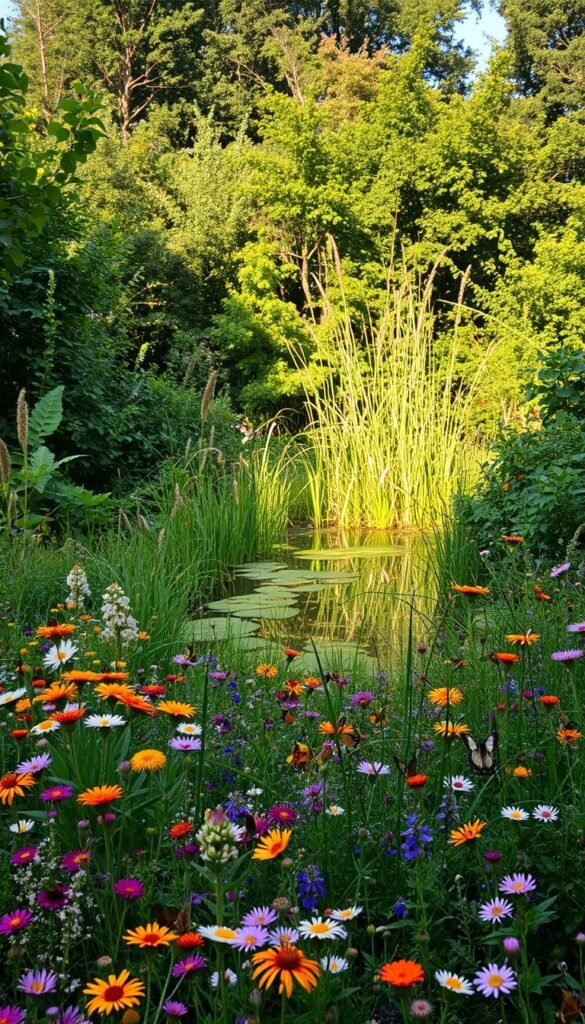
Imagine stepping into an outdoor space buzzing with life—birds fluttering between blooms, butterflies sipping nectar, and bees darting through native grasses. Traditional lawns might look tidy, but experts like Sarah Burrows of Modern Sprout call them “environmental deserts” due to their high water needs and lack of ecological value. The good news? You can craft a vibrant, low-maintenance haven that supports local species while dazzling the eye.
Even small changes matter. Replacing just 10 square feet of grass with native plants creates a lifeline for pollinators and birds. These species thrive in landscapes that mimic natural ecosystems, from drought-tolerant flowers like coneflowers to shrubs like serviceberry that offer year-round food. Best part? These spaces often need less watering and chemicals than conventional lawns.
Want to go bigger? Consider blending edible plants with wildlife-supporting varieties. For example, milkweed feeds monarch caterpillars, while berry bushes nourish both birds and your family. Creating an eco-friendly yard isn’t just about beauty—it’s about building resilient habitats that combat pests and droughts naturally.
Ready to rethink your outdoor space? Start by exploring drought-resistant plants suited to your region. Whether you add a bird bath or plant a pocket prairie, every choice moves you closer to a thriving, self-sustaining landscape where nature—and you—can flourish.
Understanding Biodiversity and Its Impact on Your Garden
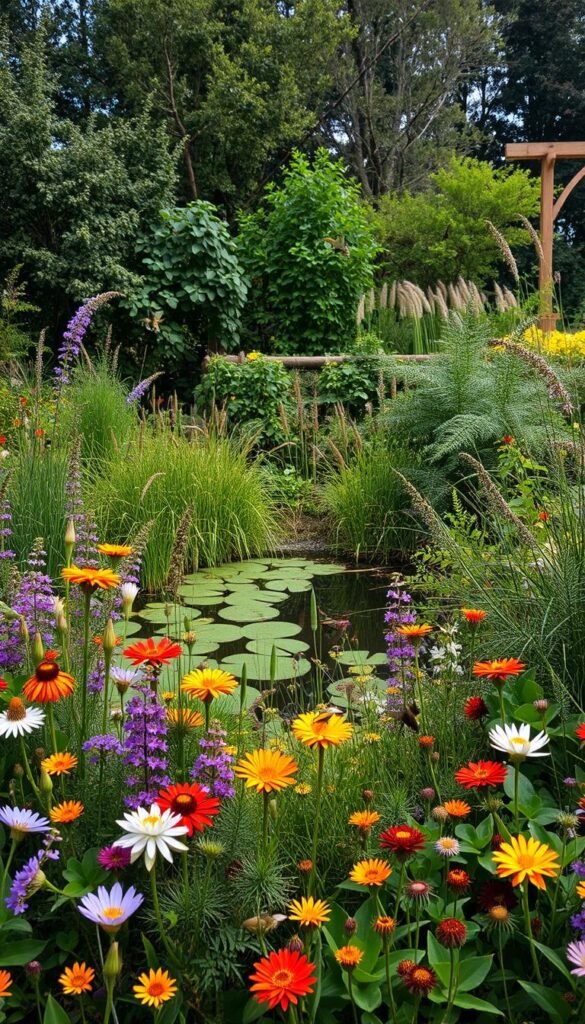
Your backyard could be more than just pretty—it can be a living network that supports local ecosystems. Jordan Felber of The Landscape Library explains: “Wild-style gardens with native plants are replacing manicured lawns because they work smarter, not harder.” These spaces use natural relationships between species to stay healthy with minimal effort.
Why Biodiversity Matters for Ecosystems
Diverse plant communities act like nature’s safety net. When you mix flowers, shrubs, and grasses that bloom at different times, you create year-round food sources. This setup attracts helpful insects that eat pests, reducing the need for sprays. Studies show these gardens handle droughts 40% better than single-species lawns.
How Local Wildlife Benefits Your Yard
Birds and bees aren’t just visitors—they’re active partners. Sparrows control aphids, while native bees pollinate your veggies better than honeybees. Even small changes, like adding a clover patch, give ground beetles places to hunt destructive slugs.
| Feature | Traditional Garden | Biodiverse Garden |
|---|---|---|
| Plant Variety | 1-3 species | 15+ native species |
| Maintenance | Weekly mowing | Seasonal pruning |
| Water Use | High | Low |
| Pest Control | Chemicals | Natural predators |
| Ecosystem Support | Limited | Full food web |
Pro tip: Start with 3-5 regional plants that bloom in different seasons. Purple coneflower feeds summer butterflies, while winterberry feeds December robins. Your garden becomes a 24/7 diner for wildlife!
Evaluating Your Landscape and Environmental Conditions
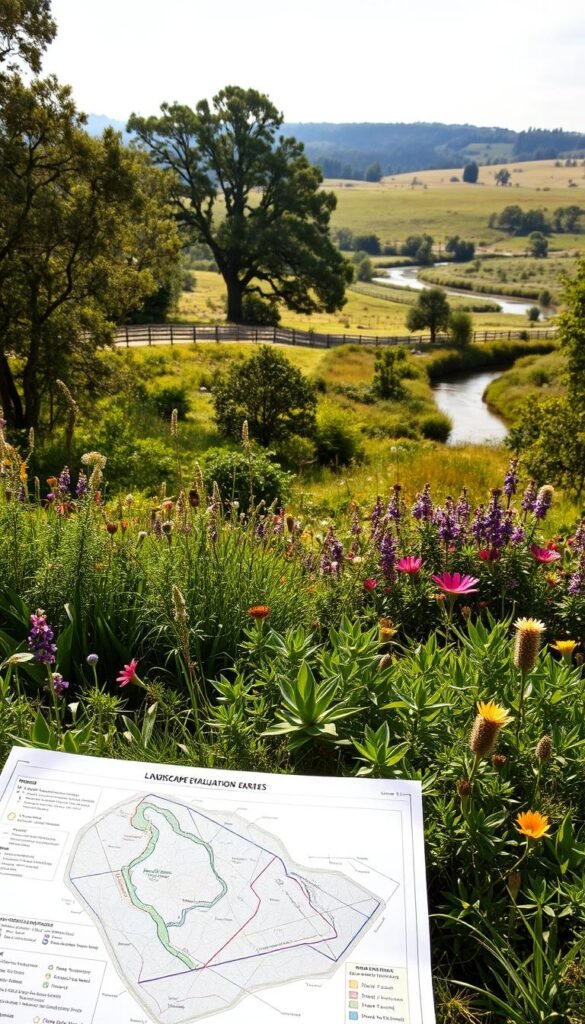
Transforming your outdoor space starts with understanding its unique features. Think of your yard as a puzzle—each area has distinct soil, light, and moisture patterns that shape what thrives there. By observing these conditions, you’ll create a tailored plan that supports wildlife while saving time and resources.
Assessing Soil, Water, and Sunlight Needs
Begin by tracking sunlight patterns. Note which spots get full sun versus partial shade, and how this shifts with seasons. A corner that’s sunny in summer might become shaded when trees leaf out in spring. This helps match plants to their ideal growing zones.
Test your soil’s pH and texture using a DIY kit or local extension service. Sandy soils drain quickly, while clay holds moisture—key details for selecting native plants that adapt naturally. Also, watch how rainwater flows during storms. Low areas could become rain gardens, while slopes might need erosion control.
Identifying Existing Wildlife Habitats
Look for signs of current residents. Are birds nesting in that oak? Do bees visit your lavender? Preserve these active spaces during redesigns. Even a small brush pile or rock wall can shelter frogs and beetles.
Notice animal pathways—deer trails or squirrel routes—and avoid blocking them. Pro tip: Leave some leaf litter under trees. It’s a free mulch that feeds soil and shelters overwintering butterflies.
Choosing Native Plants and Local Species for a Thriving Ecosystem
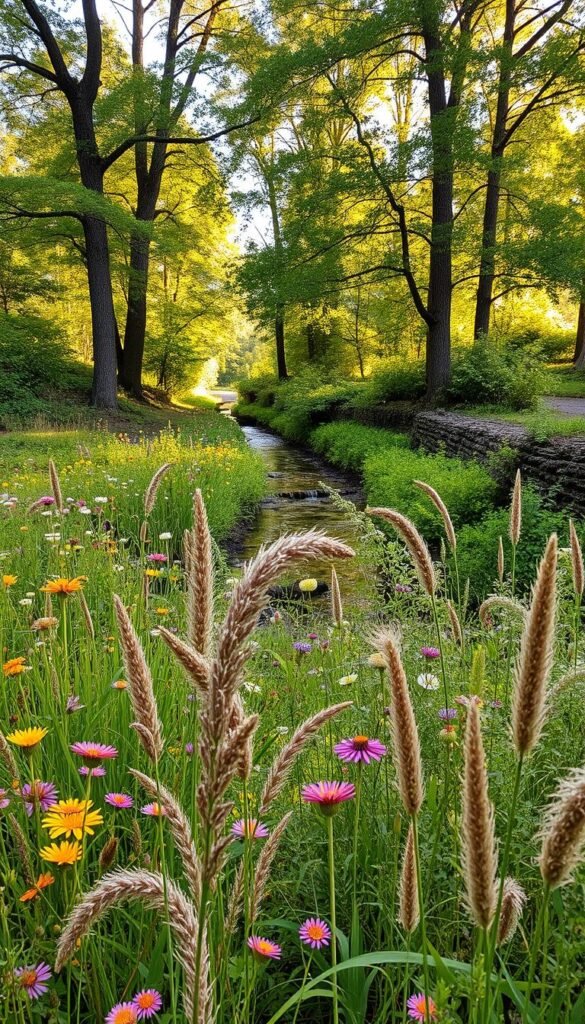
Your garden becomes a wildlife sanctuary when you choose plants that naturally belong there. Alice Sturm from Nature Forward puts it simply: “Being a good neighbor to nature means using species that evolved alongside local animals.” These plants offer nectar, seeds, and shelter that exotic varieties can’t match. For example, butterfly weed feeds monarch caterpillars, while mountain mint becomes a buzzing café for native bees.
Benefits of Incorporating Native Plant Species
Local plants are survival experts in your soil and climate. They need 75% less water than non-natives because their roots dig deep. Bonus: They resist pests naturally, so you skip chemical sprays. Year-round benefits include spring blooms for hummingbirds and winter berries for cardinals.
| Feature | Native Plants | Non-Native Plants |
|---|---|---|
| Water Needs | Low | High |
| Pest Resistance | Natural | Chemical-dependent |
| Wildlife Value | High | Low |
| Maintenance | Seasonal | Weekly |
Selecting Keystone Plants for Local Biodiversity
Focus on species that support entire food chains. A single oak tree hosts 500+ caterpillar types—essential bird food. Milkweed is famous for monarchs, but don’t forget flowering natives like goldenrod for bees. Avoid generic “wildflower” mixes—they often contain invasive seeds.
Start with regional stars like Virginia sweetspire. Its summer flowers feed pollinator-friendly spaces for kids, while fall foliage shelters frogs. Local nurseries can suggest plants matching your yard’s conditions.
Designing Wildlife-Friendly Gardens: Enhancing Biodiversity in Your Landscape
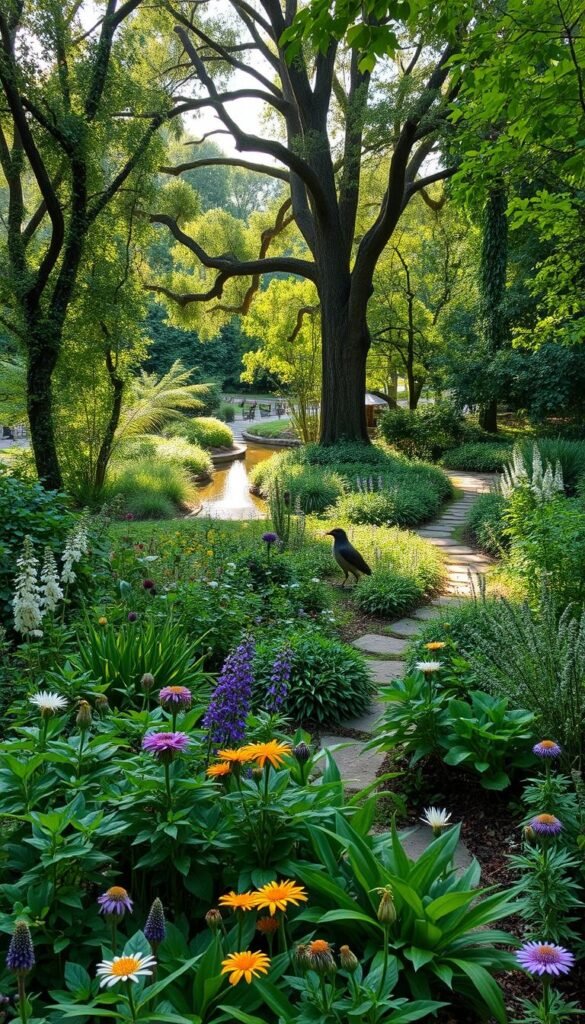
Crafting a space where nature thrives starts with smart design choices. Nicki Copley of Landscape Architecture Built suggests using tools like the National Wildlife Federation’s Plant Finder to match greenery with local wildlife needs. “Think like a habitat architect,” she advises. Pair plants that support insects with those offering seasonal berries or seeds to create year-round value.
Group plants in clusters rather than single specimens. This mimics natural growth patterns, making it easier for pollinators to find food. For example, plant drifts of goldenrod alongside oakleaf hydrangea—their staggered blooms feed bees from summer through fall.
| Design Element | Traditional Approach | Wildlife-Friendly Approach |
|---|---|---|
| Plant Selection | Decorative annuals | Native perennials |
| Layout | Isolated specimens | Grouped clusters |
| Bloom Times | Single season | Year-round succession |
| Maintenance | Frequent trimming | Strategic pruning |
| Wildlife Support | Limited | Full lifecycle needs |
Leave narrow pathways between planting zones for creatures like frogs and hedgehogs. These corridors let animals move safely while keeping your sustainable landscape design accessible for upkeep. Balance open sightlines with dense shrubbery where birds can nest undisturbed.
Your layout should work like a patchwork quilt—varied heights and textures create microhabitats. Tall grasses shelter ground beetles, while flowering vines offer hummingbird snacks. With thoughtful planning, your outdoor area becomes a living mosaic that’s both beautiful and ecologically vital.
Creating Essential Water Features and Natural Habitats
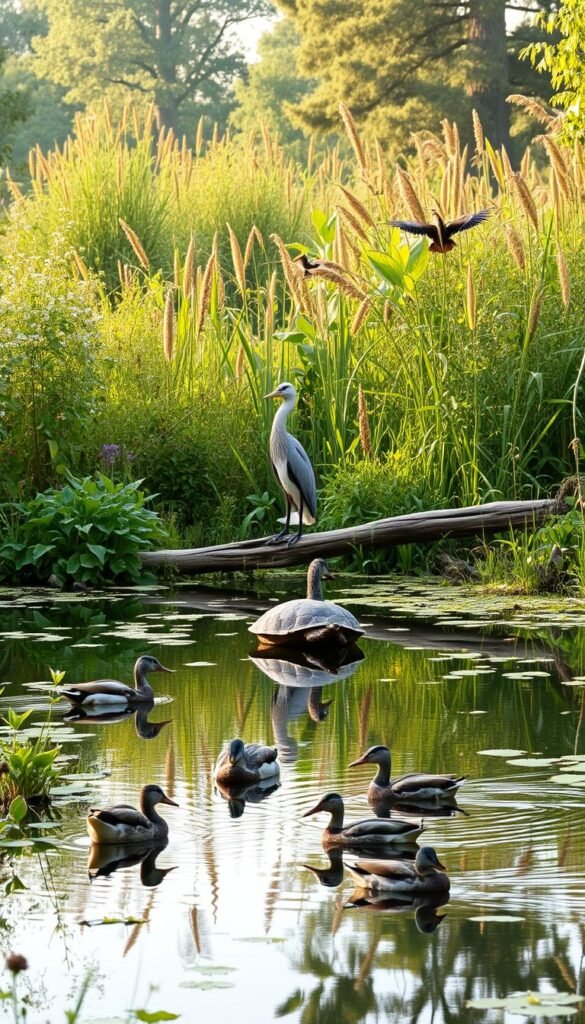
Every creature needs a drink—your garden can quench their thirst. Margaret Rohde from Wissahickon Trails explains: “Birds scout for water daily. A simple dish or birdbath becomes their oasis.” These features do double duty, offering hydration and bathing spots while boosting your yard’s ecological value.
Water Features That Attract Birds and Insects
Moving water works like a dinner bell for wildlife. Fountains or small streams draw more visitors because their sound travels farther. Butterflies prefer shallow dishes with pebbles for perching, while bees use moist stones to collect minerals.
Alexander Betz suggests adding color: “Bright beads or stones help butterflies spot water sources.” Keep depths varied—½ inch for insects, 2-3 inches for birds. Change water every 3 days to prevent mosquitoes.
| Feature | Traditional Water Source | Wildlife-Friendly Upgrade |
|---|---|---|
| Design | Decorative fountain | Multi-depth basin with rocks |
| Maintenance | Weekly scrubbing | Natural algae for tadpoles |
| Wildlife Use | Limited access | Sloped edges for safe entry |
| Planting | Non-native lilies | Native pickerelweed filters water |
Simple Ponds, Birdbaths, and Fountains for Wildlife
Start small with a $20 terracotta saucer. Place it near shrubs so birds can escape predators. For ponds, include 3 zones: shallow shelves for frogs, mid-depth for bathing, and deeper areas (18+ inches) for fish.
Pro tip: Add native aquatic plants like blue flag iris. They oxygenate water and host dragonfly larvae. In winter, float a tennis ball to prevent ice from cracking basins.
Combining Hardscape Elements with Organic Landscaping
Blending built structures with living greenery transforms ordinary yards into balanced ecosystems. Bobby K Designs highlights how pairing native plants like coneflowers with stone pathways creates spaces where beauty meets purpose. Natural materials become allies, supporting wildlife while defining human-use areas.
Using Natural Materials for Patios and Walkways
Choose locally-sourced stone or untreated wood for paths. These permeable surfaces let rainwater nourish soil instead of pooling. Gaps between pavers become mini-habitats for beetles and spiders. “Rough-cut limestone blends seamlessly with prairie grasses,” notes a Midwest landscaper.
Integrating Structures to Complement Greenery
Curved benches from fallen logs offer seating and shelter for salamanders. Low stone walls provide sunning spots for lizards while preventing soil erosion. For a cottagecore aesthetic, use reclaimed bricks to edge flower beds bursting with milkweed and asters.
Space structures thoughtfully—wide stepping stones let frogs hop safely between ponds and shrubs. Earth-toned materials keep the focus on blooming natives, proving functional design can coexist with thriving habitats.
Implementing Chemical-Free Maintenance Practices
Your garden’s health starts from the ground up—literally. Margaret Rohde reminds us that synthetic pesticides don’t just vanish—they linger in soil and waterways, harming birds and pollinators. The fix? Work with nature’s rhythms instead of against them.
Let Nature Handle the Heavy Lifting
Embrace natural pest management strategies like organic pest control methods. Ladybugs feast on aphids, while lacewings target mites—no sprays needed. Temporary bug surges? They’re just predator buffets. Birds and mantises will move in once their food supply stabilizes.
Boost soil health with on-site compost from kitchen scraps and leaves. Rachel Emus notes this “black gold” feeds plants while saving money. Healthy soil grows stronger plants that naturally resist pests.
Pro tip: Leave leaf piles and twig stacks over winter. These shelters help beneficial insects survive cold months. By spring, your garden becomes a self-regulating ecosystem where balance replaces chemicals.