
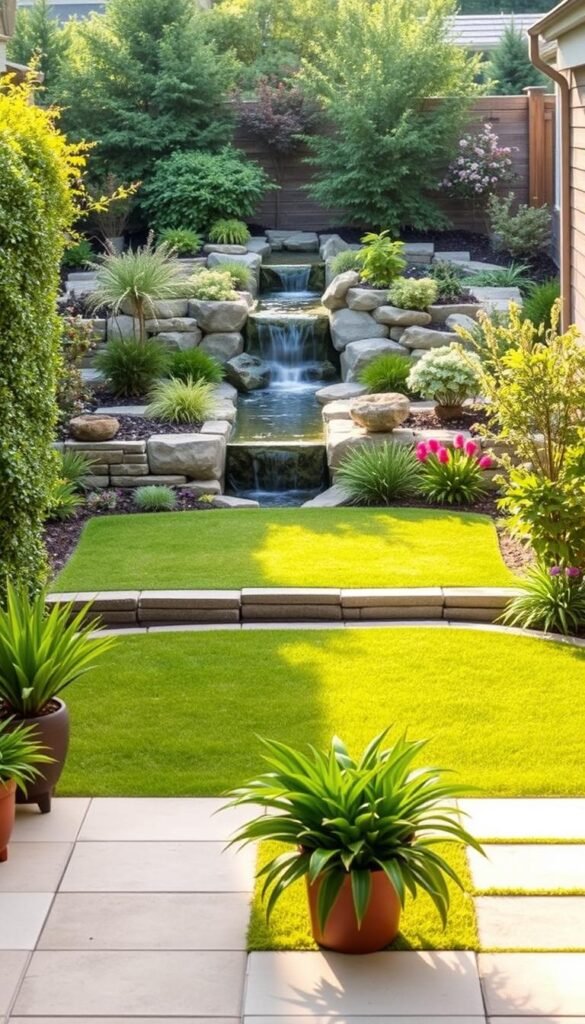
Your backyard holds more potential than you might think. A recent Seattle project transformed a 4,000-square-foot lot into eight functional zones – proving limited space doesn’t mean limited possibilities. Through smart design choices like tiered decks and multi-use areas, even sloping terrain became an asset rather than an obstacle.
Professional planners approach compact yards like 3D puzzles. They create distinct outdoor rooms using vertical elements and strategic lighting. A fire pit might double as evening ambiance, while built-in seating serves as both social hub and space divider.
Local zoning codes often dictate height limits for structures. The Seattle team worked within 18-inch deck restrictions by using materials that visually expand areas. Their secret? Treating every square foot as precious real estate through careful plant selection and layered lighting.
Your project success starts with understanding flow between zones. Cooking areas transition smoothly to patio spaces, while privacy screens maintain intimate atmospheres. The right mix of evergreens and seasonal plants keeps the landscape vibrant year-round without overcrowding.
Understanding Modern Garden Design for Small Yards
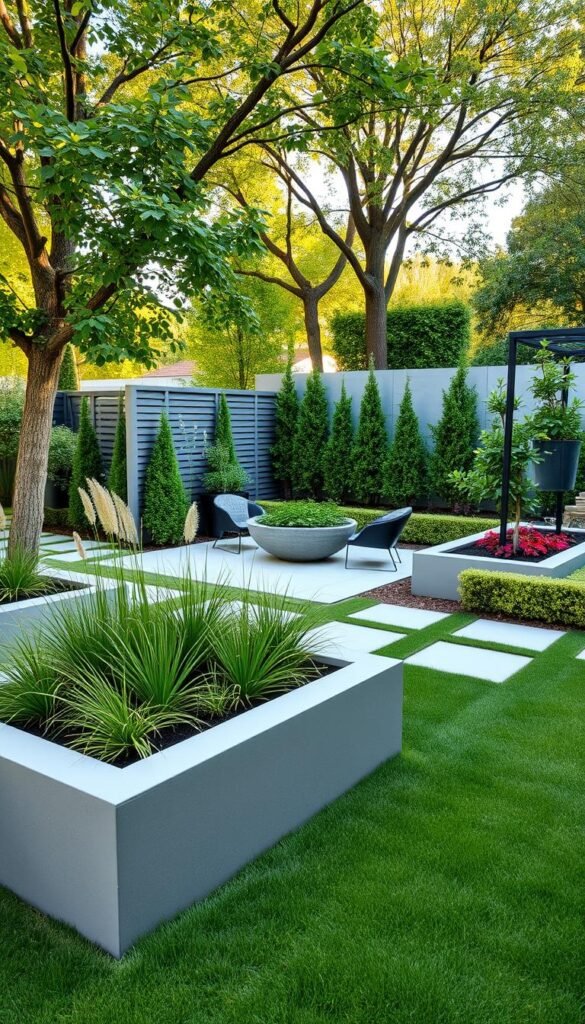
Transforming compact outdoor areas begins with intentional landscape design principles. Modern approaches prioritize visual harmony through geometric patterns and purposeful spaces. This style turns limitations into advantages by focusing on what truly matters in your outdoor living area.
The Benefits of a Modern Aesthetic
Clean lines and monochromatic color schemes create calm in tight spaces. You’ll notice how angular planters or rectangular water features make your yard feel organized. These elements work like visual shortcuts – your eye perceives order instead of clutter.
Strategic use of negative space acts as breathing room between functional areas. A single sculptural tree or minimalist fire pit becomes a focal point without crowding the patio. This approach lets every design choice earn its place.
Key Elements to Consider
Focus on three core components for success:
- Material selection: Combine natural stone with sleek metals for contrast
- Lighting strategy: Use hidden LED strips to emphasize architectural lines
- Plant curation: Limit varieties to 2-3 species for cohesive landscaping
Your seating solutions should pull double duty. Consider bench planters that store tools or raised platforms creating privacy screens. Remember – each element must serve at least two purposes in small-scale designs.
Planning Your Small Yard Space: Priorities and Layout
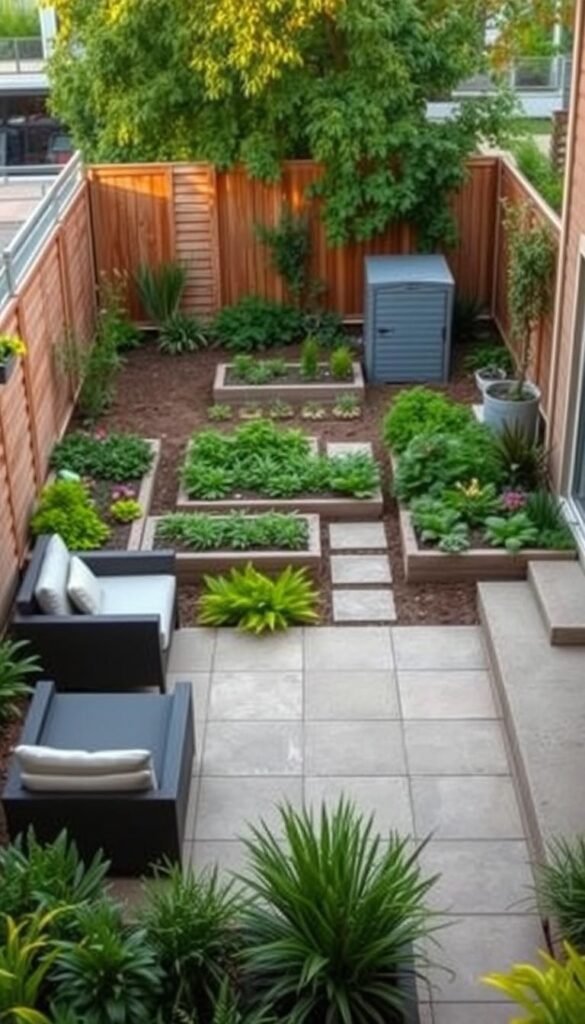
Effective use of limited square footage starts with clear objectives. Before sketching layouts, identify what matters most in your backyard. A Portland family recently discovered their need for play space outweighed their dream pizza oven – proving honest assessments create better results.
Setting Your Priorities
Grab paper before plants. List every feature you want – fire pits, seating nooks, vegetable patches. Now slash that list ruthlessly. Design expert Mara Houser notes: “Three core functions usually work best. More creates clutter.”
| Common Priority | Smart Compromise | Space Saved |
|---|---|---|
| Outdoor kitchen | Compact grill station | 42 sq ft |
| Dining area | Fold-down wall table | 28 sq ft |
| Flower beds | Vertical planters | 15 sq ft |
Leave breathing room between zones. That empty patch of grass? It’s actually visual relief making your yard feel larger. Balance hardscaped areas with open spaces.
Creating a Functional Layout
Map how you’ll move through the space. Can you reach the patio without trampling herbs? Professional planners use ribbon diagrams to test pathways before building.
Consider dual-purpose elements. A bench with hidden storage solves two needs. Stackable stools tuck under tables when not in use. Smart design turns limitations into advantages.
Remember seasons change usage. Summer’s dining spot becomes winter’s evergreen showcase. Leave flexible lighting options for year-round enjoyment.
Incorporating Outdoor Rooms and Functional Zones
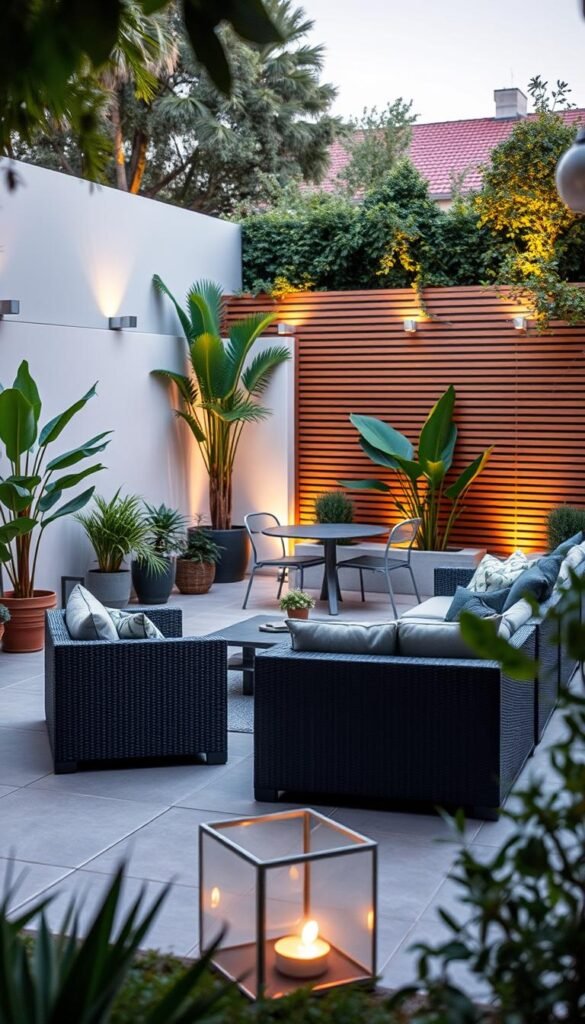
Crafting distinct outdoor rooms elevates both style and utility in compact layouts. The Seattle project demonstrated this beautifully with multi-level decks creating separate activity zones. These raised platforms – all under 18 inches tall – comply with local codes while adding depth to your backyard.
Designing Purposeful Spaces
Every successful design starts with anchor points. A Solarus gas fire pit becomes the heart of one zone, surrounded by weather-resistant seating. Concrete planters do double duty as space dividers and herb gardens, blending greenery with structure.
Seamless Transitions Between Areas
Flow matters as much as individual spaces. Try outdoor rugs to define a lounge area, then transition to dining spots using potted plants. This approach keeps sightlines open while creating implied boundaries. For creative zoning ideas, consider movable screens that adjust with your needs.
Privacy fences shouldn’t feel oppressive. The Seattle team used slatted designs that filter light while separating the patio from street noise. Remember: good flow means easy movement between cooking, relaxing, and dining areas without tripping hazards or cramped pathways.
Creative Ideas for Vertical Gardening and Minimalist Style
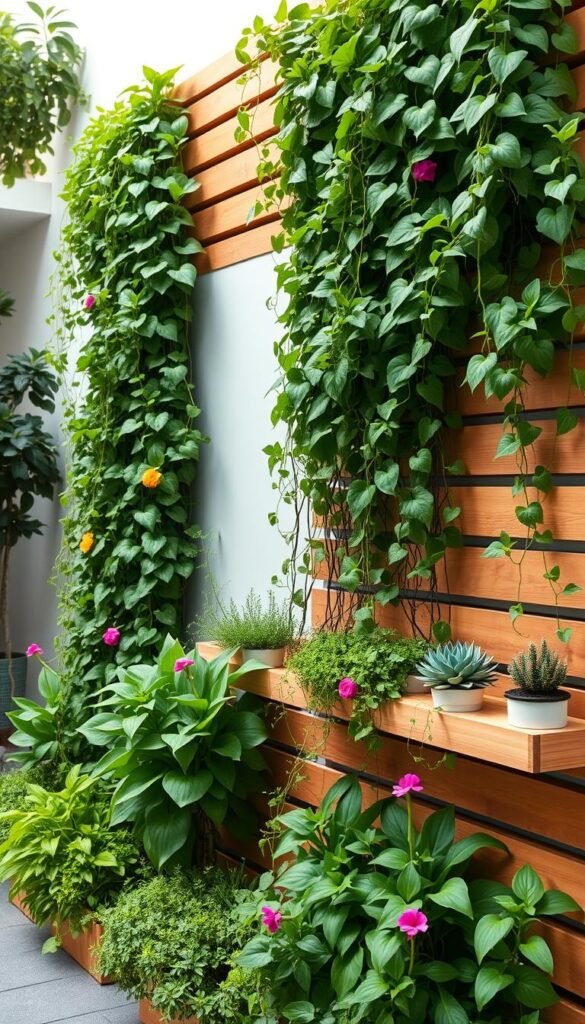
Elevated greenery transforms cramped quarters into lush retreats. Vertical gardening lets you reimagine blank walls and narrow corners as thriving ecosystems. This approach combines practicality with sleek aesthetics – your backyard gains depth while maintaining open space.
Space-Saving Vertical Planting Techniques
Turn unused surfaces into productive zones. A recent Portland project transformed a 6-foot fence into a salad bar using space-saving vertical racks. The key? Matching plant types to their elevation:
| Vertical System | Best Plants | Maintenance Level |
|---|---|---|
| Wall planters | Herbs, strawberries | Easy |
| Trellis grids | Tomatoes, beans | Moderate |
| Living walls | Ferns, succulents | Advanced |
Choose materials that complement your design theme. Powder-coated steel planters suit modern lines, while cedar boxes enhance rustic charm. “The magic happens when form meets function,” notes landscape designer Clara Ruiz. “Your herb wall should look intentional – not like plants stuck to siding.”
Prioritize easy access when planning layouts. Hanging baskets at eye level simplify watering. Leave 18-inch pathways between vertical structures for comfortable pruning. This strategic approach keeps your patio functional and clutter-free.
Layer heights for visual impact. Tall trellises frame seating areas, while low wall planters define pathways. Consistent color schemes in containers create harmony – try matte black pots against white walls for striking contrast.
Maximizing Small Yards with Modern Garden Design Techniques
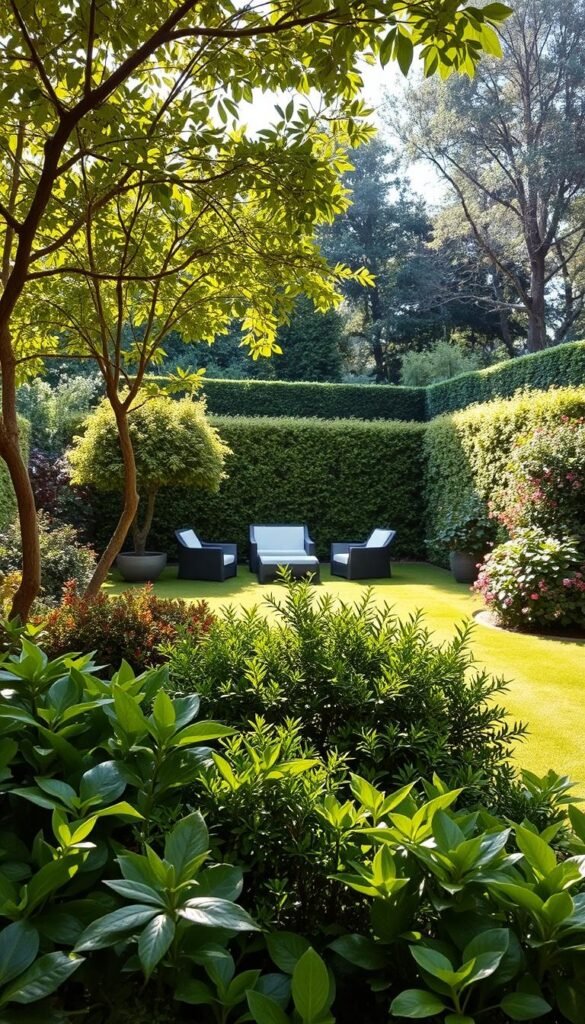
Compact outdoor spaces spark creativity for landscape professionals. Many designers actively seek these projects – their constrained nature forces innovative solutions that deliver exceptional functionality. As one team member notes: “Tight spaces reveal true craftsmanship. Every decision carries weight.”
Your property’s size becomes an advantage when approached strategically. Limited square footage encourages thoughtful curation of elements that serve multiple roles. A recent Boston project turned a 500-square-foot backyard into three distinct zones using these techniques:
| Feature | Multi-Purpose Benefit | Space Used |
|---|---|---|
| Built-in bench | Seating + storage | 8 sq ft |
| Vertical planter wall | Privacy screen + herb garden | 0 sq ft (wall) |
| Pebble pathway | Drainage system + visual guide | 24 sq ft |
Professional designers often achieve more impactful results in compact areas than sprawling properties. The secret lies in smart small-space solutions that maximize vertical planes and transitional zones. You’ll notice how narrow side yards become cozy reading nooks, while awkward corners transform into water features.
Investing in your patio and surrounding areas yields surprising returns. Well-designed compact spaces typically see 72% higher usage rates than larger yards according to recent surveys. Your morning coffee spot might moonlight as an evening entertainment zone with the right seating arrangements.
Embrace your property’s unique shape as a design asset. Curved walls can soften angular architecture, while triangular planters make unused corners functional. Remember – constraints often birth the most memorable design innovations.
Integrating Lighting and Hardscape Elements
Lighting transforms compact spaces into evening destinations. The Seattle team proved this by weaving acrylic paper lanterns through tree branches – their soft glow creating depth without clutter. Paired with a firepit’s warm radiance, these elements turn tight quarters into inviting retreats that shine after sunset.
Choosing the Right Lighting
Your backyard benefits from layered illumination. Combine string lights draped overhead with spotlights highlighting specimen plants like Japanese maples. Task lighting near seating areas ensures safety, while subtle path lights guide movement. Warm-toned LEDs (2700-3000K) foster cozy vibes perfect for magical evening atmosphere.
Selecting Complementary Materials
Hardscape choices amplify your lighting design. Reflective surfaces like polished concrete bounce light, making narrow spaces feel airy. Pair matte stone with metallic accents for contrast that pops under illumination. The Seattle project used charcoal pavers to ground bright firepit zones – proving material selection directly impacts ambiance.
Strategic placement matters most. Position fixtures to graze textured walls or skim water features. This technique adds drama without overwhelming compact yards. Remember: your lighting plan should evolve with the seasons, just like your patio’s role shifts from summer dining to winter contemplation.