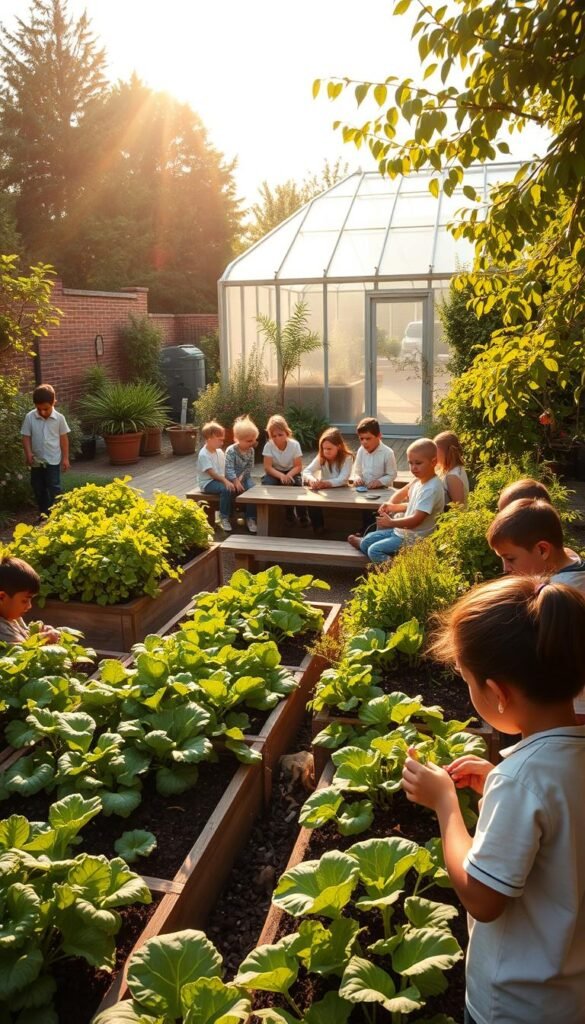
Imagine turning ordinary lessons into vibrant adventures where dirt-stained hands and budding plants become teaching tools. Outdoor spaces at educational institutions offer more than fresh air – they create dynamic environments where young minds grasp complex concepts through tangible exploration.
Studies show that interactive green spaces boost academic performance by making abstract ideas concrete. When children nurture seedlings or measure growth patterns, they’re not just memorizing facts – they’re building problem-solving abilities that translate to higher test scores.
These living classrooms teach responsibility as pupils care for plants through seasons. Teamwork blossoms when groups plan layouts or troubleshoot pest issues. For younger learners, simple tasks like sorting seeds develop fine motor skills while connecting science to daily life.
Educators report renewed enthusiasm when using garden projects to meet state standards. Math becomes real through plot measurements, while language arts flourish with nature journaling. Best of all? These adaptable spaces thrive in urban courtyards or rural campuses, proving every school can grow something special.
Launching Your School Garden Adventure

Transforming bare school grounds into lively green spaces begins with curiosity and collaboration. Start by exploring nearby botanical gardens or community gardens to spark fresh ideas. Observe how seating areas, pathways, and plant groupings create welcoming environments.
Gathering Inspiration from Local and Online Resources
Local garden centers and Master Gardener programs offer free advice about soil types and plant choices. Browse websites showcasing award-winning school gardens to discover clever solutions for small spaces. Take photos during visits to create a shared vision board with your team.
Engaging Your Students and Garden Team from the Start
Host brainstorming sessions where students sketch dream garden features like butterfly stations or vegetable forts. Compare sketches to identify popular themes. When kids help choose plants, they’re more likely to care for them long-term.
Invite teachers and parents to share practical ideas during planning meetings. Simple tools like colored markers and seed catalogs make the process feel adventurous. This early teamwork builds excitement that carries through every planting season.
Designing a Fun and Functional Learning Garden
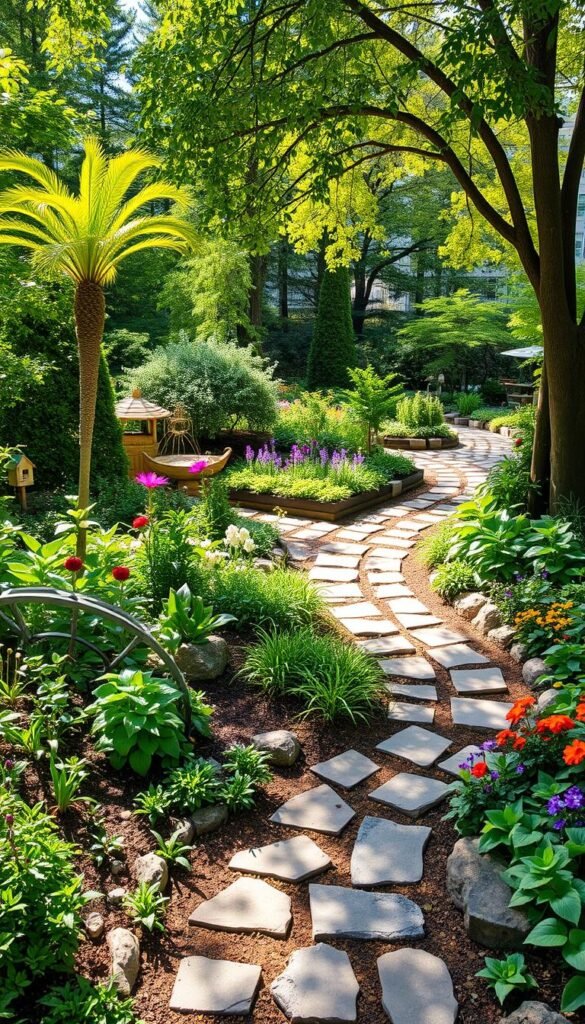
Merging playfulness with purpose transforms empty plots into vibrant learning hubs. Focus on flexible layouts that adapt to different lessons while surviving recess chaos. A teacher from Portland shares: “Our sunflower maze teaches geometry better than textbooks – but it’s sturdy enough for tag games!”
Balancing Creativity with Practical Needs
Sketch wild ideas first – pizza-shaped herb beds? Solar-powered weather stations? Then trim concepts to match your maintenance crew size and watering schedule. Prioritize plants that serve dual roles: butterfly-attracting flowers for science lessons and snack-ready berries for nutrition classes.
One Texas school saved costs using repurposed tires as planters. Their secret? Letting students paint them during art period. This approach ties multiple subjects together without straining budgets.
Planning a Manageable, Growth-Oriented Project
Launch with three raised beds instead of twenty. Track success through student journals measuring basil growth in math class. As confidence grows, add a compost station or rainwater collection system. Year one establishes routines; year three might introduce student-designed pollinator habitats.
Remember: muddy hands exploring worm tunnels matter more than Instagram-perfect flower arrangements. Build spaces where curiosity thrives, and watch your garden – along with young minds – blossom naturally.
Inspire Learning with Creative School Garden Design Projects

The secret to a thriving educational garden lies in tying plant beds to lesson plans. A Nebraska teacher explains: “Our salsa-themed plot lets kids explore botany through cilantro while practicing fractions during harvest measurements.” This approach turns soil into a multisensory textbook.
Linking Garden Design to Curricular Goals
Choose plants that double as teaching tools. Butterfly bushes demonstrate life cycles, while rainbow chard links to color theory. One Oregon school mapped native species to tribal history units, creating living timelines students help maintain.
Determining a Central Theme for Student Engagement
Popular themes act as compasses for both layout choices and lesson integration. See how these options connect to multiple subjects:
| Theme | Science Links | Cross-Curricular Connections |
|---|---|---|
| Pizza Garden | Plant biology (tomatoes, basil) | Math (portion ratios), Geography (ingredient origins) |
| Alphabet Garden | Pollinator habitats | Literacy (plant name spelling), Art (signage design) |
| Three Sisters | Companion planting | History (indigenous practices), Nutrition (balanced diets) |
Let pupils vote on themes during homeroom surveys. When sixth graders in Arizona chose a “Wizard Herbology” theme, engagement tripled. Their mint varieties became potion ingredients for creative writing assignments.
Garden Design Essentials and Site Analysis
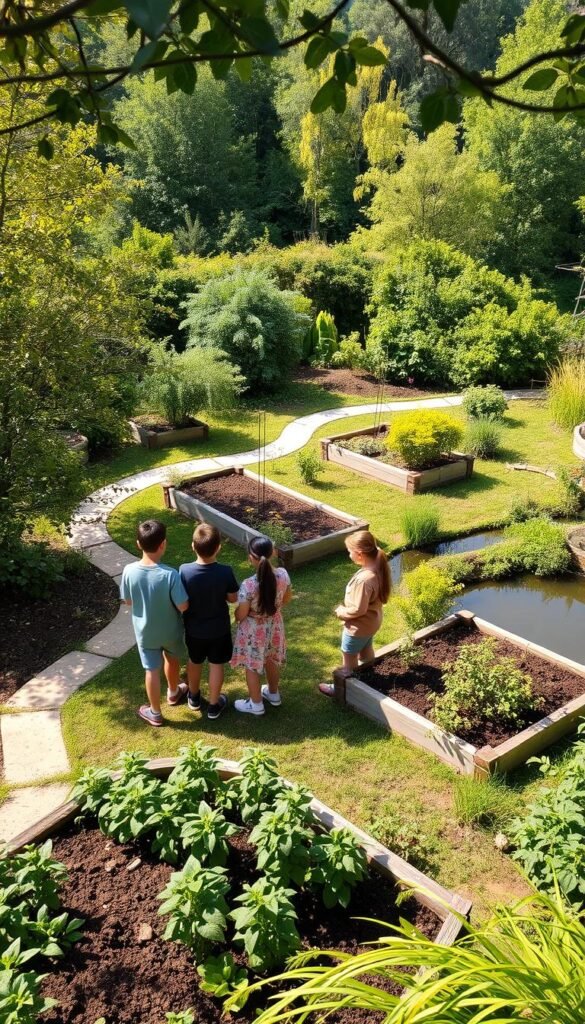
A successful educational green space starts with smart groundwork. Before breaking soil, you’ll need to become a detective – observing, testing, and planning to create spaces where nature and knowledge grow together.
Evaluating Soil, Sunlight, and Water Resources
Dig into your site’s story with simple tests. Use home kits or certification programs to check soil texture and pH levels. Lead testing becomes crucial in urban areas – safe spaces come first.
Track sunlight patterns through free apps or student observations. Most edible plants demand six daily hours of direct sun. Shady spots? Perfect for nature journals or moss experiments!
Water access dictates your garden’s rhythm. Measure hose reach and consider drip systems to save time. One Texas school repurposed gutter runoff – turning rain into a science lesson.
Mapping Out Garden Beds, Paths, and Irrigation Systems
Sketch flexible layouts using student input. Wide paths (4-6 feet) allow wheelchairs and group work. Raised beds near classrooms boost participation – kids spot changes daily.
Compare irrigation options:
| System | Cost | Maintenance | Best For |
|---|---|---|---|
| Hand Watering | Low | High | Small areas |
| Drip Lines | Medium | Low | Vegetable plots |
| Rain Barrels | Variable | Medium | Eco-projects |
Check drainage after storms – puddles reveal problem zones. Secure tools near high-traffic areas to prevent accidents. Remember: good planning today means fewer headaches tomorrow. Start small, think big, and watch your hands-on activities take root!
Uniting Curriculum with Hands-On Garden Experiences
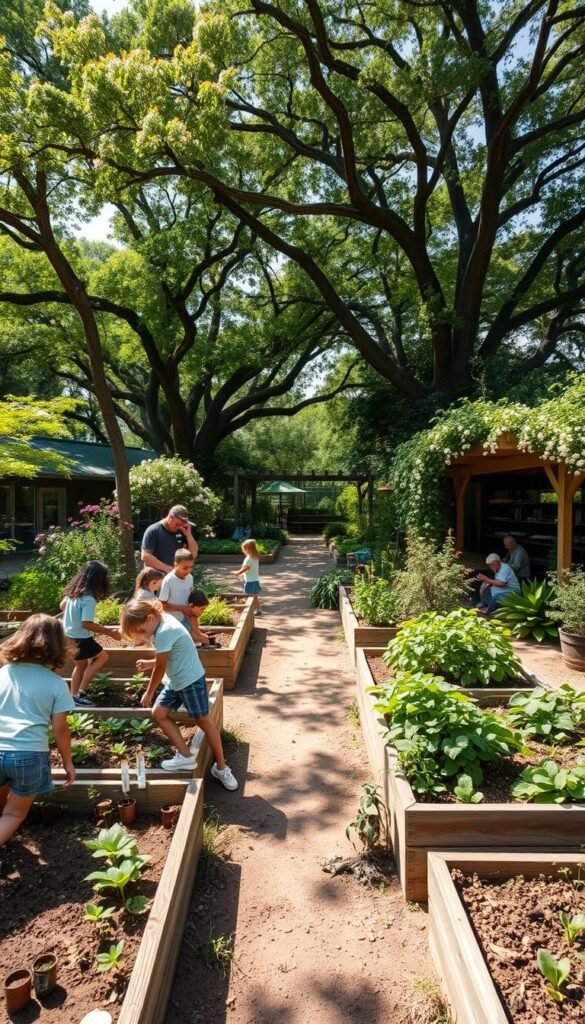
Outdoor classrooms become bridges between textbooks and real-world discovery. When students dig into soil or track plant growth, they connect classroom theories to tangible results. Research shows these experiences boost math and science scores by 12% compared to traditional methods.
Integrating Subjects like Science, Math, and Art
Your garden transforms into a multisensory lab where subjects collide naturally. Measure pumpkin circumference for geometry lessons or chart rainfall patterns for data analysis. One teacher reports: “Students grasp fractions faster when dividing harvest yields into salad portions.”
Art projects bloom when kids sketch pollinators or arrange leaf collages. Try these cross-curricular activities:
- Calculate seed spacing using multiplication tables
- Write poems about seasonal changes in nature journals
- Create land art with fallen petals and twigs
For deeper exploration, incorporate mini science experiments testing soil pH or sunlight effects. These activities make abstract concepts click through direct observation.
Promoting Environmental Stewardship and Health Benefits
Nurturing plants teaches care for living systems. Students discover composting cycles and water conservation through daily tasks. A California school reduced cafeteria waste by 40% after starting vermicomposting lessons.
Health improvements follow naturally. Kids who grow snap peas or strawberries often request seconds at lunch. Physical activity increases too – turning compost burns more calories than textbook reading!
Your green space becomes a launchpad for lifelong habits. As one parent shared: “My child now insists we recycle everything – even cereal boxes!” These experiences shape tomorrow’s eco-conscious leaders while boosting today’s test scores.
Bringing Your Garden Vision to Life
Your vision takes root as you map out each functional zone with purpose. Start by sketching bubble diagrams to arrange bed layouts, seating areas, and pathways. These rough drafts let your team test configurations before committing to scaled plans.
Refine your favorite layout into precise measurements using grid paper or design software. Accurate blueprints help calculate material costs and prevent overcrowding. One Michigan school saved 30% on lumber by adjusting bed dimensions during this phase.
Consult your local cooperative extension office when selecting plants. Their expertise ensures you choose species suited to your soil type and regional climate. Prioritize native varieties that bloom during academic months – watching tadpoles in April beats harvesting withered tomatoes in July.
Build community ties by inviting volunteers to install irrigation systems or prep planting zones. Assign summer care roles early – maybe a science club monitors hydration levels while art classes sketch growth patterns. With thoughtful planning, your green space becomes a living legacy that grows smarter each season.