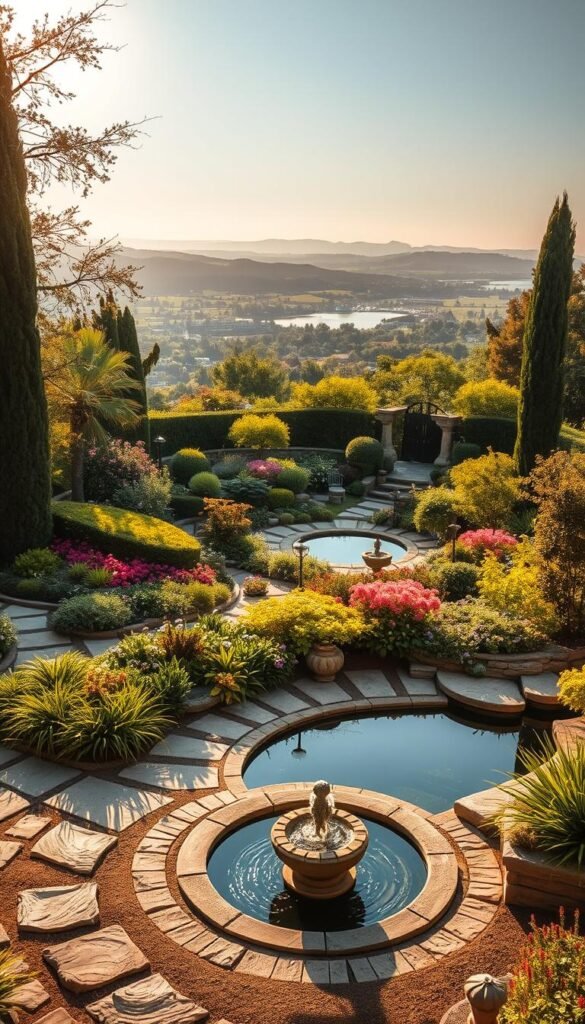
Creating a captivating outdoor space starts with understanding how to blend colors, textures, and shapes. Think of your garden as a living canvas where every plant and pathway tells a story. Passionate gardeners like those behind Sissinghurst’s iconic landscapes didn’t follow rigid rules—they experimented, adapted, and let creativity guide their choices.
You don’t need professional training to craft stunning environments. Whether pairing soft pastels with bold foliage or mixing weathered wood with sleek planters, your choices reflect personal style. This flexibility makes the process rewarding—your space evolves with each season, offering endless opportunities to refine your vision.
Discover how simple contrasts can transform ordinary areas into dynamic focal points. A ceramic planter beside trailing vines or structured shrubs next to airy grasses creates visual harmony. For inspiration on elevating your outdoor aesthetic, explore techniques that balance practicality with artistic flair.
Remember: there’s no “perfect” blueprint. Your garden grows alongside your skills, becoming a testament to experimentation and joy. Embrace the journey—it’s where unforgettable spaces are born.
Introduction: Setting the Stage for Your Garden Design
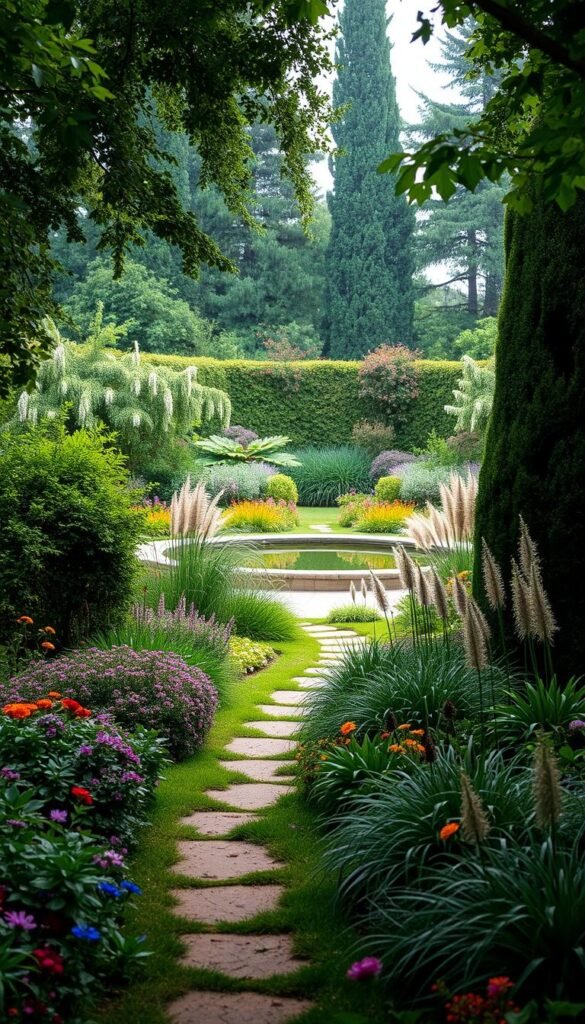
Transforming your yard requires balancing aesthetics with how you live and interact outside. Start by asking: Should your garden feel like a curated art exhibit or a wild meadow? Your answer shapes everything from plant choices to walking paths.
Defining Your Garden Vision
Formal style lovers lean toward crisp hedges and mirrored flower beds—think Versailles-inspired symmetry. Informal designs embrace natural curves, like prairie grasses spilling over stone borders. Match this look to your home’s architecture. A rustic cabin pairs with loose cottage plantings, while mid-century modern homes demand minimalist succulent arrangements.
| Style Type | Key Features | Best For | Maintenance |
|---|---|---|---|
| Formal | Geometric shapes, pruned shrubs | Urban yards, modern homes | High |
| Informal | Curved paths, mixed textures | Suburban/country settings | Low |
Understanding Your Space and Needs
Walk your space at dawn, noon, and dusk. Notice where shadows fall or puddles form after rain. These observations reveal microclimates affecting plant health. Maybe that sunny corner needs drought-tolerant lavender, while the damp spot under your maple tree becomes a fern paradise.
Consider functionality: Will you host summer barbecues? Need a safe play area? Prioritize durable perennials near seating zones and soft groundcovers around swingsets. Even small gardens can multitask—edible flowers border reflection nooks, while vertical planters save square footage.
Understanding the Core Elements of Garden Design
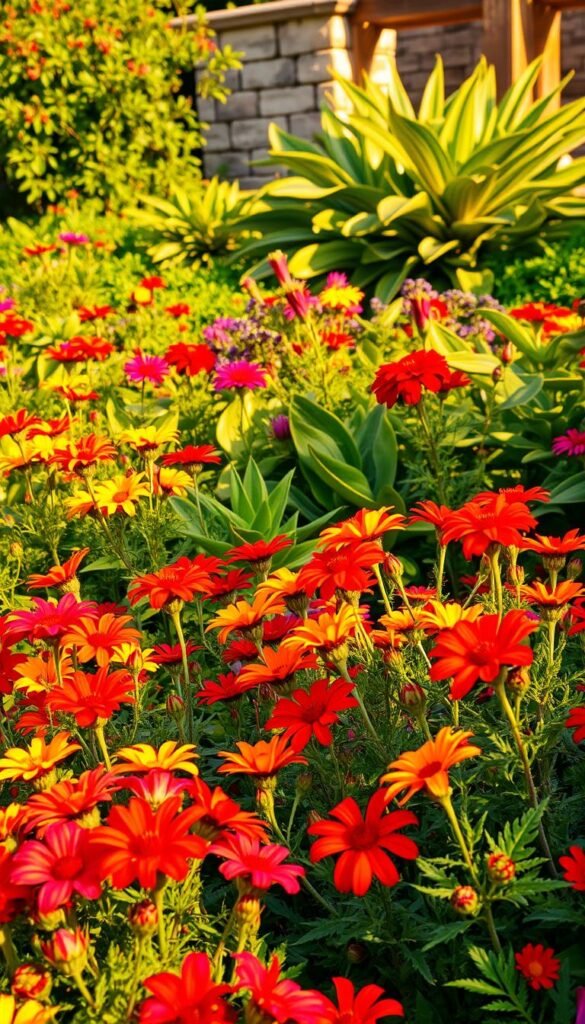
Great gardens don’t happen by accident—they’re built on thoughtful combinations of core visual components. These design elements act like ingredients in a recipe, working together to shape how your space feels and functions.
Color, Texture, and Form Explained
Color does more than please the eye—it steers attention and sets moods. Burgundy heucheras make fiery accents, while silver lamb’s ear cools busy areas. Remember: foliage often outlasts blooms, so prioritize leaf hues for year-round impact.
Rough stone paths or velvety moss introduce texture. Pair spiky yucca with feathery ferns to create depth. This contrast adds richness without overcrowding your space.
Form defines shapes—both plant silhouettes and structural features. Boxwood spheres give order, while weeping cherry trees soften edges. Your choices here determine whether your garden feels structured or wild.
Why Design Principles Matter
Without organization, even beautiful elements can clash. Principles like balance guide placement—a large shrub on one side might need three smaller plants opposite it. Repetition creates rhythm, like echoing purple salvia in multiple beds.
These rules aren’t restrictions—they’re tools for harmony. A curved gravel path (form) lined with rust-colored sedum (color) becomes unforgettable when layered intentionally. Your garden’s magic lives in these thoughtful combinations.
Embracing Focal Points to Create Visual Impact
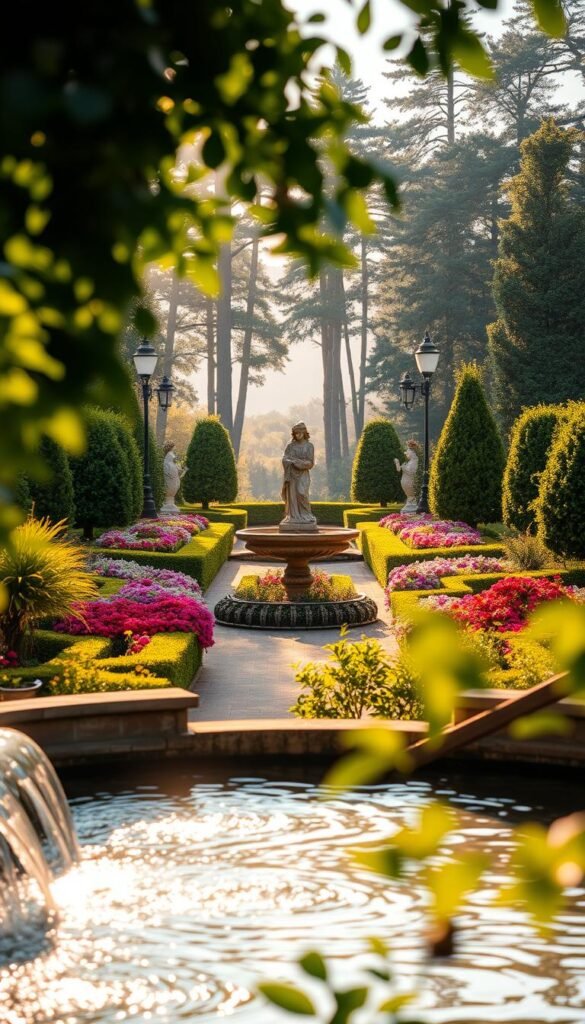
What makes a garden unforgettable? Often, it’s those eye-catching elements that command attention and spark curiosity. Think of focal points as your landscape’s exclamation marks—they guide the eye and give your space rhythm.
Choosing Striking Features
Your focal point could be a crimson Japanese maple or a bubbling stone fountain. Architectural elements like pergolas work wonders in large spaces, while ornamental grasses in sleek pots shine in compact areas. Place these features where paths meet or where views naturally pause—this creates flow and discovery.
Scale matters. A tiny courtyard gets overwhelmed by a massive sculpture, but thrives with a delicate birdbath. Conversely, sprawling yards need bold statements: think tiered water features or mature trees that anchor the design.
Smart placement solves problems too. Hide AC units behind a flowering arbor or draw eyes upward with vertical planters. Your choices should mirror your style—a quirky mosaic bench or a minimalist stone sphere both work when they feel authentically you.
Remember: focal points aren’t just decorations. They create gathering spots, frame stunning views, and turn ordinary corners into conversation starters. Let them reflect your personality while enhancing your garden’s natural flow.
How to Choose the Right Plants for Your Landscape
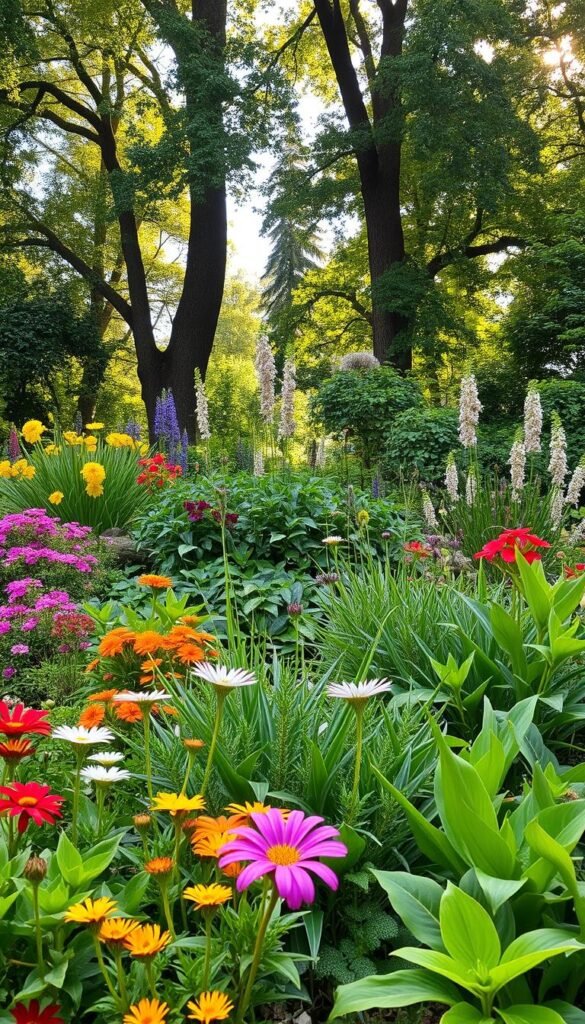
Selecting plants isn’t just about picking pretty flowers—it’s about building a living design. Every choice shapes your landscape’s personality, from towering trees to creeping groundcovers. Think of them as puzzle pieces that create harmony when placed thoughtfully.
Matching Plant Types to Your Design
Start with structure. Trees like Japanese maples or columnar evergreens act as living sculptures, framing views and defining spaces. Pair them with shrubs that complement their shape—rounded boxwoods under upright junipers, for example.
Texture adds depth. Mix lamb’s ear’s fuzzy foliage with glossy magnolia leaves for contrast. Needle-like rosemary beside broad hostas creates visual friction that draws the eye. These combinations work in both formal and cottage-style gardens.
Consider growth habits too. A sprawling hydrangea might overwhelm a small patio but thrive in open beds. Dwarf varieties keep proportions balanced. Layer plants by height: canopy trees, mid-sized grasses, and low-growing sedums create a cohesive look.
Choose flowers and foliage that deliver year-round interest. Spring-blooming bulbs, summer perennials, and shrubs with winter berries keep your landscape vibrant through seasons. This approach turns your outdoor space into a dynamic, ever-changing masterpiece.
Using Color to Enhance Your Outdoor Space
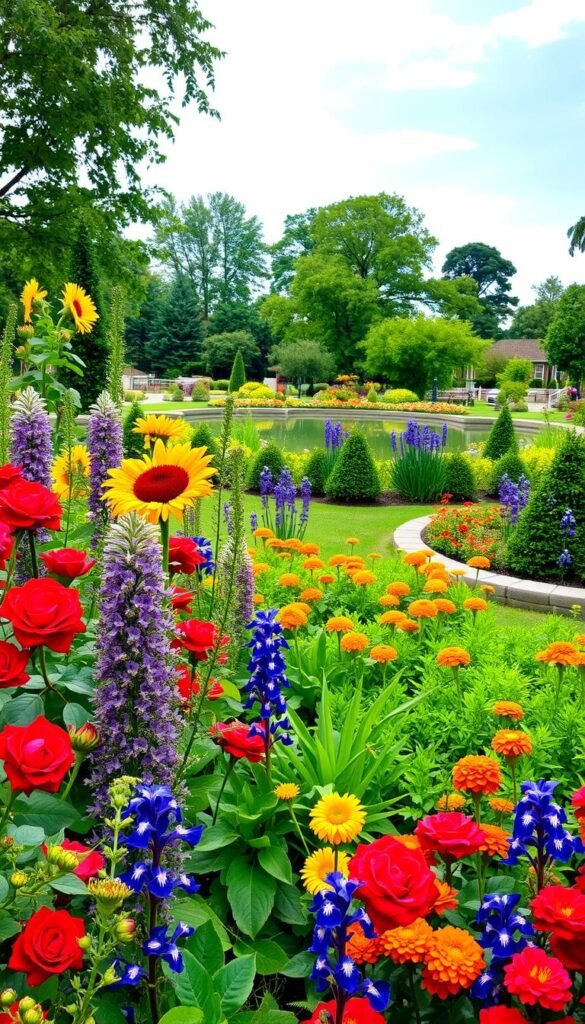
Color acts as your garden’s silent storyteller, shaping moods and directing attention without saying a word. Like an artist’s brushstroke, strategic color placement transforms ordinary spaces into emotional journeys. Let’s explore how to harness this power effectively.
Exploring Warm, Cool, and Neutral Color Palettes
Warm hues—red salvias, golden marigolds—pull viewers forward, creating intimate zones perfect for social areas. These shades boost energy levels, making them ideal around patios or fire pits.
Cool tones like lavender and blue hydrangeas push boundaries outward, giving compact yards an airy feel. Use them near meditation benches or winding paths where calm matters most.
| Palette Type | Key Colors | Mood | Best Use |
|---|---|---|---|
| Warm | Red, orange, gold | Energetic | Entertainment zones |
| Cool | Blue, purple, green | Relaxing | Quiet corners |
| Neutral | White, silver, tan | Balanced | Transition areas |
Techniques for Effective Color Contrast
Complementary pairs like purple asters with yellow coreopsis create fireworks for the eyes. For subtle drama, pair burgundy heucheras with chartreuse sweet potato vines.
Don’t limit color to flowers. Silver artemisia leaves or red-twig dogwood branches add winter interest. Even pavers or ceramic pots contribute to your palette.
Remember lighting changes everything. Test swatches at different times before planting. And if you’re working with limited space, avoid common pitfalls by using vertical color layers—draping vines above, mid-height shrubs, and ground-level blooms.
Incorporating Texture and Form for Added Depth
Texture transforms flat spaces into dimensional masterpieces you want to touch. Every element in your garden—from velvety petals to rugged stone paths—creates tactile interest that engages both eyes and fingertips.
Mixing Bold and Fine Textures
Pair feathery ferns with leathery hosta leaves for instant drama. Bold textures—like elephant ear’s giant foliage—act as natural anchors, while airy grasses soften edges. This contrast adds sophistication without overcrowding.
Think beyond plants. Smooth ceramic pots against rough cedar benches create layered texture. Even hardscape materials contribute: polished concrete stepping stones contrast with mossy groundcovers for sensory surprises.
Play with form too. Upright cypress trees give structure, while trailing ivy spills over walls. Combine mounded shrubs with spiky yucca for silhouettes that intrigue from every angle. These three-dimensional shapes keep your design dynamic year-round.
Remember: balance prevents chaos. Use one bold texture as a focal point, then repeat finer elements elsewhere. Your garden becomes a tactile journey where every corner invites exploration.
Master the Basics of Design Garden: Essential Elements for Your Landscape
Building a cohesive garden feels like conducting an orchestra—every element plays its part while supporting the whole. Start by mapping your site’s sunlight patterns and soil conditions. This foundation helps you layer plants and features systematically, ensuring each addition complements rather than competes.
Balance thrives on contrast. Pair a cluster of slender birch trees with sprawling hostas, or let fiery orange poppies echo against cool blue lupines. These pairings create visual harmony without mirroring. For guidance on core design principles, explore how professionals use lines, forms, and textures to achieve equilibrium.
Establish structure first. Plant canopy trees or install arbors to define spaces. Then add mid-sized shrubs and perennials, leaving room for annuals to fill gaps. If you’re working with limited space, consider strategic spatial planning techniques that maximize productivity through smart plant pairing.
Your landscape evolves with every choice. Maybe a stone bench becomes your anchor, inspiring cottage-style blooms around it. Or perhaps a modern water feature leads you toward minimalist grasses. Let one standout element guide your style—then build outward with intention.
Remember: rules exist to bend. Test combinations, move plants, and embrace surprises. Your garden isn’t static—it’s a living dialogue between vision and nature’s whims.