
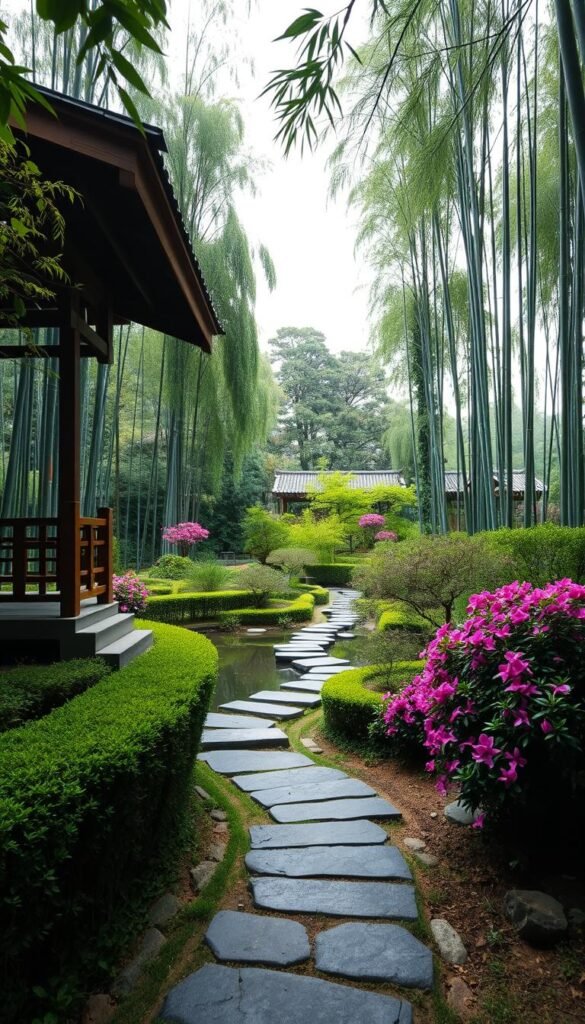
Imagine stepping into your own peaceful corner where fragrant leaves and blossoms grow just steps from your door. A dedicated space for cultivating herbs and plants used in brewing tea blends offers more than fresh ingredients—it becomes a daily escape from modern hustle. Whether you have a backyard, balcony, or sunny windowsill, this project adapts to your lifestyle.
For centuries, cultures worldwide have valued these nurturing spaces. From Japan’s meditative Zen layouts to England’s cottage-style plots, growing tea-friendly varieties connects you to timeless traditions. Fresh mint, chamomile, or lavender plucked straight from your garden elevate your cup while grounding you in nature’s rhythms.
Beyond practicality, tending these plants fosters mindfulness. The simple acts of watering, pruning, and harvesting create moments to pause and recharge. Even small container setups on urban balconies can yield enough leaves for daily infusions, proving space isn’t a barrier.
You’ll discover how blending fragrant herbs with calming routines transforms ordinary afternoons. Let’s explore designing a personalized oasis that thrives in your unique environment—no sprawling yard required.
Introduction to Tea Gardens and Their Benefits
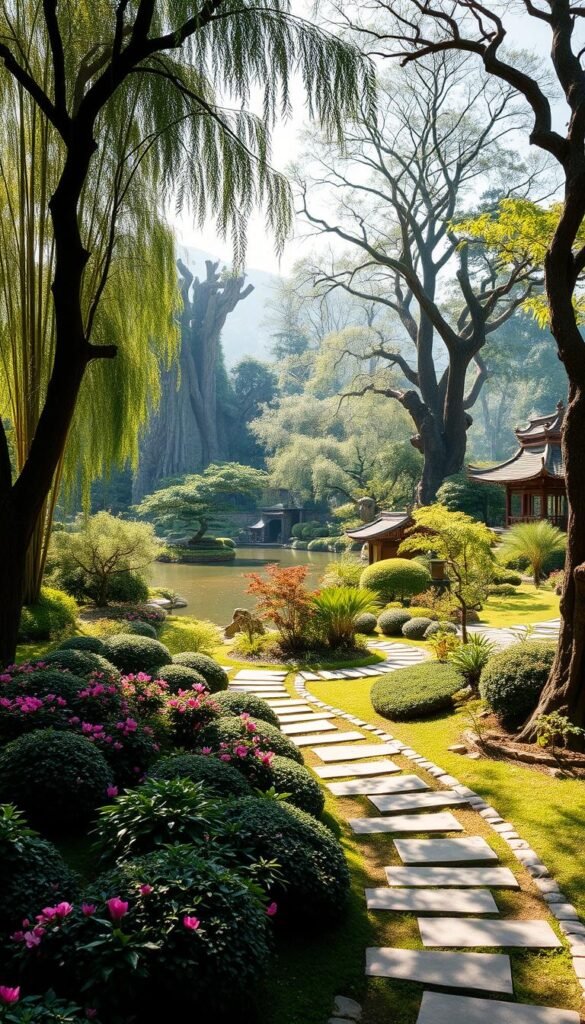
What if your daily cup could connect you to centuries of global tradition and personal well-being? These living spaces blend history with modern sustainability, offering far more than fresh ingredients for brewing.
Roots in Global Rituals
Chinese scholars once sipped infusions in bamboo-lined courtyards, while Japanese monks used matcha gardens for meditation. English estates later popularized afternoon tea rituals with homegrown mint and rose petals. Each culture recognized how nurturing plants fosters mindfulness.
Modern Wellness Meets Practicality
Growing your own herbs like lemon balm or chamomile means avoiding store-bought teas with additives. A $3 seed packet yields months of organic blends supporting sleep and digestion. You’ll also slash plastic waste—no more disposable tea bags or shipping boxes.
Families find these projects educational. Kids learn composting by turning kitchen scraps into fertilizer, while adults rediscover nature’s rhythms through seasonal harvesting. Even a windowsill planter becomes a living classroom.
Selecting the Perfect Location for Your Tea Garden

Location determines flavor, growth, and your garden’s ease of care. Before digging in, observe how sunlight moves across your yard, balcony, or windowsill. Small adjustments now prevent headaches later.
Evaluating Sunlight and Climate Needs
Most herbs thrive with 4-6 hours of daily sun, but timing matters. Morning light gently wakes plants without scorching leaves. Afternoon rays? They’re harsher—use shade cloth if needed. Match varieties to your region: hibiscus loves humidity, while chamomile handles cooler nights.
Assessing Soil Quality and Space Requirements
Test your dirt’s texture and pH. Tea plants crave well-draining, slightly acidic soil. Mix compost into clay-heavy earth or add sand for better flow. Confine mint and lemon balm in pots—they’ll invade neighboring roots otherwise. Even tiny areas work: try vertical planters or tiered pots for elevating your space with a gardening.
Live in a dry climate? Mulch retains moisture. Limited on space? Group containers by water needs. Your spot doesn’t need to be perfect—just thoughtful.
Craft a Serene Tea Garden Design to Enjoy Afternoon Relaxation
Transform your outdoor space into a living teacup of tranquility. Whether you prefer wildflower charm or minimalist stone pathways, your layout sets the mood. Let’s explore how structure and creativity merge to form functional beauty.
Popular design styles offer distinct vibes. Cottage layouts burst with lavender and mint in free-form clusters. Formal arrangements use boxwood hedges to frame symmetrical plantings of chamomile and roses. Zen-inspired spaces feature raked gravel around single-focus elements like a bamboo water feature.
| Style | Shape | Key Plants | Features |
|---|---|---|---|
| Cottage | Irregular | Lavender, Mint | Mixed heights |
| Formal | Symmetrical | Chamomile, Roses | Geometric beds |
| Zen | Minimalist | Bamboo, Moss | Rock formations |
Whimsy lovers might shape beds into teapots—10-foot designs hold 20 plants comfortably. Leave 18-inch gaps between herbs for airflow and easy harvesting. Tuck a weathered bench between flowering bushes for moments of quiet reflection.
Layer textures by pairing feathery dill with broad-leaf bergamot. Add pops of color using calendula petals or blue borage blooms. These combinations delight the senses while keeping your brew ingredients within arm’s reach.
Choosing the Best Plants for Your Tea Garden

Your brew’s character begins with the leaves and blossoms you cultivate. Whether you crave classic black or green varieties or prefer caffeine-free herbal infusions, selecting the right species ensures vibrant flavors and aromatic depth.
Herbal Favorites for a Flavorful Brew
Mint varieties like peppermint thrive in partial shade and offer cooling notes perfect for digestion. Chamomile’s daisy-like flowers deliver apple-like sweetness, ideal for evening relaxation. Lemon balm adds citrus zest to blends, while lavender’s purple buds introduce floral complexity.
For bold tastes, try lemon verbena—its elongated leaves pack a tangy punch. Pair these with container gardening hacks to maximize small spaces. Echinacea and rose hips expand your options, offering immune support and vitamin C boosts.
Including True Tea Plants and Traditional Herbs
Camellia sinensis is the star here—this single species produces all true teas through processing variations. Green tea uses steamed leaves, while black tea involves oxidation. Grow it in acidic soil with afternoon shade.
| Plant Type | Varieties | Flavor Profile | Benefits |
|---|---|---|---|
| True Tea | Camellia sinensis | Earthy, grassy | Antioxidant-rich |
| Herbal | Peppermint, Chamomile | Cooling, sweet | Digestive aid |
| Citrus | Lemon balm, Verbena | Zesty, bright | Mood enhancer |
Mix traditional herbs like hibiscus for tartness or holy basil for stress relief. Your garden becomes a living pantry, blending timeless traditions with personalized wellness.
Planning Your Garden Layout and Design

Smart organization transforms how your plants thrive and how you interact with them. Start by mapping zones based on sunlight patterns and moisture levels. This thoughtful approach simplifies care while creating visual harmony.
Grouping Plants by Water and Sun Needs
Cluster herbs that crave similar conditions. Rosemary and thyme thrive in dry soil with full sun, while mint and lemon balm prefer damp spots with afternoon shade. This grouping prevents overwatering and reduces maintenance time.
Leave 12-18 inches between plants for airflow. Use curved pathways or small-space gardening hacks like staggered containers. You’ll move freely for harvesting without trampling delicate roots.
Aesthetic Arrangements for a Relaxing Space
Layer heights to create depth. Place tall lavender bushes behind low-growing chamomile. Add pops of color with calendula blooms between green foliage. Textured leaves like fuzzy sage add tactile interest.
Incorporate natural borders—river rocks or dwarf boxwood—to define areas. These elements guide the eye while maintaining your garden’s peaceful vibe. Remember: beauty emerges when functionality meets creativity.
Growing and Caring for Your Tea Garden

Nurturing your leafy companions requires equal parts attention and intuition. Consistent care transforms seedlings into robust producers, ensuring every cup bursts with homegrown flavor. Let’s break down the essentials for thriving plants year-round.
Watering, Pruning, and Pest Control Basics
Check soil moisture by sticking your finger an inch deep. Mint craves dampness, while lavender thrives in dryness. Water early to reduce evaporation, aiming for moist—never soggy—roots.
Prune regularly to boost growth. Snip stems just above leaf nodes using clean shears. This encourages bushier shapes and prevents leggy herbs. Remove yellow leaves promptly to deter pests.
Combat aphids with neem oil sprays or introduce ladybugs. Plant marigolds near chamomile to repel beetles naturally. Healthy plants resist infestations better, so prioritize balanced nutrition.
Feeding Your Soil for Maximum Flavor
Mix compost into beds each spring for slow-release nutrients. Acid-loving varieties like Camellia sinensis benefit from coffee grounds or pine needle mulch. Test pH annually to maintain ideal conditions.
Apply straw or bark chips around bases to lock in moisture. This suppresses weeds and regulates soil temperature. Refresh mulch every 3 months as organic matter decomposes.
Observe leaf color for deficiencies—pale greens often signal low nitrogen. Adjust feedings with fish emulsion or seaweed extracts. Your gardening efforts will yield aromatic leaves perfect for steeping.
Harvesting and Drying Your Tea Leaves
The moment your herbs reach peak potency marks the perfect time to gather nature’s bounty. Timing and technique determine whether your homegrown blends burst with vibrant flavor or fall flat. Let’s explore how to preserve those aromatic oils you’ve nurtured.
When to Snip for Maximum Impact
Most varieties hit their stride just before flowering—when essential oils concentrate in the leaves. Check stems daily as buds form. Aim for a dry morning after dew evaporates but before noon heat kicks in. Dampness invites mold, so skip rainy days.
Preserving Nature’s Goodness
Bundle 5-7 stalks with twine and hang them upside-down in a dark, airy spot. Alternatively, spread leaves on mesh screens. Avoid sunlight—it zaps flavor. Crispy-dry herbs crumble easily between fingers, usually within 7-14 days.
Store fully dried tea ingredients in airtight jars away from heat. Label each container with dates and varieties. Your patience rewards you with herbs that retain their magic for 12-18 months—ready to steep whenever you crave freshness.