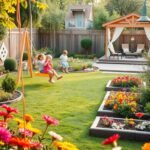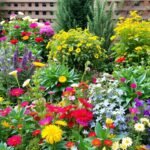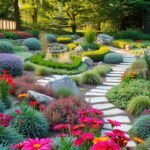

Your backyard holds untapped potential to become a personal retreat that blends beauty with purpose. By rethinking how you use your space, you can craft an environment that supports relaxation, entertainment, and connection with nature. Whether you have a sprawling lawn or a cozy corner, smart design choices can elevate everyday moments.
Modern approaches focus on clean layouts that work with your lifestyle. Think about how you want to enjoy your garden—maybe a fire pit for gatherings or shaded nooks for quiet mornings. Sustainable materials and native plants often play key roles, ensuring your oasis thrives with minimal upkeep.
Discover how blending timeworn charm with fresh ideas adds character. For example, repurposed items like weathered containers or salvaged decor create focal points that tell stories. These touches pair perfectly with functional elements like gravel paths or raised beds.
Every choice should reflect what makes your household unique. From selecting durable furniture to arranging plants for visual flow, thoughtful planning turns ordinary areas into extensions of your home. The result? A backyard that feels intentional, inviting, and uniquely yours—ready for Sunday barbecues or solitary sunsets.
Understanding Your Outdoor Space
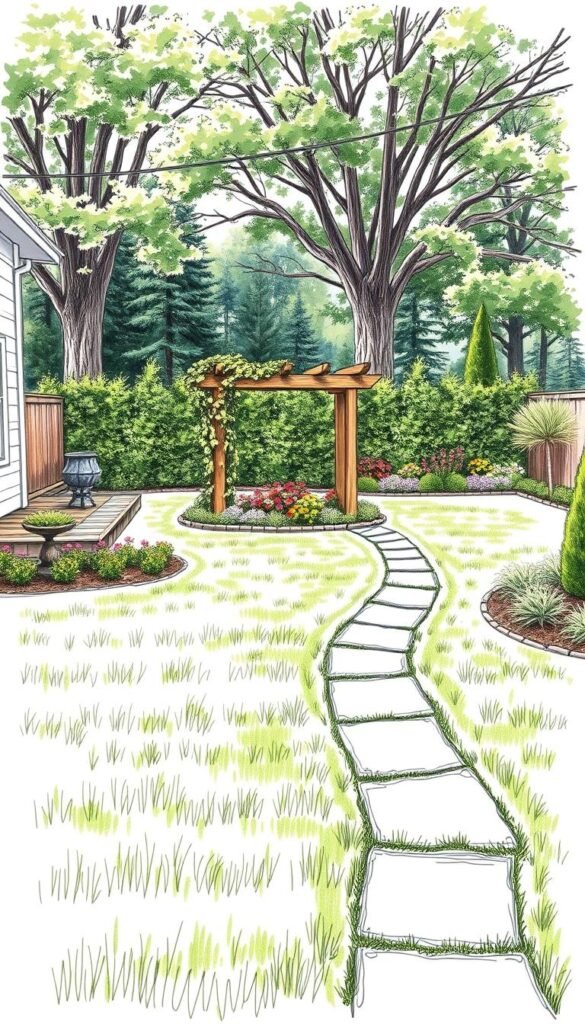
Before diving into design, take time to assess your area thoroughly. Grab a pencil and paper to sketch existing structures like your home, sheds, or mature trees. Jot down measurements later—this rough draft helps visualize possibilities without pressure.
Assessing Yard Size and Layout
Head outside with your sketch and a tape measure. Mark distances between fixed points, like the patio to fence line. Note where doors and windows face—these influence traffic flow and sightlines. Don’t forget utilities: water sources and outlets shape irrigation or lighting plans.
Transfer notes to graph paper for accuracy. Highlight sunlit zones versus shaded corners, which determine plant choices. Sloped sections? They’ll need terracing or erosion control. This blueprint becomes your roadmap for every future decision.
Prioritizing Your Outdoor Needs
List what matters most—maybe a dining spot or gardening aesthetic corner. Rank these goals to avoid overcrowding. Compact spaces benefit from vertical planters or foldable furniture that save room.
Ask: Will kids need play space? Do you host often? Balancing practicality with style ensures your backyard works as hard as it looks good. Small tweaks, like widening pathways, prevent bottlenecks while keeping the vibe inviting.
Defining Your Landscape Design Vision
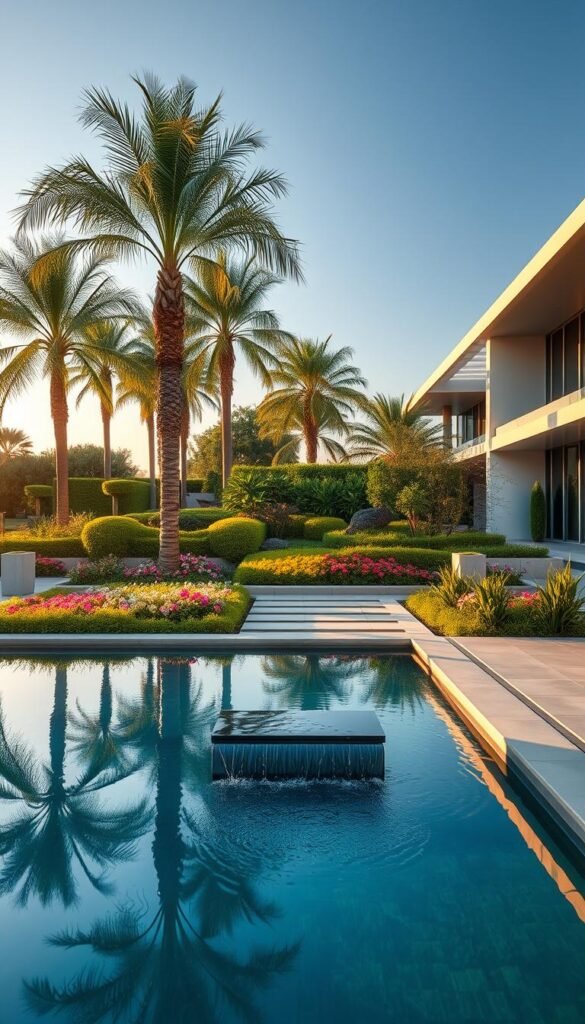
What story do you want your landscape to tell? Start by imagining how each element—paths, plants, and seating areas—works together to create a unified look. Modern landscaping thrives on simplicity, blending geometric shapes with organic textures for visual harmony.
Setting Clear Aesthetic Goals
Begin by exploring landscape design principles that match your home’s architecture. Sleek stone patios or curved flower beds? Your choices should mirror how you live. For example, low-maintenance gravel gardens suit busy households, while tiered planters add drama to compact spaces.
Consider this comparison when choosing your style:
| Focus | Traditional | Modern |
|---|---|---|
| Materials | Wood, brick | Concrete, metal |
| Layout | Symmetrical | Asymmetrical |
| Maintenance | High | Low |
Mix functionality with beauty. A fire pit doubles as a gathering spot, while native grasses reduce watering needs. For creative outdoor arrangements, try grouping pots in odd numbers or using vertical trellises. Your space becomes a reflection of your priorities—whether that’s hosting friends or unwinding solo.
Keep budgets flexible. Phase projects over seasons, starting with high-impact zones like entryways. This approach lets your vision evolve naturally, adapting to new ideas without overwhelm.
Maximizing Small Yard Potential
Compact yards spark big creativity when approached strategically. Professional landscapers often favor tight spaces because they push inventive solutions—like mirrored walls that double perceived depth or tiered planters that add dimension. As one designer notes:
“Limitations breed innovation. A petite area forces you to prioritize what truly matters.”
Smart layouts make every square foot count. Consider this comparison for optimizing your backyard:
| Challenge | Traditional Fix | Space-Saving Solution |
|---|---|---|
| Seating | Bulky patio set | Built-in benches with hidden storage |
| Planting | Sprawling beds | Vertical herb walls |
| Pathways | 3-ft wide walkways | 18″ stepping stones with groundcover |
Multi-level decks create distinct zones without crowding. Try floating shelves for potted plants instead of occupying precious ground space. Foldable furniture tucks away when not in use, while permaculture principles help select plants that serve multiple purposes—like rosemary bushes that provide fragrance and culinary herbs.
Light colors and diagonal paving patterns visually expand tight quarters. String lights draw eyes upward, making ceilings feel higher. With clever planning, your petite yard becomes an extension of your home—perfect for morning coffee or intimate gatherings under the stars.
Incorporating Creative Garden Techniques

Elevate your green space by thinking beyond traditional planting methods. Vertical structures and edible features transform limited areas into dynamic environments that serve both beauty and purpose. Let’s explore how to stretch your garden upward and integrate tasty elements seamlessly.
Exploring Vertical Gardening and Unique Arrangements
Turn blank walls into living art with climbing plants like cucumbers or flowering vines. Trellises and modular planters let you grow herbs, strawberries, or succulents in tight spaces. Check out this comparison of vertical solutions:
| Type | Best For | Space Saved |
|---|---|---|
| Wall planters | Herbs, leafy greens | 80% floor area |
| Tiered stands | Potted flowers | 65% ground space |
| Hanging baskets | Cherry tomatoes | 100% vertical |
These systems create depth while keeping pathways clear. A mint-filled planter by the kitchen window adds fragrance and cocktail ingredients. For shady spots, try ferns in stacked containers—they thrive without direct sun.
Integrating Edible Elements for Functionality
Why choose between pretty and practical? Strawberries spill beautifully from hanging baskets, while espaliered apple trees form living fences. One urban gardener shares:
“My basil wall feeds my family and neighbors—it’s a conversation starter every summer.”
Raised beds simplify harvesting kale or peppers, doubling as decorative borders. Pair edible flowers like nasturtiums with veggies for pops of color. Compact fruit varieties work wonders in container setups on patios or balconies.
Remember: Match crops to your sunlight patterns. Cherry tomatoes need 6+ hours daily, while lettuce grows well in dappled shade. With smart choices, your landscaping becomes a pantry and paradise rolled into one.
How to Reimagine Your Yard Using Creative Outdoor Design Garden Techniques
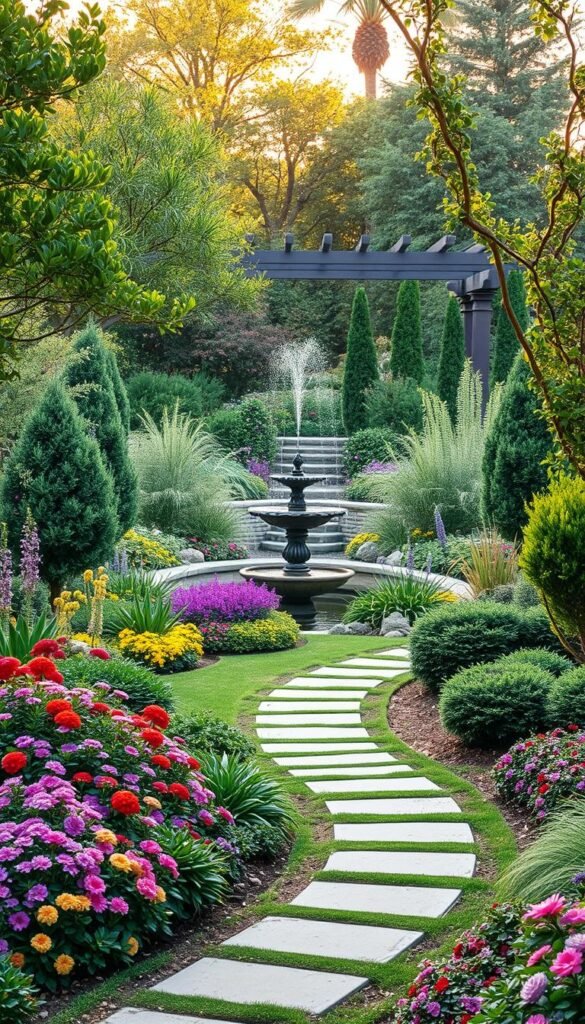
Transforming your property begins with a clear roadmap that merges vision with reality. Start by sketching a rough layout of your existing space—note sunlight patterns, slopes, and permanent structures. This foundation helps identify opportunities for functional upgrades while preserving natural charm.
| Phase | Key Actions | Impact |
|---|---|---|
| 1: Planning | Soil testing, budget setting | Prevents costly mistakes |
| 2: Hardscaping | Install pathways, seating | Defines usable areas |
| 3: Planting | Add native species, edibles | Boosts curb appeal |
Blend time-tested methods with modern flair. A landscape architect suggests:
“Mix formal hedges with wildflower meadows—it creates intrigue while supporting pollinators.”
This balance keeps maintenance manageable and spaces lively through seasons.
Focus on multi-use features. A stone bench doubles as a planter border, while permeable pavers manage rainwater. Choose materials that age gracefully, like cedar or corten steel, to reduce long-term upkeep.
Finally, layer lighting and textures for depth. Solar path markers guide evening strolls, while ornamental grasses add movement. Your refreshed backyard becomes a sanctuary that grows with your family—and impresses potential buyers.
Designing a Multi-Zone Outdoor Living Space
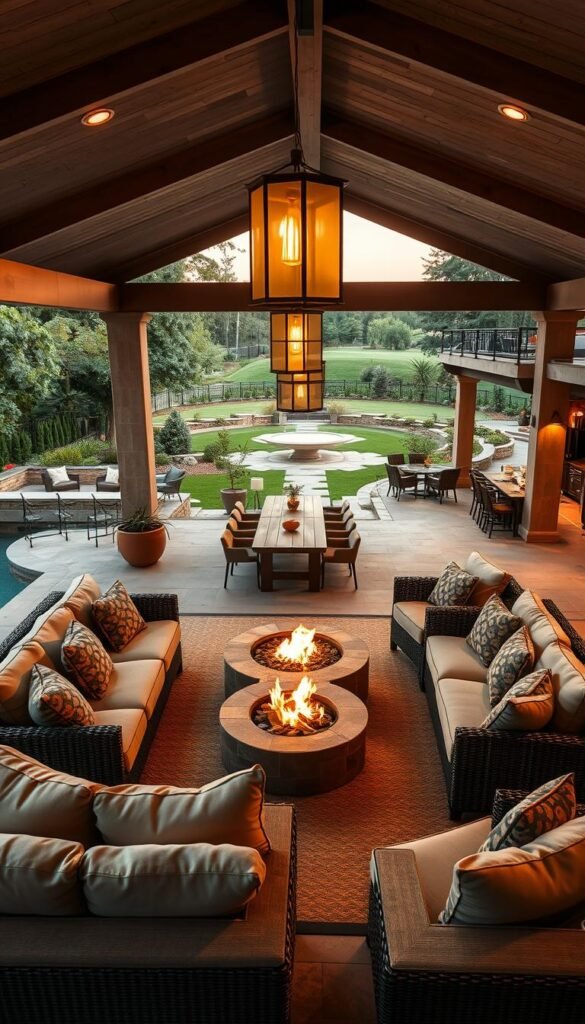
Transform your backyard into a series of purposeful areas that cater to different activities. Clever zoning lets you host dinners, unwind after work, and enjoy morning coffee—all within one cohesive space. Start by defining how each zone serves your lifestyle, then use visual cues to separate them naturally.
Creating Distinct Outdoor Rooms
Physical dividers aren’t always necessary. A trio of tall grasses in sleek planters can separate a seating nook from a dining area. Outdoor rugs work wonders for marking zones—try a bold geometric pattern under your grill station and a neutral one beneath lounge chairs.
Multi-functional features maximize efficiency. A built-in bench with hidden storage serves as both seating and a toy chest. For personalized flair, DIY garden art adds character while subtly defining boundaries between spaces.
Utilizing Color and Lighting to Enhance Zones
Warm string lights above a patio table create an intimate dining atmosphere, while cool-toned path markers guide evening strolls. Stick to three main colors across all zones—like sage green, terracotta, and cream—to maintain visual harmony.
Layer lighting types for depth. Spotlights highlight architectural plants, while waterproof LED strips under benches provide subtle ambiance. This approach lets each room feel unique yet connected, day or night.
Integrating Hardscaping Elements for Visual Impact
Strategic materials choices elevate your landscape from ordinary to extraordinary. Hardscaping serves as the backbone of your outdoor areas, defining flow while adding texture and structure. Let’s explore how to blend function with striking aesthetics.
Selecting Patios, Walkways, and Retaining Walls
Concrete patios gain personality when bordered with gravel accents—a budget trick that softens edges. For urban spaces, consider narrow container gardening setups alongside pathways to merge greenery with practicality.
| Feature | Traditional Option | Modern Budget Option | Impact |
|---|---|---|---|
| Patio Base | Full concrete slab | Concrete tiles + pea gravel | 35% cost reduction |
| Path Edging | Brick borders | Recycled steel strips | Sleek industrial vibe |
| Retaining Walls | Natural stone | Stained concrete blocks | Doubles as seating |
Curved walkways guide eyes through the space, making yards feel expansive. A landscape architect shares:
“Layering two materials—like flagstone and decomposed granite—creates visual depth without overwhelming small areas.”
Retaining walls tackle slopes while adding planting pockets. Try embedding LED strips into capstones for evening ambiance. These solutions prove that smart material mixes deliver high-end looks at DIY prices.
Employing Water Features and Fire Pit Designs
Transform your evenings with the gentle murmur of water and the warmth of dancing flames. A well-placed water feature adds instant serenity, whether it’s a bubbling fountain or a small pond. These elements mask street noise while inviting birds and butterflies to visit—nature’s own decorators at work.
Position water elements where you’ll enjoy them most. A tabletop fountain near seating areas creates a calming soundtrack for conversations. Larger installations, like cascading streams, become natural focal points that guide guests through your space.
Fire pits shine as multi-season magnets for connection. Opt for a sunken pit with built-in seating for chilly nights, or choose a portable design for flexibility. One landscape designer notes:
“A fire feature extends outdoor living by months—people gather around it like moths to a flame.”
| Feature Type | Best Placement | Maintenance Level |
|---|---|---|
| Wall fountain | Near seating areas | Low |
| Natural pond | Low-traffic zones | Moderate |
| Gas fire table | Central patio | Easy |
Pair these elements for balanced energy. The contrast between flowing water and crackling fire creates dynamic ambiance. Just ensure proper spacing—keep flammable materials at least 10 feet from open flames for safety.
Choosing Sustainable and Low-Maintenance Materials
Smart material choices transform upkeep into effortless enjoyment. Start by swapping thirsty lawns with drought-resistant plants like lavender or sedum—they thrive with minimal watering. For high-traffic zones, permeable pavers allow rainwater absorption while preventing muddy shoes.
Embracing Xeriscaping and Native Plant Options
Xeriscaping isn’t just for deserts. Replace grass with clover or artificial turf in play areas, then surround them with native flowering shrubs. These plants attract pollinators while needing 60% less care than exotic species.
Layer mulch around trees to lock in moisture and suppress weeds. For budget-friendly home gardening ideas, try gravel pathways edged with creeping thyme. This fragrant groundcover handles foot traffic and blooms purple in summer.
Choose landscaping elements that age gracefully. Rustic cedar benches or recycled composite decking withstand weather without staining. Pair these with ornamental trees like serviceberries—they offer spring flowers, summer fruit, and fiery fall leaves. Your space stays vibrant with little effort.