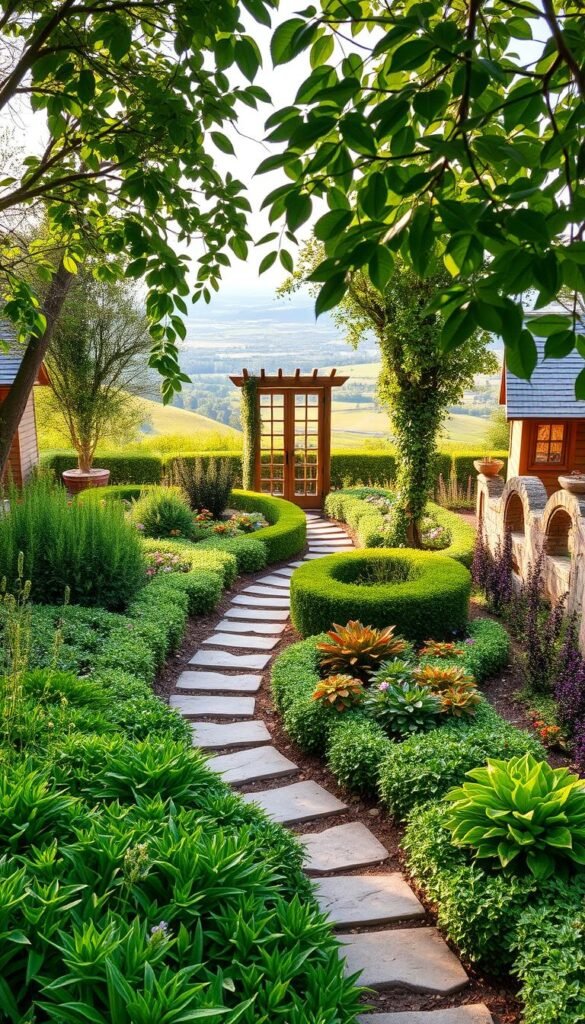
Even the tiniest outdoor spots can become lush, productive zones when you use thoughtful arrangements. Patios, balconies, and narrow yards all hold potential for fresh herbs, vegetables, and flowers—you just need the right approach.
Imagine harvesting tomatoes from a vertical planter or growing lettuce in stacked containers. These methods let you work with your available area instead of fighting against it. A well-planned setup not only boosts yields but also turns functional spaces into eye-catching features.
One effective method involves building raised beds for square-foot gardening, which organizes plants in dense grids to minimize wasted ground. Pair this with vertical structures like trellises, and suddenly every inch contributes to your harvest.
You’ll learn how to match layouts to your specific needs—whether that’s fitting more varieties or simplifying maintenance. We’ll explore materials like cedar wood and repurposed items that keep costs low while ensuring durability. By the end, you’ll see how creativity and strategy can turn limitations into opportunities for year-round freshness.
Understanding the Benefits of Clever Garden Bed Design
Elevated planters unlock hidden potential in any yard by improving growing conditions. Unlike traditional plots, raised beds let you tailor soil quality to match what your vegetables or flowers need. This means no more struggling with clay-heavy earth or nutrient-poor dirt that stifles growth.
Better drainage is one major perk. Excess water flows away faster, protecting roots from rot during heavy rains. You’ll also notice fewer weeds competing with your plants since the soil isn’t compacted.
Customizing your mix of compost, sand, and organic matter gives crops exactly what they crave. Acid-loving blueberries? Adjust the pH. Delicate herbs? Boost drainage with perlite. This control leads to healthier yields and fewer pest problems.
Maintenance becomes simpler too. The defined edges keep pathways clear, and the height reduces bending. Plus, warmer soil in spring lets you start planting earlier. By focusing on smart layouts, you create a thriving ecosystem that works harder for you.
Explore Raised Beds for Optimal Growing Space

Building your own planters gives you control over size, layout, and soil quality. Whether you’re growing herbs or heirloom tomatoes, the right setup makes maintenance easier and harvests more abundant.
DIY Tips for Building Your Raised Bed
Start with a solid plan. Measure your space and sketch dimensions before cutting wood. Cedar remains a top pick for its rot resistance, but untreated pine or recycled plastic boards work too. Use galvanized screws instead of nails – they hold better over time.
Follow a step-by-step tutorial to avoid common pitfalls like uneven corners or weak joints. If hauling supplies, check your vehicle’s trunk space first. Many hardware stores offer delivery for bulky items.
Choosing the Right Natural Materials
Prioritize durability and sustainability. Here’s what works best:
- Cedar: Naturally insect-resistant and lasts 10-15 years
- Reclaimed barn wood: Eco-friendly option with rustic charm
- Concrete blocks: Budget-friendly and ideal for curved designs
Invest in quality materials upfront. Cheap composites might warp or leach chemicals into your soil. Remember: A well-built bed requires less upkeep and stays productive longer.
Discover Potager-Style and Traditional Garden Beds

What if your vegetable patch could rival your flower borders in beauty? The French potager tradition answers this by blending edible and ornamental plants into living tapestries. Originating from historic estates, these kitchen gardens turn practicality into artistry.
The Charm of a Kitchen Garden
Think beyond rows of lettuce. A potager mixes vibrant chard with marigolds, or lets rosemary spill over thyme near blooming nasturtiums. This approach creates visual rhythm while attracting pollinators to boost yields.
Seasonal rotations keep things fresh. Plant cool-weather kale alongside pansies in spring, then swap them for basil and zinnias as temperatures rise. You’ll always have something to harvest—and admire.
Even tight spaces thrive with this method. Use geometric patterns in raised beds or containers to organize diverse crops. Curate colors and textures like you’re elevating your garden’s visual appeal through edible landscaping.
Key elements to try:
- Repeat flowering herbs like lavender for structure
- Edge beds with dwarf sunflowers or edible violas
- Train cherry tomatoes up decorative obelisks
Your kitchen garden becomes a dynamic space where salads grow beside scent-filled blossoms. It’s productivity wrapped in timeless elegance.
Maximize Your Garden with Stock Tank & Concrete Block Beds
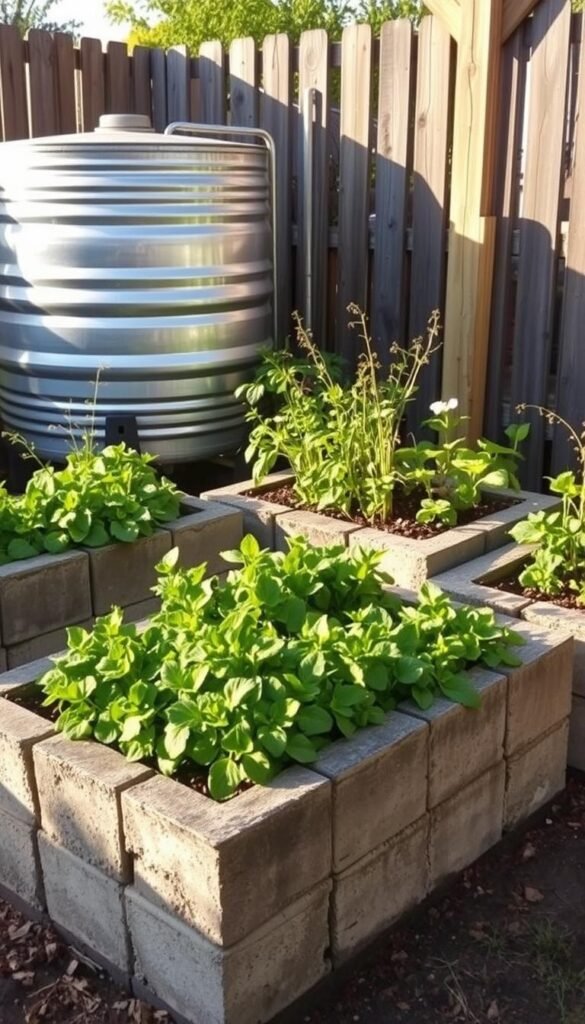
Who says you need fancy supplies to grow a thriving garden? Everyday materials like galvanized stock tanks and concrete blocks offer sturdy, stylish alternatives to traditional setups. These options deliver instant structure while adding character to your outdoor space.
Enhancing Functionality with Innovative Materials
Stock tanks shine as ready-to-use planters with a rugged industrial vibe. Just drill a few holes in the bottom for drainage, add soil, and you’ve got a raised bed that lasts decades. Their metal construction resists rot better than wood, and the deep design suits root vegetables like carrots or potatoes.
Concrete blocks take versatility further. Stack them in straight lines or curved shapes to match your layout. Fill the hollow centers with soil for bonus planting pockets—perfect for trailing flowers like sweet alyssum. You’ll squeeze more greenery into tight corners without sacrificing stability.
Both materials cut down on maintenance. No annual staining or replacing warped boards. Plus, they handle harsh weather without cracking. Whether you’re growing herbs in a stock tank or strawberries in block crevices, these solutions prove creativity beats budget constraints every time.
Self-Watering and Modern Planter Box Solutions

Keep your plants thriving with minimal effort using smart irrigation technology. Elevated planters often lose moisture faster than ground-level setups, leaving roots parched. Modern solutions blend convenience with science to maintain perfect hydration levels automatically.
Creating a DIY Self-Watering System
Build a reservoir-based planter in three simple steps. Start with a container that holds at least 12 inches of soil. Separate the bottom third using a plastic divider with holes – this becomes your water storage zone.
Add a fill tube to replenish the reservoir without disturbing plants. The soil wicks moisture upward through capillary action, delivering exactly what roots need. You’ll only refill weekly, even when temperatures soar.
Common household items work perfectly:
- Use PVC pipes as vertical watering columns
- Repurpose old storage bins as planters
- Try landscape fabric instead of commercial wicks
This method shines on patios where daily watering feels tedious. Your herbs and veggies stay consistently hydrated, preventing wilted leaves between vacations. Best part? No complex plumbing or expensive gadgets required – just smart design.
Design Raised Beds with Built-In Irrigation

Tired of hauling hoses every day? Built-in irrigation turns your raised beds into self-sufficient growing stations. These systems deliver water straight to roots through tubes or emitters, cutting waste and saving your back.
Start by choosing between drip lines, soaker hoses, or micro-sprinklers. Drip systems work best for precise hydration, while soaker hoses spread moisture evenly across wide plantings. Connect them to a timer for hands-off care during vacations.
Installation is simpler than you think. Lay tubing along planting rows before adding soil, or bury lines 2-3 inches deep. Pair your setup with efficient watering solutions like moisture sensors to prevent overwatering.
Benefits stack up fast:
- Healthier plants with fewer fungal issues
- 30-50% less water use compared to sprinklers
- No more dry spots or drowned seedlings
Build irrigation into new raised bed projects from the start. You’ll spend minutes weekly checking lines instead of hours dragging cans. Your garden stays lush even when life gets busy.
Utilize Vertical Gardening to Expand Your Growing Area
Why let gravity limit your harvest when you can grow upwards? Vertical arrangements transform blank walls and narrow corners into productive zones. Trellises, hanging baskets, and stacked planters let you cultivate more varieties without expanding your footprint.
Climbing vegetables like pole beans and cucumbers naturally reach for sunlight. By giving them proper support, you create living walls that produce food while beautifying your area. This approach works equally well on balconies, patios, or traditional yards.
Strong Frameworks for Heavy Producers
Choose materials based on your crop’s weight. Lightweight peas thrive on nylon nets, while hefty winter squashes need sturdy wooden lattices. Consider these options:
| Material | Best For | Lifespan |
|---|---|---|
| Bamboo | Beans, peas | 2-3 years |
| Metal Grids | Cucumbers, melons | 10+ years |
| Cedar Posts | Grapes, kiwi | 8-12 years |
| Jute Rope | Morning glories | 1 season |
Install structures before planting to avoid disturbing roots. Angle trellises slightly to encourage vines to grip easier. Check connections monthly—weather and plant weight can loosen joints.
Vertical systems keep leaves dry by improving airflow, reducing mildew risks. Harvesting becomes simpler too—no more crouching to find ripe tomatoes hidden in foliage. Plus, elevated crops stay safer from slugs and rabbits nibbling at ground level.
Small Space Solutions: Pocket Gardens & Container Gardening
Who says big harvests require vast plots? Transform stair corners, windowsills, and railings into edible oases using smart layouts. A collection of pots bursting with peppers or herbs can thrive where traditional beds won’t fit.
Urban dwellers often find surprising growing zones. Line walkways with shallow planters for lettuce, or hang strawberry jars from balcony rails. The key lies in matching plants to their micro-environments—sun-loving tomatoes on south-facing ledges, shade-tolerant mint in alcoves.
Mastering Container Essentials
Start with the right soil blend. Mix potting soil with perlite for drainage and worm castings for nutrients. Avoid garden dirt—it compacts in pots, choking roots. Water deeply but less frequently to encourage strong growth.
| Plant | Container Size | Yield Boosters |
|---|---|---|
| Bush Beans | 12″ deep | Add trellis for support |
| Peppers | 5-gallon bucket | Use mulch to retain moisture |
| Dwarf Tomatoes | 18″ wide pot | Prune lower leaves |
| Swiss Chard | 10″ bowl | Harvest outer leaves first |
Rotate pots every few days for even sun exposure. Group plants with similar needs—thirsty cucumbers shouldn’t share space with drought-tolerant rosemary. Feed every two weeks with liquid seaweed to replace nutrients lost through frequent watering.
Your patio becomes a pantry when you think vertically. Stack crates for tiered planters or mount wall pockets for herbs. Even fire escapes can host compact kale if local regulations allow. With clever arrangements, no area remains merely decorative.
Creative Wall and Window Box Plans for Urban Gardeners
Turn blank walls into edible masterpieces using lightweight planters and repurposed materials. Even fire escapes and narrow ledges can host fresh herbs and salad greens when you think vertically. Start by mounting small pots on railings or fences—chives and lettuce thrive in these compact setups.
Window boxes solve two problems at once: They add curb appeal while growing shallow-rooted veggies like spinach. Choose containers at least 6 inches deep with drainage holes. Line them with coconut coir to retain moisture in sunny spots.
Top picks for elevated planters:
- Herbs: Parsley, thyme, and oregano (harvest sprigs weekly)
- Leafy greens: Buttercrunch lettuce and arugula
- Edible flowers: Nasturtiums for peppery blooms
Secure boxes firmly using stainless steel brackets. Add a layer of gravel beneath soil to prevent water damage to walls. For bright blooms that double as pest deterrents, mix marigolds with your basil.
Urban gardeners love these systems because:
- Harvesting happens at eye level—no bending
- Wind-resistant plants like rosemary adapt well
- You control soil quality for faster growth
Refresh plantings seasonally. Swap summer cherry tomatoes for fall kale in your sunniest window box. With smart placement, every vertical inch becomes a fresh food source.
DIY Clever Garden Bed Covers to Protect Your Crops
Your thriving plants deserve more than just sunlight and water—they need protection. Crafting a simple cover for your garden bed keeps critters like rabbits and squirrels from feasting on your harvest. Using chicken wire and lightweight frames, you can build barriers that blend function with easy access.
Start by measuring your raised garden bed’s dimensions. Cut wire mesh to fit, leaving extra for securing edges. Bend it into arches or a flat lid, depending on your crops’ height. Secure with clips or zip ties for quick removal during maintenance.
For added frost defense, pair your cover with row fabric. This combo shields plants from both nibbling pests and chilly nights. Follow our step-by-step tutorial to create a DIY frost tunnel that extends your growing season while keeping animals out.
These projects require basic tools—wire cutters, pliers, and stakes. Adjust designs as your garden evolves. A well-built barrier lets you enjoy the fruits of your labor without sharing!