
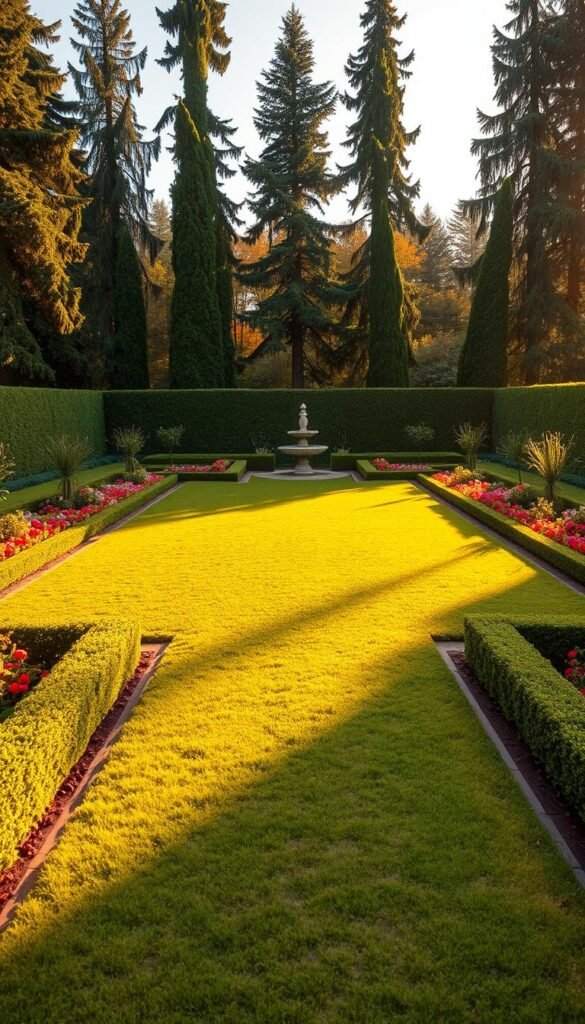
Transforming your yard into a peaceful retreat doesn’t require complicated blueprints. Geometric shapes like rectangles bring natural order to outdoor areas, making plant arrangement feel almost effortless. Straight lines act as invisible guides, helping you organize greenery while keeping maintenance simple.
This structured approach works whether you’re growing herbs in small beds or curating flowering shrubs across larger spaces. The clean framework lets each species shine without competing for attention. Beginners appreciate how the layout reduces guesswork, while seasoned growers use it to craft showstopping displays.
Your property’s architecture blends seamlessly with these intentional lines, creating visual continuity between home and landscape. For those exploring elevating your outdoor space, rectangular patterns offer endless flexibility. Define walkways, frame water features, or section off cozy seating nooks—all while maintaining a unified aesthetic.
Smart spacing becomes intuitive when working with this timeless shape. You’ll naturally allocate room for roots to spread and sunlight to reach every leaf. The result? A living tapestry that evolves beautifully through seasons, grounded in principles that have nurtured gardens for centuries.
Introducing Your Rectangle Garden Journey
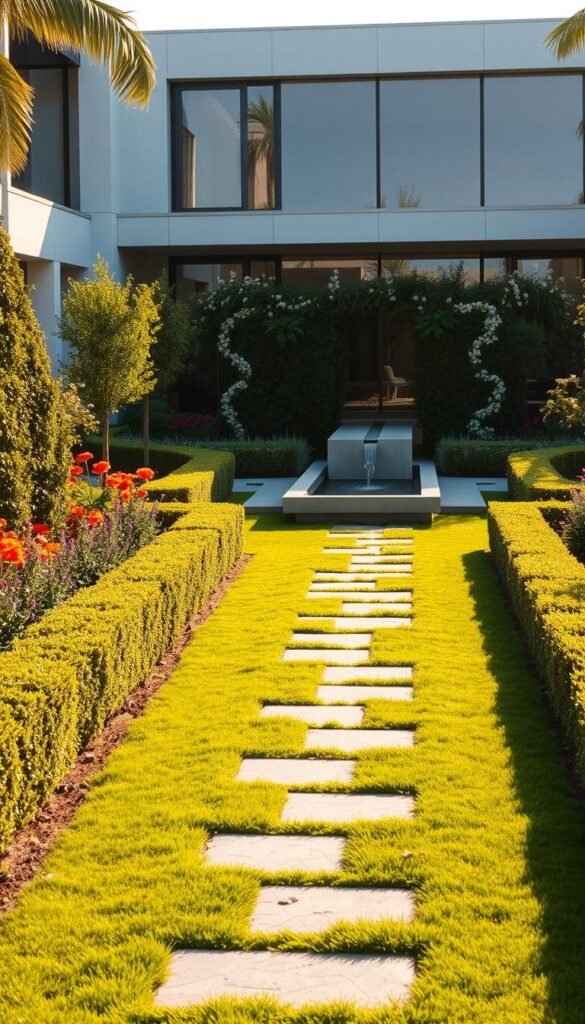
Modern outdoor spaces thrive when form meets function. Picture crisp edges framing bursts of color, where structured lines highlight nature’s artistry. This approach creates harmony between human creativity and earth’s raw beauty.
Overview of a Modern Garden Design
Today’s top trends blend sustainability with self-expression. Clean geometry partners with wildflower meadows, while recycled materials meet native species. Your green area becomes a living canvas that adapts to seasons and needs.
Consider these key contrasts:
| Feature | Traditional Approach | Modern Solution |
|---|---|---|
| Edging | Curved borders | Angular metal strips |
| Plant Selection | Single-species beds | Layered textures |
| Materials | Wooden structures | Composite decking |
Embracing Simplicity and Beauty
Less clutter means more impact. Choose three star plants instead of twelve varieties. Let ornamental grasses sway beside sleek stone paths. Each element serves dual purposes – privacy screens become vertical herb gardens.
Urban balconies and sprawling estates both benefit from this philosophy. You create clear zones for dining, growing, and relaxing without visual chaos. The result? A sanctuary that feels both curated and completely natural.
Achieve Balance with a Rectangle Garden Design Layout Plan – Getting Started
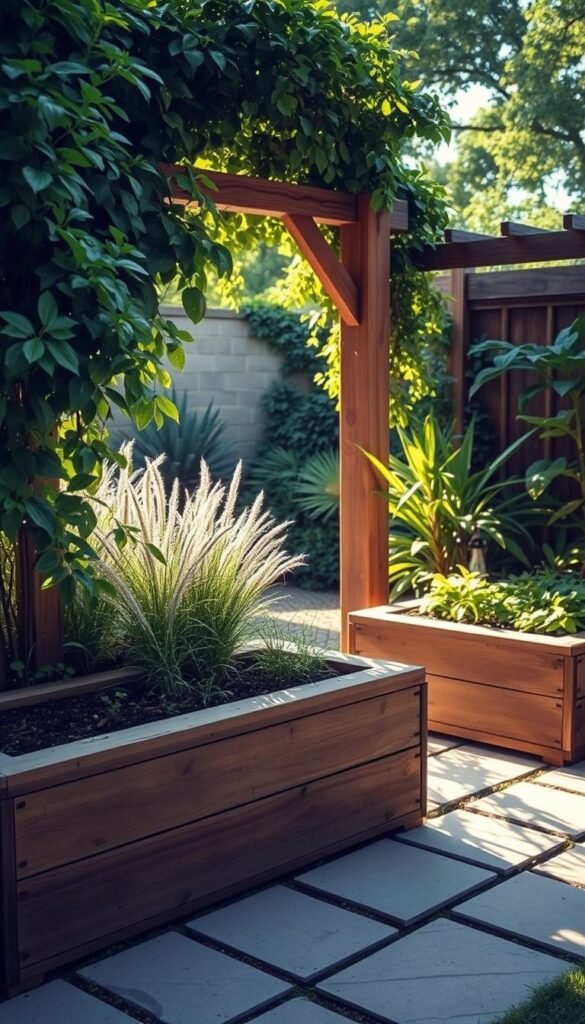
Designing a functional green area requires equal parts imagination and practicality. Start by sketching your dream space while keeping real-world needs in mind. What moments do you want to create here? Family barbecues, quiet meditation spots, or fresh snacks from compact raised beds?
Establishing Your Vision
Jot down three primary goals for your plot. Maybe you need shaded seating for summer lunches, screening from neighbors, or colorful blooms that change with seasons. These priorities will guide every choice, from plant selection to patio size.
Choosing the Right Materials
Your local climate and home’s style determine which substances work best. A modern house might pair with smooth concrete, while rustic cabins call for weathered timber. Mix textures for depth – try rough-cut stone against polished metal accents.
| Material | Benefits | Best For |
|---|---|---|
| Wood | Warm appearance, easy to modify | Raised beds, pergolas |
| Stone | Weather-resistant, natural look | Path borders, water features |
| Gravel | Drains well, budget-friendly | Walkways, filler between pavers |
| Concrete | Durable, sleek finish | Modern seating areas |
Consider maintenance before committing. Treated pine needs yearly sealing, while composite decking stays splinter-free for decades. Balance upfront costs with long-term savings to build a space that ages gracefully.
Measuring and Mapping Your Outdoor Space

Smart outdoor spaces begin with precise measurements. Grab a tape measure and graph paper to map your plot’s exact boundaries. This foundation ensures every element fits perfectly, from seating nooks to planting zones.
Assessing Garden Dimensions
Start by measuring length and width at multiple points. Sloped terrain? Use stakes and string to mark elevation changes. Note existing trees, utilities, or structures that impact your design.
| Tool | Purpose | Best For |
|---|---|---|
| Laser Measure | Quick distance checks | Large open areas |
| Tape Measure | Detailed edge work | Small beds or tight corners |
| Surveyor’s Wheel | Long straight lines | Property boundaries |
| Mobile Apps | Digital mapping | Visualizing zones |
Planning Functional Zones
Divide your space into activity hubs. A 6×8 ft section becomes an herb haven, while 10×12 ft accommodates a dining set. Use gravel paths or low hedges to separate areas without blocking sightlines.
| Zone Type | Ideal Size | Key Features |
|---|---|---|
| Dining | 10’x12′ | Level surface, shade access |
| Play | 8’x8′ | Soft ground cover |
| Vegetables | 4’x6′ beds | 6+ hours sunlight |
Phase your project using these measurements. Install paths first, then build beds as time and budget allow. This approach maintains design cohesion while spreading effort over seasons.
Creating Focal Points and Embracing Symmetry
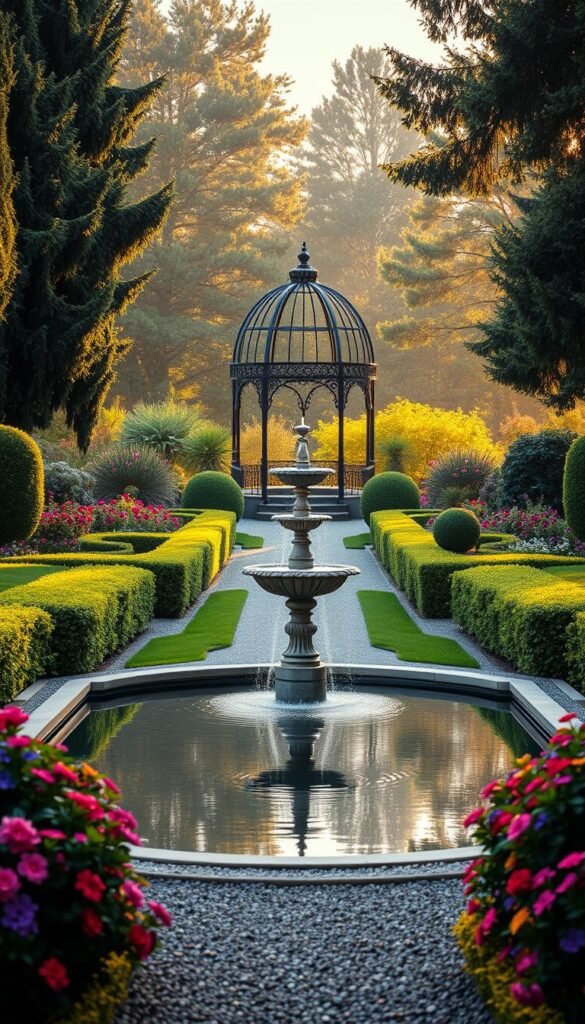
Every great outdoor space tells a story through intentional arrangements. A well-placed focal element acts like punctuation in this visual narrative, guiding eyes toward your garden’s most captivating features.
Selecting a Striking Focal Element
Choose pieces that reflect your personality while serving the space. A rusted steel sculpture adds industrial edge, while a tiered fountain introduces soothing sounds. For smaller areas, try:
- Oversized ceramic pots with trailing vines
- Vertical planters showcasing colorful succulents
- Ornamental trees pruned into geometric shapes
Position these anchors where natural sightlines converge – where paths meet or at the end of a bench vista. “Your centerpiece should invite exploration, not block movement,” advises landscape architect Mia Torres.
Techniques for Balanced Planting
Symmetry doesn’t mean mirror-image duplicates. Pair purple salvia on one side with lavender-hued agastache opposite. Use this framework for cohesive arrangements:
| Traditional Symmetry | Modern Interpretation |
|---|---|
| Identical shrubs flanking paths | Matching planters with varied foliage |
| Formal rose parterres | Wildflower drifts repeating across beds |
Rotate annuals seasonally while keeping perennial structures consistent. This approach maintains balance as your plants mature, ensuring year-round visual harmony without rigid formality.
Defining Beds, Paths, and Patio Areas
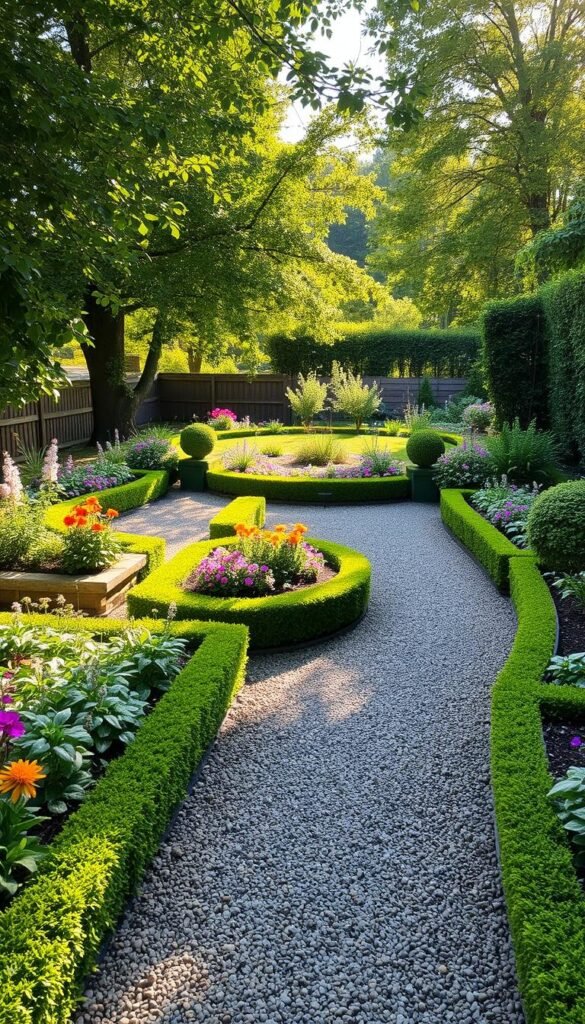
Clear boundaries turn chaotic plots into organized retreats. Crisp lines act as invisible organizers, transforming raw land into purposeful zones. Raised steel edging gives planting beds sharp definition while preventing soil creep onto walkways.
Concrete pavers set in gravel create rhythm through your garden, linking seating spots to entry points. This repetition builds visual continuity – paths mirror patio patterns, making the whole space feel intentional.
Layout Strategies for Clear Transitions
Shift materials to signal zone changes without physical barriers. Try these combinations:
| Transition Type | Material Shift | Plant Pairing |
|---|---|---|
| Lawn to Patio | Grass → Flagstone | Mounding thyme between stones |
| Path to Bed | Gravel → Mulch | Ornamental onions as border |
Elevate dining areas 6 inches above surrounding plants for subtle separation. “Level changes create drama without blocking views,” notes landscape pro Ryan Chen. Keep seating areas proportional – a 10×12 ft patio comfortably fits six chairs.
Low boxwood hedges divide spaces while allowing airflow. These evergreen markers maintain structure in winter when flowers fade. For modern flair, pair corten steel borders with feathery miscanthus grass.
Smart bed sizing prevents overcrowding. Allow 18-inch walkways between vegetable plots and 3-foot paths behind flowering shrubs. Your garden becomes navigable, beautiful, and easy to tend – exactly how outdoor living should feel.
Maximizing Vertical Space with Trellises
Vertical elements transform flat plots into layered landscapes. Trellises add height without eating up precious ground space, letting you grow more in tight corners. These structures become living art as vines climb upward, offering seasonal interest from spring blooms to winter silhouettes.
Choosing the Right Trellis Structure
Match your support system to plant needs and garden style. Delicate clematis thrives on lattice panels, while heavy squash demands sturdy metal frames. Consider these popular options:
| Material | Best Plants | Lifespan |
|---|---|---|
| Powder-coated steel | Gourds, cucumbers | 15+ years |
| Cedar wood | Sweet peas, roses | 7-10 years |
| Wire grid | Tomatoes, beans | 5-8 years |
Install trellises 12-18 inches from walls for air circulation. Anchor freestanding models 2 feet deep in soil – deeper in windy areas. For creative inspiration, explore these vertical gardening ideas that blend function with artistry.
Supporting Vining and Climbing Plants
Train tendrils early using soft plant ties. Morning glory shoots wrap clockwise, while hops twist counterclockwise – work with their natural movement. This table shows optimal spacing:
| Plant Type | Vertical Space Needed | Support Style |
|---|---|---|
| Pole beans | 6-8 ft | Tepee structure |
| Passionflower | 10-15 ft | Arched metal |
| Sugar snap peas | 4-6 ft | Nylon netting |
Rotate crops annually to prevent soil depletion. Clean trellises with vinegar solution between seasons to avoid disease spread. Your vertical garden becomes a thriving ecosystem that delights birds, pollinators, and everyone who visits your space.
Integrating Mixed Materials for Texture and Color
Textured surfaces turn flat landscapes into sensory experiences. Mixing materials adds depth while keeping your garden grounded in purposeful design. Imagine rough-cut stone edging softening into feathery grasses, or sleek metal planters contrasting with weathered wood benches.
Complementing Natural Elements with Hardscapes
Hardscapes anchor your space while letting plants shine. Try these pairings:
| Material | Plant Partner | Effect Created |
|---|---|---|
| Slate stepping stones | Silver mound Artemisia | Cool-toned harmony |
| Rustic timber posts | Climbing nasturtiums | Warm, cottage vibe |
| Polished concrete | Architectural yucca | Modern minimalism |
Gravel paths solve drainage issues while amplifying greenery’s richness. Use pea stone around drought-tolerant succulents or crushed granite beneath Japanese maples. “Materials should whisper, not shout,” suggests landscape designer Elena Marquez. “Let their textures support your plants’ natural drama.”
Consider maintenance when blending elements. Composite decking stays splinter-free, while natural stone develops a patina over time. Balance immediate impact with long-term care to create spaces that age gracefully.
Incorporating Eco-Friendly Touches: Pollinator Gardens & Living Screens
Your outdoor area becomes a living sanctuary when you welcome nature’s helpers. Strategic plant choices turn flower beds into bustling hubs for bees, butterflies, and hummingbirds. These winged visitors boost pollination while adding dynamic movement to your space.
Attracting Bees, Butterflies, and Beneficial Wildlife
Native species work hardest for local ecosystems. Choose plants that bloom from early spring through late fall. This table shows stellar options:
| Season | Plant Examples | Wildlife Attracted |
|---|---|---|
| Spring | Lupine, Columbine | Bumblebees, Swallowtails |
| Summer | Coneflower, Milkweed | Monarchs, Honeybees |
| Fall | Goldenrod, New England Aster | Migrating Butterflies |
Mix flat blooms like zinnias with tubular flowers such as penstemon. This variety supports different feeding styles. Dense shrubs like buttonbush create natural screens that shelter birds.
Skip chemical sprays to protect your six-legged guests. “A pesticide-free zone lets beneficial insects thrive,” notes conservationist Dr. Ellen Park. Introduce ladybugs and lacewings for natural pest control.
Living screens serve dual purposes. Tall grasses or bamboo clusters offer privacy while forming wildlife corridors. Cluster plants in odd-numbered groups for visual impact – three viburnums here, five Joe-Pye weeds there.
Add a shallow water feature with stones for perching. Even a saucer-sized basin becomes a butterfly drinking station. Your garden transforms into an eco-haven that educates neighbors and nurtures local ecosystems.
Crafting a Cohesive Color Story in Your Garden
Color transforms outdoor spaces into visual symphonies that shift with sunlight and seasons. Your plant choices become brushstrokes painting moods – fiery reds energize, soft blues calm, and golden yellows warm chilly corners. This chromatic dance elevates structured layouts from functional to unforgettable.
Balancing Bold Hues with Subtle Accents
Start with a dominant shade that matches your garden‘s personality. Crimson roses or purple salvias make vibrant anchors. Then layer neutral tones like silver lamb’s ear or white cosmos to prevent sensory overload. These quiet players let showstoppers shine while maintaining harmony.
Consider light quality when selecting colors. Warm tones pop in morning glow, while cool shades glow at dusk. Pair deep burgundy heucheras with lime-green sweet potato vines for daytime drama. Add midnight-blue irises to catch twilight’s magic.
Repeat key color groups across different zones. A cluster of orange marigolds near your patio might echo autumn-toned maples in the distance. This subtle repetition creates rhythm without monotony, tying your entire space together.
Remember: nature offers the best inspiration. Study how wildflowers mix hues in meadows, then adapt those combinations to your structured beds. Your geometric garden becomes both intentional and effortlessly alive through thoughtful chromatic planning.