
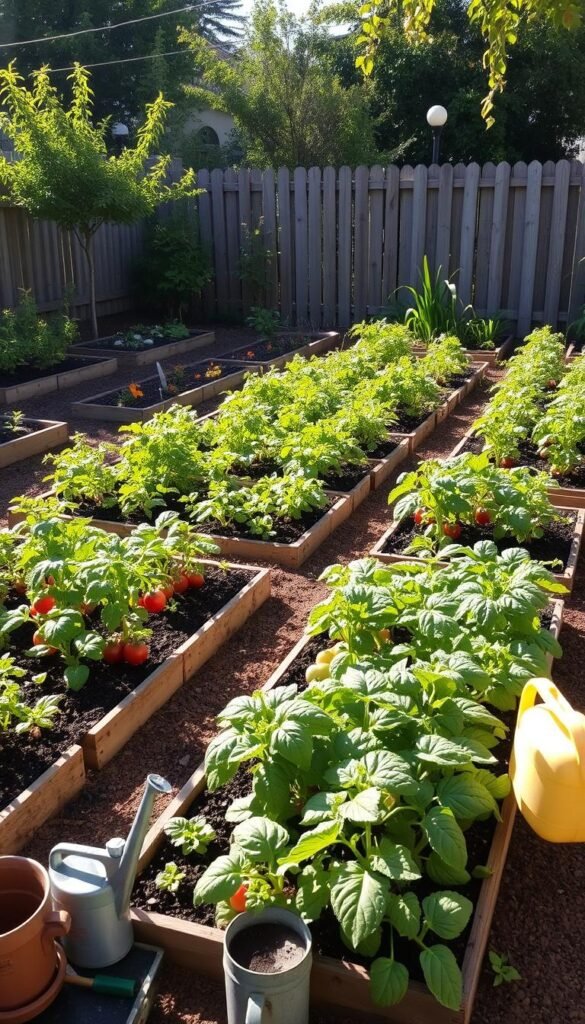
Imagine stepping outside your door to pick ripe tomatoes or crisp lettuce grown steps from your kitchen. Transforming unused outdoor areas into functional, food-producing spaces lets you grow fresh ingredients while adding natural beauty to your property. Whether you’re a seasoned gardener or just starting, smart layouts turn ordinary plots into lively, efficient growing zones.
This guide shares simple strategies to help you plan a space that works for your lifestyle. Even compact corners can become abundant sources of herbs, greens, and seasonal crops. Focus on sunlight patterns, soil quality, and plant placement to create a layout that’s easy to maintain and harvest.
Good planning balances aesthetics with practicality. Raised beds or vertical planters save room, while companion planting naturally deters pests. These choices help build a self-sustaining ecosystem that flourishes year after year.
Beyond fresh meals, a well-organized growing area boosts curb appeal and connects you to nature. You’ll discover how thoughtful arrangements make daily care simpler and yields more plentiful—turning your outdoor space into a rewarding extension of your home.
Kickstart Your Backyard Vegetable Oasis

Growing nutrient-rich greens and herbs at home connects you to your meals in ways store-bought produce never could. A thoughtfully arranged plot becomes more than just a source of food—it’s a living classroom, a stress-reliever, and a canvas for creativity.
Fresh Flavors and Family Memories
Homegrown crops burst with intense tastes because they ripen naturally. Unlike supermarket options, you control what goes into the soil—no synthetic chemicals, just pure nourishment. This hands-on approach lets kids explore nature’s cycles while bonding over shared tasks like watering or harvesting.
“A garden is a grand teacher. It teaches patience, careful watchfulness, and industry.”
Smart Arrangements for Any Area
Strategic layouts turn cramped corners into thriving hubs. Consider these space-smart solutions:
| Garden Type | Best For | Yield Potential |
|---|---|---|
| Raised Beds | Poor soil areas | High |
| Vertical Planters | Balconies/walls | Moderate |
| Container Gardens | Renters | Low-Moderate |
Even modest setups flourish when you maximize your garden’s potential through clever spacing. Group plants by sunlight needs, and use trellises to save ground room. The result? Less weeding, easier harvesting, and more time enjoying your green sanctuary.
Creating a Unique Potager Garden for Visual Appeal

Elevate your outdoor space by blending artistry with agriculture in a charming potager layout. This French-inspired approach transforms ordinary plots into structured yet vibrant spaces where form meets function. Unlike traditional rows, these arrangements prioritize symmetry and accessibility while maintaining productivity.
Integrate Gravel and Garden Beds for a French Garden Look
Crushed stone pathways between raised garden beds define this classic style. The crisp contrast of gray gravel against green foliage creates instant visual harmony. More than just decorative, these paths prevent soil compaction and keep shoes clean during harvests.
Gravel serves as a natural weed barrier, reducing maintenance time. Its rough texture also deters slugs and snails from reaching your vegetables. For best results, layer landscape fabric beneath the stones to block persistent weeds.
Arrange beds in geometric patterns like squares or radiating circles for maximum impact. Edge them with low herbs or flowers to soften the lines. This design turns functional growing areas into living art installations that evolve with the seasons.
Choose plants for both beauty and taste—think purple kale beside golden marigolds. The potager philosophy celebrates diversity, making every visit to your garden a sensory experience. With smart planning, you’ll create a space that nourishes both body and spirit.
Square Foot Garden Technique for Space Efficiency

What if every square inch of your growing area worked smarter, not harder? This method turns tight spots into thriving garden zones through grid-based organization. Perfect for urban settings or first-time growers, it simplifies decision-making while boosting harvests.
Maximize Small Spaces With Precise Planning
Start with a raised garden bed measuring 4×4 feet—manageable yet productive. Divide it into 16 equal squares using string or wooden strips. Each section hosts specific crops based on their mature size, eliminating overcrowding.
Large plants like tomatoes claim one full square. Leafy greens occupy four per square, while root vegetables like radishes fit sixteen. This square foot approach ensures optimal space use without guesswork. You’ll rotate crops effortlessly by replanting harvested squares.
The system shines in patios, balconies, or narrow side yards. Vertical supports add growing layers for climbers like beans. Unlike traditional rows, this layout reduces weeding and watering time. You’ll enjoy fresh salads all season from a compact, orderly garden that fits anywhere.
Color Coordinated Vegetable Beds to Enhance Your Yard
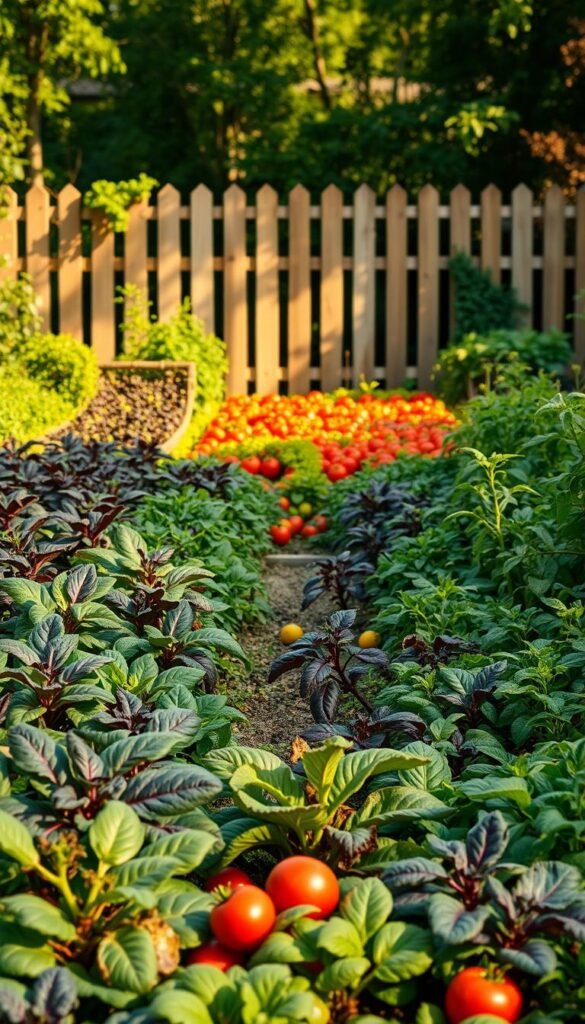
Transform your outdoor space into a living palette by arranging crops based on their hues. Color-themed beds blend artistry with function, turning ordinary plots into eye-catching displays. This approach works whether you focus on vibrant leaves or the rainbow shades of ripe produce.
Try an ombré layout where plants transition from pale greens to deep purples across your beds. For example, start with butterhead lettuce, shift to sage, then finish with red cabbage. This gradient effect adds depth and makes small spaces feel larger.
Pair complementary colors for bold contrasts. Imagine golden marigolds bordering eggplant rows or scarlet runner beans climbing behind orange nasturtiums. These combinations pop while attracting pollinators.
| Color Scheme | Plant Examples | Visual Impact |
|---|---|---|
| Ombré Gradient | Lettuce → Kale → Cabbage | Depth & Illusion of Space |
| Complementary Pairs | Purple Basil + Yellow Zucchini | High Contrast Drama |
| Seasonal Layers | Spring Peas → Summer Tomatoes → Fall Chard | Year-Round Interest |
Plan for seasonal shifts. Early greens give way to summer’s red peppers and autumn’s golden squash. Stagger plantings so something always shines. This method keeps your yard lively from spring’s first sprouts to fall’s final harvest.
Need inspiration? Explore vegetable garden ideas that balance beauty and yield. With thoughtful design, your growing area becomes a focal point that delights neighbors and dinner plates alike.
Developing a Practical Kitchen Garden for Fresh Ingredients
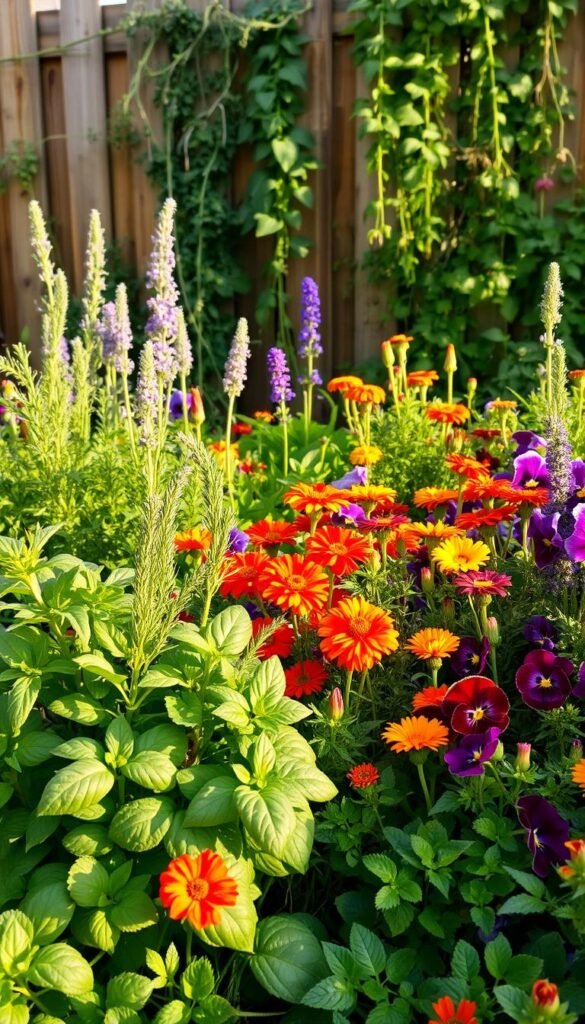
Your next culinary masterpiece could start with a quick trip to your doorstep. A well-planned kitchen garden turns unused spaces near doors or walkways into vibrant sources of flavor. By focusing on herbs, leafy greens, and colorful blooms, you’ll create a living pantry that’s both useful and visually inviting.
Plant Herbs and Edible Flowers for Flavor and Beauty
Mix fragrant basil, thyme, and parsley with crisp lettuce or spinach in compact beds. These herbs thrive alongside root crops like radishes, which grow downward without competing for space. Tuck edible flowers like nasturtiums between plants—their peppery petals brighten salads while attracting bees.
Consider this planting combo for maximum impact:
| Plant Type | Examples | Purpose |
|---|---|---|
| Herbs | Rosemary, Mint | Seasoning & Teas |
| Leafy Greens | Kale, Arugula | Salads & Stir-fries |
| Edible Flowers | Calendula, Borage | Garnishes & Pollination |
Rotate fast-growing crops every 2-3 weeks. Sow new lettuce seeds where you’ve harvested mature plants. This garden strategy keeps your supply steady from spring frosts through fall’s first chill.
You’ll love stepping outside to snip fresh basil for pasta or grab peppery arugula for sandwiches. Bonus? Those vibrant flowers make even Tuesday dinners feel special.
Building a Sturdy Fenced Garden to Protect Your Crops
Your hard work deserves defense against nature’s nibblers. A well-built barrier lets your plants thrive while adding polished structure to your growing area. Start by mapping your plot’s perimeter—even irregular shapes can get full protection with custom-cut materials.
Choose the Right Materials to Keep Critters at Bay
Graduated hogwire panels and galvanized hardware cloth form an unbeatable team. The tight-knit metal mesh stops rabbits and voles from slipping through gaps, while taller hogwire sections discourage deer leaps. This combo works better than traditional wood fences that rot or warp over time.
Install the hardware cloth 12 inches below ground level to block burrowers. Curve the base outward to create a “flap” that deters digging. For extra security, space fence posts 6-8 feet apart—closer intervals prevent sagging in windy areas.
Your enclosed garden becomes a multi-tasking asset. Train pole beans or peas to climb the panels, freeing up planting space below. This vertical boost works beautifully with square foot garden layouts, letting you grow more veggies in less room.
Beyond protection, the clean lines of metal fencing elevate your yard’s look. You’ll spend less time replanting damaged crops and more enjoying robust harvests. Whether growing heirloom tomatoes or crisp carrots, your veggies will reach their full potential behind this reliable shield.
Hanging and Ladder Garden Ideas for Limited Spaces
Who says you need sprawling grounds to grow fresh flavors? Vertical solutions let you cultivate herbs and snacks even in tight corners. By working upward instead of outward, you’ll add layers of productivity without sacrificing style.
Elevate Your Harvest With Hanging Pots
Suspend pots from railings or pergolas to grow strawberries and trailing rosemary. These containers keep tender leaves beyond rabbits’ reach while catching morning sunlight. Opt for self-watering models to reduce daily maintenance.
Build a Multi-Level Ladder Display
An old wooden ladder becomes a space-saving plant tower. Arrange basil and thyme on higher rungs, with mint in lower containers to contain its spread. This setup lets you group herbs by water needs while creating visual depth.
| Vertical Solution | Ideal Plants | Key Benefit |
|---|---|---|
| Hanging Baskets | Strawberries, Oregano | Pest Protection |
| Ladder Shelves | Basil, Thyme, Parsley | Customizable Heights |
| Wall Planters | Lettuce, Spinach | Shade Tolerance |
Rotate plants seasonally—swap summer strawberries for fall pansies. For more inspiration, explore creative gardening ideas that blend function with curb appeal. You’ll transform blank walls and narrow balconies into lush, edible showcases.
Interplanting: Merging Edible Flowers with Leafy Greens
Why choose between beauty and bounty when your garden can offer both? Mixing vibrant blooms with crisp greens creates living tapestries that feed both your family and local pollinators. This approach works in raised beds, containers, or even existing flower borders.
Nature’s Pest Control Partners
Certain flowers act as bodyguards for your greens. Nasturtiums release chemicals that repel aphids, while signet marigolds deter nematodes in the soil. Plant these beside cabbage or kale to create a protective shield that’s prettier than plastic netting.
Swiss chard’s rainbow stems add pops of color between leafy greens like spinach. Their bold hues distract pests while attracting hoverflies—insects that devour destructive aphids. This natural balance reduces the need for sprays.
For best results, try these pairings:
| Flower | Vegetable Companion | Protection Benefit |
|---|---|---|
| Calendula | Lettuce | Deters beetles |
| Borage | Tomatoes | Repels hornworms |
| Alyssum | Broccoli | Attracts predators |
These partnerships thrive through companion planting strategies that boost plant health. The flowers’ nectar feeds beneficial bugs, while their roots improve soil structure. You’ll harvest salad ingredients and garnishes from the same space—no dedicated plot required.
Even small balcony pots can host these duos. Tuck edible pansies among arugula, or let chives bloom beside mustard greens. Your meals gain fresh flavors, and your outdoor space becomes a buzzing, colorful habitat.
Vertical Garden Designs for Tall and Climbing Vegetables
Elevate your harvests—literally—by guiding vining crops upward. Vertical systems turn unused airspace into lush growing zones while keeping leaves dry and healthy. This approach works wonders for cucumbers, peas, and squash, which naturally reach for the sun.
Support Structures That Work Harder
A-frame trellises let you grow two vegetables rows back-to-back, doubling yield without extra space. Their angled design provides stability during storms and easy access for pruning. For small areas, try leaning ladder-style frames against walls or fences.
Repurposed materials shine here. Old pallets become instant plant towers when secured vertically—stuff their slats with potting mix and tuck in strawberry plants. Check out DIY trellises for budget-friendly ideas that boost airflow and deter pests.
Herbs like thyme thrive in vertical pockets, staying beyond rabbits’ reach. You’ll spot fewer leaf diseases too, since gravity helps water drain quickly. Whether using metal grids or woven ropes, these systems make gardening smarter for tight spots and sore knees alike.