
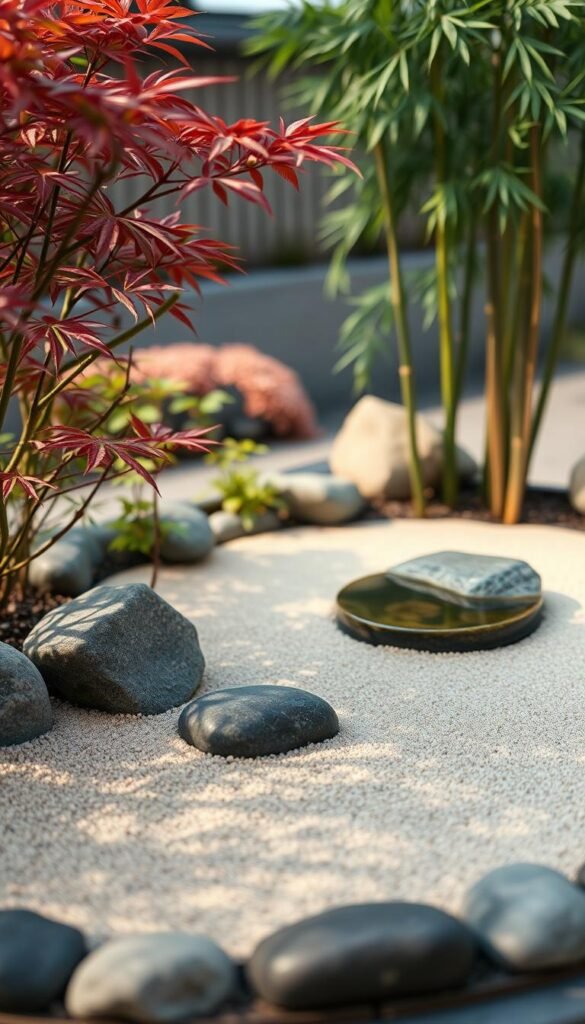
Your backyard holds untapped potential for serenity. Imagine stepping outside to a personal sanctuary where daily stresses melt away. Even the tiniest patio or narrow side yard can become a place for quiet reflection through thoughtful design inspired by Japanese traditions.
Zen spaces thrive on simplicity. You don’t need sprawling landscapes to experience nature’s calming effects. A 4×4-foot area becomes powerful when arranged with purpose – smooth pebbles, weathered stones, and precisely raked sand patterns work together to quiet the mind.
These compact landscapes do more than beautify unused corners. They offer functional spaces for meditation, mindfulness practices, or simply enjoying morning coffee surrounded by natural textures. The ritual of maintaining your miniature retreat becomes part of its therapeutic value.
This guide reveals how cultural wisdom meets modern practicality. You’ll learn to balance authentic design elements with materials suited for your climate and lifestyle. Discover budget-friendly ways to incorporate symbolic features like bamboo water elements or moss accents that thrive in shaded areas.
Whether you’re renovating a postage-stamp yard or enhancing an apartment balcony, these principles help craft spaces that nourish both home value and personal well-being. Let’s explore how intentional arrangements of stone, greenery, and negative space create visual poetry in limited areas.
Understanding the Essence of Zen Gardens
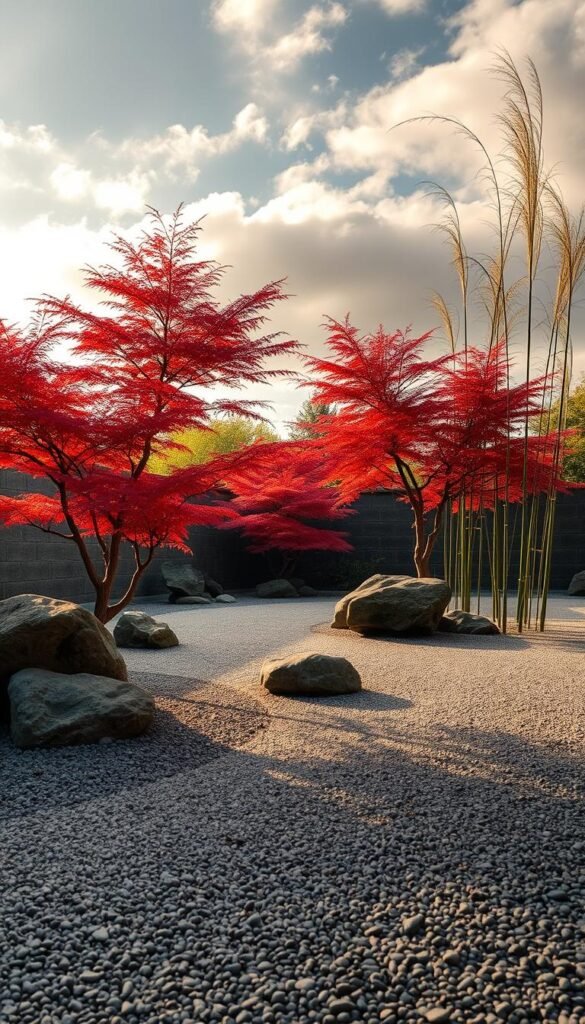
Centuries-old traditions shape every stone and ripple in these contemplative spaces. Buddhist monks first crafted zen gardens in sixth-century Japan as living classrooms for spiritual growth. Their raked gravel patterns and strategic rock placements weren’t just art – they were tools for teaching mindfulness.
History and Cultural Significance
Originally called karesansui (dry landscapes), these spaces helped monks simulate nature’s essence without water. Unlike hill gardens or tea ceremony spaces, dry Japanese rock gardens focused purely on meditation. As one temple caretaker notes: “The garden mirrors the mind – chaotic until you rake it into clarity.”
The Principles Behind Zen Design
Seven philosophies guide authentic layouts. Austerity removes distractions, while asymmetry keeps your gaze moving. Natural materials like weathered stone honor shinzen (organic harmony).
Modern adaptations maintain core ideals. You might use local slate instead of volcanic rock, but the goal remains: create spaces that whisper, “Pause here.” Whether designing a courtyard or balcony corner, these time-tested elements transform cramped areas into portals for reflection.
Benefits of a Mini Zen Garden for Your Small Yard

Your compact outdoor area holds transformative power when infused with intentional design. These spaces become more than decorative – they’re living tools that reshape how you experience your home environment.
Meditative and Stress-Relief Advantages
Raking patterns into sand or arranging stones becomes active meditation, slowing racing thoughts. Studies show this practice lowers cortisol by 28% within 15 minutes. Your hands engage with earth’s textures while your mind releases modern life’s clutter.
Regular interaction with natural elements builds mental resilience. As one therapist observes: “The garden’s rhythm teaches patience – you can’t rush a moss patch to grow.” This daily connection fosters inner peace that lingers long after you step indoors.
Enhancing Aesthetic Appeal and Functionality
Zen principles turn cramped corners into elegant focal points. Smooth gravel expanses make narrow yards feel wider, while strategic rock placements guide the eye without overwhelming. It’s hidden green spaces reimagined for modern living.
These designs work harder than traditional landscapes. Your morning coffee spot doubles as a yoga platform. Evening light plays across raked lines, creating ever-changing beauty that needs no watering. Every element serves both practical and poetic purposes, proving simplicity fuels sophistication.
Planning Your Outdoor Oasis
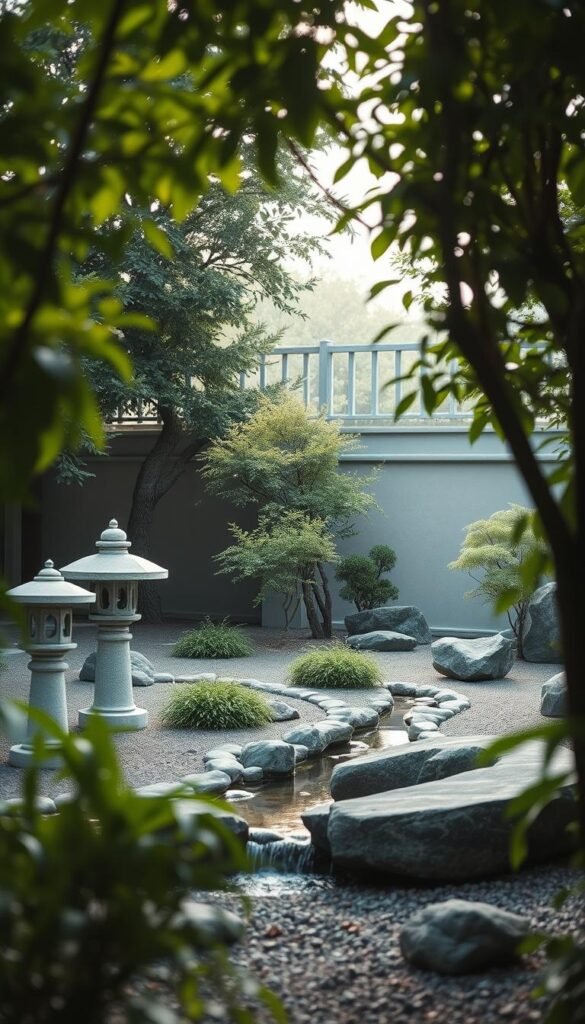
Finding the perfect spot for your Zen retreat starts with thoughtful evaluation. Observe how sunlight dances across your yard throughout the day – morning rays might energize a breakfast nook, while dappled shade could better suit afternoon meditation sessions.
Choosing the Right Space and Location
Start by identifying underused areas that align with your routines. A balcony corner you pass daily or that awkward strip beside the garage often work best. Make sure your chosen zone gets at least 2-3 hours of natural light if using live moss or bamboo.
| Location Factor | Ideal Condition | Avoid |
|---|---|---|
| Sun Exposure | Morning light + afternoon shade | Full-day direct sun |
| Accessibility | Within 10 steps of main path | Behind obstacles |
| Size | 4’x4′ minimum | Cramped designs |
Setting Goals for Tranquility and Focus
Ask yourself: “Will this space create calm mornings or help decompress after work?” Your answer shapes everything from seating height to plant choices. Those seeking active meditation might prioritize raking areas, while visual thinkers often benefit from dynamic rock arrangements.
Consider traffic flow in your landscape. A garden near backdoor steps serves better for daily use than one tucked behind shrubs. Remember – the right place feels inviting even when you’re rushing past it.
Create a Pocket of Calm with Mini Zen Garden Design for Small Yards
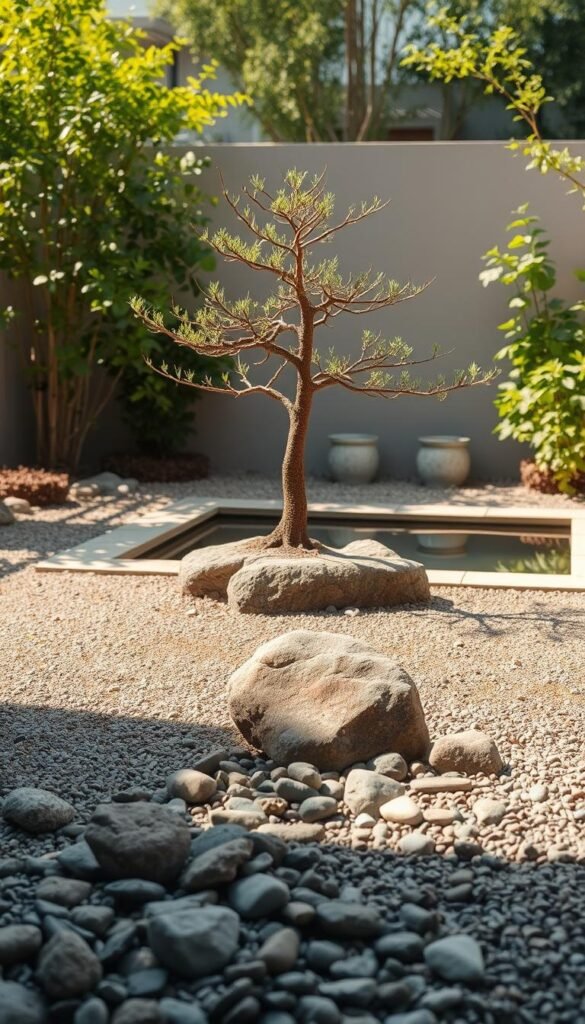
The magic of a calming retreat lies in what you remove, not just what you add. Begin by stripping your chosen area to its bare essentials – rake away leaves, pull weeds, and sweep debris. This blank canvas becomes your foundation for intentional design.
True minimalism thrives on purpose. Each stone or plant should earn its place through meaning, not decoration. Landscape architect Hiroshi Nakamura explains: “A single weathered boulder can tell a richer story than ten random pebbles.”
| Traditional Element | Minimalist Approach | Purpose |
|---|---|---|
| Multiple rock groupings | One focal stone | Visual anchor |
| Diverse plant species | Single moss variety | Texture focus |
| Complex sand patterns | Three parallel lines | Mindful repetition |
Negative space acts as your silent partner in creating peace. Leave 40-60% of your garden area empty to let the mind breathe. This technique makes tiny yards feel expansive while maintaining the zen garden feel.
When arranging elements, follow the “rule of thirds” for balance. Place your main stone slightly off-center, leaving room for contemplation. Those starting small might explore community urban gardens to experiment before committing to home installations.
Remember: your space creates calm through disciplined editing. A well-placed bamboo screen does more than twenty trinkets. Let each choice whisper serenity rather than shout for attention.
Design Elements and Essential Materials
Every element in your tranquil space serves a purpose beyond decoration. Thoughtful material choices elevate simple components into tools for mindfulness, blending function with symbolic meaning.
Key Components: Sand, Rocks, and Pebbles
Sand forms the canvas of your zen garden feel. Its raked patterns mimic water ripples, inviting focus during meditation. Choose fine-grain varieties that hold shapes without scattering easily.
Weather-worn rocks anchor compositions as natural sculptures. Place them asymmetrically to represent islands or mountains. “A single stone can embody centuries of erosion,” notes Kyoto garden master Yuki Nakamura.
Pebbles bridge gaps between elements. Their smooth textures contrast with rugged boulders, creating visual harmony. Use larger ones for pathways or to frame water features.
Incorporating Natural Features like Bamboo and Water
Bamboo adds vertical interest while honoring traditional Japanese aesthetics. Plant clumping varieties in containers to control growth. Hollow stems create soothing sounds when wind passes through.
Even small water elements enhance tranquility. A recirculating basin or stone fountain provides gentle auditory texture. For dry zen gardens, arrange pebbles in flowing patterns around Japanese rock formations.
Remember: your materials should work together like haiku verses – sparse yet deeply resonant. Let each choice deepen the connection between your landscape garden and inner stillness.