
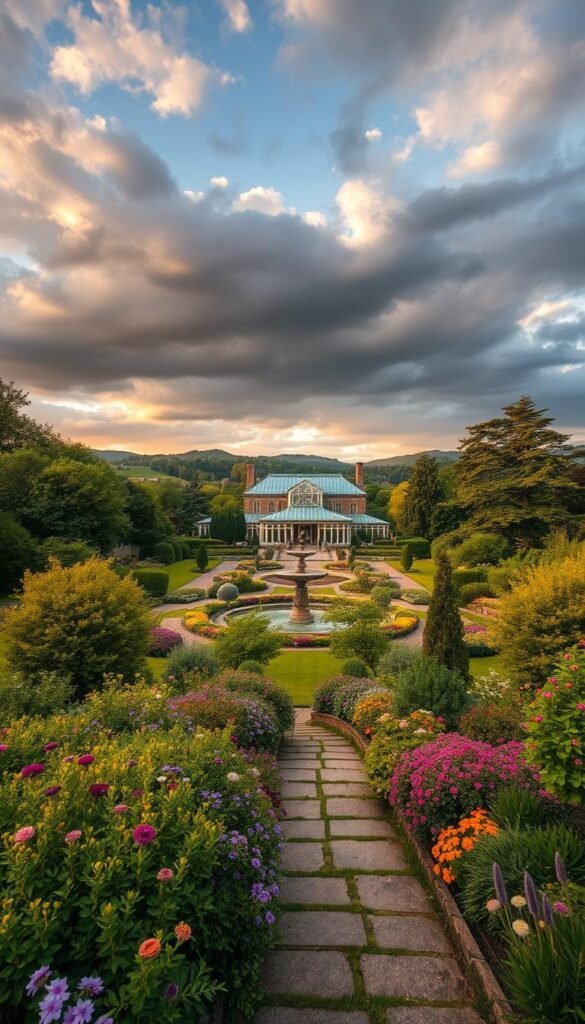
Your expansive backyard holds endless possibilities for creating a personalized oasis. Inspired by Jo Thompson’s stunning Glasshouse Garden at the Chelsea Flower Show, this guide shows how to achieve magazine-worthy results without celebrity-level budgets. Even grand spaces can feel inviting when you blend smart planning with nature’s beauty.
Many homeowners assume impressive landscapes require six-figure investments. Yet Thompson’s award-winning display proved high-end concepts work in residential settings. Strategic plant choices, multipurpose zones, and clever focal points create visual impact while respecting practical needs.
Your outdoor area could host cozy fire pits, winding pathways, or vibrant flower beds – all within reach. We’ll break down professional techniques used at international garden shows into achievable steps for U.S. climates. Discover how to divide acreage into intimate seating nooks and entertainment hubs that flow seamlessly together.
Smart design transforms overwhelming spaces into cohesive environments. By balancing wild greenery with structured elements, you’ll craft a retreat that impresses guests and nurtures your soul. Let’s explore how to maximize every square foot while keeping costs grounded.
Designing Your Expansive Outdoor Space
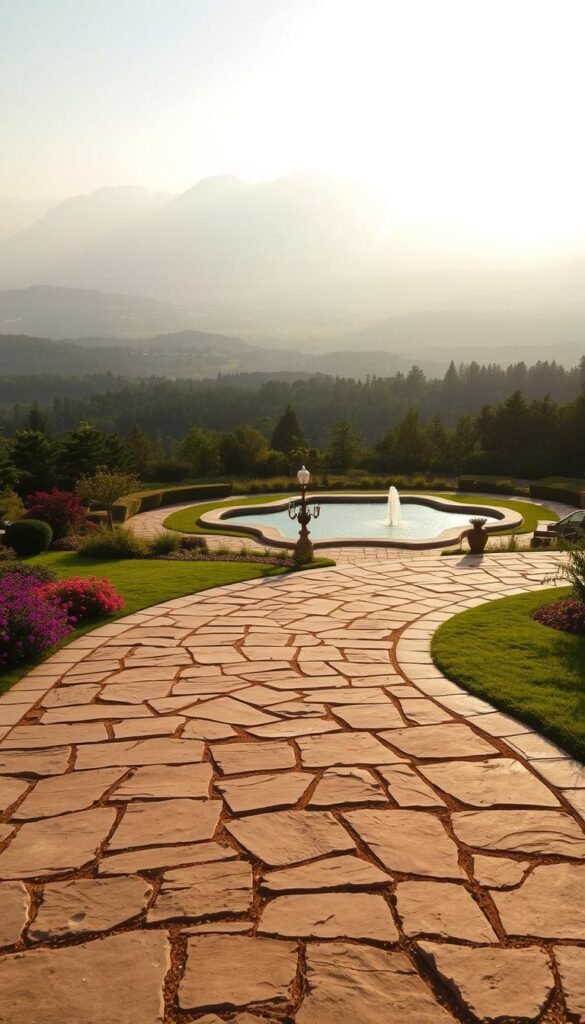
A vast yard offers more than just open space—it’s a chance to craft purposeful zones that reflect your lifestyle. Start by walking your property at different times of day. Notice where sunlight lingers, how water drains after rain, and which mature trees could anchor future seating areas.
Most North Americans prefer low-maintenance solutions that withstand climate swings. Native grasses and drought-resistant perennials thrive with minimal care while keeping your large backyard looking polished. Group plants by water needs to simplify irrigation.
Connect indoor and outdoor living by matching materials. A stone patio that echoes your home’s exterior creates natural flow. Use gravel paths to lead visitors from dining zones to fire pit circles without feeling lost in the space.
Divide your acreage into functional pockets: maybe a play meadow near the house, a hidden reading nook under oaks, and an entertainment hub with built-in seating. These intentional design choices make massive properties feel welcoming rather than overwhelming.
Remember, your garden should grow with your life. Leave room for future additions like vegetable plots or a spa area. With smart zoning, even sprawling landscapes become intimate retreats that serve your needs today and tomorrow.
Think Big: Creative Ideas for Large Garden Design Projects
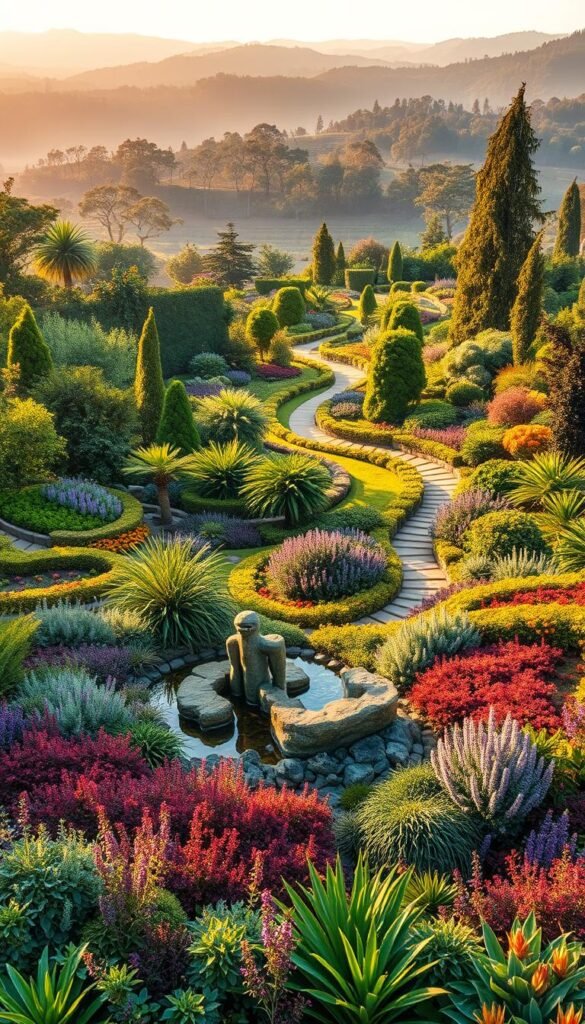
Spacious gardens offer the perfect canvas to blend bold structures with lush, evolving plantings. Start by anchoring your landscape with pergolas or arbors that guide movement between zones. These features create instant focal points while supporting climbing roses or wisteria for vertical drama.
Mass plantings make the most impact in generous yards. Try swaths of lavender paired with ornamental grasses that sway in the breeze – their textures and colors shift beautifully through seasons. For year-round structure, mix evergreen shrubs with deciduous trees that reveal sculptural branches in winter.
Why settle for one style? Transition from crisp geometric hedges near your home to wildflower meadows farther out. This layered approach adds depth while creating distinct experiences. As one landscape architect notes: “Contrasting zones make visitors feel they’ve discovered multiple gardens in one space.”
Leave ample room for plants to mature – that sapling oak could become a majestic shade provider in 15 years. Integrate winding gravel paths to connect areas without rigid formality. For personalized flair, add stone sculptures or metal art pieces that reflect your gardening aesthetic.
Pro tip: Use evergreen groundcovers like creeping thyme between pavers to reduce maintenance. They’ll soften hardscapes while releasing fragrance when stepped on, enhancing your outdoor experience.
Innovative Landscaping and Hardscaping Inspirations
Transform your outdoor canvas with striking contrasts between structured geometry and nature’s freeform beauty. Landscape designer Scott Zimmer demonstrates how clean lines and intentional wildness coexist beautifully. His use of metal edging between lawns and pathways creates crisp boundaries that last for years while slashing weekly maintenance.
Linear Elements and Clean Edges
Straight pathways and geometric beds organize sprawling spaces effortlessly. Aluminum or steel borders prevent grass from invading flower beds, keeping your landscaping looking sharp. These crisp lines guide the eye through your yard while contrasting playfully with billowing plants.
| Material | Aesthetic Appeal | Durability | Maintenance |
|---|---|---|---|
| Steel | Industrial chic | 15+ years | Rust-resistant coating |
| Aluminum | Modern finish | 20+ years | No upkeep needed |
| Composite | Natural texture | 10-15 years | Occasional cleaning |
| Stone | Rustic charm | Lifetime | Weed barrier required |
The Illusion of Overgrowth for a Wild Yet Tamed Look
Let lavender spill onto pea gravel paths while hidden barriers contain the chaos. This way of blending wildflowers with structured edges gives that “untamed meadow” look without sacrificing control. You get nature’s spontaneity with none of the headaches.
Strategic plant placement creates depth – taller shrubs near seating areas, low growers along walkways. Your guests will marvel at how effortless it all seems, never guessing the smart landscaping tricks maintaining the balance.
Transforming Your Backyard into a Multi-Functional Oasis
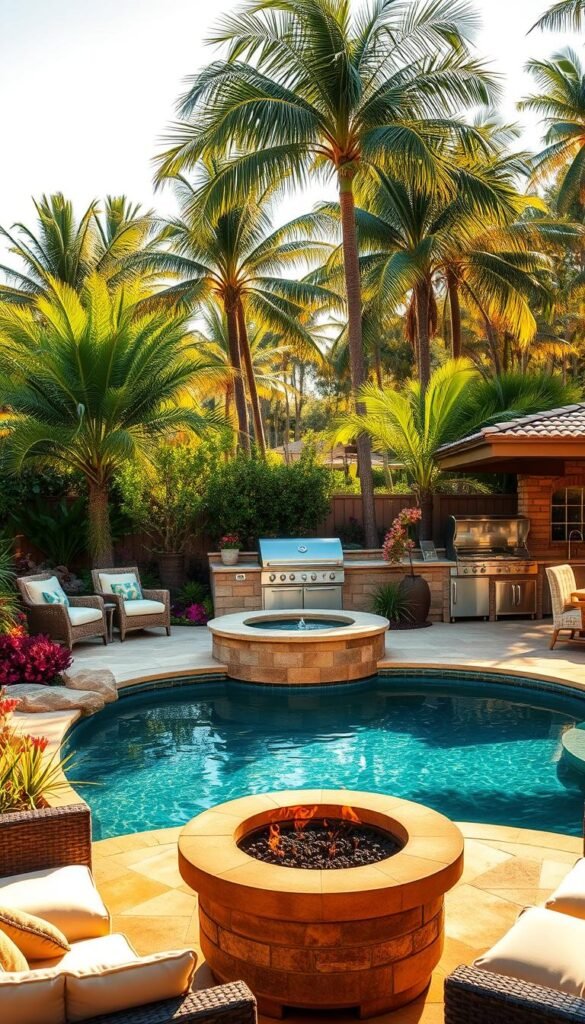
Your property’s potential shines when every corner serves a purpose. Richardson & Associates proves this by integrating pickleball and tennis courts into expansive layouts using Pro-Cushion concrete surfaces dyed green. These active zones blend seamlessly with surrounding evergreens, maintaining visual harmony while supporting recreation.
Courts That Complement Nature
Sports surfaces don’t have to clash with your landscape. Choose materials that echo natural elements – think moss-toned concrete or decomposed granite borders. Proper lighting extends playtime into evenings while highlighting nearby plantings.
Poolside Sophistication Meets Function
Amber Lewis reimagined pool pavilions as chic gathering spots, merging resort-style comfort with practical shelter. Her Martha’s Vineyard-inspired structure features weather-resistant fabrics and built-in benches for 10 guests. This approach turns pool areas into all-day destinations.
Differentiate zones using materials: brick for dining spaces, stone for relaxation nooks. Hidden storage under patio seating keeps sports gear accessible yet out of sight. Strategic lighting guides movement – bright spots for games, soft glows for seating areas.
Your backyard becomes a series of experiences rather than empty space. With smart planning, you’ll host tournaments by day and starlit dinners by night – all within your personalized oasis.
Capturing Inspiration from the Chelsea Flower Show
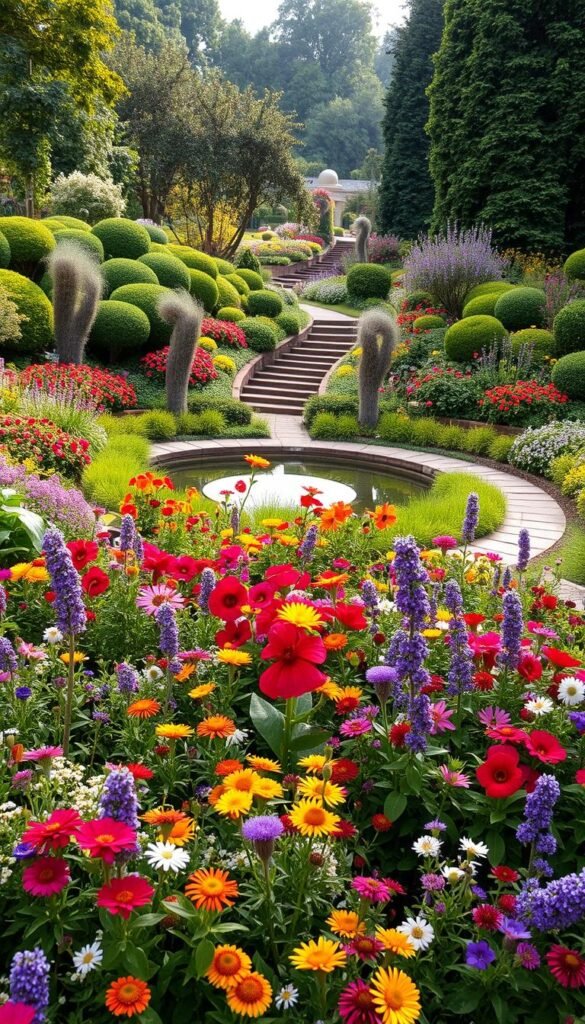
Global garden exhibitions aren’t just eye candy – they’re treasure troves of adaptable concepts for your backyard. Jo Thompson’s Glasshouse Garden demonstrates how show-stopping ideas can translate to residential spaces. Her design paired geometric raised beds with billowing perennials, proving elegance thrives in practical formats.
Practical Takeaways from Jo Thompson’s Glasshouse Garden
Focus on structural contrasts rather than pricey imports. Thompson used affordable steel edging to define planting zones, then filled them with North American natives like coneflowers and switchgrass. This approach cuts costs while ensuring plants thrive in local conditions.
Scale down show garden concepts without losing impact. Instead of rare Japanese maples, try redbud trees that flourish in USDA zones 4-9. Swap tropical specimens for drought-tolerant sedums that handle temperature swings. As Thompson notes:
“Great design isn’t about exclusivity – it’s about creating harmony between human intention and natural growth.”
These three strategies make Chelsea concepts work at home:
- Use vertical structures (arbors, trellises) to divide spaces like exhibition gardens do
- Repeat key plants in drifts for professional-looking cohesion
- Let hardscape materials echo your house’s architecture
Your garden gains personality when you reinterpret – don’t replicate – showstopping displays. That curved gravel path? Straighten it for easier mowing. Those floating steps? Use local flagstone. By adapting principles to your reality, you’ll craft a space that feels both inspired and authentically yours.
Exploring Diverse Garden Layouts: In-Ground Versus Raised Beds
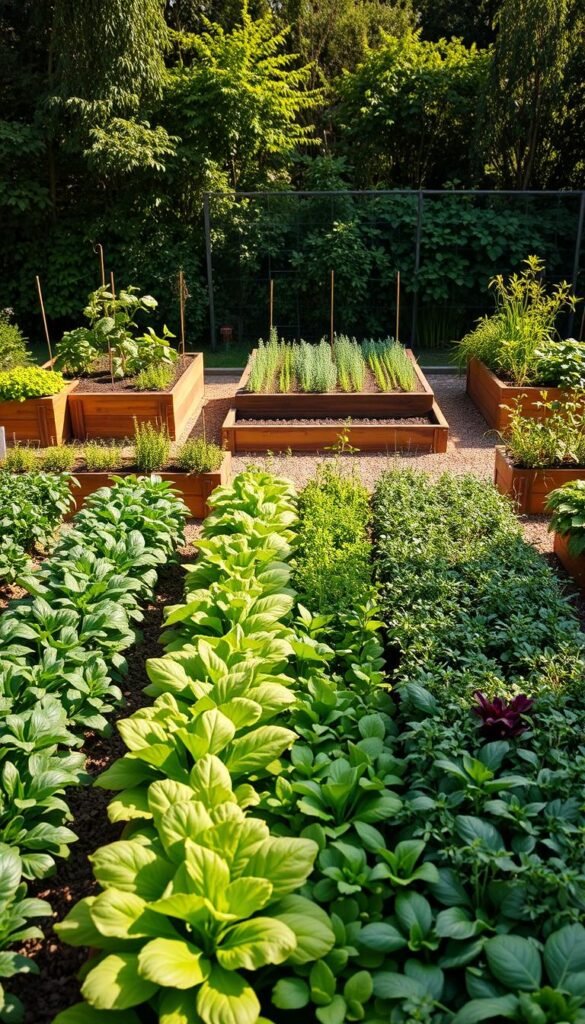
Growing your own fresh produce becomes effortless when you match garden styles to your schedule and space. Smart layouts balance easy-care areas with high-yield zones, letting you enjoy homegrown flavors without becoming a full-time farmer.
Designing Efficient Kitchen Gardens
Start by mapping your weekly gardening time. The 30-minute-per-30-square-foot rule helps prevent overwhelm – a 150-square-foot plot needs about 2.5 hours weekly. Raised beds shine for herbs and leafy greens, offering better drainage and easier access. Pair them with in-ground sections for sprawling crops like zucchini or berry bushes.
| Feature | Raised Beds | In-Ground |
|---|---|---|
| Soil Control | Custom mixes | Native composition |
| Accessibility | Waist-high planting | Ground-level work |
| Maintenance | Weed-resistant | Natural irrigation |
| Best For | Salad greens, herbs | Fruit trees, squash |
Connect your kitchen garden to other yard features with gravel paths wide enough for wheelbarrows. Leave room between bed clusters for future cold frames or compost bins. Rotate crops annually – follow nitrogen-heavy tomatoes with soil-restoring beans.
Your garden space becomes more productive when combining methods. Try three raised beds near the house for daily harvests, with in-ground rows further out for low-maintenance plants. This hybrid approach lets you scale up gradually as your gardening skills grow.
Design and Maintenance Strategies for Large Outdoor Areas
Maintaining expansive landscapes becomes simpler when you work with nature rather than against it. Landscape studio Terremoto mastered this approach in Bel Air, transforming steep terrain using native grasses and redbud trees. Their “gradient of wildness” concept blends structured areas near buildings with untamed growth farther out.
Native plants form the backbone of sustainable landscaping. They adapt to local rainfall patterns and soil types, cutting water use by up to 60% compared to non-natives. This strategy also supports bees, butterflies, and birds – turning your property into a thriving ecosystem.
| Plant Type | Water Needs | Maintenance | Wildlife Support |
|---|---|---|---|
| Native grasses | Low | Annual trimming | High |
| Imported shrubs | High | Weekly care | Low |
| Drought-tolerant perennials | Moderate | Seasonal pruning | Medium |
| Groundcovers | Low | Minimal | High |
Automate care where it matters most. Install drip irrigation in high-traffic zones like entryways, then let distant areas thrive on rainfall. Mulch pathways to suppress weeds naturally – cocoa hulls add pleasant fragrance while decomposing.
Your gardening routine should simplify over time. Designate composting zones near vegetable plots to recycle trimmings. Store tools in weatherproof cabinets along main paths. As plants mature, they’ll require less fuss, letting you enjoy your outdoor life more.
For budget-friendly gardening solutions, focus on perennial investments like self-seeding flowers. They fill space beautifully while keeping replacement costs near zero. Remember: smart planning today means more relaxation tomorrow.
Enhancing Ambience with Creative Lighting and Décor
The right lighting turns daytime landscapes into enchanting nighttime retreats. Sarah Bartholomew’s copper lanterns demonstrate how fixtures can elevate both style and function. By coordinating with her home’s copper accents, she created visual harmony that guides guests while adding warmth.
Layer your illumination like pros do. Start with subtle pathway markers – think low-voltage LEDs nestled among plants. Add uplights to showcase mature trees, then install focal fixtures above seating areas. Photometric testing ensures your lights highlight features without disturbing neighbors, aligning with dark sky principles.
Warm-toned LEDs work double duty. They cast a welcoming glow while cutting energy use by up to 75% compared to traditional bulbs. For personality, try string lights woven through pergolas or artisanal sconces flanking your deck. These touches transform ordinary spaces into destinations.
Smart controls let you set the mood instantly. Program zones separately: bright task lighting for grilling stations, soft ambient glows for water feature views. Your evening garden becomes adaptable – ready for lively parties or quiet stargazing with just a tap.
Smart Materials and Sustainable Choices in Garden Design
The foundation of any remarkable outdoor space lies in material choices that harmonize beauty with environmental responsibility. Take inspiration from Jeffrey Dungan’s team, who used a partial stone wall to anchor a pergola while maintaining airy sightlines. This approach creates privacy near seating zones without blocking natural light or breezes.
Stone delivers timeless appeal while serving practical needs. Retaining walls built with local limestone or granite blend seamlessly with landscapes while regulating temperatures. Metal accents like powder-coated steel edging add crisp definition to planting beds, resisting rust in humid climates.
Prioritize materials that age gracefully. Recycled brick patios develop character over time, while aluminum pergolas require zero painting. For pathways, permeable gravel allows rainwater absorption – reducing runoff and nurturing nearby plants naturally.
Your selections shape maintenance routines and ecological impact. Regional sandstone cuts transportation emissions, and native plants paired with these materials thrive with minimal intervention. Smart garden design isn’t about perfection – it’s creating spaces that evolve beautifully while respecting the earth.