
Your outdoor space can become more than just a patch of dirt—it’s a canvas for fresh flavors and natural beauty. Whether you’re growing herbs in containers or planning raised beds, three essentials make every harvest thrive: nutrient-rich soil, 6+ hours of sunlight, and consistent watering. Get these right, and you’ll lay the groundwork for success.
Arranging your plantings doesn’t have to mean sacrificing aesthetics for practicality. Many gardeners find joy in blending colorful blooms with practical crops, creating spaces that both nourish and inspire. For example, pairing vibrant nasturtiums with leafy greens adds visual interest while naturally deterring pests.
Small spaces? No problem. Compact varieties like bush cucumbers or patio peppers deliver big yields without sprawling. Creative solutions like vertical trellises or 18-inch-deep planters maximize every square foot. Even balcony growers can enjoy juicy tomatoes when using five-gallon pots filled with quality soil mixes.
Beyond fresh produce, thoughtful layouts support bees, butterflies, and local ecosystems. By choosing pollinator-friendly flowers alongside your veggies, you’ll create a living tapestry that benefits your plate and the planet. Ready to dig deeper? Let’s explore how to tailor these principles to your unique space.
Introducing Your Creative Garden Journey
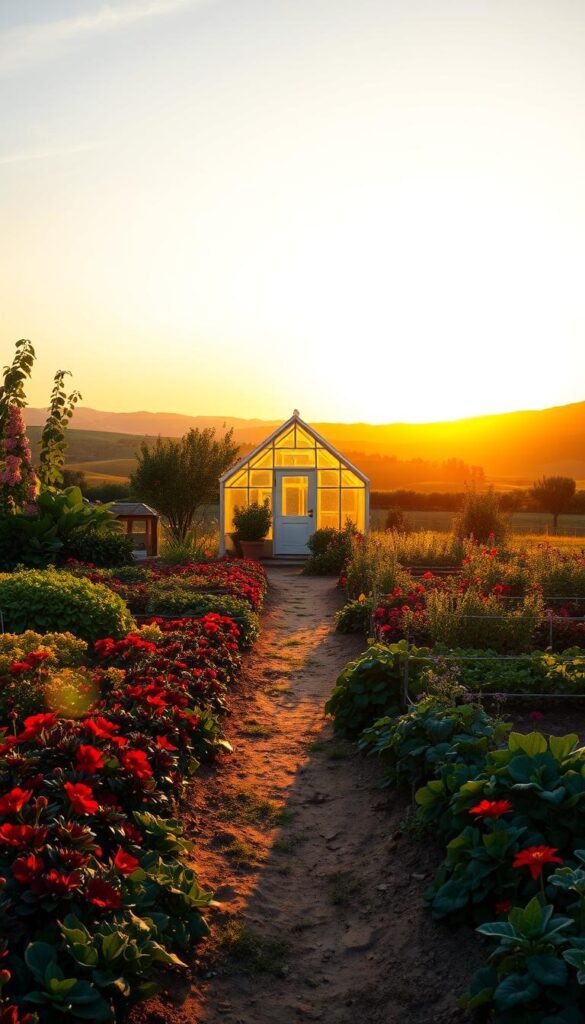
Your garden journey starts where curiosity meets dirt. Think of it as a living experiment—what thrives today might surprise you tomorrow. Late winter offers the perfect pause to sketch layouts and rethink last year’s lessons. Did tomatoes crowd your peppers? Maybe it’s time to rotate crops or add trellises.
Successful plots blend practical planning with personal flair. Start by mapping your space: note sunlight patterns and wind exposure. Even a small balcony can host herbs in stacked planters. For new growers, begin with easy vegetables like lettuce or radishes—they’re forgiving and quick to harvest.
| New Gardens | Existing Gardens | Key Tools |
|---|---|---|
| Sketch sun patterns | Review crop rotation | Measuring tape |
| Test soil pH | Refresh mulch layers | Compost bin |
| Choose 3 starter plants | Expand vertical supports | Weather journal |
Remember, there’s no single “right” way to grow. Your climate, soil, and goals shape the plan. A neighbor’s thriving zucchini patch might flop in your shady corner—and that’s okay! Adaptability turns mistakes into breakthroughs.
Discovering the Essentials of Garden Layout and Productive Beds

Crafting a thriving growing area begins with smart spatial decisions. Your setup should match both your available room and energy levels—after all, even the prettiest plot loses charm if upkeep feels overwhelming. Raised beds, containers, and traditional rows each shine in specific scenarios.
Raised beds warm faster in spring, giving heat-loving plants a head start. They’re ideal for building raised beds on uneven terrain or poor soil. Meanwhile, pots let you relocate sun-hungry peppers as seasons shift. Mixing methods? Try pairing in-ground zucchini with vertical bean towers for layered yields.
Don’t underestimate upward growth! Trellises turn wasted airspace into cucumber jungles or pea palaces. Arches draped with vining crops create shaded seating nooks below—functional and picturesque. Just ensure supports can handle mature plant weight.
Consider these factors when planning:
- Daily time available for watering/weeding
- Local wildlife (rabbits love low greens)
- Future expansion possibilities
Remember: layouts evolve. What works for snap peas might fail for melons. Stay flexible, track what thrives, and adjust next season. Your perfect arrangement emerges through experimentation, not rigid rules.
Understanding Your Garden Space and Soil Foundations

Unlocking your garden’s productivity starts with understanding the ground it grows in—your soil’s story shapes your harvest. Think of it as a living pantry: what’s beneath the surface determines whether your plants thrive or struggle. Start by squeezing a handful of damp earth. Does it clump like playdough (clay), slip through your fingers (sandy), or hold shape briefly before crumbling (loam)?
| Clay | Sandy | Loam |
|---|---|---|
| Rich in nutrients | Drains quickly | Balanced texture |
| Needs compost to loosen | Requires frequent feeding | Ideal for most crops |
Improve heavy clay by mixing in shredded leaves or peat moss. Boost sandy soils with coconut coir to retain moisture. A $10 test kit from your local nursery reveals pH levels and missing nutrients—knowledge that guides your amendment choices.
Group veggies by their dirt preferences. Carrots and potatoes love loose, sandy blends, while moisture-hungry cucumbers flourish in clay-enhanced beds. Free vegetable garden layout plans often color-code these zones, making crop rotation simpler next season.
Remember: healthy soil grows resilient plants. Whether you’re revitalizing existing ground or filling raised beds, prioritize organic matter. Your tomatoes will taste sweeter, your greens crisper—all because you listened to the earth first.
Ensuring Ample Sunlight and Water Access for Vigorous Growth

Sunlight and water form the lifeblood of your edible oasis. Like clockwork, most crops demand 6-8 hours of direct rays daily. Track shadows across your space through different seasons—morning shade from a shed might become afternoon glare by midsummer.
Arrange taller plants (tomatoes, pole beans) on northern edges to avoid shading shorter sun-lovers. Leafy greens can handle dappled afternoon light, but root veggies like carrots need unfiltered exposure. For tricky spots, try these fixes:
| Full Sun Solutions | Partial Shade Adaptations |
|---|---|
| Mirror panels near beds | Spinach & kale varieties |
| White-painted walls | Container relocation |
Water access matters as much as supply. Position beds within 25 feet of spigots—dragging hoses further wastes time. Drip systems cut usage by 50% compared to sprinklers. “A rain barrel saves 1,300 gallons annually in most regions,” notes Colorado State University’s extension program.
Group plants by thirst levels. Tomatoes guzzle moisture weekly, while herbs prefer drier feet. Mulch with straw or shredded bark to lock in hydration. If maximizing small spaces, self-watering pots ensure consistent sips during heat waves.
Monitor soil dampness with a finger test—dry two inches down? Time to hydrate. Balance is key: too much water drowns roots, too little stunts growth. With smart placement and efficient systems, you’ll fuel lush yields from seed to harvest.
Utilizing Garden Planning Tools for Effective Layouts
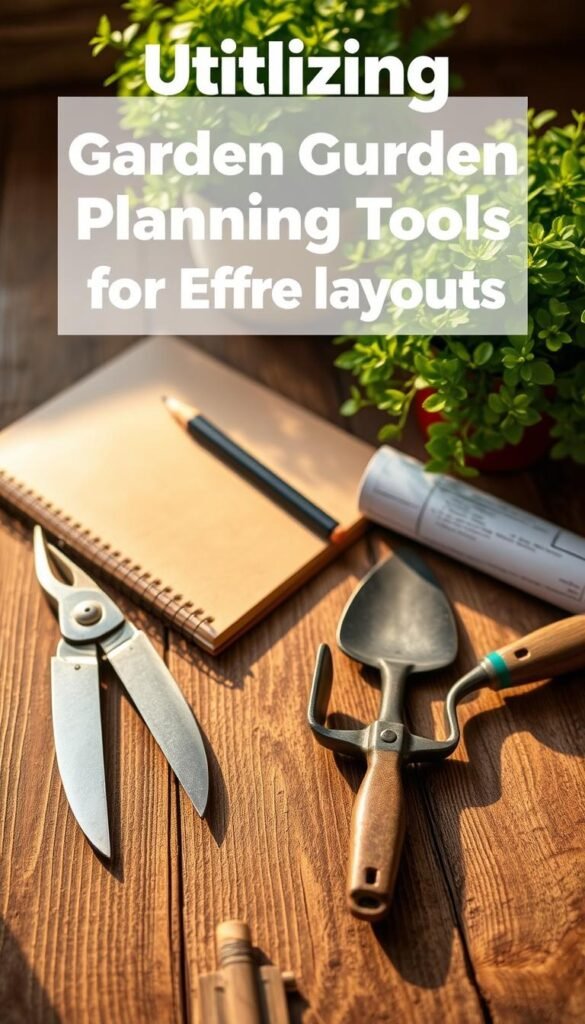
Mapping your edible paradise becomes effortless with today’s planning tools. Whether sketching on grid paper or dragging digital icons, these resources turn guesswork into precision. They help you visualize mature plant sizes, sunlight patterns, and harvest timelines—all before breaking ground.
Digital platforms like online planners analyze your zip code to suggest planting dates and compatible crops. Want to test different layouts? Swap tomato rows with cucumber trellises in seconds. Traditionalists can achieve similar results using colored pencils and graph paper—the goal is finding what sparks your creativity.
| Tool Type | Key Features | Best For |
|---|---|---|
| Digital Apps | Zone-based suggestions Drag-and-drop editing |
Tech-savvy growers |
| Paper Templates | Tangible sketching No internet needed |
Hands-on planners |
| Companion Guides | Plant compatibility charts Spacing requirements |
Organic enthusiasts |
These tools prevent overcrowding by showing each plant’s footprint at maturity. A zucchini seedling might seem tiny in May, but its July sprawl won’t surprise you. Many systems generate personalized calendars, reminding you when to sow carrots or transplant peppers based on local frost dates.
Start by inputting your bed dimensions and sun exposure. The planner suggests thriving candidates for your microclimate. Rotate crops annually with built-in history tracking—say goodbye to depleted soil and pest cycles. Your dream garden plan evolves with every click or pencil stroke.
Exploring the Benefits of Raised Beds and Container Gardening
Elevated growing methods turn limitations into opportunities. Whether you’re working with rocky terrain or a concrete balcony, these approaches let you cultivate fresh produce where traditional methods falter.
Advantages of Elevated Garden Beds
Raised beds transform problem areas into productive spaces. Their contained structure prevents soil compaction while improving drainage—a game-changer for clay-heavy yards. You control the soil mix, creating ideal conditions for root development. Plus, the extra height reduces bending strain during planting and harvesting.
These beds warm faster in spring, extending your growing season. Materials matter: untreated cedar resists rot, while galvanized steel offers modern durability. For small spaces, narrow designs (18-24 inches wide) keep plants within easy reach.
Setting Up Successful Container Gardens
Containers bring flexibility to any growing situation. Move sun-loving peppers as shadows shift or shelter lettuce from afternoon heat. The key? Choose pots that match plant needs:
- 5+ gallons for tomatoes
- 12″ depth for carrots
- Self-watering options for busy schedules
Mix edible and ornamental plants in colorful container arrangements to boost visual appeal. Always use quality potting soil—it retains moisture without drowning roots. Remember: container plants need more frequent watering and monthly fertilizer.
Both methods empower you to grow fresh food anywhere. Start small with a single raised bed or herb pot, then expand as confidence grows.
Maximizing Vertical Space with Innovative Structures
Growing upwards unlocks hidden gardening potential. By directing vining plants to climb instead of sprawl, you reclaim valuable ground space while adding eye-catching layers to your setup. This approach works wonders for patios, narrow yards, or anyone craving bigger harvests from limited areas.
Vertical structures do more than save room—they boost plant health. Better air circulation reduces mildew risks, and elevated fruits stay cleaner. Beans and peas naturally reach for the sky, but even heavy producers like squash thrive when trained early.
Choosing the Right Trellises and Supports
Match your support system to your crop’s weight and growth habits. Lightweight options like bamboo teepees suit peas, while welded wire panels handle tomato vines. For melons or winter squash, build angled slings from old t-shirts to cradle developing fruits.
| Lightweight Crops | Heavy Producers | Best Supports |
|---|---|---|
| Peas | Winter squash | Nylon netting |
| Beans | Melons | Cattle panels |
| Cucumbers | Pumpkins | Wooden A-frames |
Secure all structures firmly—a mature cucumber plant can weigh 15 pounds! Position them where they won’t shade sun-loving vegetables. Rotate vertical crops annually to prevent soil depletion in one area.
Remember: going vertical isn’t just functional. Flowering vines like scarlet runner beans add beauty while feeding pollinators. Your garden gains productivity and personality with every upward-reaching stem.
Applying Square Foot and Companion Planting Techniques
Transform your growing area into a powerhouse of efficiency using square foot gardening. This method divides beds into one-foot grids, letting you fit more vegetables without overcrowding. Plant carrots 16 per square or tomatoes singly—each crop gets precise spacing for optimal growth.
Pair this approach with companion planting for double-duty benefits. Marigolds repel nematodes near tomatoes, while basil improves pepper flavor. These dynamic duos save space and reduce pests naturally.
Start by sketching a grid over your bed. Fill squares with vegetables that thrive together—leafy greens beside root crops, or tall peas shading cool-weather spinach. Companion planting charts help identify perfect matches for your favorite crops.
Combining these methods creates lush, productive spaces. You’ll harvest more from every square while building healthier ecosystems. Ready to try? Grab your measuring tape and let those planting partnerships shine!