
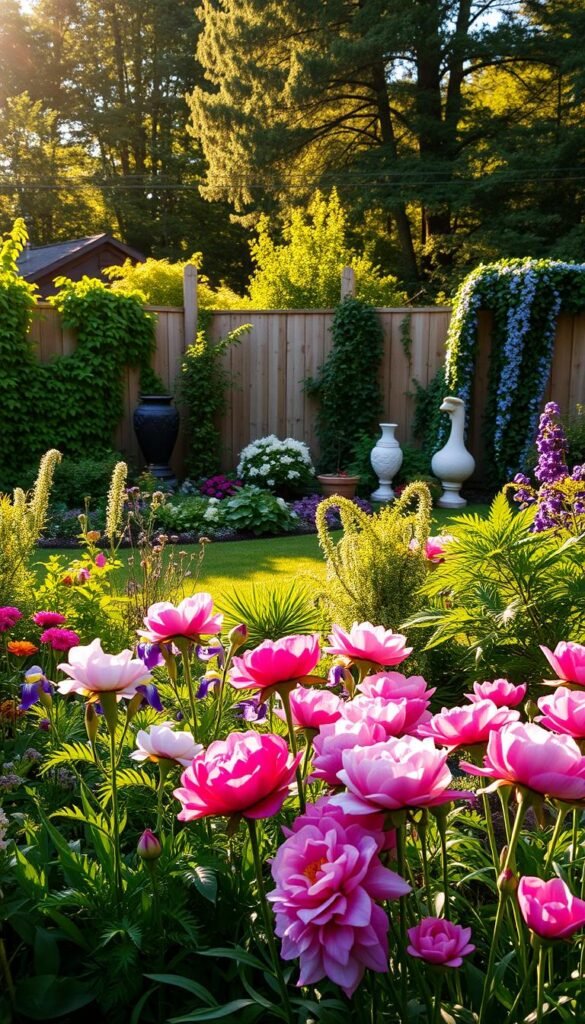
For centuries, people have shaped nature into personal retreats that blend beauty with purpose. From ancient Egyptian courtyards to medieval herb plots, these spaces reflect our timeless desire to connect with greenery. Today, your outdoor area can become a living extension of your home, balancing visual charm with everyday functionality.
Designing such a space involves more than arranging plants. It’s about orchestrating colors, textures, and structures to create rhythm. Start by assessing your layout – note sunlight patterns, walkways, and existing features. This groundwork ensures every choice supports your vision, whether you’re crafting cozy reading nooks or entertainment zones.
Successful arrangements often use symmetry and proportion to feel inviting. Pair tall shrubs with low-growing blooms, or match decorative elements to your home’s architecture. For fresh ideas on balancing these elements, explore our guide to elevating your outdoor space.
You don’t need professional training or endless budgets. Focus on repetition of key shapes and seasonal interest. Evergreen bushes provide year-round structure, while flowering perennials add changing accents. Even small patios can achieve balance through container gardens and strategic lighting.
In the following sections, you’ll discover how to transform any plot into a cohesive retreat. We’ll cover plant pairings, decorative accents, and layout tweaks that make spaces feel larger. Get ready to create an environment that delights the senses and simplifies outdoor living.
Embracing Your Backyard Garden Aesthetic Vision
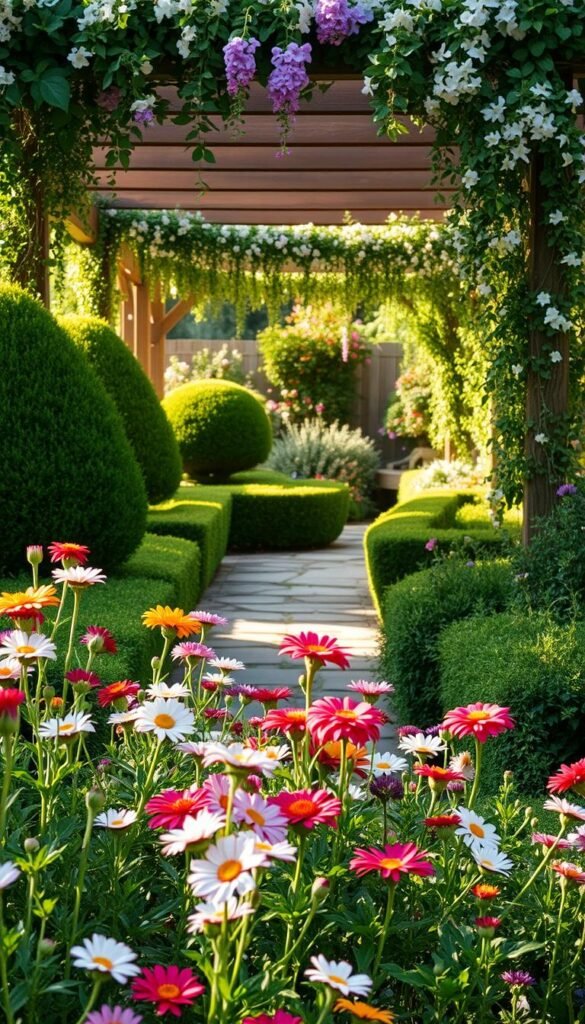
Your outdoor space becomes a canvas when you align design choices with personal expression. Start by observing your home’s architectural lines and how sunlight moves across your plot. This foundation helps create harmony between built structures and living elements.
Identifying Your Unique Garden Style
Match your green space to your daily rhythm. Minimalist lovers might embrace Japanese Zen principles – raked gravel, moss patches, and strategic stone placements. Those craving vibrancy could adopt tropical themes using banana plants and palms. Consider this comparison:
| Style | Key Features | Best Plants |
|---|---|---|
| Zen | Smooth stones, muted tones | Moss, bamboo |
| Mediterranean | Terracotta pots, olive trees | Lavender, rosemary |
| Tropical | Lush layers, bold leaves | Bird of paradise, hibiscus |
| Desert | Geometric patterns | Agave, yucca |
Setting a Harmonious Mood with Color and Texture
Begin with three base hues that echo your home’s exterior. Cool blues and silvers expand tight spaces, while warm reds make large areas feel cozy. Add seasonal color pops through annuals like marigolds or zinnias.
Mix textures for depth – pair spiky succulents with feathery grasses. In dry climates, sculptural cacti offer structure. For inspiration on blending eras, see our tips for mixing vintage and modern elements.
Remember, successful gardening means working with nature. Choose plants suited to your region’s rainfall and temperature swings. This approach reduces upkeep while creating spaces that thrive year-round.
Exploring Color, Texture, and Focal Points in Garden Design
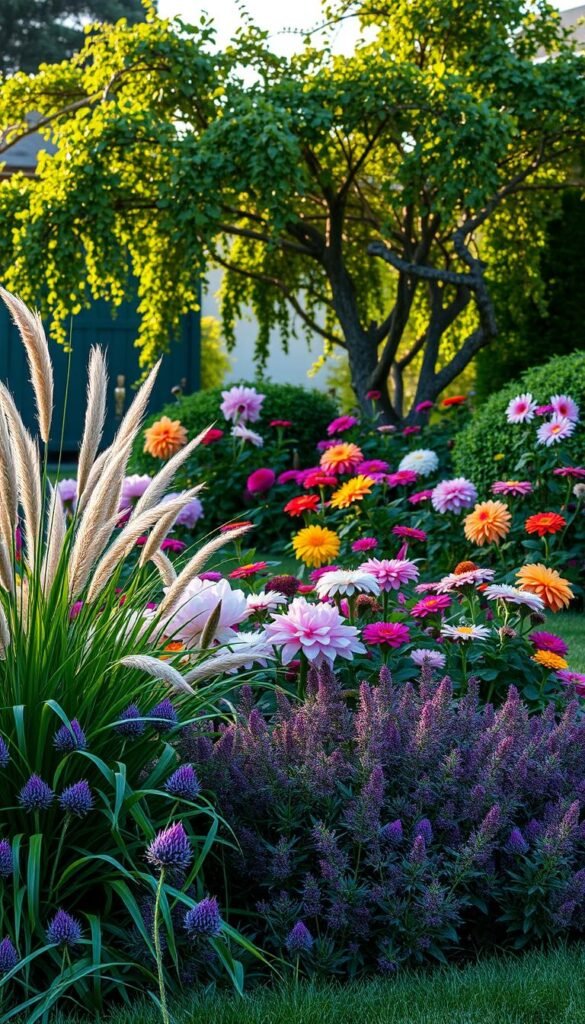
Great outdoor spaces feel intentional, like every element belongs. The secret lies in thoughtful combinations that guide the eye and spark joy. Let’s break down three techniques professionals use to craft spaces that captivate.
Creating Color Echoes and Visual Unity
Pick one standout hue from your favorite bloom or decorative piece. Repeat it subtly through leaf undersides, container finishes, or nearby perennials. This technique connects different areas like invisible threads. For example, purple salvia flowers might mirror the veins in heuchera leaves nearby.
Using Focal Points to Enhance Your Outdoor Space
Bold textures command attention year-round. Try honeybush with sawtooth leaves or silvery artichoke plants. Place these showstoppers where paths bend or seating areas begin. Surround them with airy grasses to amplify their impact.
| Texture Type | Plant Examples | Design Impact |
|---|---|---|
| Soft | Lamb’s ear, ferns | Invites touch, calms busy areas |
| Structural | Yucca, agave | Adds modern edge |
| Feathery | Maiden grass, cosmos | Creates movement |
Balancing Repetition with Contrast
Repeat key shapes every 10-15 feet for rhythm. Offset these patterns with surprise elements – maybe a cobalt pot among terracotta ones. In cottagecore-inspired spaces, mix vintage teacup planters with wildflower meadows for whimsical contrast.
Remember: foliage lasts longer than blooms. Coleus leaves offer months of raspberry tones, while ninebark shrubs provide plum-colored branches in winter. These hidden colors become your secret design tools.
Backyard Garden Aesthetic: Curating Flowers, Foliage, and Décor
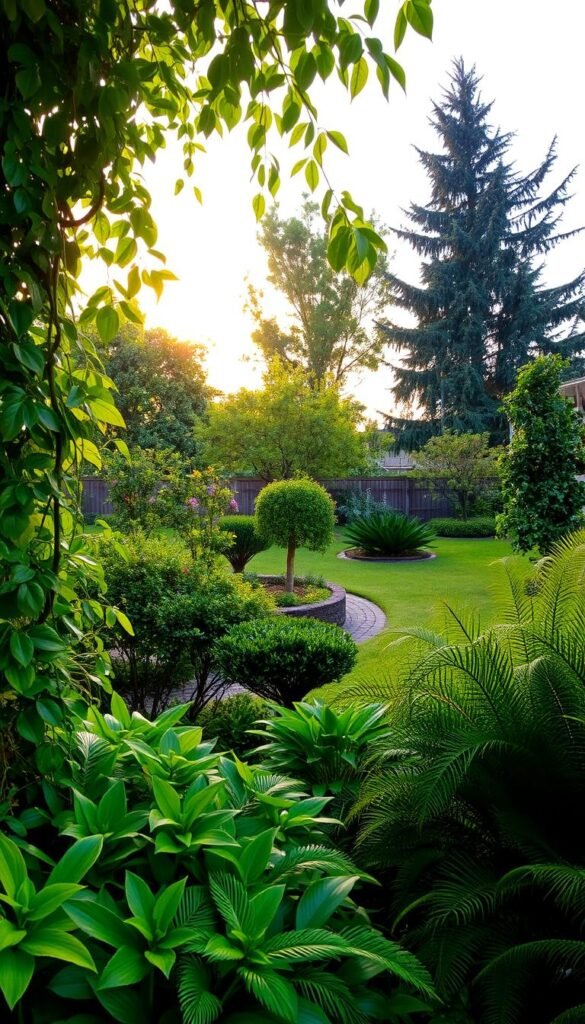
Your outdoor oasis gains depth when plants and decorative elements work in concert. Start by analyzing your space’s unique conditions – sunlight hours, soil pH, and moisture levels – to make informed choices that thrive naturally.
Expert Tips for Selecting the Right Plants and Flowers
Match bloom cycles to your climate for nonstop color. In cooler zones, pair early tulips with summer phlox and autumn sedum. Warm regions might feature lantana’s endless blossoms alongside drought-resistant agapanthus. For stunning flower combinations, consider bloom timing and height variations.
Test your soil before planting. Acid-loving hydrangeas struggle in alkaline earth, while lavender demands sharp drainage. Local extension offices often provide free testing kits – use them to avoid guesswork.
Incorporating Bold Foliage for Year-Round Appeal
Variegated leaves act as nature’s artwork in shaded corners. Hostas with white-edged foliage brighten dark beds, while golden Japanese forest grass mimics sunlight. Balance patterned leaves with solid greens like ferns or boxwoods to prevent visual overload.
Try this texture trio for impact:
- Spiky yucca or cordyline for vertical drama
- Ruffled heuchera in plum or peach tones
- Soft lamb’s ear along path edges
In compact areas, container gardening lets you experiment with bold foliage combinations. Pair purple sweet potato vine with silver dichondra for movable texture that thrives on patios.
Innovative Ideas from Cut Flower and Herb Garden Inspirations
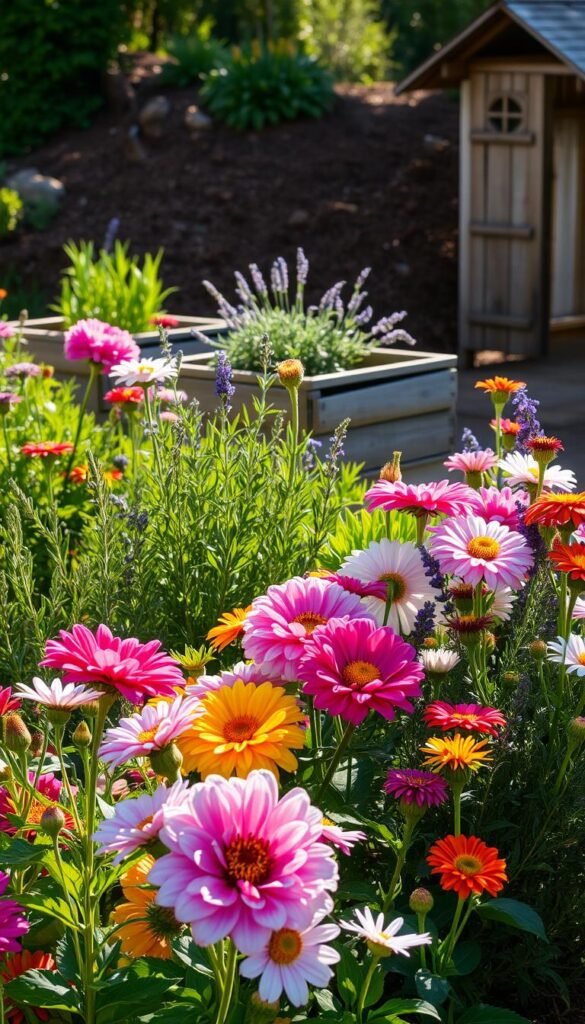
Transform your outdoor space into a living bouquet that feeds both your eyes and vases. Strategic planning lets you grow stunning arrangements while maintaining landscape beauty.
Designing a Cut Flower Garden for Everyday Beauty
Create rectangular raised beds (12×4 feet) in sun-drenched areas for maximum blooms. Place tall dahlias at the back and shorter snapdragons near paths for easy access. This layered approach ensures every stem gets sunlight while creating ready-made bouquets.
Top performers include:
- Zinnias – drought-resistant crowd-pleasers
- Cosmos – airy foliage for filler greens
- Strawflowers – papery blooms that last weeks
For fresh takes on arranging these stars, explore current flower bed trends that blend form and function.
Integrating Herbs to Enhance Scent and Color
Oregano’s sprawling habit makes it perfect for softening bed edges, while lavender spikes add vertical interest. Combine perennial herbs like mint with annual basil varieties for layered fragrances. Lemon Thai basil’s purple stems create striking contrasts against golden marigolds.
Pro tip: Harvest dill flowers when yellow buds open slightly. Their lacy appearance and licorice scent elevate simple mason jar arrangements. Pair feathery herb blooms with bold zinnias for dynamic indoor displays that bring your garden inside.
Incorporating Native Plants and Sustainable Garden Elements
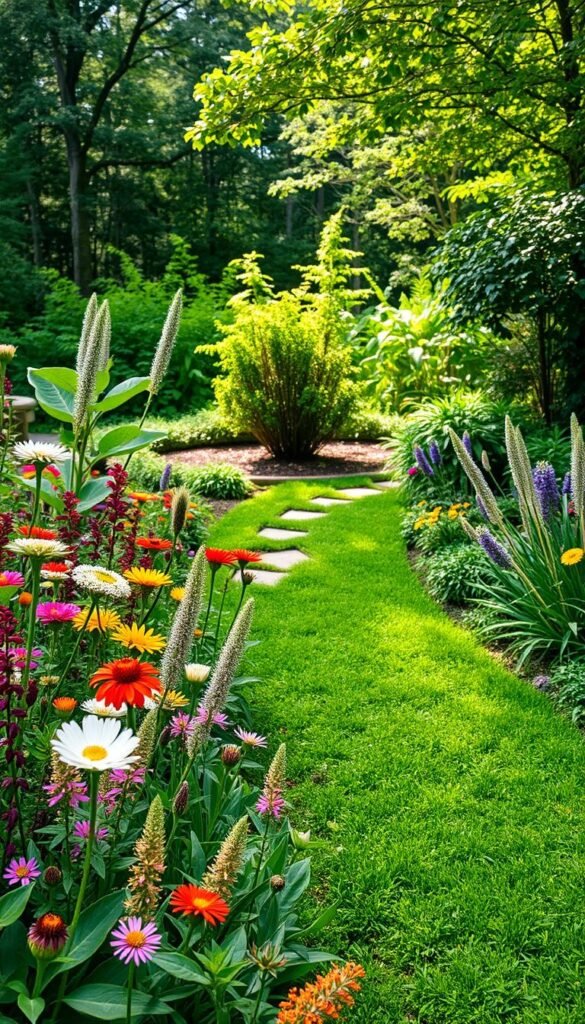
True harmony in your space comes when beauty meets environmental care. Native species and eco-friendly methods create thriving ecosystems that need less fuss. Let’s explore how to make your plot work smarter, not harder.
Choosing Native and Drought-Resistant Varieties
Local pollinators adore indigenous blooms like marigolds and lantanas. These plants already speak your region’s climate language, needing 63% less water than non-natives. For dry areas, sculptural agaves or flowering desert roses add modern flair with weekly sips of water.
| Region | Native Plants | Water Needs |
|---|---|---|
| Southwest | Prickly pear, penstemon | Every 10-14 days |
| Northeast | Black-eyed Susan, milkweed | Weekly |
| Pacific NW | Salal, red-flowering currant | Twice monthly |
Simple Sustainable Practices for Daily Gardening
Drip irrigation systems cut water use by 50% compared to sprinklers. Pair them with rain barrels to harness free hydration from storms. Mulching with shredded leaves keeps roots cool and reduces weeding time.
Try companion planting – basil repels aphids near tomatoes, while marigolds deter beetles. For urban spaces, container gardens let you grow herbs and natives on patios. Smart sensors can alert you when soil needs moisture, preventing overwatering.
Rain gardens transform soggy spots into thriving habitats. Plant swamp milkweed or blue flag iris in depressions where water pools. These areas filter runoff naturally while supporting dragonflies and frogs.
Final Flourish: Crafting Your Personalized Outdoor Retreat
Your personal sanctuary begins with understanding your land’s story. Track how sunlight dances across your space through seasons, and note where rainwater pools. These insights shape a living blueprint that works with nature, not against it.
Blend style with smarts by mixing thrifted finds and native plants. Old ladders become vertical herb displays, while reclaimed bricks edge flower beds. Smart sensors help manage water use, letting you focus on enjoying your home garden rather than maintaining it.
Divide your yard into zones that evolve with your needs. A sunny corner might host tomatoes among marigolds today, then transform into a chrysanthemum showcase come fall. For tight areas, stack planters filled with strawberries and trailing nasturtiums – beauty you can taste.
Remember: Great design grows from patience. Start small, observe what thrives, and expand gradually. Your garden becomes truly yours when every choice – from stone paths to pollinator-friendly blooms – reflects how you live and recharge.