
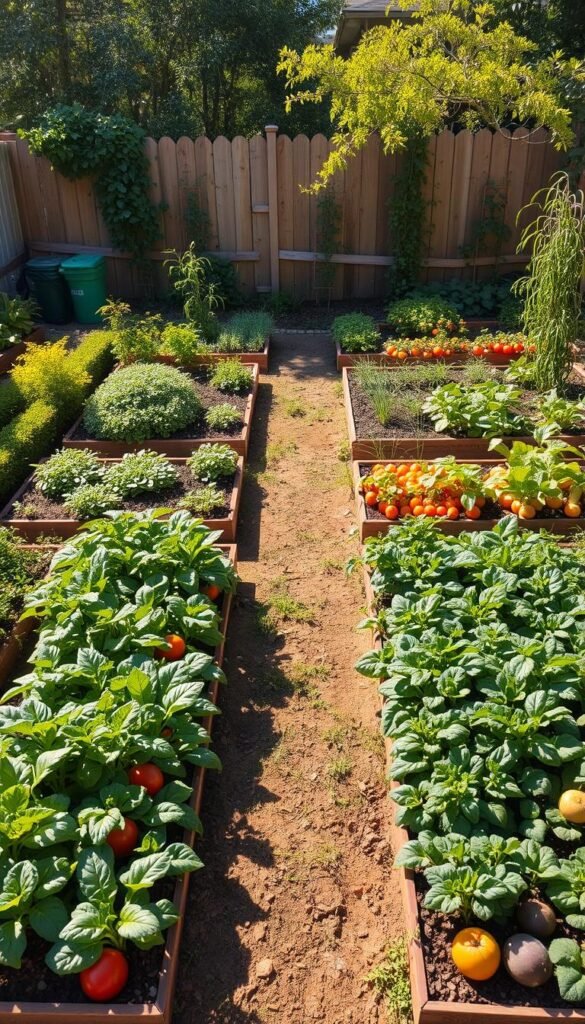
Nothing beats stepping outside to pick ingredients for tonight’s dinner. With thoughtful preparation, your growing area becomes a steady source of crisp greens, juicy tomatoes, and crunchy root vegetables all season long. The secret? Designing a system that works with nature’s rhythms instead of against them.
A well-organized setup lets you enjoy leafy salads in spring, sun-ripened peppers in summer, and hearty kale in fall. Research shows plants like cold-hardy winter vegetables actually become more nutritious when grown in cooler temperatures. By staggering plantings and choosing varieties wisely, you’ll avoid those frustrating gaps where nothing’s ready to harvest.
Great food production starts with understanding your space. Track how sunlight moves across your yard—most edibles need 6-8 hours daily. Leave room for pathways so you can water and weed without compacting soil. Experts note that proper spacing alone can boost yields by 30% compared to overcrowded beds.
This guide reveals how to pair smart design with simple rotation habits. You’ll learn to refresh soil naturally while keeping pests confused. Whether you’re tending containers on a balcony or managing multiple raised beds, these strategies help you grow more with less effort.
Selecting the Perfect Site for Your Vegetable Garden
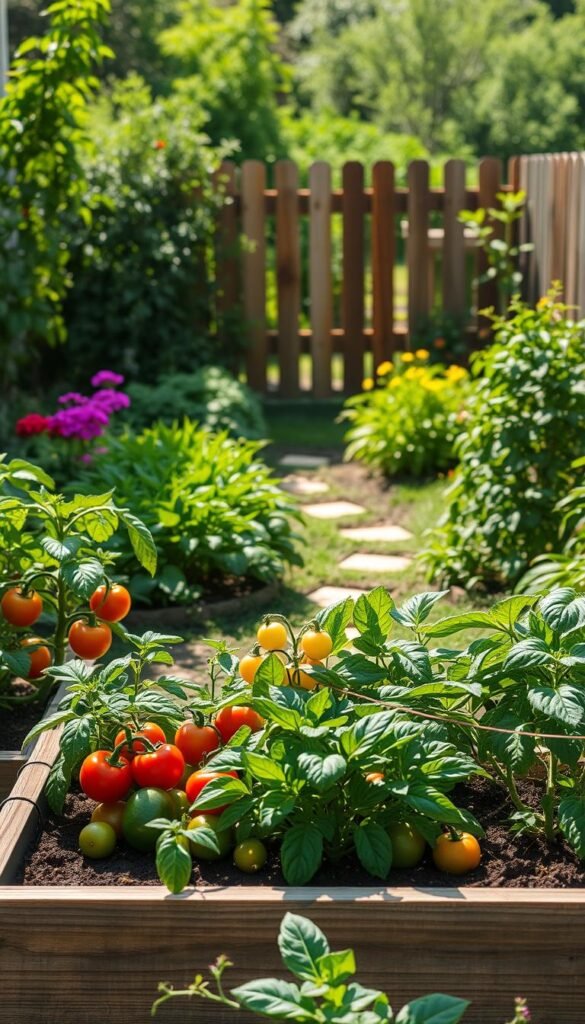
Your growing space’s location impacts everything from plant health to your daily routine. Start by becoming a sunlight detective—most edibles thrive with 6-8 hours of direct light. Use a free app or simply observe which zones stay bright longest. South-facing spots often work best, but don’t overlook warm microclimates near walls or fences.
Assessing Sunlight and Proximity to Water
Track how shadows move across your yard during peak growing months. Areas near patios or driveways might radiate extra warmth, perfect for tomatoes or peppers. Keep your plot close to a doorway you use regularly—you’ll spot thirsty plants or hungry bugs faster. Water access matters: dragging hoses uphill gets old fast.
“A garden within sight of your kitchen window gets 43% more attention than one tucked in a corner,” notes urban farming researcher Dr. Ellen Moss.
Identifying Microclimates and Avoiding Competition
Your property has hidden pockets where seasons start earlier or last longer. These microclimates let you grow unusual varieties or extend harvests into colder months. Watch out for tree roots stealing nutrients—especially black walnuts, whose toxins wilt nearby plants.
| Location Feature | Best For | Avoid If Planting |
|---|---|---|
| South-facing wall | Heat-loving crops | Leafy greens |
| Low-lying area | Moisture-tolerant plants | Drought-resistant herbs |
| Near deciduous trees | Spring bulbs | Summer vegetables |
Start small—a 10×10 foot area lets you learn without overwhelm. Remember, great gardens grow through smart placement as much as proper care.
Determining Garden Size and Laying Out on Paper
Transforming your vision into reality begins with pencil and paper. Grab graph paper and let each square represent one foot of actual garden space. This simple trick helps you experiment with configurations while keeping proportions accurate.
Sketching Your Garden Design
Start by measuring your available area and snapping photos from multiple angles. These references prevent guesswork when drawing bed outlines and container placements. Many gardeners find 3-foot-wide beds ideal—you can easily reach the center without stepping on precious soil.
Leave 18-24 inches between planting zones for comfortable movement. As landscape designer Mara Robbins advises:
“Paths wide enough for a wheelbarrow save your back during harvest season.”
Planning Bed Dimensions and Clear Pathways
Consider starting with two or three manageable beds rather than one large plot. This modular approach lets you expand gradually while testing what works. Use colored pencils to mark different crop types, ensuring proper spacing for each plant’s mature size.
Your sketch becomes a living document—update it as you discover which layouts boost productivity. Smart planning now means fewer surprises later, letting you focus on nurturing delicious results.
Listing Your Favorite Vegetables and Companion Plants
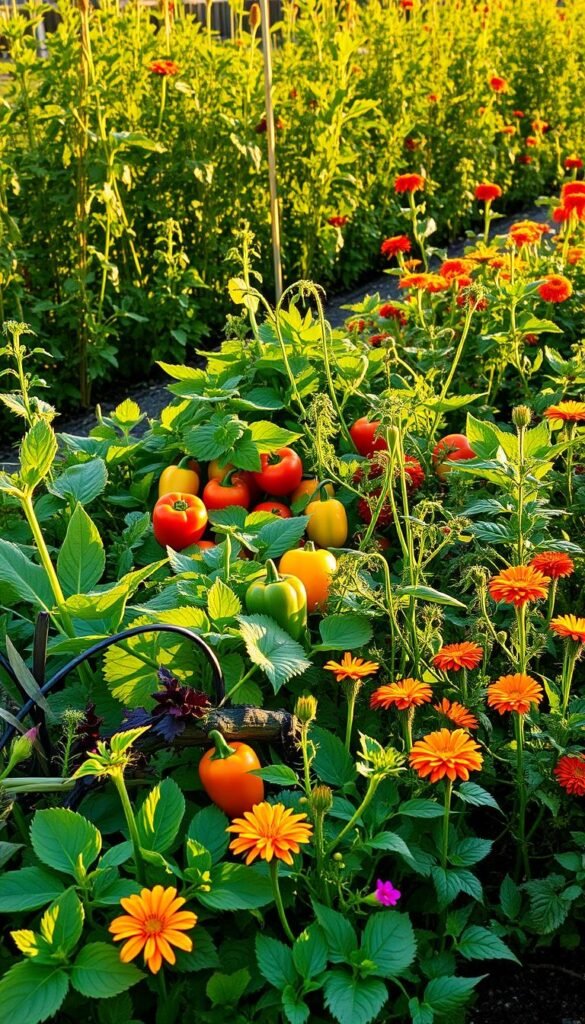
Your plate should guide your plot. Start by jotting down the ingredients you reach for most while cooking—these become your garden’s VIPs. A prioritized list ensures every square foot grows something you’ll actually enjoy. Love fresh salsa? Carve out prime real estate for tomatoes and peppers. Prefer stir-fries? Reserve space for snap peas and bok choy.
Grow What You Love to Eat
Vertical structures transform limited ground space into productive zones. Install trellises early for vining crops like cucumbers and pole beans—they’ll climb skyward while their roots stay compact. Perennial favorites like asparagus need permanent homes, so mark their spots first. As horticulturist Linda Chalker-Scott advises:
“Treat perennial beds like furniture—place them where they’ll stay for years.”
Nature’s Dinner Partners
Strategic pairings create thriving ecosystems. Basil repels hornworms near tomatoes, while marigolds deter nematodes. Companion planting isn’t just pest control—it’s about attracting allies. Sunflowers lure pollinators, and dill invites ladybugs that feast on aphids. Even simple combos work: try lettuce under taller corn stalks for natural shade.
Don’t forget the power of diversity. Mix edible flowers like nasturtiums among your vegetables—they’re pretty on salads and even prettier to beneficial insects. This approach builds resilience, letting nature handle heavy lifting while you enjoy tastier harvests.
Mastering “Backyard Veggie Garden Layout Planning: Year-Round Harvests and Crop Rotation”
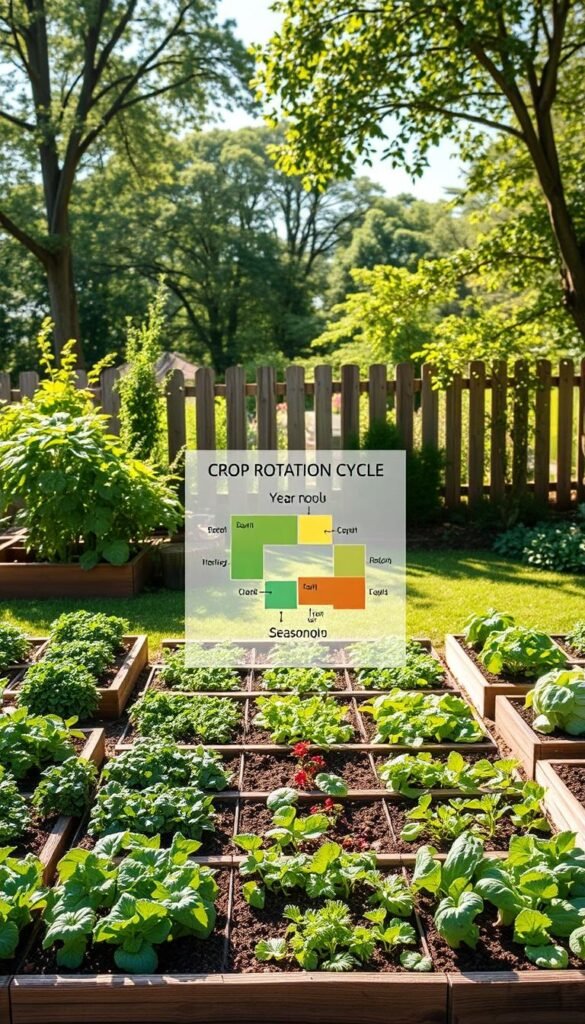
Soil thrives on variety just like your taste buds do. Rotating where you grow specific vegetables prevents tiny troublemakers from getting too comfortable. Think of it as rearranging nature’s furniture—pests arrive expecting a buffet but find empty cupboards instead.
Understanding Crop Rotation Basics
Plants from the same family often share enemies. Tomatoes, peppers, and eggplants (all nightshades) attract similar bugs and diseases. By moving these crops to new beds each year, you break pest life cycles naturally. A 3-4 year rotation gives soil time to recover while confusing unwanted visitors.
Implementing Rotation Techniques for Pest Prevention
Start by grouping vegetables into families. Leafy greens like spinach and lettuce follow heavy feeders like corn. Legumes then replenish nitrogen before squash takes over. This dance keeps soil balanced without chemical fixes.
Track placements with a simple sketch or app. As urban farmer Javier Gomez notes:
“Rotation plans work best when they’re visual—color-code beds by plant family each season.”
| Plant Family | Common Members | Rotation Tip |
|---|---|---|
| Nightshades | Tomatoes, potatoes | Follow with beans |
| Brassicas | Kale, broccoli | Plant after onions |
| Cucurbits | Zucchini, cucumbers | Rotate with greens |
Smart rotation pairs perfectly with selecting resilient varieties. Together, they create gardens that outsmart pests while building richer soil year after year.
Planning for Staggered, Year-Round Harvests
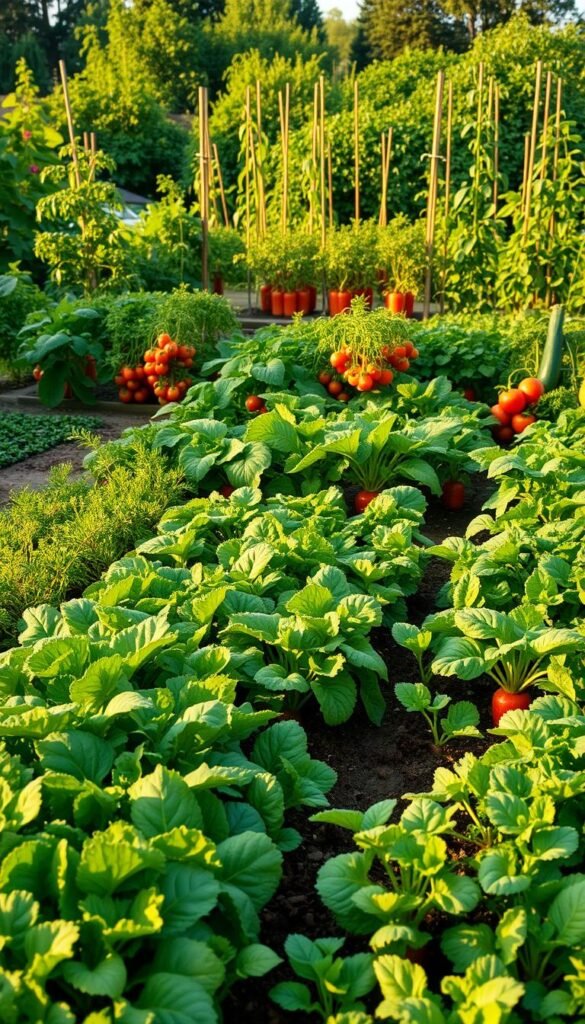
A well-timed garden acts like a conveyor belt of fresh produce. Instead of harvesting everything at once, you’ll enjoy consistent yields that match your kitchen needs. This approach turns small spaces into powerhouses by using every inch wisely.
Timing Plantings with Succession Strategies
Start by sowing fast-growing varieties every 14-21 days. Leafy greens like spinach mature in 30 days, letting you replant areas quickly. Pair these with slower growers like Brussels sprouts that need 100+ days. As farmer Mia Torres explains:
“Interplanting radishes between cabbage rows gives you two crops from one bed—pull the roots early to give brassicas room.”
Cool-weather lovers like peas get planted in early spring and late summer. Heat-tolerant beans replace them during peak summer months. This seasonal shuffle keeps soil active without exhausting nutrients.
Creating a Seasonal Planting Calendar
Map out your growing year in three phases:
| Season | Early Crops | Follow-Up Plantings |
|---|---|---|
| Spring | Lettuce, radishes | Bush beans, cucumbers |
| Summer | Zucchini, basil | Kale, carrots |
| Fall | Spinach, turnips | Garlic, overwintering onions |
Track seed-starting dates on your phone or wall chart. Staggering plantings by 2-3 weeks prevents harvest gaps. You’ll always have tender young greens instead of woody, overgrown leaves.
Remember: small batches mean fresher meals and less waste. This rhythm turns your plot into a reliable food source through frost dates and heat waves alike.
Enhancing Soil Health and Nutrient Management
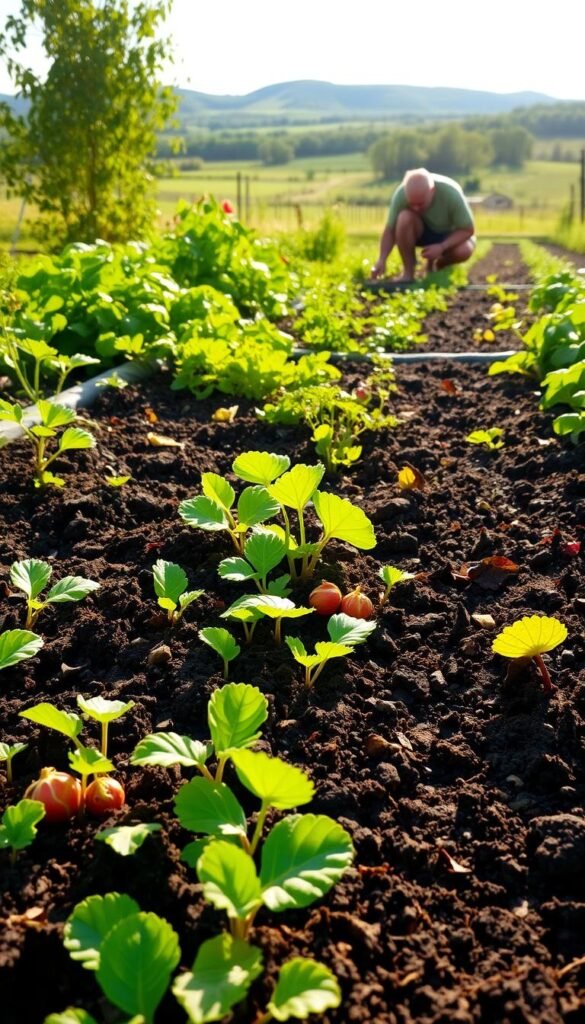
Healthy soil acts like a bustling marketplace for your plants—full of life and resources. To keep this ecosystem thriving, start by understanding what’s happening beneath the surface. Simple tests and natural amendments turn dirt into a powerhouse that fuels growth season after season.
Testing and Amending Your Soil
Grab a $10 test kit from your local garden center. These tools reveal pH levels and missing nutrients in minutes. Most edibles prefer slightly acidic conditions (6.0-7.0). If your results fall outside this range, don’t panic—compost acts like a pH buffer while adding organic matter.
Heavy feeders like tomatoes and corn demand extra nitrogen. Light feeders such as carrots thrive in leaner conditions. Here’s a quick guide:
| Plant Type | Examples | Nutrient Needs |
|---|---|---|
| Heavy Feeders | Broccoli, cucumbers | High nitrogen |
| Light Feeders | Onions, potatoes | Low nitrogen |
Mix compost or aged manure into beds 2-3 weeks before planting. This gives microbes time to break down materials into plant-ready food.
Utilizing Organic Fertilizers and Cover Crops
Legumes are nature’s nitrogen factories. After harvesting peas or beans, till their roots into the soil—they’ll release stored nitrogen for future crops. Clover and vetch make excellent cover crops, protecting bare earth while adding nutrients.
“Soil isn’t just dirt—it’s a living bank account,” says USDA researcher Dr. Mark Tillman. “Organic matter deposits yield compound interest in plant health.”
Rotate fertilizer types based on what you’re growing. Fish emulsion works wonders for leafy greens, while bone meal strengthens root vegetables. Always water thoroughly after applying to prevent nutrient burn.
Utilizing Raised Beds, Containers, and Vertical Space
Elevating your growing game unlocks hidden potential in every square foot. Raised beds give you precise control over soil quality and drainage—a game-changer for heavy feeders like tomatoes and peppers. Pair these with portable containers and upward-growing systems to triple your harvests without expanding your footprint.
Designing Efficient Raised Bed Layouts
Position your beds where sunlight lingers longest—most vegetables need 6-8 hours daily. A 4×8 foot bed lets you reach all plants comfortably. For beginners, building a simple raised bed takes under two hours with basic tools.
Group thirsty crops like lettuce together, while drought-tolerant herbs thrive in separate zones. This smart grouping cuts watering time by 40% according to urban farming studies. Rotate crops annually to prevent soil depletion.
| Container Type | Best For | Maintenance Tip |
|---|---|---|
| Wooden beds | Root vegetables | Line with landscape fabric |
| Fabric pots | Heat-loving plants | Water twice daily in summer |
| Plastic troughs | Herb gardens | Drill drainage holes |
Maximizing Vertical Gardening Options
Install trellises along north edges to avoid shading other plants. Pole beans climb nylon nets quickly, while cucumbers grasp wire grids. Even small-space gardeners report 60% higher yields using vertical systems.
“A 10-foot bean trellis produces the same yield as 30 feet of horizontal space,” notes vertical farming expert Gina Marlow.
Hanging baskets work wonders for strawberries and cherry tomatoes. Use adjustable hooks to lower containers for harvesting, then raise them beyond pest reach. This layered approach turns walls and fences into edible tapestries.
Efficient Watering and Irrigation Strategies
Water is precious—use it wisely to keep plants thriving without waste. Drip systems deliver moisture straight to roots, cutting evaporation by up to 40%. Pair these with soaker hoses buried 2-3 inches deep for targeted hydration that skips weeds and fuels your crops.
Timing matters. Water at dawn when temperatures dip below 80°F to prevent leaf scorch. Automated timers set for 5-7 AM ensure consistency, especially during heatwaves. In warm climates, daily 10-minute cycles protect plants better than weekly soakings.
Mulch acts like a moisture blanket. Spread 3 inches of straw or shredded bark around stems—this simple step slashes watering needs by 25%. Light-colored options along pathways reflect heat, keeping soil cooler.
Group plants by thirst levels. Tomatoes and cucumbers drink deeply, while herbs prefer drier conditions. This zoning cuts water waste by 30% and simplifies maintenance. Check soil moisture with the finger test: if it’s damp knuckle-deep, you’re golden!