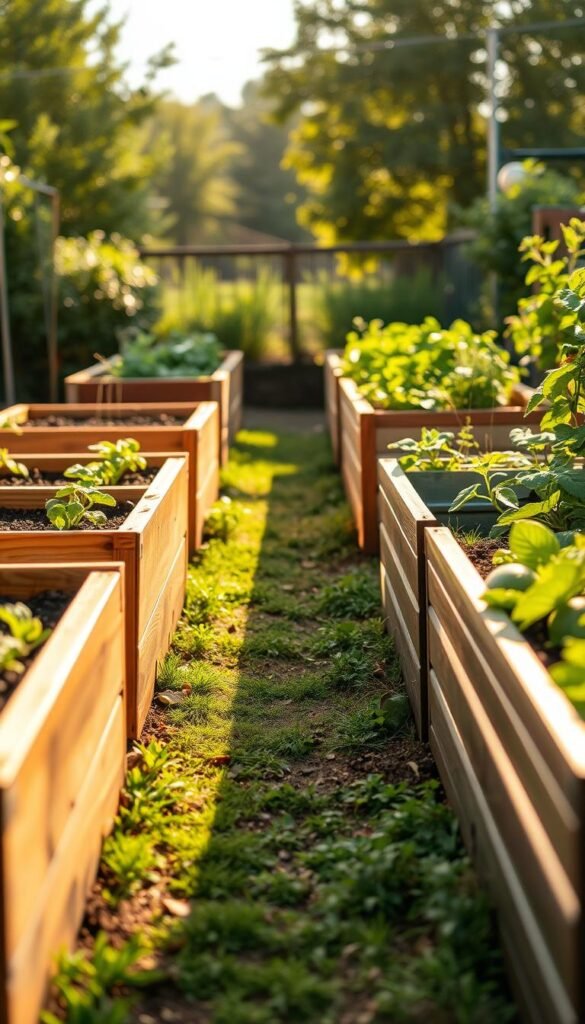
Picking the right foundation for your planters shapes everything from harvest success to backyard beauty. Whether you’re growing juicy tomatoes or vibrant flowers, your material choice impacts soil warmth, drainage, and even how often you’ll need to replace worn-out edges.
Two options dominate conversations among U.S. gardeners: sleek modern metals and classic natural wood. Each brings distinct benefits depending on your local weather, design preferences, and how to build a raised bed project scope. Redwood and cedar enthusiasts love their earthy charm, while galvanized steel fans praise lasting durability.
We’ll break down real factors like upfront costs versus long-term value. Ever wondered why some neighbors’ lettuce thrives in April while yours wilts? Soil temperature control varies between materials – a detail that matters more than you might think.
By understanding these elements, you’ll confidently select a setup matching your lifestyle. Let’s explore what really works for green thumbs from Florida to Alaska.
Introduction to Raised Garden Beds and Their Benefits
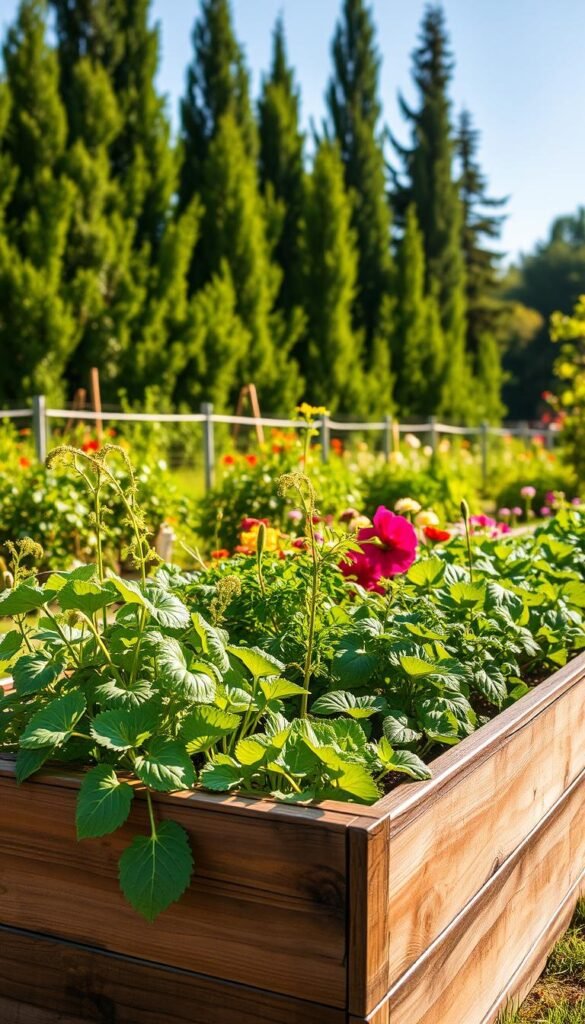
Transforming your outdoor space starts with smart solutions for stubborn clay soil and relentless weeds. Elevated planters create instant growing zones where your existing ground conditions don’t limit success. No more fighting tree roots or dealing with water pooling around delicate roots.
These structured systems let you skip endless digging. Simply fill them with your ideal soil mix – whether your tomatoes crave extra compost or blueberries need acidic amendments. Your back will thank you during harvest season when bending becomes optional rather than mandatory.
Three key advantages make these setups revolutionary:
| Feature | Traditional Beds | Elevated Systems |
|---|---|---|
| Soil Control | Limited amendments | Full customization |
| Physical Strain | Constant bending | Waist-high access |
| Drainage | Variable results | Consistent flow |
| Growing Season | Ground-dependent | Earlier starts |
Urban growers particularly benefit from maximizing small patios. The contained design prevents soil erosion on concrete surfaces while keeping pathways clean. You’ll notice faster plant growth too – warm soil in spring gives seedlings a 2-3 week head start.
Whether nurturing herbs in Arizona or kale in Maine, these adaptable systems meet diverse needs. Rotate crops easily, experiment with companion planting, or create stunning floral displays – all while maintaining perfect root conditions.
Understanding Metal Raised Garden Beds
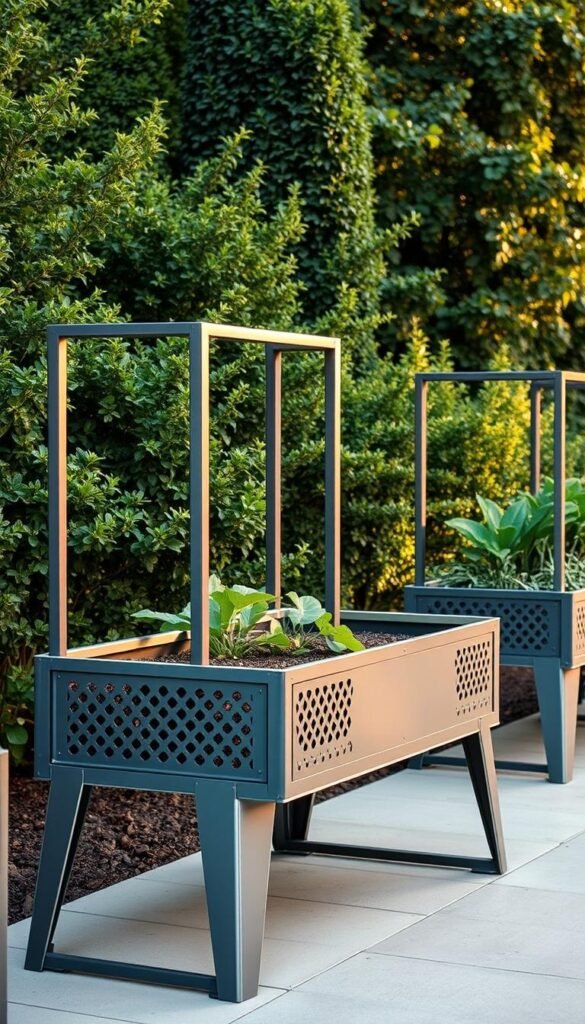
In the quest for low-maintenance gardening, modern metal beds offer a sleek solution that stands up to time. These structures combine industrial strength with smart design, solving common issues like rot and pest damage.
The Appeal of Modern, Durable Metals
Galvanized steel beds shine where traditional materials falter. Their zinc-coated surfaces laugh at rainstorms and shrug off humidity. Unlike porous alternatives, they won’t warp or splinter when temperatures swing from frosty mornings to summer heatwaves.
Urban gardeners love how these beds elevate their spaces with crisp lines. “You get the functionality of a workhorse with the polish of modern decor,” notes one landscaper. The powder-coated finishes available today let you match colors to your patio furniture or flowering plants.
Key Features of Galvanized and Aluzinc Beds
New Aluzinc-Magnesium technology takes durability further. This triple-layer coating fights rust 3x better than standard galvanization. Tests show these beds lasting two decades even in coastal areas with salty air.
Safety-conscious growers appreciate the food-grade materials. No harmful chemicals seep into your basil or blueberries. Want proof? Check this metal vs. wood comparison showing lab-certified soil safety results.
Bonus perk? Recycled content makes these beds eco-champions. When you eventually upgrade (decades from now), 95% of the material gets reborn as new products. That’s sustainability you can sink your trowel into.
Understanding Wood Raised Garden Beds
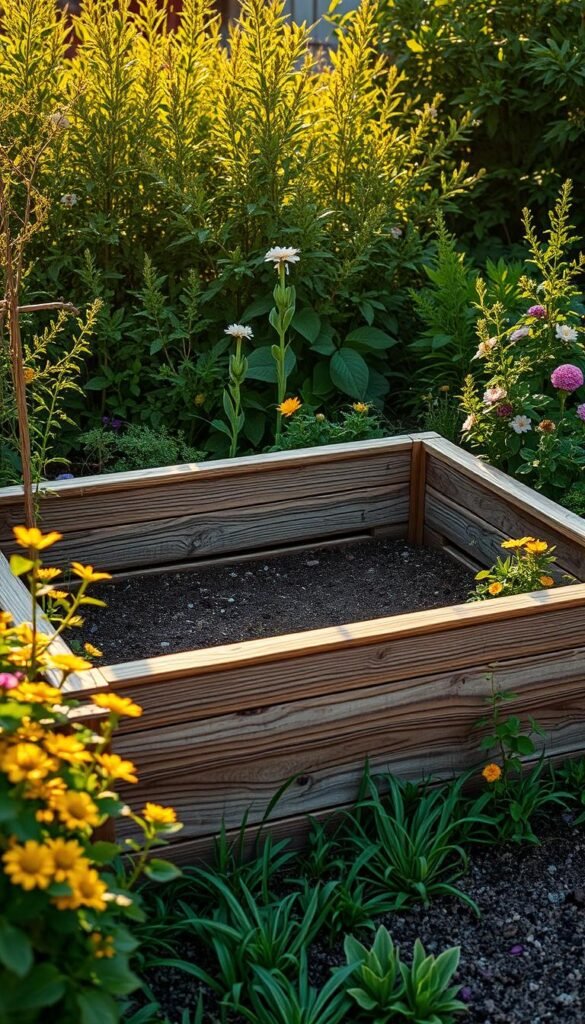
When you picture a classic garden scene, chances are it includes neatly arranged wooden beds framing lush plants. These organic structures bring warmth to outdoor spaces while offering practical growing solutions. Let’s explore why generations of growers trust this natural material.
Varieties of Wood and Composite Options
Cedar and redwood lead the pack for natural resistance to rot and insects. Their earthy tones develop a silvery patina over time, adding character to your landscape. For budget-conscious gardeners, composite wood blends recycled materials with weather-resistant coatings.
New pressure-treated options use safer copper-based preservatives instead of harsh chemicals. Pair these with liner fabric for extra protection against moisture. Want maintenance-free durability? Modern composites mimic wood grain patterns while lasting 3x longer than untreated lumber.
Natural Aesthetics and Traditional Charm
Wood’s warm textures make your zucchini plants or sunflowers look like they grew there naturally. The material blends seamlessly with cottage-style blooms or sleek modern hardscaping. One gardener puts it perfectly: “My cedar beds make the tomatoes look like they’re starring in a farm-to-table cookbook.”
These beds excel at creating defined growing zones without harsh visual barriers. Arrange them in geometric patterns for contemporary flair or meandering curves for relaxed charm. As seasons change, weathered wood develops a storybook quality that powder-coated metals can’t replicate.
Best part? When their decades-long service ends, untreated boards return to the earth without leaving synthetic traces. It’s gardening that honors both tradition and environmental responsibility.
Comparing Durability and Longevity
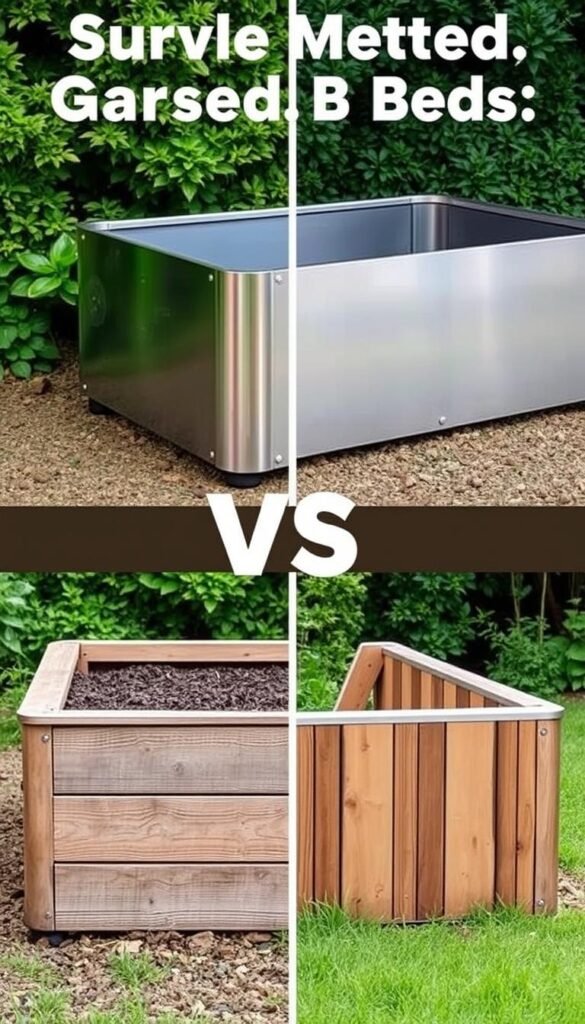
Gardeners know materials make or break their growing space over time. Rot resistance and structural integrity determine whether your setup thrives for seasons or becomes a recurring project. Let’s explore how these materials perform when Mother Nature throws her worst.
Metal’s Extended Lifespan vs. Wood’s Limited Durability
Metal beds laugh at threats that destroy organic materials. While cedar might resist decay for 10-15 years, modern steel shrugs off moisture, termites, and fungal growth indefinitely. One gardener shared: “My aluminum beds outlasted three generations of wooden ones – still perfect after 18 winters.”
| Factor | Metal | Wood |
|---|---|---|
| Lifespan | 20+ years | 5-10 years |
| Annual Maintenance | None | Sealing/Painting |
| Resistance | Rot/Rust-Free | Vulnerable to Decay |
| 10-Year Cost | $300 (one-time) | $600+ (replacements) |
Wood demands constant vigilance. Even rot-resistant varieties eventually succumb without protective treatments. You’ll battle splinters, warped boards, and carpenter ants – problems metal simply doesn’t experience.
Choose metal if you want to plant once and enjoy harvests for decades. Opt for wood when prioritizing short-term charm over long-term practicality. Your climate plays a role too – humid regions accelerate wood’s breakdown, making metal the smarter investment.
Heat Retention, Insulation, and Seasonal Performance
Your garden’s success hinges on how well your setup handles nature’s temperature swings. Thermal properties determine whether delicate roots thrive or struggle through seasonal extremes.
How Thermal Properties Shape Plant Health
Dark-colored metal setups act like solar panels for your soil. They capture warmth efficiently, giving cool-climate growers up to 4 extra harvest weeks. Imagine planting peas in March when neighbors still see frost – that’s spring soil heating in action.
Wood’s magic lies in steady insulation. It buffers roots from sudden chills or heat spikes, like a cozy blanket for your carrots and kale. This natural regulation prevents stress that stunts growth or triggers early bolting.
Modern steel options strike a smart balance. Their layered construction shields plants from scorching surfaces while maintaining ideal earth warmth. As this thermal performance comparison shows, these beds protect tender seedlings without cooking them on hot afternoons.
Match your material to local weather patterns. Frequent freezes? Metal’s quick-warming traits help. Wild temperature swings? Wood’s consistency saves the day. Your plants will reward you with robust growth from first sprout to final harvest.