
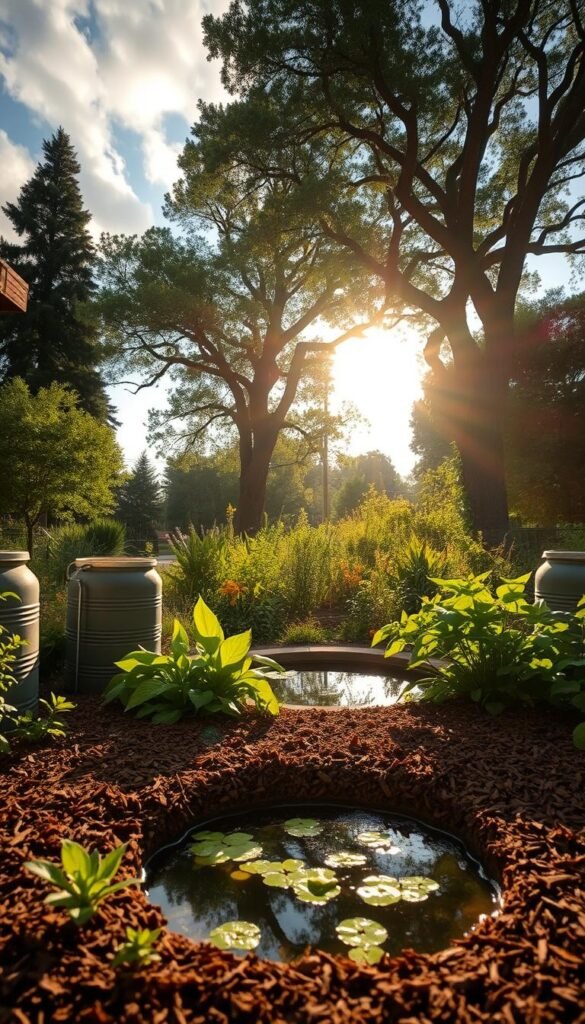
Smart landscaping isn’t just about beauty—it’s about building a space that works with nature, not against it. With shifting weather patterns affecting communities nationwide, many growers are rethinking how they nurture their green spaces. Simple adjustments to your routine can slash outdoor water use dramatically while boosting plant health.
Think of your yard as a living system. Techniques like protective ground covers and targeted watering mimic natural processes, keeping soil moist longer. Pair these with sustainable landscaping principles, and you’ll create habitats that support bees, butterflies, and local ecosystems.
Why does this matter now? Longer dry spells and tighter water restrictions mean traditional sprinkler systems often waste more than they deliver. By adopting smarter methods, you could cut usage by over half—without sacrificing lush growth. Bonus: healthier plants often resist pests better!
This guide shares practical steps used by pros to build landscapes that flourish in dry conditions. You’ll discover how to work with your local climate, choose resilient plants, and use free resources like rainfall effectively. Let’s transform your outdoor space into a vibrant, low-maintenance sanctuary that gives back to the environment.
Understanding the Basics of Water Conservation in Your Garden
Every drop counts when nurturing green spaces—especially as weather extremes become the new normal. Let’s unpack how thoughtful hydration strategies protect both your plants and our planet’s delicate balance.
Why Water Is a Precious Resource
Less than 3% of Earth’s water is freshwater, and climate shifts are making droughts more frequent. Overwatering doesn’t just strain your utility bill—it washes away nutrients and stresses local streams that wildlife need to survive.
Notice puddles forming during irrigation? That’s runoff telling you the soil can’t absorb the amount water you’re applying. Plants drowning in excess moisture often develop weak roots, making them vulnerable to disease.
Key Principles of Eco-Friendly Watering
Smart hydration starts with understanding your garden’s unique needs. Group plants by their thirst levels, and water deeply but less often. Early morning sessions reduce evaporation, letting roots drink their fill.
Pro tip: Install a rain gauge. It shows exactly how much water your space receives naturally, helping you avoid unnecessary sprinkler use. Pair this with efficient irrigation systems for precise moisture control.
“Gardens thrive when we mimic nature’s rhythms—slow, steady hydration beats flash floods every time.”
By aligning your routine with these principles, you’ll conserve water while creating a lush oasis that gives back to your ecosystem. Next, we’ll explore how mulch supercharges these efforts.
The Role of Mulching in Reducing Water Usage
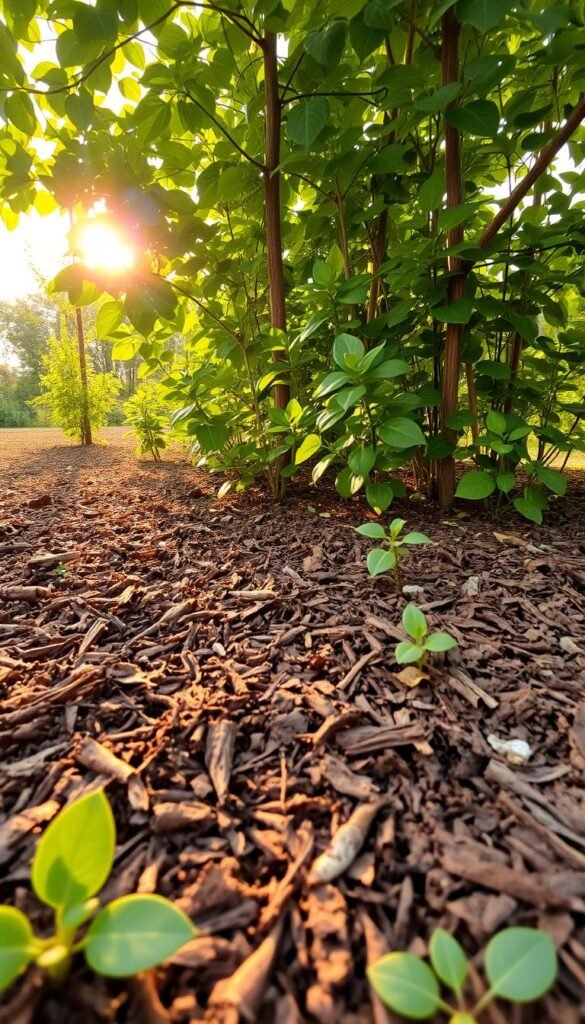
Imagine your garden soil wrapped in a protective blanket that locks in moisture and keeps roots happy. This simple layer does more than suppress weeds—it’s a game-changer for maintaining hydration during heatwaves. Let’s explore how this technique transforms your garden’s water efficiency.
How Mulch Shields Soil From Extreme Conditions
Mulch acts like a thermostat for your garden. By covering the soil’s surface, it blocks sunlight that speeds up evaporation. Studies show a 2-4 inch layer can slash water loss by 70% in summer. Push aside straw on a hot afternoon—you’ll feel cooler earth underneath, proof it’s working!
| Material | Decomposition Rate | Best For | Water Retention |
|---|---|---|---|
| Straw | 6-12 months | Vegetable beds | High |
| Grass clippings | 2-4 weeks | Flower borders | Medium |
| Wood chips | 1-2 years | Tree bases | Very high |
Choosing Nature’s Best Moisture Managers
Organic options feed your soil while conserving resources. Straw forms a breathable barrier—use 1 inch minimum. Grass clippings work well but must be weed-free. For long-term protection, pair wood chips with season-extending row covers to maximize growth cycles.
“Proper mulching is like giving plants a steady IV drip—it delivers hydration exactly where needed.”
Remember: Thicker isn’t always better. Keep mulch 3 inches away from stems to prevent rot. Refresh layers as materials break down, creating richer soil over time.
Effective Rainwater Harvesting Techniques for Your Garden
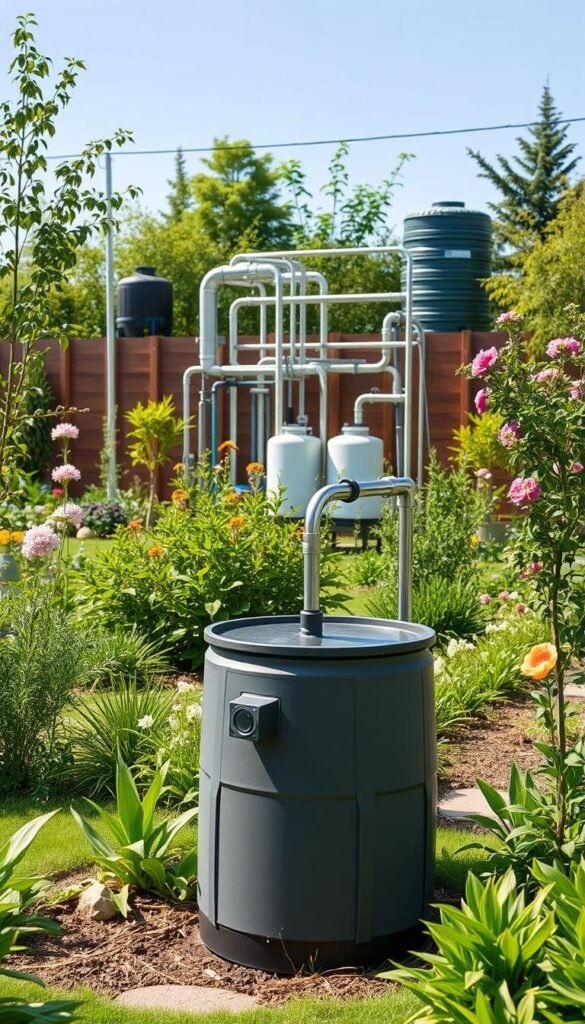
Turn every storm into a liquid asset for your plants with smart collection methods. Capturing rainfall transforms weather patterns into gardening advantages, creating a self-replenishing supply that thrives even when skies stay dry.
Setting Up Rain Barrels and Catchment Systems
Start by calculating your roof’s potential—1 inch of rain yields 0.6 gallons per square foot. A 1,000 sq ft roof can collect 600 gallons from a single storm! Choose food-grade barrels (55-gallon sizes work well) and position them under downspouts.
| Barrel Type | Capacity | Cost Range | Best For |
|---|---|---|---|
| Plastic | 50-80 gal | $50-$150 | Small spaces |
| Wooden | 100-300 gal | $200-$500 | Decorative areas |
| Modular | 250+ gal | $300+ | Large gardens |
Add a first-flush diverter ($70 average) to skip the initial runoff carrying roof debris. Elevate barrels 12-18 inches off the ground using cinder blocks—this creates natural water pressure for easier hose attachment.
Maintenance Tips for Long-Term Rainwater Use
Clean gutters monthly during peak pollen seasons. Use mesh screens to block leaves and install mosquito dunks in standing water. After drought periods, flush your system with 5 gallons before collecting fresh rain.
“Connect multiple barrels with overflow hoses—it’s like building a mini reservoir network for dry summers.”
Pair your setup with drip irrigation systems for automatic distribution. Remember: metal roofs collect cleaner water than asphalt shingles. Test pH levels annually if using collected water for edible plants.
Eco-Friendly Watering Methods and Drip Irrigation Advantages
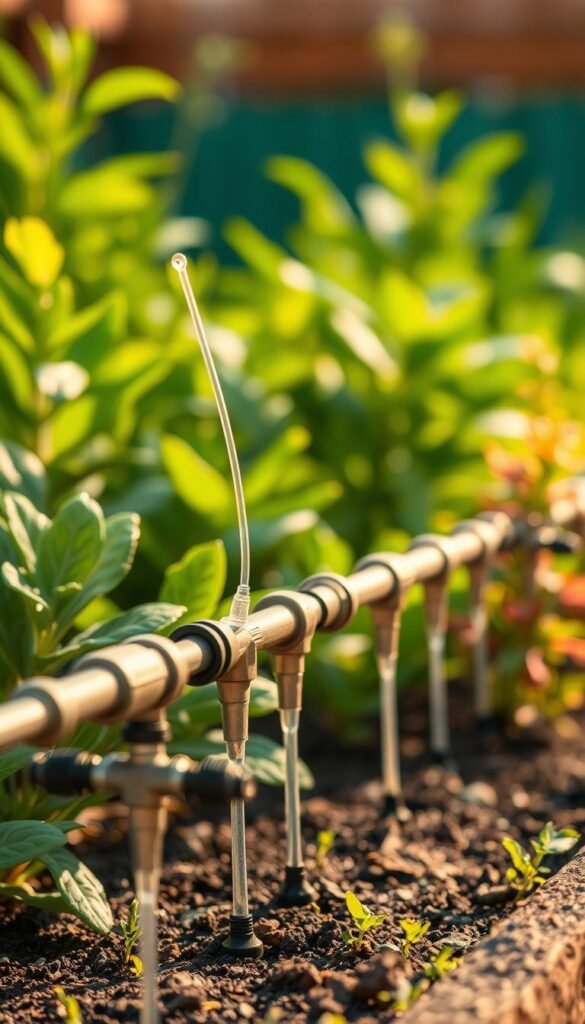
Transform your garden’s hydration strategy with precision technology that works while you sleep. Unlike traditional methods that spray water into the air, drip systems deliver hydration exactly where plants need it most—their roots.
How Drip Irrigation Minimizes Waste
Imagine a network of tiny tubes whispering moisture directly into the soil. This method slashes evaporation by up to 90% compared to sprinklers. A basic $20 soaker hose can cover a 50-foot bed, while programmable emitter systems ($150+) customize flow for each plant’s needs.
| Component | Cost | Coverage | Best For |
|---|---|---|---|
| Soaker Hose | $20-$50 | Small beds | Beginners |
| Emitter Kit | $60-$120 | Mixed plantings | Vegetables |
| Smart Controller | $40-$200 | Large gardens | Tech lovers |
Connect your DIY setup to a $40 timer, and you’ll eliminate forgotten sprinkler sessions. Roots grow stronger searching for this steady supply, while leaves stay dry—preventing mildew outbreaks.
“Drip irrigation pays for itself in one season. Most gardeners see water bills drop 30-50% immediately.”
Check lines monthly for clogs using a paperclip. Winterize by blowing air through tubes before frost. Pair with soil moisture sensors to automate watering based on real needs. Your plants get VIP treatment, and you save hours each week.
Conserving Water in Your Eco Garden: Mulching and Rainwater Harvesting Tips
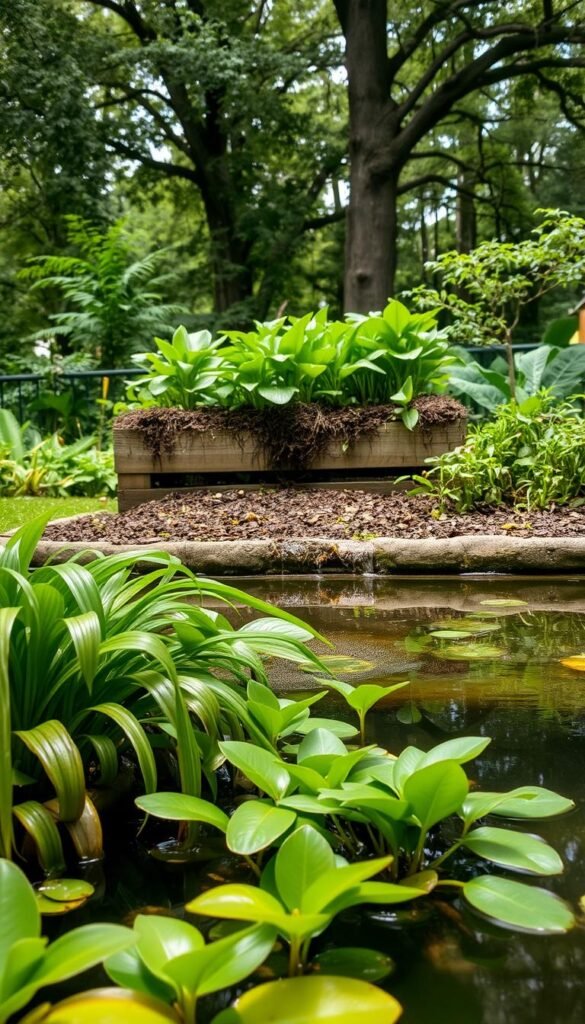
Unlock your garden’s full potential by pairing two powerhouse techniques. When protective ground covers team up with stored rainfall, they create a self-sustaining hydration cycle. This dynamic duo reduces water dependency while boosting plant vitality.
See how these methods work together in practice. A Phoenix community garden cut municipal water use by 65% using wood chip mulch and 500-gallon cisterns. Their tomatoes thrived through 110°F heatwaves thanks to steady soil moisture from both systems.
| Mulch Type | Rainwater Retention | Best Paired With |
|---|---|---|
| Shredded Bark | Holds 2x its weight | Underground tanks |
| Leaf Mold | Slow-release nutrients | Barrel systems |
| Pine Straw | Acidifies soil | Drip irrigation |
Track progress with simple tools. Place a rain gauge near beds and check soil dampness weekly with a $10 moisture meter. Healthy roots will grow deeper as surface layers stay protected.
“Our hybrid approach lets nature do the heavy lifting—we just guide the process.” – Central Texas Botanical Co-op
Seasonal tweaks keep systems effective. Add extra mulch before summer droughts. Clean gutters before fall rains. Winterize pipes but keep barrels half-full—they’ll water early spring plantings.
Hit a snag? Ants in mulch? Sprinkle diatomaceous earth. Algae in barrels? Add mosquito dunks. Balance is key—adjust layers and collection based on your plants’ changing needs.
Boosting Soil Health and Moisture Retention with Organic Matter
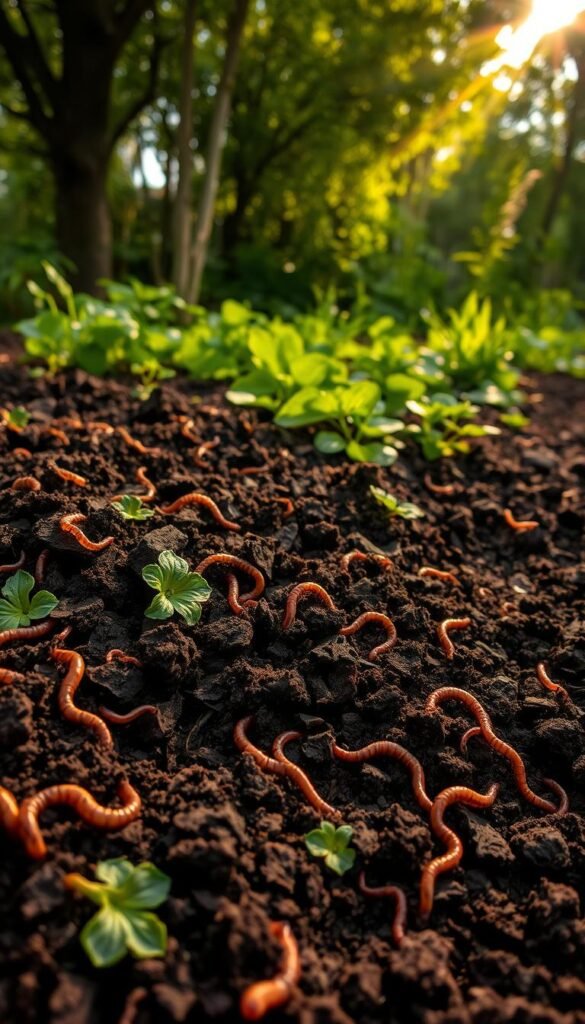
Healthy soil isn’t just dirt—it’s a thriving ecosystem beneath your feet. When enriched with organic materials, earth becomes a moisture-saving powerhouse that nurtures plants through droughts. Let’s dig into how natural amendments create self-sustaining gardens.
Benefits of Compost and Organic Amendments
Compost acts like a sponge, holding 6x its weight in water. Unlike synthetic fertilizers, it feeds microbes that build soil structure. These tiny allies create air pockets, letting roots drink deeply while preventing runoff.
| Amendment | Water Retention | Best Use |
|---|---|---|
| Compost | High | All beds |
| Leaf Mold | Medium | Shaded areas |
| Worm Castings | Very High | Seedlings |
Start with a 3-inch compost layer. Mix into topsoil or spread as mulch. You’ll notice plants needing half as much watering within weeks. For established gardens, top-dress around stems without disturbing roots.
“Rich soil grows resilient plants—mine survived 3 weeks without rain last summer!” – Oregon Urban Gardener
Pair compost with no-till methods to protect microbial networks. Test soil yearly; aim for 5% organic content. Your reward? Vibrant blooms and veggies that shrug off pests naturally.
Resilient Gardening Practices for Drought and Climate Adaptation
Your garden’s survival toolkit just got smarter. As weather patterns shift, these forward-thinking strategies help plants thrive with minimal intervention. Let’s explore methods that strengthen your green space against dry spells while nurturing the earth.
Working With Nature’s Schedule
Dry farming teaches plants to dig deep. By spacing crops wider, roots stretch further to find moisture stored in soil. Pair this with no-till practices—leaving earth undisturbed preserves its sponge-like structure. University studies show farms using these methods yield 13% more produce annually.
Smart Systems for Tough Times
Try the “chop and drop” approach. Leave plant clippings and roots in place after harvest—this living mulch shields soil from sun while releasing nutrients. For thirsty plants, buried clay pots (ollas) or DIY wicking beds deliver water straight to roots. They cut watering frequency by half during peak growing seasons.
Remember: Healthy soil grows resilient plants. Test moisture weekly, and adjust your approach as temperatures rise. With these practices, your garden becomes a climate-adaptation showcase—lush, productive, and kinder to our planet’s resources.