
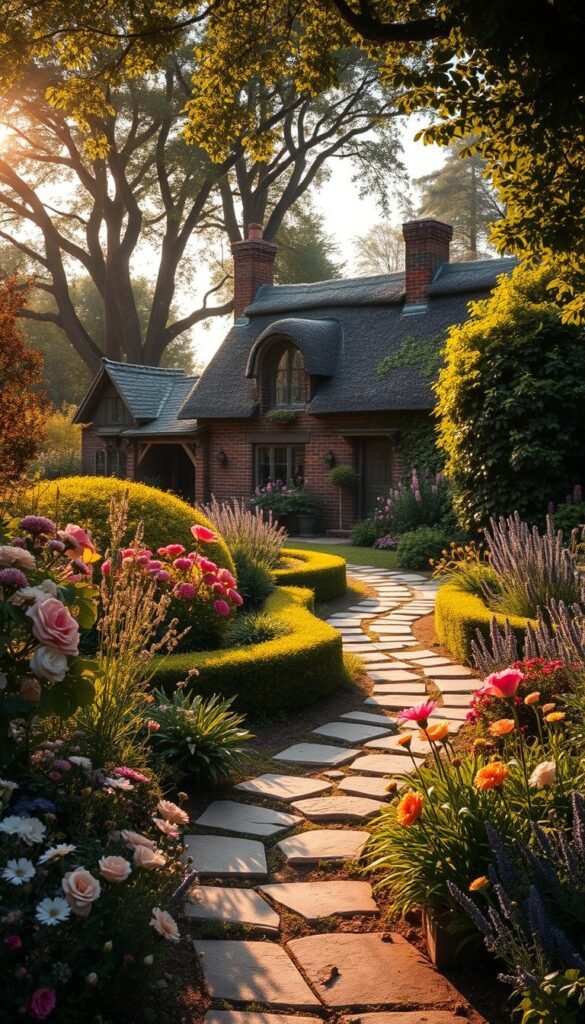
Imagine stepping into a living storybook where rustic charm meets purposeful design. This philosophy transforms ordinary yards into flourishing sanctuaries that honor simpler times. Rooted in 18th-century European traditions, this approach blends edible plants with ornamental blooms in arrangements that feel both spontaneous and intentional.
You’ll find inspiration in historic practices where households cultivated herbs for healing and vegetables for nourishment alongside climbing roses and fragrant lavender. Modern interpretations maintain this balance, as detailed in our guide to blending practicality with enchantment. The magic lies in creating layers – tall hollyhocks behind strawberry patches, thyme spilling over stone pathways.
Your space becomes more than visual poetry. It’s a living ecosystem where sustainability meets sensory delight. Incorporate heirloom apple trees that feed both body and soul, or let calendula flowers brighten salads while attracting pollinators. Vintage tools repurposed as decor add character without compromising eco-conscious values.
This method invites you to slow down and collaborate with nature’s rhythms. Discover how loose, flowing layouts create hiding spots for frogs and fairies alike, while clover lawns nourish the soil. Every choice – from wildflower meadows to repainted iron gates – weaves together beauty, function, and ecological harmony.
Embracing the Cottagecore Lifestyle in Your Garden
Picture tangled roses climbing weathered brick walls while bees hum through clusters of thyme. This isn’t just gardening – it’s embracing a philosophy where history breathes through every leaf. The roots of this approach stretch back centuries, blending practicality with a deep reverence for Earth’s rhythms.
Discovering the Aesthetic and Its Roots
Early cottage gardens emerged in 15th-century Europe as survival plots. Families grew medicinal herbs beside vegetables, their chaotic beauty born from necessity. By the 19th century, Victorian gardeners added flowers for pure delight, transforming these spaces into living art. “The poetry of the earth is never dead,” wrote John Keats – a sentiment echoing through today’s nature-inspired designs.
How Nature and Simplicity Inspire Your Space
Modern cottagecore rejects rigid landscaping rules. Let mint creep between stepping stones and allow sunflowers to lean where they please. This intentional imperfection creates habitats for butterflies while feeding your family. Your space becomes a sanctuary where time slows – where peeling benches host morning tea, and every plant serves multiple purposes.
You’re not just planting flowers. You’re reviving a tradition that honors seasons, sustains ecosystems, and whispers stories of simpler times through every wild-growing stem.
Planning Your Cottage Garden Layout
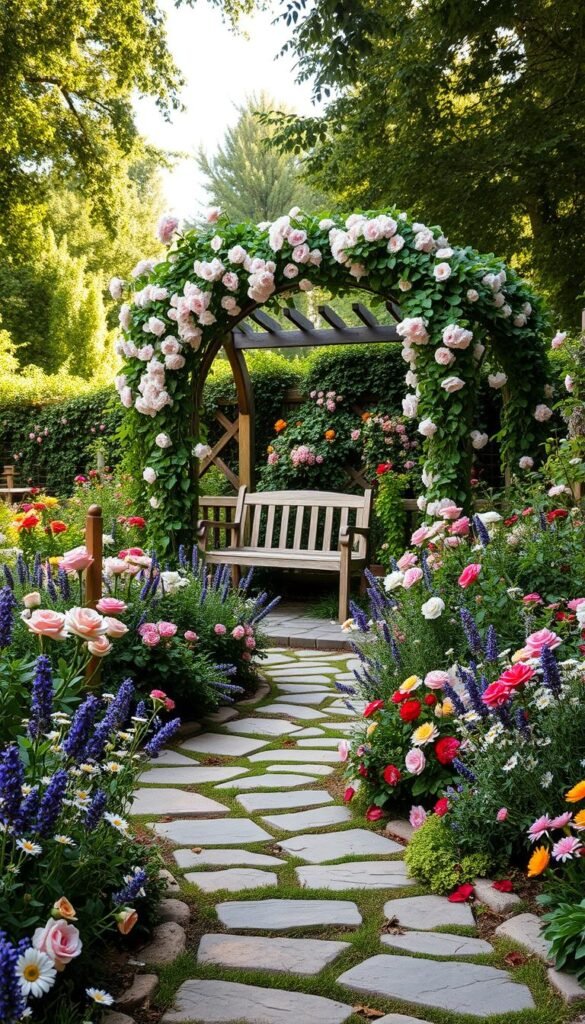
Transform your outdoor space into a tapestry of productivity and charm. Like 18th-century villagers who optimized modest plots, you’ll craft a layout where form meets function in every square foot.
Assessing Your Outdoor Area
Begin by measuring your available room. Whether you’re working with a balcony or backyard, sketch sunlight patterns and note existing features. Vertical space becomes your ally – imagine beans climbing a trellis behind fragrant roses. This layered approach mirrors historic practices while solving modern space constraints.
Creating Purposeful Zones
Divide your area into distinct yet connected sections. Position herbs and salad greens near walkways for easy harvesting. Further out, dedicate beds to seasonal vegetables that thrive in partial shade. As one 19th-century gardener noted: “A well-planned plot feeds both body and soul through thoughtful arrangement.”
Incorporate natural pathways using gravel or wood chips to connect zones. These rustic walkways prevent soil compaction while enhancing accessibility. For tight spaces, try multi-level planting strategies that combine edible flowers with compact berry bushes.
Remember to leave room for evolution. Annuals might fill gaps between young fruit trees today, while tomorrow’s mature canopy creates shade-loving mushroom beds. Your living canvas grows richer with each season’s changes.
Food Production: Grow Your Own Produce
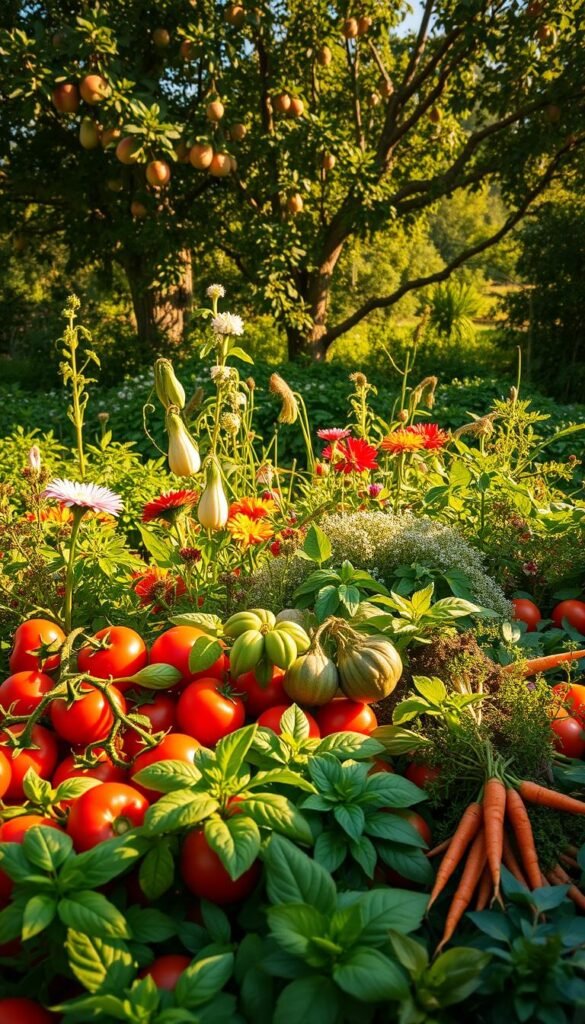
Your backyard holds untapped potential to become a self-sufficient pantry bursting with flavor. Eighteenth-century growers mastered space-efficient food cultivation, and you can too by blending heirloom varieties with smart growing methods.
Selecting Food-Producing Plants and Vegetables
Choose crops that serve dual purposes – beauty and bounty. Yellow neck squash adds golden accents to beds while producing tender fruits. Eggplants offer glossy purple orbs among their silvery leaves. For vertical interest, train pole beans up rustic obelisks where they’ll mingle with fragrant sweet peas.
| Best Plants for Small Spaces | Companion Plants | Harvest Time |
|---|---|---|
| Bell peppers | Basil + Marigolds | 70-90 days |
| Okra | Nasturtiums + Cucumbers | 50-65 days |
| Edamame | Carrots + Dill | 75-85 days |
Mastering Intercropping and Raised Bed Techniques
Pair quick-growing radishes with slow-developing cabbage in the same bed. As you pull radishes, you’ll create space for cabbage heads to expand. Raised beds simplify this dance – their contained soil warms faster in spring and drains better during summer storms.
Edge your plot with blueberry bushes or dwarf apple trees. These woody plants protect tender vegetables from wind while offering snacks for birds and humans alike. Keep your beginners gardening checklist handy to track planting dates and soil amendments.
Rotate crops annually to prevent nutrient depletion. Follow heavy feeders like tomatoes with soil-enriching beans. This rhythm keeps your garden productive while maintaining ecological balance – just like generations before you achieved.
Herbal Healing: Nurture Your Body and Garden
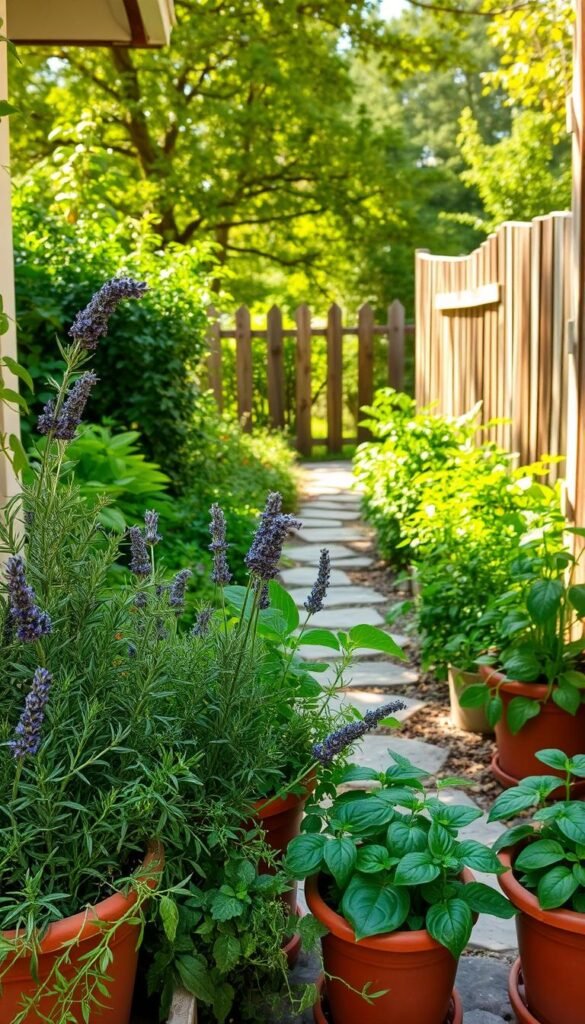
For centuries, homegrown herbs have bridged the gap between pantry and medicine cabinet. These versatile plants thrive in window boxes, pots, and dedicated beds, offering fresh flavors and natural remedies steps from your door.
Choosing Medicinal and Culinary Herbs
Start with multi-purpose varieties that serve your kitchen and wellness needs. Basil purifies air while adding zest to sauces. Rosemary supports memory and roasted vegetables. Mint aids digestion and makes refreshing teas. As one Appalachian grower noted: “Every leaf tells two stories – one for the plate, one for the body.”
| Herb | Culinary Use | Medicinal Benefit |
|---|---|---|
| Lavender | Baking flavoring | Calms anxiety |
| Sage | Stuffing herb | Soothes sore throats |
| Thyme | Soup seasoning | Boosts immunity |
Creating a Dedicated Herb Garden Area
Position your main herb garden near the kitchen window for easy harvesting. Use tiered planters to grow 12+ varieties in 4 square feet. Include chamomile and calendula for their bright flowers and healing properties.
Involve younger gardeners by growing herbs indoors with your kids in colorful pots. Dry surplus leaves in paper bags for winter soups, continuing the tradition of home apothecaries that sustained generations.
Inviting Nature and Beneficial Wildlife
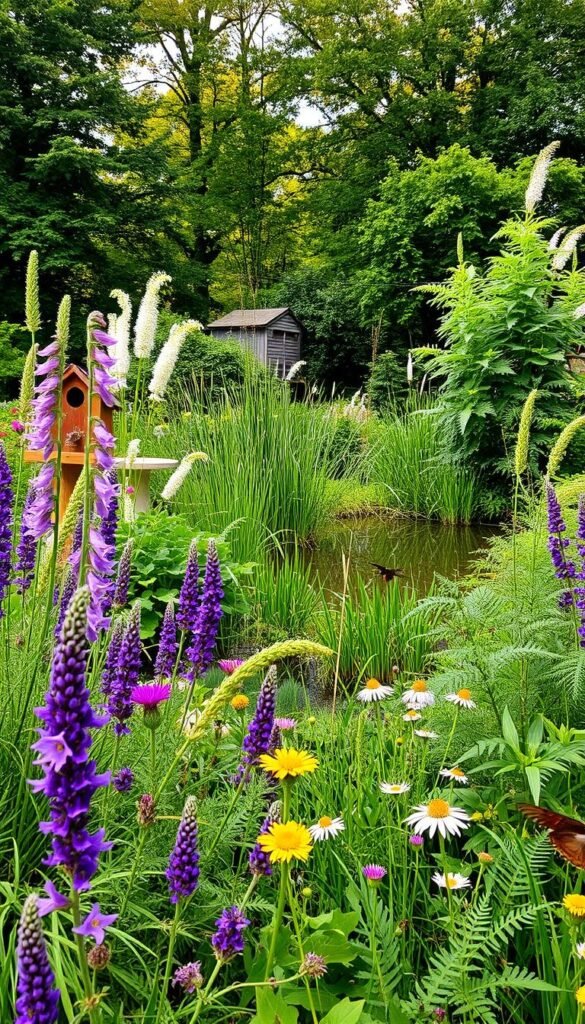
Your outdoor space becomes a living tapestry when wildlife thrives alongside your blooms. By welcoming creatures that naturally manage pests and pollinate plants, you’ll cultivate a balanced ecosystem that flourishes with minimal intervention.
Attracting Pollinators, Bees, and Butterflies
Fill your space with native flowering plants like milkweed and coneflowers to draw winged helpers. These flowers provide consistent nectar from spring through fall, supporting local pollinator populations. Cluster lavender and bee balm near vegetable beds – their vibrant hues attract butterflies while masking crop scents from pests.
Integrating Birdhouses, Toad Houses, and Water Features
Mount rustic bird feeders near berry bushes to invite birds that snack on caterpillars. Tuck clay pot toad shelters in shady corners – these amphibians devour slugs nightly. A shallow stone basin becomes both water source and bathing spot, its ripples reflecting darting dragonflies.
Consider adding bat boxes on tall posts to welcome night hunters. These winged allies consume thousands of mosquitoes weekly. As cottagecore principles suggest, let ivy cascade over a repurposed ladder to create lizard hideouts. Your garden transforms into a self-regulating habitat where every creature plays its part.
Visually Pleasing Designs for a Cozy Outdoor Oasis
Envision curling up with a book under dappled sunlight, surrounded by flowers that sway like nature’s confetti. Your garden becomes a sanctuary where every detail invites relaxation. Start by blending practical structures with free-spirited plantings to achieve visual harmony.
Vertical Elements That Elevate Style
Wooden arches draped in sweet peas create living tunnels, while pergolas shaded by grapevines offer cool retreats. These structures maximize space for climbing roses or pole beans, merging productivity with charm. Trellises propped against walls showcase morning glories, their trumpet-shaped blooms greeting each dawn.
Textured Layers That Captivate
Pair feathery cosmos with velvety lamb’s ear for tactile contrast. Silver artemisia makes purple coneflowers pop, while crimson poppies dance above blue flax. This mix of colors and textures feels abundant yet balanced – a hallmark of timeless design.
Complete your oasis with winding paths of crushed oyster shells, leading to benches tucked between hydrangeas. Add cottagecore decor like hand-painted birdhouses or moss-covered stones for playful surprises. Your space becomes a living postcard where every season paints new beauty.