
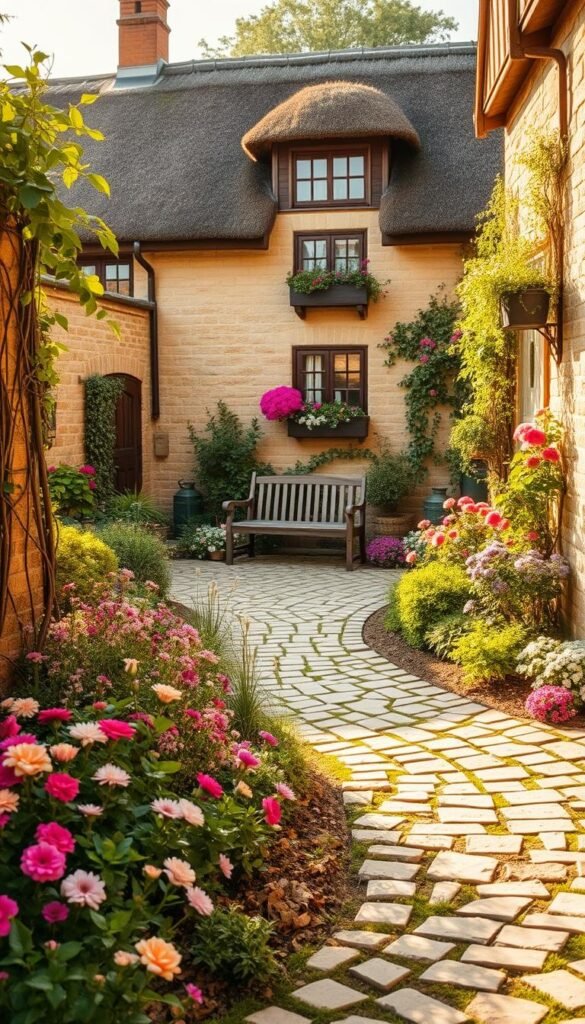
Imagine stepping into an outdoor retreat that feels worlds away from busy streets—even if it’s just steps from your back door. Enclosed areas surrounded by walls or fences offer untapped potential to craft intimate escapes tailored to your lifestyle. Whether you’re working with a tiny urban plot or a cozy backyard, these spaces can become lush, inviting extensions of your home.
What makes these areas so special? They balance privacy and openness effortlessly. Sunlight filters through greenery, while vertical plantings and strategic layouts create the illusion of depth. You’ll find clever ways to blend rustic charm with modern practicality, turning overlooked corners into vibrant living areas.
Discover how smart design choices protect delicate blooms from harsh weather, letting you enjoy fresh herbs or flowers longer. Even modest footprints feel spacious when every inch serves a purpose—think winding pathways, tiered containers, or tucked-in seating nooks. Your personal oasis isn’t just about looks; it’s a functional sanctuary that adapts to your needs year-round.
Ready to unlock the hidden possibilities of your outdoor area? Let’s explore how thoughtful planning transforms limitations into opportunities for creativity and connection with nature.
Embrace the Charm of Cottage Courtyard Garden Ideas: Private Getaways in Compact Spaces
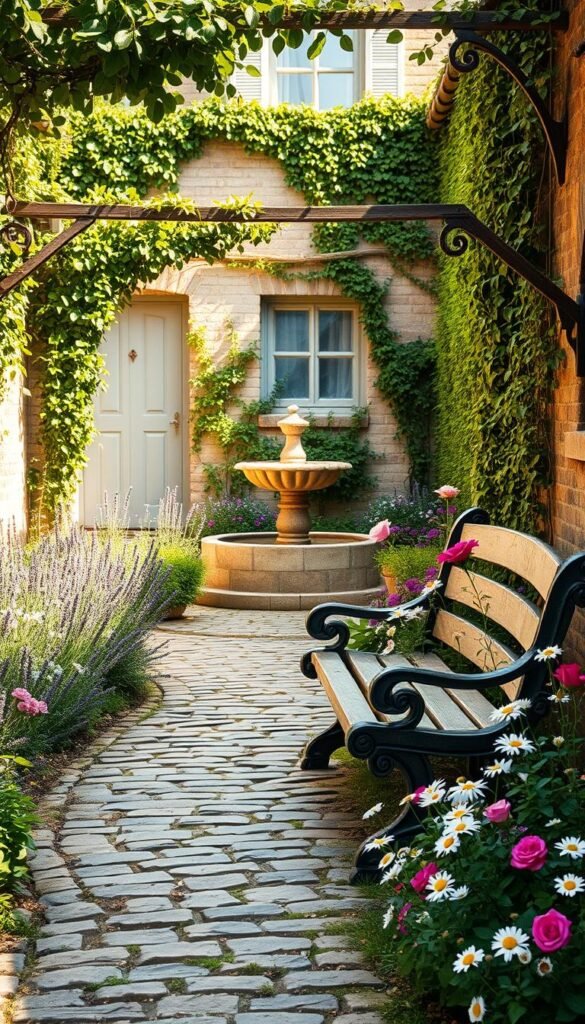
Envision a secret sanctuary where blooms and benches invite quiet moments, even in the coziest corners. This is the magic of blending free-spirited greenery with purposeful design—a style rooted in the cottagecore aesthetic. Your small garden becomes a stage for fragrant roses tumbling over stone walls and herbs brushing against weathered benches.
Think layers, not clutter. Tall foxgloves sway behind bushy lavender, while creeping thyme softens pathway edges. This “organized wildness” lets each plant shine without overwhelming your space. You’ll love how morning light filters through climbing clematis, casting lace-like shadows on your morning coffee spot.
Don’t fear imperfections—chipped pots or mossy bricks add soul. As one gardener muses,
“A true retreat isn’t polished; it’s alive with stories.”
Tuck strawberries between daisies or let mint spill from cracked urns. Yourhome’s outdoor room becomes both pantry and paradise, where basil grows beside zinnias.
Ready to reimagine your plot? Continue reading to explore how structure and spontaneity turn modest areas into multi-sensory escapes. Every season brings new textures, colors, and reasons to linger just a little longer.
Designing Your Intimate Garden Space
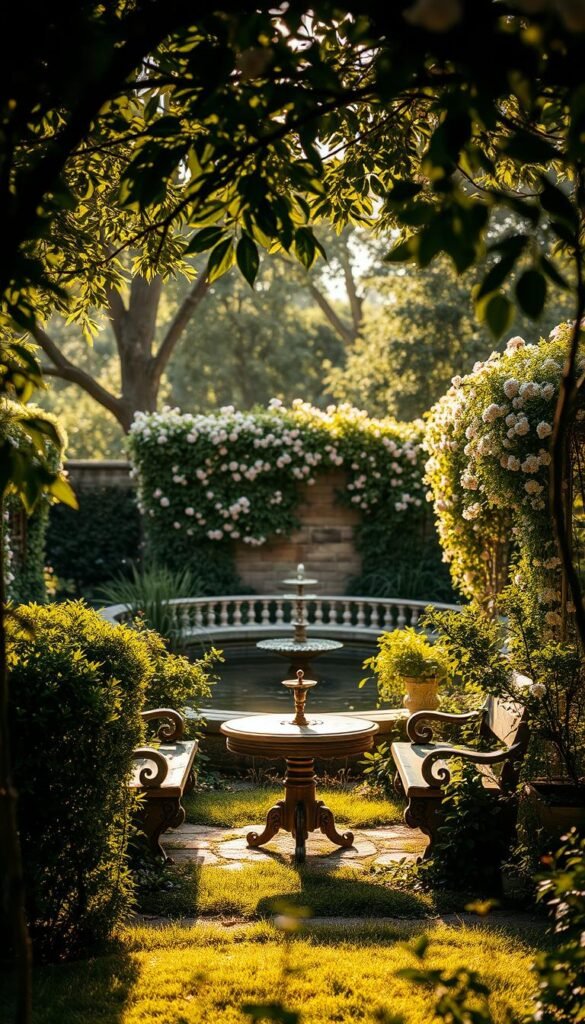
Your outdoor retreat begins with understanding its unique personality. Start by observing how light dances across the ground at different times. Does morning sun fade to afternoon shade? Do walls or fences create wind tunnels? These details shape your garden space’s potential.
Assess Your Area and Lighting Needs
Map sunlight patterns for a week. Use simple tools:
- A notebook to track hourly changes
- Stakes to mark shady zones
- Weather-resistant plants for tricky spots
Seasonal shifts matter. A sunny spring corner might become shadowed by summer foliage. Match greenery to these rhythms—ferns thrive where hydrangeas might struggle.
Select Key Garden Elements for Personalization
What makes your heart sing? Fragrant herbs by seating areas? Year-round color from evergreens? Prioritize features that serve your lifestyle. A cook’s paradise might mix rosemary and pansies, while a reading nook needs rustling ornamental grasses.
Blend beauty and brains. Stone paths handle foot traffic while reflecting heat for warmth-loving plants. Dwarf fruit trees add structure without overcrowding.
Classic Elements for a Quaint Atmosphere
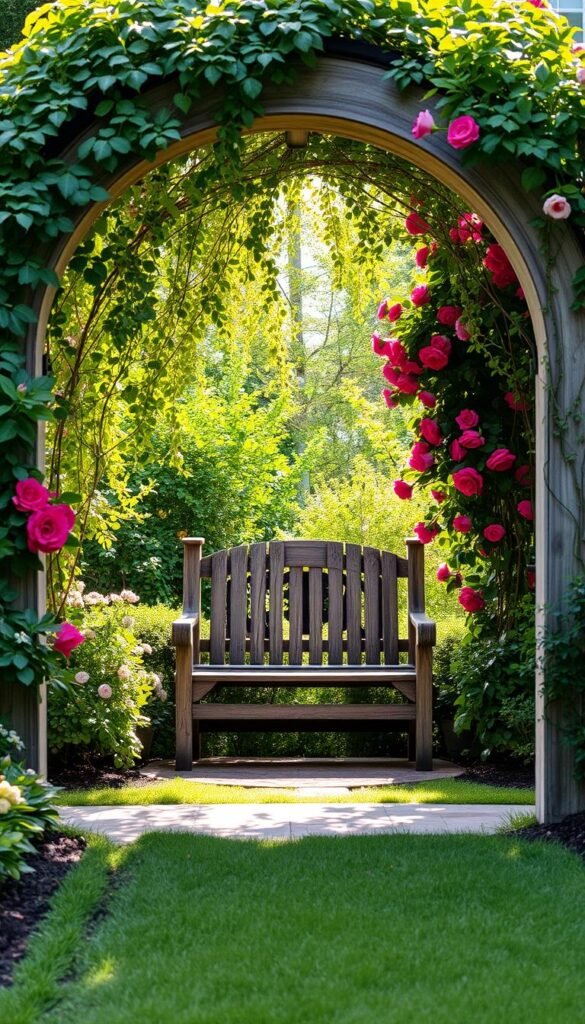
Transform your outdoor nook into a storybook setting with features that whisper timeless appeal. Two elements stand out for their power to elevate both structure and soul: an arbor that reaches skyward and a bench that invites lingering.
Add Height and Vertical Drama
An arbor isn’t just decoration—it’s a living framework. Choose materials like cedar or iron that age gracefully, developing character as vines weave through them. Position it to mark entryways or frame your favorite view, creating natural room dividers in tight layouts.
Train fragrant climbers like jasmine or sweet peas upward. This height draws eyes up, making ceilings feel higher. For small areas, pair with vertical structures that maximize growing space without eating into pathways.
Craft Cozy Seating Moments
Your bench should feel like an old friend—worn-in but welcoming. Place it where dappled light filters through leaves, perhaps under your arbor’s arch. Add weather-resistant cushions in earthy tones for comfort that blends with nature.
This seating spot becomes your front-row seat to blooming hydrangeas or fluttering butterflies. Keep side tables small—a tree stump or stone slab works perfectly for holding lemonade or garden journals.
Creative Pathway Ideas to Connect Your Garden
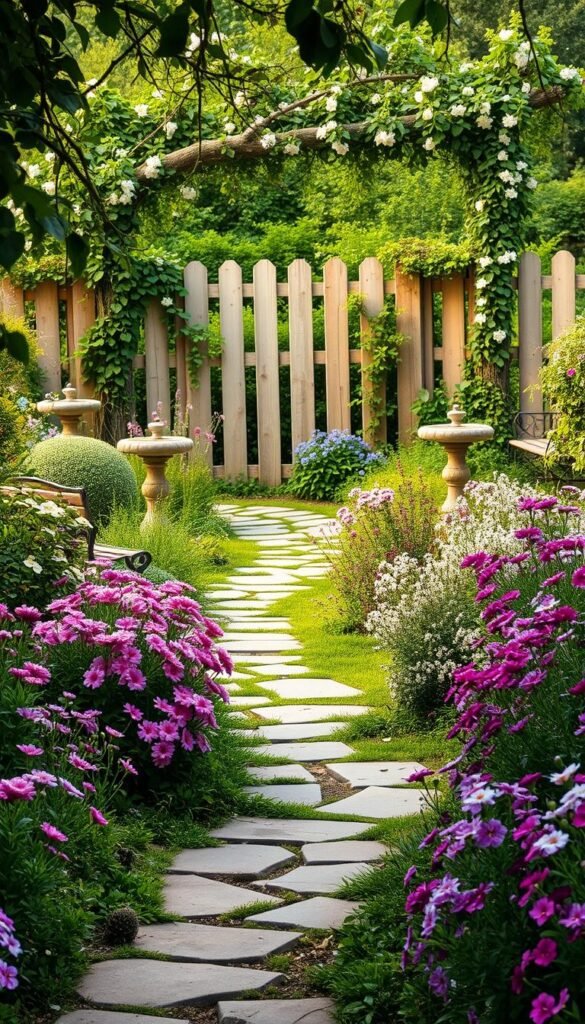
Picture a path that invites exploration, winding through bursts of color and texture like a living ribbon. Your outdoor area gains depth and intrigue when navigation becomes part of the experience. Meandering walkways do more than guide feet—they shape how you interact with every bloom and bird song.
Lay a Meandering Walk with Patinated Bricks
Reclaimed bricks tell stories through their weathered surfaces. You’ll love how their warm hues contrast with emerald foliage, creating instant character underfoot. Arrange them in gentle curves to make your space feel larger, as winding lines trick the eye into seeing expanded boundaries.
Leave gaps between stones for creeping thyme or moss to colonize. These green stitches soften edges and welcome beneficial insects. A width of 24-30 inches keeps walks functional yet intimate—narrow enough to feel cozy but wide enough for two to stroll side by side.
Slope bricks slightly toward planting beds for natural drainage. This simple tilt prevents puddles while directing rainwater to thirsty roots. Connect seating nooks to focal points like bubbling fountains, letting each turn reveal new delights.
“Paths should whisper ‘follow me,’ not shout directions.”
Ready to transform how you move through your garden? Continue reading for ways to blend practicality with whimsy underfoot.
Inviting Natural Water and Wildlife Features
Bring life to your outdoor haven with elements that sing and sparkle. Water features transform static spaces into dynamic ecosystems, offering refreshment for wildlife and relaxation for you. Let’s explore how to blend function and beauty through two essential additions.
Attract Birds with a Charming Birdbath
Nestle a stone birdbath among towering coneflowers or sunflowers. This creates a safe pitstop for sparrows and finches while adding vertical texture. Choose materials like aged granite or textured concrete that complement your garden’s aesthetic while providing rough surfaces for secure perching.
Keep water depth under 2 inches—shallow enough for bathing but deep enough to stay cool. Add flat stones as “islands” for butterflies to sip safely. Position it 5-6 feet from shrubs so birds can scout for predators while drinking.
Create Movement with a Calming Fountain
A trickling fountain does triple duty: masks street noise, hydrates pollinators, and boosts humidity for nearby plants. Opt for tiered designs with wide basins. Bees prefer landing on damp mossy edges rather than open water.
Solar-powered models work well in sunny spots, while recirculating pumps conserve water. For winter interest, choose frost-resistant materials like cast stone. One gardener notes:
“The gentle gurgle makes my morning coffee taste better—like nature’s soundtrack.”
Ready to amplify your space’s magic? Continue reading to discover vertical solutions that stretch your creative potential.
Maximizing Vertical Interest with Arbors and Pergolas
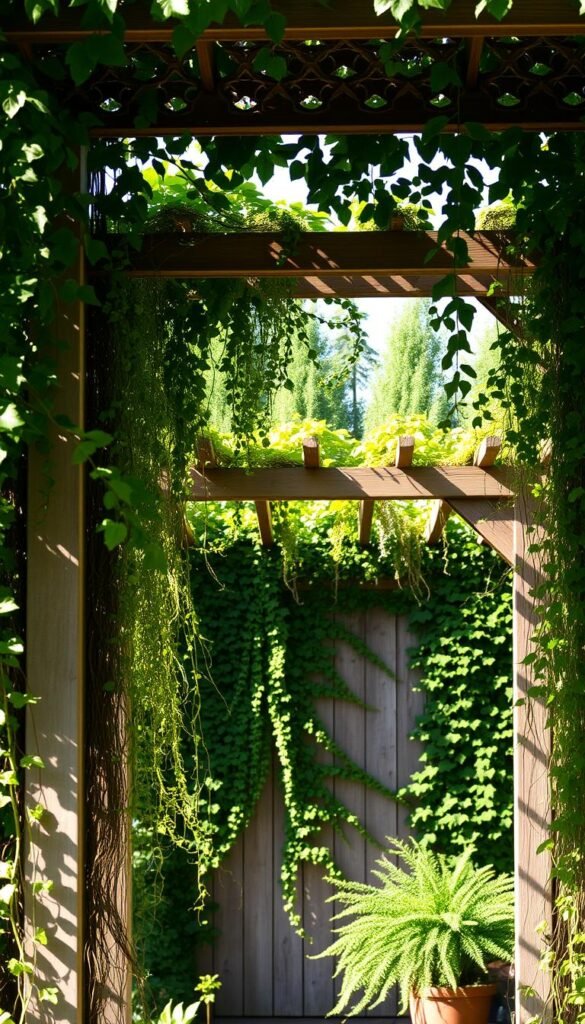
Reach new heights in your outdoor design by looking upward. Vertical elements transform flat layouts into living tapestries, adding depth and drama even in modest areas. A well-placed arbor or pergola becomes both artwork and functional structure, guiding growth while framing views.
Living Architecture with Climbing Stars
Turn arbors into blooming masterpieces with strategic plant choices. Train clematis to twine around beams, pairing early-blooming varieties with late-season stars like climbing hydrangeas. This ensures constant color from spring’s first warmth to autumn’s golden light.
Mix textures for visual intrigue—velvety petunias contrast beautifully with zinnias’ bold petals. As one horticulturist notes:
“Vertical gardens breathe life into walls and walkways, turning support systems into storytelling canvases.”
| Plant | Bloom Period | Support Needs |
|---|---|---|
| Clematis | Spring-Fall | Light trellis |
| Climbing Hydrangea | Summer | Sturdy frame |
| Petunias | All season | Minimal |
| Zinnias | Summer-Fall | Occasional tying |
Pergolas: Your Overhead Oasis
A pergola creates instant height, offering partial shade for reading nooks or dining areas. Choose durable woods like cedar that weather gracefully, and space rafters 12-16 inches apart for optimal rose canes to weave through.
Underplant with foxgloves or container-friendly herbs for layered beauty. This approach maximizes every inch while sheltering delicate plants from harsh sun or wind.
Continue reading to discover how flowering layers and clever containers amplify your vertical vision.
Lush Blooms and Layered Planting Techniques
Transform your outdoor canvas into a living tapestry that buzzes with life. Strategic layering turns flat beds into dimensional wonderlands where every bloom plays a role. Start by choosing plants that dance at different heights—towering spires behind mounding perennials, with creeping gems at their feet.
Grow an Array of Blooms for Vibrant Color
Mix fiery ladybird red poppies with airy masterwort blossoms for contrast that stops traffic. This dynamic duo shows how bold and delicate textures can coexist beautifully. Follow these principles for showstopping results:
- Backdrop giants: Hollyhocks or delphiniums (5-6ft tall)
- Mid-level stars: Peonies or salvias (2-3ft)
- Ground huggers: Sweet alyssum or creeping phlox
Time your blooms like a symphony conductor. Early spring bulbs give way to summer’s zinnias, followed by autumn’s sedum. This ensures nonstop nectar for pollinators while keeping your garden camera-ready. One passionate grower shares:
“Watching bees dive into foxgloves never gets old—it’s nature’s perfect collaboration.”
Balance is key. Pair hot hues with cool tones—try purple catmint beside orange marigolds. For creative gardening ideas that maximize small spaces, let vines climb obelisks among your floral array. Continue reading to discover how containers can amplify your color story.
Container Gardening for Compact Courtyards
Turn your cozy nook into a living mosaic of textures and flavors using portable planters. Containers let you curate a garden that adapts to your space’s quirks—sunny corners, shaded walls, or uneven surfaces become opportunities. Mix terracotta pots with galvanized troughs for rustic charm that complements any patio style.
Keep vigorous herbs like mint and sage in separate pots to protect neighboring plants. This strategy prevents root battles while making harvests easier—snip fresh sprigs without trampling delicate blooms. One gardener shares:
“My rosemary lives in a whiskey barrel, while basil thrives in repurposed tea tins near the grill.”
Rotate containers seasonally for year-round drama. Swap spring pansies for summer’s cherry tomatoes, then transition to ornamental kale as temperatures drop. Use wheeled plant caddies to chase sunlight or create impromptu gathering areas.
Choose containers with drainage holes and layer gravel at the base. Pair moisture-loving ferns with self-watering pots, while succulents thrive in porous clay. This tailored approach lets you grow species that might struggle in your native soil.
Continue reading to discover how rustic gates and textured pathways can elevate your small garden into a multi-sensory escape. Your container arrangements will keep surprising you—one season’s experiment becomes next year’s masterpiece.
: Rustic Accents: Gates, Texture, and Stairways
Let time-worn textures tell your garden’s story. Aged gates and weathered steps become more than functional elements—they’re portals to a space rich with history and natural charm. These features blend seamlessly into your landscape, creating focal points that feel both intentional and effortlessly organic.
Plant Around a Weathered Rustic Gate
A sun-bleached wooden gate becomes a living canvas when framed by climbing roses or fragrant honeysuckle. Layer plants at varying heights: tall hollyhocks behind shrubby lavender, with creeping thyme softening the ground below. This approach balances wild beauty with structure, letting blooms appear spontaneous while staying contained.
Step It Up with Creative Garden Stairs
Turn stone or wooden steps into planting opportunities. Tuck sedum between cracks for pops of color, or let ivy cascade over edges. One gardener shares: “Moss-covered stairs make every ascent feel like entering a secret realm.” Use existing architectural features as guides—nature’s artistry shines when paired with human craftsmanship.
For more inspiration on blending rustic elements into small areas, explore these weathered wooden gate ideas. Remember, your outdoor retreat grows more captivating when every detail whispers tales of time and growth. Continue exploring ways to harmonize raw textures with vibrant life.