
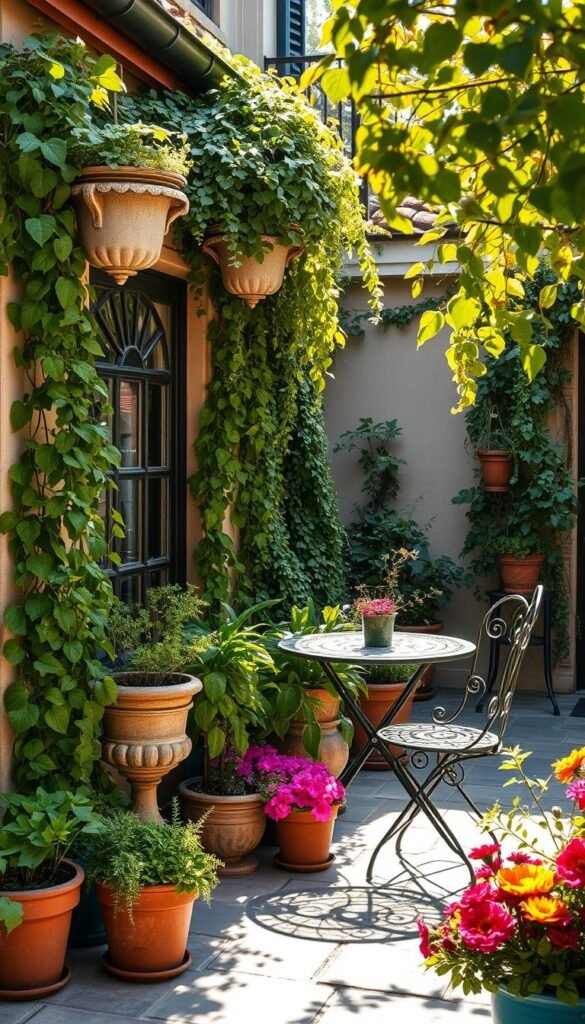
Imagine stepping into a space where time slows down, and nature’s beauty wraps around you like a warm embrace. This is the magic of a cottage-inspired outdoor retreat, born from centuries-old traditions where practicality met charm. Originally crafted by English families, these spaces blended flowers, herbs, and crops into a tapestry of color and texture—a style that’s now accessible to everyone, no matter your square footage.
You don’t need sprawling land to capture that romantic, wildflower aesthetic. Even a tiny balcony or paved area can bloom into a sanctuary. By focusing on versatile containers and vertical growth, you’ll create layers of interest without overwhelming your space. Think weathered pots overflowing with lavender or lattice panels supporting sweet pea vines—details that whisper “rustic elegance.”
What makes this approach special? It’s adaptable. Renters can cultivate their oasis in movable planters, while homeowners add character to patios or pathways. For inspiration, explore how to craft a cottage container garden with a bench and, blending function and whimsy. The result? A living escape where you’ll unwind, recharge, and reconnect with nature’s simple joys.
Starting Your Cottage Garden Patio Journey
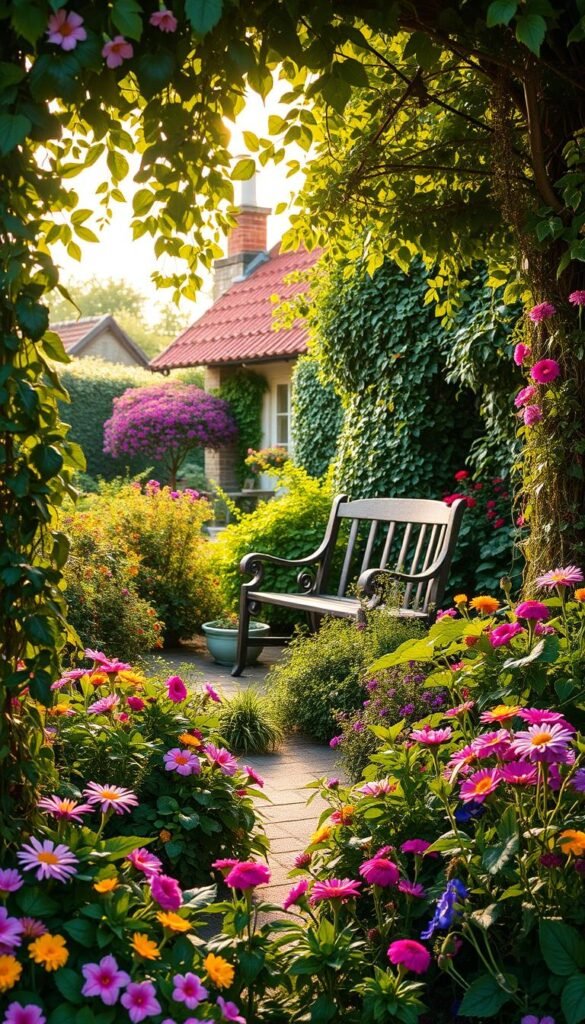
Visualize an outdoor haven that feels both timeless and effortlessly charming, as if nature designed it herself. This style thrives on imperfection—think tangled blooms spilling over weathered stone and pathways that beckon exploration. At its heart, it’s about celebrating growth in all its wild, unscripted glory.
Understanding the Cottage Garden Aesthetic
Forget rigid rows and perfect symmetry. Traditional designs prioritize dense, layered arrangements where plants grow shoulder-to-shoulder. This approach creates a lush tapestry that evolves with the seasons. As one horticulturist notes: “It’s not about controlling nature, but collaborating with it.”
Key principles to remember:
- Mix heights and textures (feathery ferns beside spiky lavender)
- Let perennials like coneflowers and daisies form your garden’s backbone
- Allow self-seeding plants to wander freely between containers
Defining Your Outdoor Space
Even compact areas can channel rustic charm. Start by mapping natural flow points—where sunlight lingers or breezes dance. Use curved borders to soften edges and create hidden nooks. A winding gravel path or stacked stone edge adds instant character.
Pro tip: Incorporate vertical elements early. A vintage ladder against a wall or hanging baskets doubles your planting real estate. Focus on drought-tolerant natives like sedum or sage to keep maintenance low while supporting local ecosystems.
Exploring the Perfect Containers for Your Garden
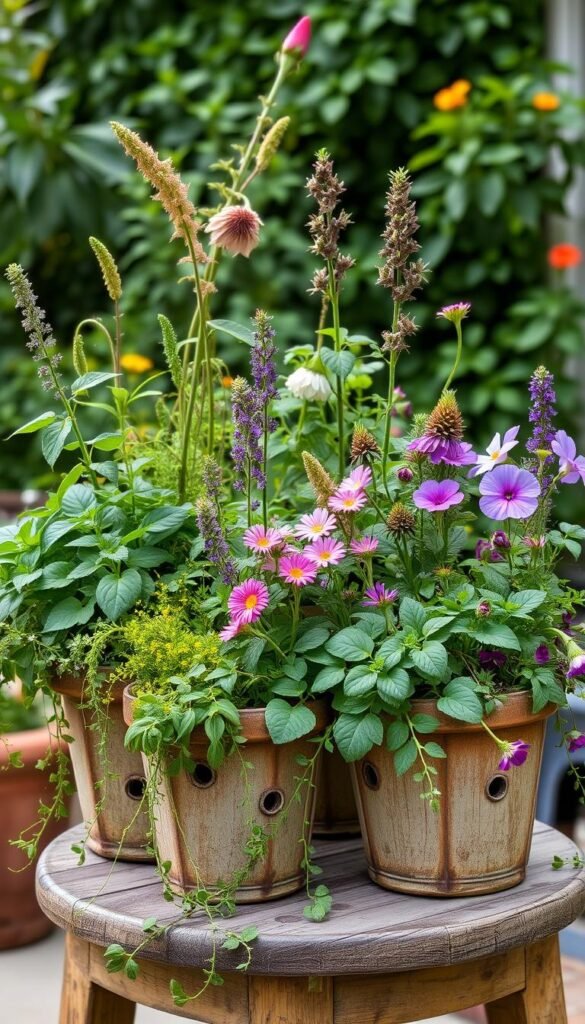
Your plant’s home matters as much as the soil it grows in. The right vessels become living sculptures while supporting healthy roots and blooms. Let’s dig into what makes certain pots shine in both form and function.
Choosing Materials and Size for Optimal Growth
Bigger is often better when selecting containers. Aim for pots at least 12 inches deep and wide—this gives roots room to stretch and helps soil stay moist longer. Smaller sizes dry out faster, especially in sunny spots.
Material choices shape your garden’s look and care routine. Classic terra cotta offers timeless appeal but needs daily watering in summer. Lightweight resin or fiberglass works wonders for rearranging plants seasonally. For a rustic vibe, try weathered ceramic or wooden boxes with metal accents.
Ensuring Proper Drainage and Care
Those drainage holes at the bottom? Non-negotiable. They prevent waterlogged soil that suffocates roots. If your favorite pot lacks them, drill three quarter-inch openings yourself.
Mix perlite or coarse sand into potting soil for extra drainage power. Terra cotta lovers: set a weekly watering reminder during heat waves. Pair breathable materials with moisture-loving plants like ferns or begonias for low-stress success.
Remember—combining smart size choices, durable materials, and drainage tweaks lets your green friends thrive for years. Now go find those perfect pots!
Cottage Garden Patio Ideas: Using Containers, Climbing Vines, and Potted Herbs
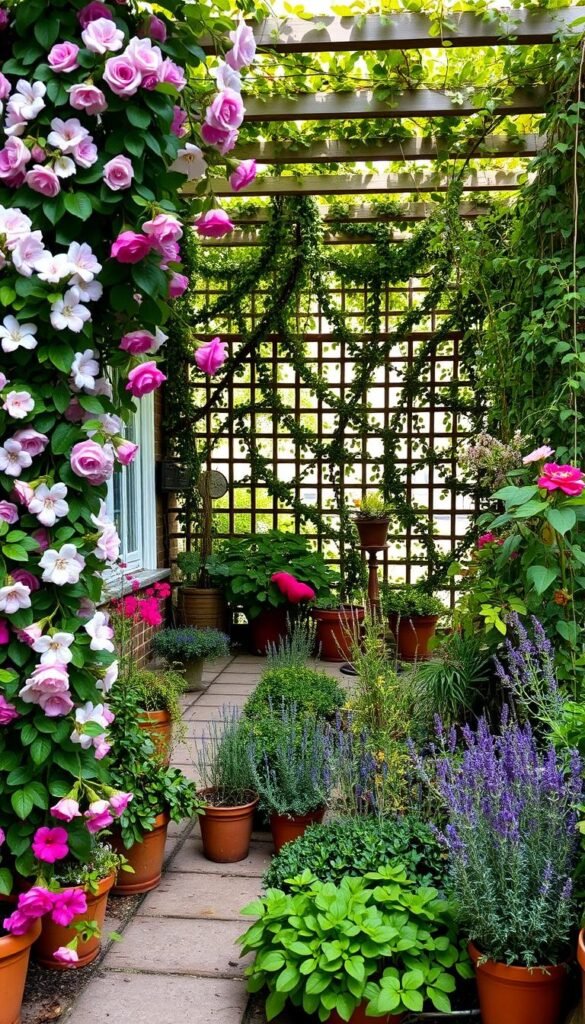
Transform your outdoor space into a living masterpiece that marries beauty with purpose. Strategic design choices turn ordinary arrangements into multi-sensory experiences where every element serves a dual role.
Integrating Decorative and Functional Elements
Pair showstopping flowers with practical herbs for containers that dazzle while delivering fresh flavors. Majorette hollyhocks add height beside fragrant sage, while dahlias mingle with purple basil for striking contrasts. This approach turns your patio into both an art gallery and a spice rack.
Highlighting Seasonal Planting Benefits
Keep your space vibrant year-round with staggered bloom times. Early spring brings lavender’s first whispers, while summer explodes with dahlia fireworks. Autumn sees sage and basil thrive until frost. A well-planned rotation means something’s always putting on a show.
| Plant | Season | Function |
|---|---|---|
| Munstead Lavender | Spring-Fall | Aromatic, pollinator-friendly |
| Dark Opal Basil | Summer | Culinary, burgundy foliage |
| Double Champagne Hollyhock | Late Spring | Vertical interest, cottage charm |
| Dahlia Tuber Vancouver | Mid-Summer | Cut flowers, color saturation |
Starting from seeds saves money and unlocks rare varieties. Lemon balm and chocolate mint add fragrance between bloom cycles. When every plant pulls double duty, your space becomes richer in both form and function.
Incorporating Climbing Vines for Vertical Charm
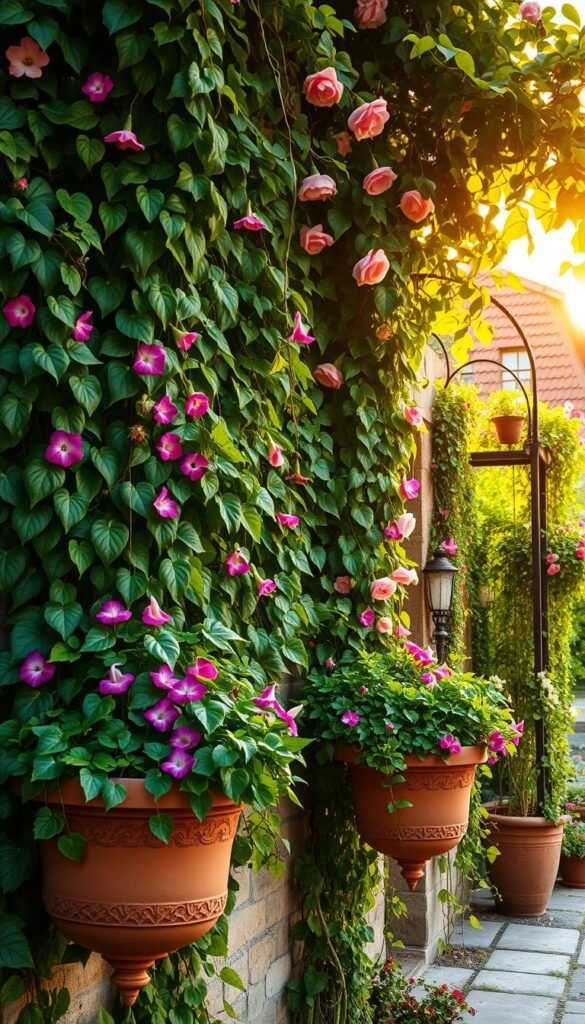
Don’t let limited ground space limit your creativity—look upward! Vertical growth adds drama and depth while keeping pathways clear. A well-placed trellis dripping with blooms turns blank walls or fence lines into living art. Climbing plants create natural privacy screens and soften harsh structures, blending your patio seamlessly with nature.
Top Picks for Rapid Coverage
Fast-growing annuals like morning glory or black-eyed Susan vine deliver quick results, with blooms appearing in 6-8 weeks. For year-round structure, try evergreen clematis or star jasmine. Pro tip: Combine both types! Plant perennial vines as anchors and tuck annuals between them for seasonal pops of color.
Building Sturdy Foundations
Your support system needs to handle weight and weather. Use these strategies:
- Anchor freestanding obelisks in large pots with gravel bases
- Secure wall-mounted trellises using rust-proof brackets
- Train flexible stems through lattice gaps using soft plant ties
As master gardener Laura Burchfield advises: “Let vines dance—guide rather than force their growth.” Gentle weekly adjustments help plants find their path upward. Soon, you’ll have cascading curtains of green that make every inch of your space sing.
Infusing Potted Herbs for Freshness and Flavor
Nothing elevates a meal like plucking fragrant leaves moments before cooking. Growing herbs in pots brings gourmet ingredients to your fingertips while adding lush greenery to your space. With smart choices, you’ll create a living spice rack that thrives with minimal effort.
Start with varieties that work overtime. Chives deliver oniony zing to dishes while producing cheerful purple blooms. Their grass-like foliage rebounds quickly after harvesting, making them ideal for frequent use. For year-round structure, broad-leaved sage withstands chilly nights and adds earthy depth to roasted vegetables.
Herb Selection and Easy Care Tips
Prioritize plants that serve dual purposes. Dark Opal Basil steals the show with jewel-toned leaves perfect for garnishes or pesto. Its striking color contrasts beautifully with silvery-green herbs like lemon balm—a citrusy cousin of mint that stays well-behaved in confined spaces.
Keep maintenance simple:
- Snip leaves from the top to encourage bushier growth
- Water when the top inch of soil feels dry
- Rotate pots weekly for even sun exposure
These resilient plants reward casual care with continuous harvests. As urban gardener Tina Lee observes: “Herbs want to survive—they’ll thrive if you just avoid overthinking.” Pair them with decorative flowers in mixed containers for arrangements that nourish both body and soul.
Mastering Planting Techniques for Container Gardens

Think of your container garden as a living painting—each plant’s placement adds depth and drama to your outdoor canvas. Whether you’re working with a single large pot or a cluster of smaller ones, smart techniques ensure your green friends flourish while creating eye-catching displays.
Layering Plants for Depth and Visual Interest
Start by arranging taller specimens like delphiniums or foxgloves at the back of your containers. These vertical stars create a lush backdrop. Mid-sized plants like lavender or echinacea fill the middle layer, adding texture and color. Finish with trailing varieties such as creeping phlox along the edges—their cascading stems soften container edges beautifully.
Effective Soil, Mulch, and Watering Strategies
Your soil mix is the secret sauce for thriving plants. Choose a high-quality potting blend enriched with compost for nutrients. Avoid mixes heavy in peat moss—they compact over time and repel water. Pro tip: Boost drainage by adding perlite or coarse sand (about 25% of your mix).
Apply a thin layer of organic mulch like shredded bark to lock in moisture and suppress weeds. Water deeply when the top inch of soil feels dry—small pots may need daily attention in summer, while larger ones stay hydrated longer. For colorful combinations that thrive, match your watering routine to each plant’s needs.
Seasonal Care and Maintenance for Your Garden Patio
Keep your outdoor retreat thriving through every season with smart care strategies. Regular attention ensures lush growth and protects your green investments year after year.
Watering, Feeding, and Fertilizing Routines
Containers dry out faster than in-ground beds, especially during summer heat. Check soil moisture daily by pressing a finger into the top inch—water deeply if it feels dry. Early mornings are ideal to reduce evaporation.
Boost growth with weekly feedings of organic liquid fertilizer. As horticulturist Mara Linwood advises: “Think of fertilizer as vitamins, not meals—consistent small doses work best.” Pair this routine with proper container selection to maintain healthy roots.
Tips on Pruning and Overwintering Your Plants
When frost threatens, prioritize cold-hardy perennials. Choose varieties rated for zones two levels below yours—zone 6 plants survive best in zone 8 winters. Move pots to sheltered spots like garages or under eaves.
- Wrap vulnerable containers in burlap or bubble wrap
- Apply 3-inch mulch layers using straw or shredded leaves
- Prune spent blooms in late fall to redirect energy to roots
Through winter, water sparingly every 3-4 weeks if soil isn’t frozen. Come spring, your plants will reward this care with vigorous new growth.
Cultivating a Cohesive Cottage Garden Aesthetic
The true magic happens when every piece tells a story. By blending colors, textures, and timeworn accents, your space becomes a living scrapbook of rustic charm. It’s not about perfection—it’s about creating harmony between nature and nostalgia.
Curating Layers of Character
Start with vintage containers that whisper history. Aged terracotta pots with mossy patinas or galvanized tubs add instant soul. Pair these with repurposed treasures like tin-can herb planters or ladder shelves displaying cascading blooms. The goal? A look that feels collected, not staged.
Mix soft pastels with bold jewel tones for that signature cottage garden effortless elegance. Let feathery ferns spill over spiky lavender, and let climbing roses tumble beside aromatic thyme. This wild-yet-balanced approach mirrors nature’s own artistry.
Don’t forget the finishing touches! Solar-powered fairy lights woven through trellises cast a warm glow at dusk. Weathered signs or hand-painted markers add whimsy while guiding the eye. For small spaces, vertical gardening techniques let you layer textures without clutter.
Your outdoor haven should reflect your journey. Maybe it’s a heirloom bench draped in ivy or a birdbath turned succulent planter. These personal touches transform a pretty arrangement into a space that feels uniquely yours—a place where memories grow as freely as the flowers.