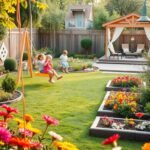
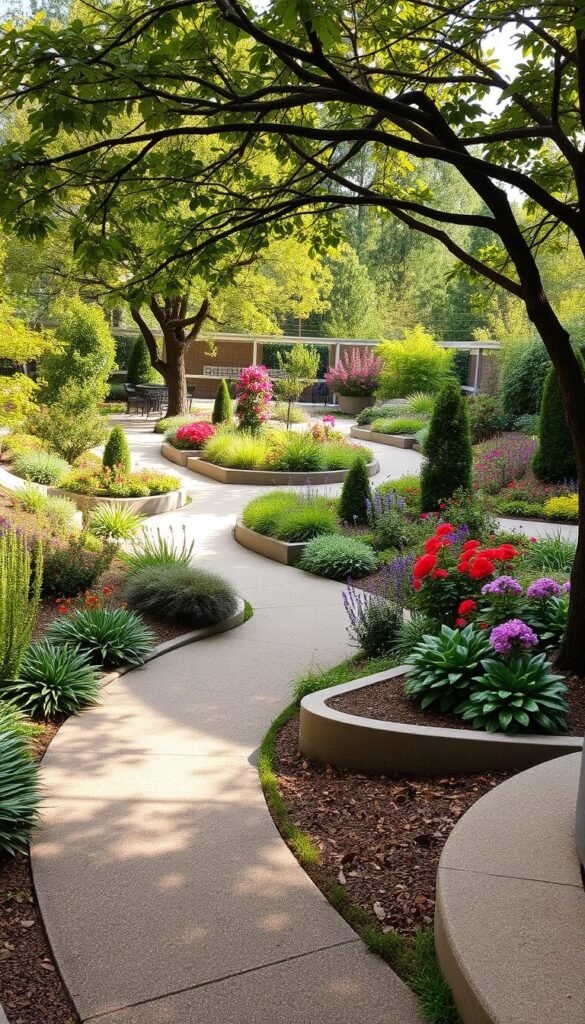
Did you know over 1 billion people worldwide live with disabilities? As communities prepare for an aging population boom, there’s never been a better time to rethink how we shape shared environments. Unlike fixed buildings, flexible green areas offer unique opportunities to blend practicality with natural beauty.
Thoughtful layouts ensure everyone can enjoy fresh air and greenery comfortably. Wide pathways, raised planters, and sensory elements aren’t just checkboxes for compliance – they create richer experiences for visitors of all mobility levels. These features also future-proof your property as needs evolve.
You might wonder: does prioritizing function mean sacrificing style? Absolutely not. Clever solutions like textured walking surfaces or shaded seating areas often become focal points that boost curb appeal. Research shows well-planned areas can increase property values by up to 20% while fostering community connections.
This guide will show you how to craft inviting natural retreats that serve grandparents, toddlers, and everyone between. We’ll break down essential principles for multi-generational enjoyment and share why adaptable layouts matter more than ever. Get ready to transform any yard into a space where all feel welcome.
Understanding the Importance of Accessible Garden Design
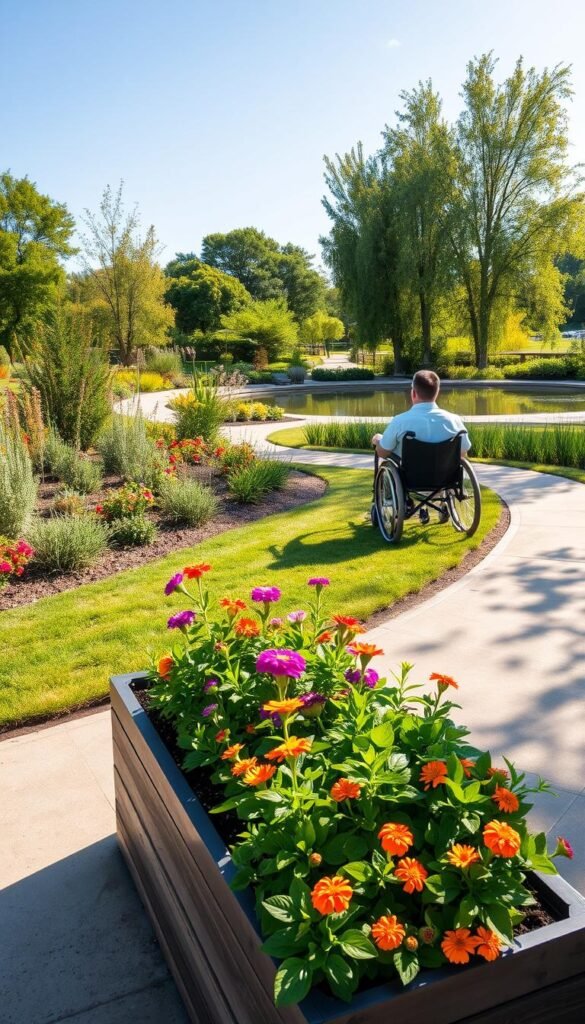
Imagine stepping into a space where every element works to uplift both body and mind. Accessible green areas do more than accommodate wheelchairs – they unlock nature’s healing potential for everyone. Science confirms that interacting with plants reduces stress hormones while boosting mood-enhancing chemicals in the brain.
Benefits for All Abilities
Gardening acts like a natural therapist. Studies show it lowers cortisol by 14% in just 30 minutes, helping people manage anxiety. Raised beds and vertical planters let individuals with limited mobility dig into soil therapy without strain. Even simple tasks like watering herbs strengthen muscles and improve coordination.
Planning a garden layout sharpens problem-solving skills, while fragrant blooms trigger happy memories. Shared plots become social hubs where neighbors swap tips and stories. One community project saw loneliness rates drop 40% after adding accessible seating areas among flower beds.
Enhancing Safety and Well-Being
Non-slip paths and rounded edges prevent accidents, letting visitors focus on relaxation instead of risks. Proper lighting ensures evening strolls feel secure, while shaded benches offer cool respites during summer heat. These thoughtful touches create spaces where people recharge mentally and physically.
For those navigating disabilities, successful plant care builds confidence. As one gardener shared: “Growing my first tomato taught me I’m still capable of nurturing life.” That pride ripples outward, strengthening community bonds through shared achievements in nature’s classroom.
Planning Your Inclusive Outdoor Space: Layout and Pathways
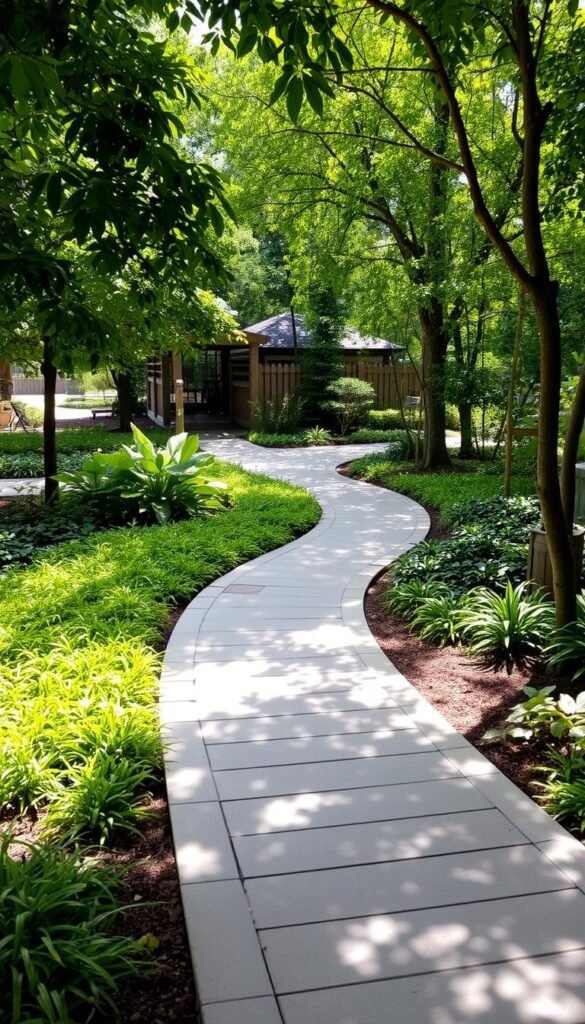
What transforms a beautiful yard into a welcoming haven for all? The answer lies in smart circulation planning that prioritizes both flow and safety. Let’s explore how to build pathways that feel intuitive while supporting diverse needs.
Designing Smooth, Wide Pathways
Width matters more than you might think. Experts suggest 5-foot-wide paths – enough for two wheelchairs to pass comfortably. For tighter areas, keep routes at least 1.2 meters (4 feet) wide. Sloped surfaces beat stairs every time, with gradients under 5% making hills feel effortless.
Choose materials that balance durability and comfort. Textured concrete or asphalt provides stable surfaces, while pavers offer natural charm. One landscaper notes: “Ribbed rubber pavers reduce slips by 30% compared to smooth stone.” Avoid loose gravel – it’s tricky for walkers and wheels alike.
Ensuring Clear Navigation and Safety
Lighting transforms night-time usability. Install fixtures every 10-15 feet along paths, using warm 3000K LEDs to minimize glare. Contrasting edge strips help visually impaired users stay centered on the route.
Don’t forget resting spots! Circular areas with 1.5-meter diameters let people turn comfortably. Add benches near fragrant plants or unique ways to decorate your outdoor – these pauses become favorite gathering points.
Remember: Good design feels invisible. When pathways work seamlessly, everyone enjoys the greenery without thinking about the “how.”
Creating Accessible Garden Designs for Inclusive Outdoor Spaces
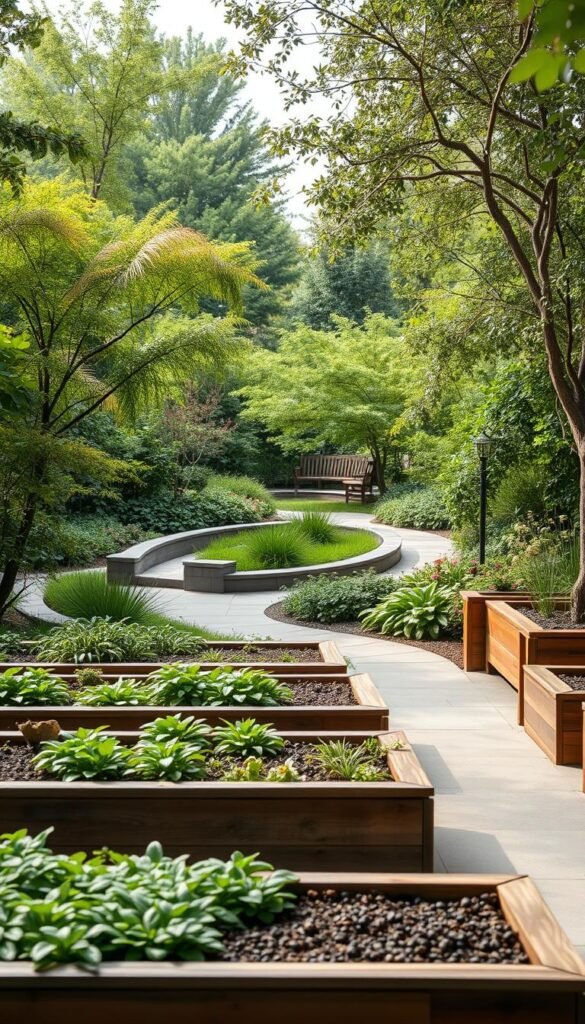
Transforming uneven landscapes into welcoming retreats requires smart solutions that blend form and function. Let’s explore how professionals turn tricky terrain into spaces where everyone thrives.
Adaptive Design Techniques
David Godshall’s spiraling granite pathway in Sonoma proves slopes can become assets. His 5:1 gradient design lets wheelchairs ascend hills comfortably while creating visual interest. This approach shows how working with natural contours beats bulldozing challenges.
| Challenge | Solution | Benefit |
|---|---|---|
| Steep slopes | Switchback paths | Reduces effort by 60% |
| Uneven ground | Contoured planters | Creates level gardening surfaces |
| Limited space | Vertical herb walls | Brings plants to eye level |
Integrating Universal Appeal
Melody Stein reminds us: “One size fits none in accessible design.” A space might need both braille plant labels for visually impaired visitors and quiet zones for neurodivergent guests. Textured edging along paths serves dual purposes – guiding white canes while adding decorative flair.
Choose materials that feel intentional rather than clinical. A bench with armrests helps those with mobility needs rise safely, while its sleek stone finish pleases design-focused eyes. When features serve multiple groups, your space becomes naturally inclusive without shouting “accessibility feature.”
Adapting Garden Features for Diverse Mobility Needs
What if every corner of your garden could welcome visitors of all physical abilities? Smart modifications turn potential obstacles into opportunities for connection. Start by mapping out 1.5-meter diameter turning spaces near seating zones and pathway intersections – these let wheelchair users navigate freely without feeling trapped.
Ramps and Support Systems
Gentle slopes beat stairs every time. Keep ramp gradients under 5% and pair them with textured surfaces for better traction. One landscaper notes: “Properly angled ramps can reduce exertion by 40% for those pushing manual chairs.” Add handrails along inclines and near water features – they’re lifesavers for walker users and anyone needing balance support.
Existing structures need thoughtful tweaks. Widen pergola entrances to 36 inches minimum, and replace gravel around arbors with firm paving stones. These changes help individuals with limited mobility enjoy shaded areas without tripping hazards.
Three key upgrades make spaces truly inclusive:
- Install grab bars near elevated planters for stability during gardening
- Create clear 32-inch pathways between raised beds and seating
- Use contrasting colors on path edges for better visibility
Remember, great design serves everyone quietly. As shown in this accessible garden design guide, subtle adjustments can transform how people experience nature. Your space becomes not just usable, but joyfully discoverable.
Incorporating Sensory and Environmental Elements

Have you ever noticed how certain scents instantly transport you to another time? Strategic plant placement can turn your space into a memory lane for visitors. Landscape designer Rosheen Styczinski suggests positioning flowering lilacs or jasmine near seating areas – their perfume becomes both a navigation aid and mood booster.
Enhancing Sensory Experiences Through Plant Selection
Choose greenery that engages multiple senses simultaneously. Fuzzy lamb’s ear leaves invite touch, while snapdragons’ crunching seed pods create sound. Vibrant red bee balm attracts hummingbirds, offering visual drama for those with limited mobility. Consider this sensory plant matrix:
| Sense | Plant | Benefit |
|---|---|---|
| Touch | Silver mound artemisia | Soft texture stimulates tactile response |
| Smell | Chocolate cosmos | Familiar scents aid orientation |
| Sight | Rainbow chard | High contrast helps low vision |
Utilizing Lighting and Shade for Comfort
Dappled sunlight through honey locust trees creates natural patterns that guide movement. Install 2700K LED path lights – their warm glow reduces eye strain better than harsh daylight bulbs. For shaded zones, position pergolas near building exits to protect light-sensitive eyes from sudden glare.
Water features add calming white noise, but place them thoughtfully. A small tabletop fountain lets wheelchair users enjoy the sound without stretching. As Styczinski notes: “Sensory design isn’t about overwhelming – it’s creating layers of gentle stimulation.”
Selecting the Right Plants and Materials for Low-Maintenance Gardening
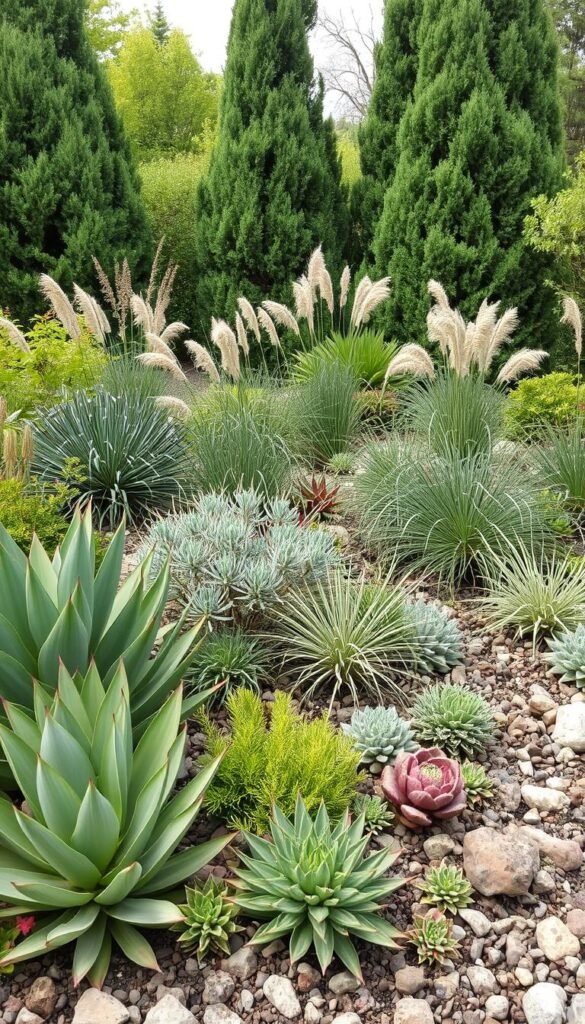
Smart plant choices turn upkeep from a chore into a breeze. Focus on varieties that thrive with minimal watering or pruning – your future self will thank you during summer heatwaves. Drought-tolerant stars like lavender and sedum save 30% on water bills while keeping maintenance manageable.
Choosing Easy-Care, Drought-Tolerant Varieties
Start with edible multitaskers. Cherry tomatoes and basil thrive in containers, offering fresh flavors without demanding daily attention. Native plants like purple coneflower adapt to local rainfall patterns, cutting watering needs by half compared to non-native species.
Consider these low-effort favorites:
- Lamb’s ear: Soft foliage resists pests and needs no deadheading
- Russian sage: Silver leaves reflect heat while attracting pollinators
- Succulent gardens: Mix textures in shallow pots for wheelchair-friendly displays
For pathways, decomposed granite stays firm under wheels yet allows drainage. One landscaper notes: “It requires 80% less maintenance than traditional mulch beds.” Pair with cedar raised beds – their natural rot resistance lasts 15+ years without chemical treatments.
Explore container gardening options using lightweight fiberstone pots. Their movable designs let you rearrange greenscapes effortlessly. Group moisture-loving herbs in self-watering planters to reduce daily care routines.
Innovative Solutions: Raised Beds, Vertical Gardens, and Adaptive Structures
Gardens grow smarter when we rethink traditional layouts. Elevated planting systems and vertical arrangements let everyone engage with nature comfortably. These solutions prove functional design can be beautiful while serving diverse physical needs.
Why Height Matters in Planting Areas
Raised beds at 24-30 inches high remove the need for bending or kneeling. This range works well for wheelchair users and those with joint pain. Tabletop versions take it further – imagine tending herbs at chest height while seated!
For clear navigation, leave 36-inch gaps between beds. This allows smooth wheelchair turns and walker access. Durable cedar frames paired with self-watering inserts make maintenance effortless. Check our step-by-step raised bed construction guide for budget-friendly ideas.
Maximizing Vertical Potential
Walls and fences become productive spaces with clever planters. Try these space-saving options:
| Type | Features | Best For |
|---|---|---|
| Pocket trellises | Strawberries or trailing flowers | Small patios |
| Hanging baskets | Rotating for even sun exposure | Herb gardens |
| Wall planters | Modular plastic or felt systems | Urban balconies |
Adaptive tools complete the picture. Ergonomic trowels with curved handles reduce wrist strain. Long-reach pruners help manage tall vines without stretching. Pair these with lightweight containers that slide easily along railings.
Remember: Good design grows with you. Start small with a single raised bed, then expand as confidence blooms. Your space will reward you with fresh flavors and joyful moments, all within easy reach.
Practical Tips for Ongoing Accessible Garden Maintenance
Keeping your outdoor space welcoming requires smart upkeep that works for everyone. Simple adjustments to tools and routines ensure gardeners of all abilities enjoy their plots year-round. Let’s explore how to maintain beauty and safety without burnout.
Smart Tools and Safety Routines
Lightweight, ergonomic tools change the game. Try pruners with rotating handles or extendable arms that minimize bending. For watering, drip systems cut effort by 70% compared to hauling hoses. Pair these with self-watering pots from your container gardening setup for fuss-free hydration.
Benches with dual armrests aren’t just comfy – they’re essential for stability. The ASLA recommends placing them every 15-20 feet along paths. Weekly checks keep areas safe: smooth uneven pavers, tighten loose railings, and clear debris from walkways.
Organize supplies in labeled bins at waist height. Color-coded tools help those with vision challenges work independently. Break tasks into 20-minute sessions to avoid fatigue. When communities share maintenance duties, everyone reaps the rewards of a thriving, inclusive space.