
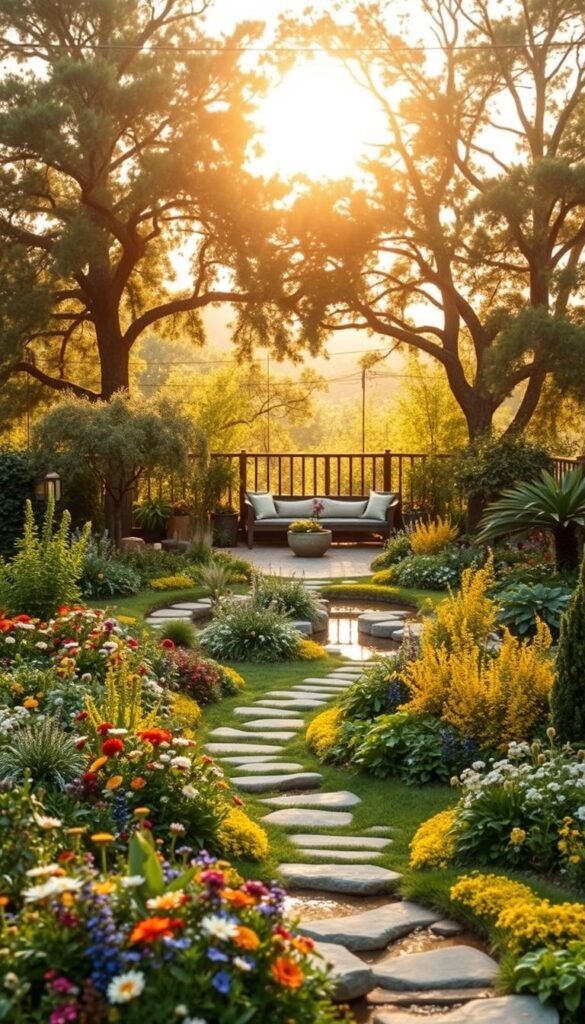
When Amy Roberts started planting flowers in Villaleigh, New Zealand, she never imagined her hobby would become a lifeline. After her son’s 2014 cancer diagnosis, tending plants became her daily ritual. Watching seedlings push through soil mirrored her own resilience, while blooming flowers whispered hope during chemotherapy days.
This story reveals a universal truth: carefully planned outdoor areas do more than beautify yards. They become living prescriptions for mental renewal. Modern research confirms what gardeners instinctively know – interacting with soil microbes lifts moods, while rhythmic pruning motions calm racing thoughts.
You don’t need vast acreage to craft your sanctuary. A balcony herb box or backyard nook works magic when shaped with purpose. Start by observing where sunlight dances through leaves or where birds pause to drink. These natural patterns guide effective layouts better than any textbook diagram.
The secret lies in harmonizing human needs with ecological rhythms. Maybe you’ll position a bench where morning light filters through maple leaves. Perhaps wind chimes will transform breezes into melodies. Every choice becomes a conversation between your wellness goals and nature’s wisdom.
Such spaces evolve organically, just like Amy’s three-acre refuge. Her initial petunias now mingle with shrubs and perennials, creating layered beauty that shifts with seasons. Your version might feature fragrant lavender for stress relief or sturdy succulents symbolizing endurance. What matters is crafting an environment that speaks directly to your healing journey.
Understanding the Therapeutic Benefits of Garden Design
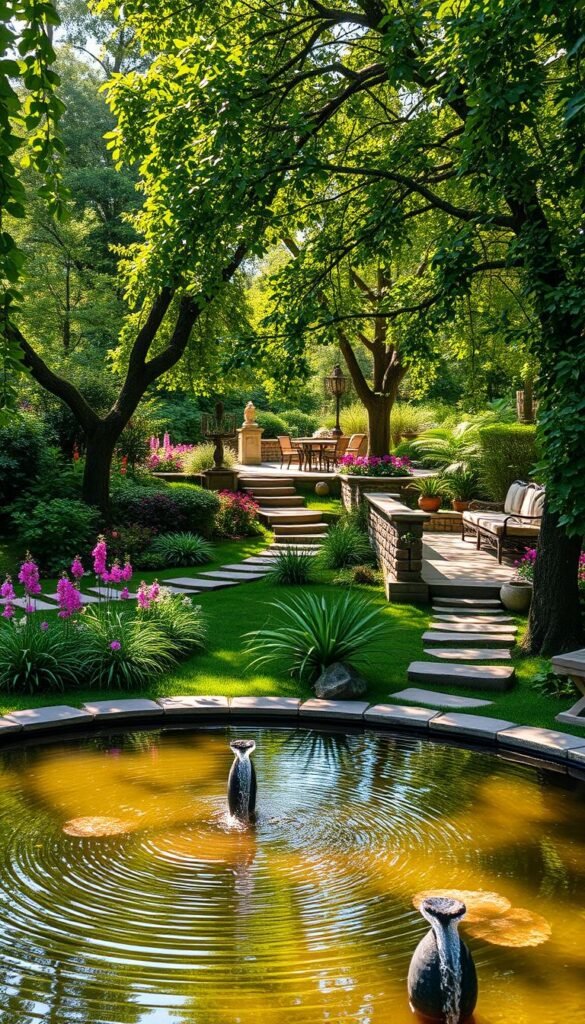
Did you know 20 minutes of gardening can lower cortisol levels by 15%? Research from Harvard University shows how green spaces act as natural stress relievers, offering both mental and physical benefits that ripple through daily life. Let’s explore how intentional outdoor design supports whole-body wellness.
Mental and Physical Wellness Through Nature
Digging into soil does more than grow plants – it grows resilience. Studies reveal regular gardening activities strengthen hands and hearts, burning up to 330 calories per hour. Morning sunlight boosts Vitamin D, while evening pruning sessions become moving meditations that quiet racing thoughts.
Your body thrives through simple actions – planting bulbs strengthens muscles, watering cans become light weights, and weeding improves flexibility. These natural workouts come with bonus rewards: homegrown veggies encourage healthier eating, and fragrant blooms trigger feel-good brain chemicals.
Discovering the Healing Power of Plants and Water
Leaves whisper secrets as wind rustles through lavender. A small fountain’s babble masks urban noise, creating an oasis where stress dissolves like sugar in tea. Research shows water sounds lower blood pressure faster than silence, making water features essential for modern sanctuaries.
Touch fuzzy lamb’s ear leaves. Snip rosemary for tonight’s dinner. Watch bees dance between coneflowers. Each sensory interaction builds neural pathways that enhance focus and joy. As you nurture living things, you cultivate your own capacity for growth – proof that healing blooms where care takes root.
Essential Elements of a Healing Garden
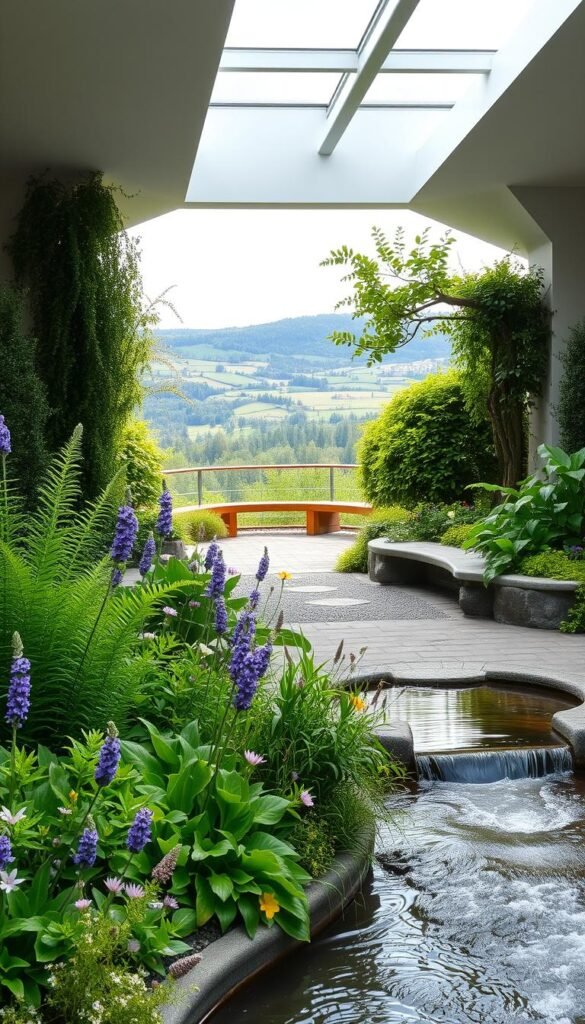
Mark Dwyer’s 3-acre Edgerton Hospital project proves thoughtful design transforms ordinary yards into restorative escapes. His Wisconsin sanctuary blends practical elements like winding gravel trails with bubbling stone fountains – a blueprint for crafting spaces that comfort both body and mind.
Incorporating Soothing Water Features and Pathways
Gentle water sounds work like nature’s white noise machine. A small water feature – even a ceramic bowl with floating petals – masks traffic hum while inviting dragonflies to dance. Pair moving water with curved pathways made of crushed stone or smooth pavers. These textured trails guide visitors naturally, creating rhythm in every step.
Accessible surfaces matter. Smooth flagstones prevent tripping, while slightly raised edges help those using mobility aids. “Paths should whisper ‘come explore’,” says Dwyer, whose designs include resting spots every 30 feet. Add interactive elements like herb spirals or touch-friendly plants along walkways to deepen engagement.
Selecting Fragrant, Colorful Plants for Sensory Engagement
Choose plants that dazzle multiple senses. Position chocolate-scented cosmos near benches and velvety sage where sleeves brush leaves. For year-round colors, mix early bloomers like crocuses with autumn stars like goldenrod. This approach mirrors the cottagecore aesthetic, where biodiversity creates ever-changing beauty.
Raised beds bring textures closer – rub mint between fingers as you pass. Cluster purple coneflowers with orange poppies for vibrant contrasts that lift moods. Remember: variety sustains interest. Winterberry holly’s crimson berries or ornamental grasses’ rustling seed heads keep the scene lively when snow falls.
Designing Your Outdoor Retreat with Natural Materials
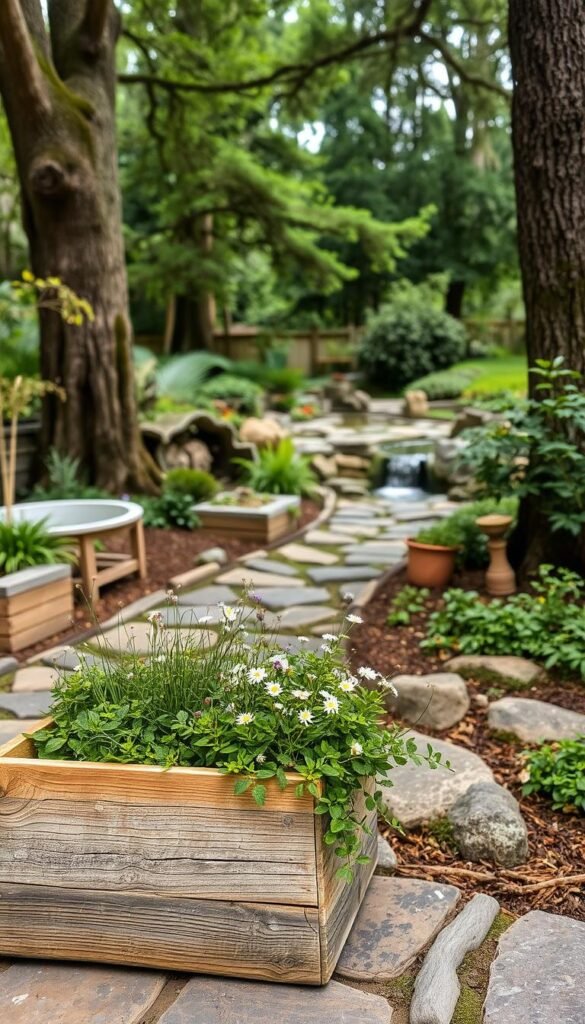
Your choice of materials sets the foundation for a space that feels rooted in its environment. Earthy elements like weathered stone and reclaimed wood blur boundaries between crafted design and wild landscape, creating visual harmony that soothes the mind.
Utilizing Earth Tones and Natural Textures
Warm terracotta pots and slate stepping stones anchor your space in nature’s palette. These hues mirror sun-baked clay and shadowy forest floors, promoting a sense of belonging. For contrast, pair charcoal-gray boulders with silvery driftwood sculptures – subtle variations that keep eyes engaged without overwhelming.
| Material | Benefits | Best Uses |
|---|---|---|
| Local Stone | Blends with regional geology | Path edges, seating walls |
| Reclaimed Wood | Adds weathered character | Benches, planter boxes |
| Native Plants | Supports local ecosystems | Borders, ground cover |
Textures tell silent stories. Run fingers across rough-cut cedar posts or smooth river rocks placed along pathways. Incorporate mixing vintage and modern elements by pairing industrial corten steel planters with hand-carved stone birdbaths. This layering creates depth while honoring nature’s imperfections.
Repurposed materials shine when given new life. An old barn beam becomes a bench where morning coffee tastes sweeter. Fieldstones from your property form a fire pit circle – each rock holding memories of the land. These choices age gracefully, their beauty deepening like good leather over time.
Creating Therapeutic Garden Spaces: Designing a Relaxing Retreat
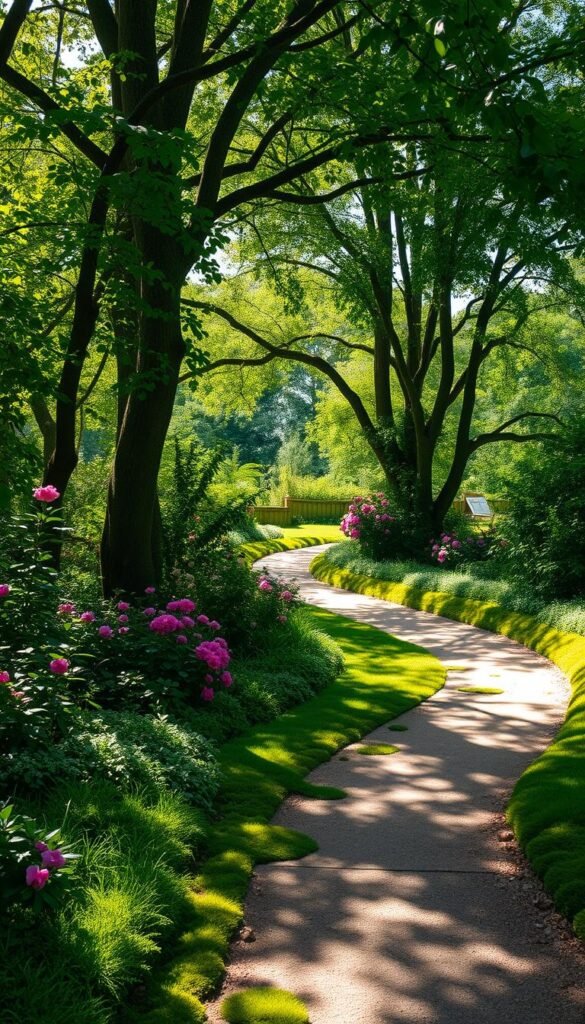
Curved walkways act as gentle guides through your outdoor haven. Like a winding river, they invite exploration while maintaining accessibility. Aim for paths 3-4 feet wide – spacious enough for wheelchairs yet intimate enough to feel enveloped by nature.
Establishing Flow with Meandering Pathways
Strategic curves create anticipation. Each bend might reveal clusters of aromatic sage or a hidden birdbath. Bury paths slightly below surrounding beds, as Amy Roberts did, to immerse walkers in rustling grasses and blooming perennials.
| Path Material | Best For | Maintenance Level |
|---|---|---|
| Crushed Gravel | Drainage & Sound | Low |
| Wood Chips | Soft Texture | Moderate |
| Stepping Stones | Visual Interest | High |
Integrating Restful Seating and Reflection Zones
Position benches where views unfold naturally – perhaps where sunlight dapples through maple leaves. Choose materials that weather beautifully: teak ages to silver, while powder-coated steel withstands seasons. Include multiple seating areas for different moods – a bistro set for morning coffee, a hammock for afternoon naps.
Create reflection nooks using tall grasses or trellised vines as living walls. Add a small water feature nearby; its gentle babble enhances meditation practice. Remember: comfort encourages lingering. Cushioned chairs or stone seats with throw pillows transform quick visits into meaningful pauses.
Practical Tips for Planning and Implementing Your Garden Retreat
Transform your outdoor area into a sanctuary that grows with you. Smart preparation balances beauty with practicality, ensuring your space remains inviting through changing seasons and life stages.
Mapping Out Your Garden Layout and Accessibility
Watch sunlight patterns for three days. Notice where puddles form after rain. These observations reveal natural design opportunities. Sketch your ideas on grid paper, marking existing trees and slopes first.
Prioritize access points where paths meet gates or doors. Keep main walkways 36-42 inches wide for easy navigation. Raised beds (18-24″ tall) let everyone touch soil without bending. Place benches where views unfold naturally – near flowering shrubs or trickling fountains.
Seasonal Planting and Maintenance Strategies
Mix early bloomers like crocuses with late-show stoppers like asters. Evergreen shrubs provide winter structure when other plants sleep. This variety keeps your space lively year-round.
| Plant Type | Bloom Season | Care Level |
|---|---|---|
| Native Perennials | Spring-Fall | Low |
| Ornamental Grasses | Year-round | Moderate |
| Bulb Flowers | Early Spring | High |
Group plants with similar water needs. Mulch beds in fall to protect roots. Remember: your maintenance routine should fit your schedule, not the other way around. Start small – even one well-tended corner brings more joy than an overwhelming expanse.
Infusing Mindfulness and Meditation into Your Garden Experience
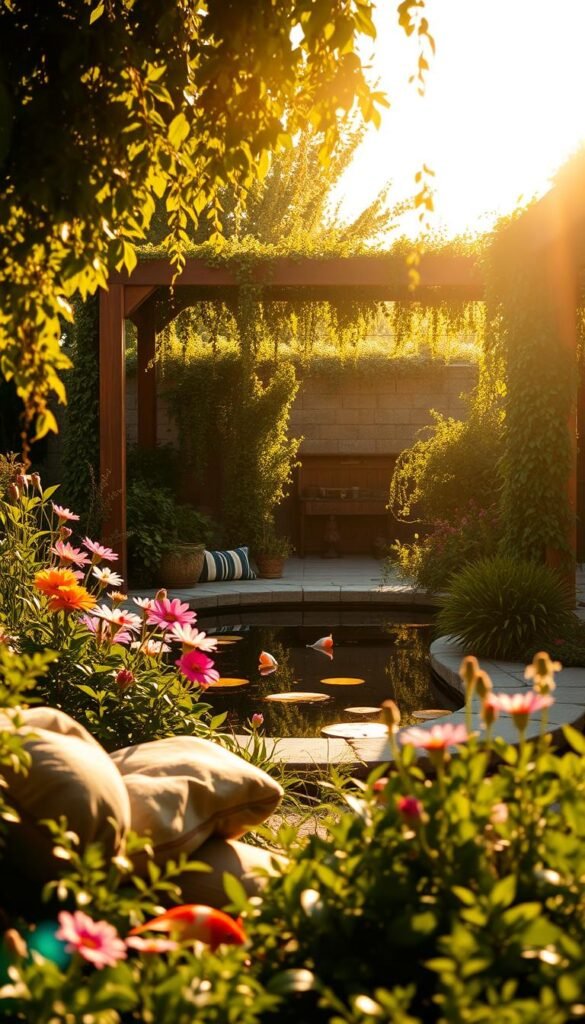
In our fast-paced world, your outdoor space becomes a sanctuary where time slows down. Simple moments – tracing a ladybug’s path across a leaf or listening to wind stir bamboo – become doorways to inner calm. Let’s explore how to shape these opportunities intentionally.
Creating Dedicated Spaces for Meditation and Reflection
Carve out zones that invite stillness. A crescent-shaped bench under a flowering dogwood works wonders. For walking meditation, design looping paths with smooth stones underfoot. Place Joe Pye Weed at turns – its towering purple blooms mark seasonal changes while anchoring your connection to nature’s cycles.
Elevate simple features. A weathered stump becomes a perch for morning mantras. Repetition soothes minds: line pathways with matching lavender bushes or cluster round stepping stones. These patterns create visual rhythms that quiet mental chatter.
Enhancing Connection with Nature Through Sensory Features
Engage all five senses to deepen your experience. Rub lemon thyme between fingers as you pass. Position night-blooming jasmine near seating areas – its scent intensifies at dusk, transforming evenings into aromatic retreats.
Soundscapes matter too. Wind chimes tuned to pentatonic scales harmonize with breezes. Consider joining a community garden project to exchange ideas on creating multi-sensory spaces that benefit everyone.
- Touch: Velvety lamb’s ear lining pathways
- Sight: Grasses that catch moonlight
- Sound: A rain chain directing water into pebbles
Remember: your sanctuary needn’t be elaborate. Even a corner with a single fragrant rose and a smooth river rock for palm meditation can become your portal to presence. What matters is designing features that call you back to the here and now.
Final Thoughts: Bringing Your Dream Garden Retreat to Life
Suzannah Dolanc-Pugh’s Missouri transformation proves healing begins with soil under fingernails. When health challenges struck, her hands found purpose among plants – each turned clump of earth rewriting stress into hope.
Your retreat grows with you. Like Suzannah’s evolving landscape, let perennials self-seed where they thrive. A crooked path becomes charming, while volunteer sunflowers add surprise beauty. This living space mirrors life’s imperfections – perfectly imperfect.
Start small. A weathered bench beside rosemary offers daily relaxation. Potted mint on steps brings fragrance to hurried mornings. These modest elements build habits that root you in nature’s rhythms.
Remember: every shovel stroke matters. Studies show just 30 minutes weekly with plants lowers blood pressure. Your sanctuary works its magic whether you’re planting orchids or watering dollar-store pansies.
As seasons pass, your garden becomes a diary. Faded blooms mark summer joys, while frosted grasses whisper winter wisdom. Through this partnership with earth, you’ll discover growth happens on both sides of the soil.