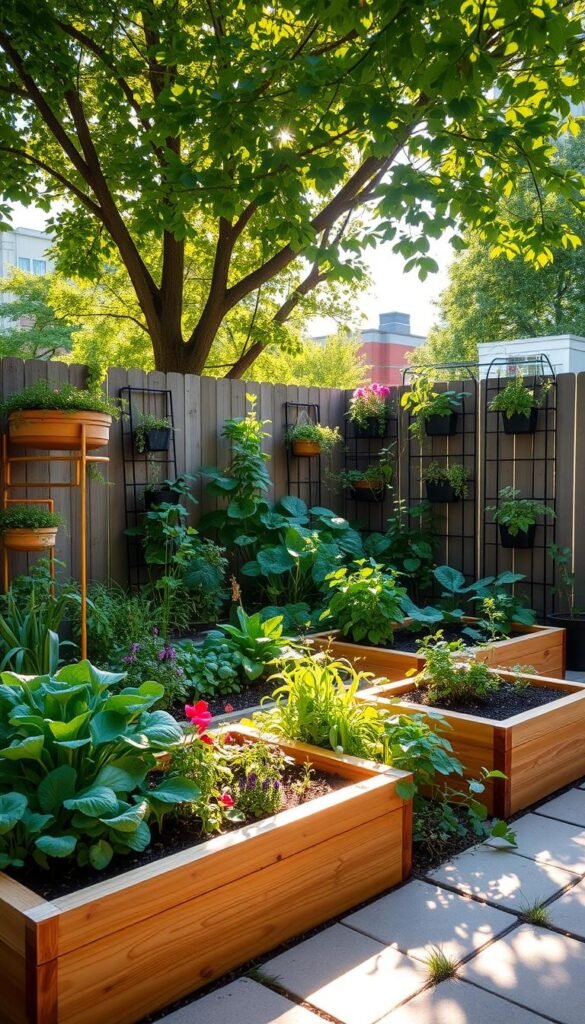
Small outdoor areas can blossom into productive growing spaces with smart design choices. Raised garden beds offer practical solutions for challenging landscapes while adding structure to your backyard. Whether dealing with compact yards or uneven terrain, these elevated planters help you cultivate herbs, vegetables, and flowers efficiently.
Many homeowners face obstacles like rocky soil or limited mobility when growing plants. Elevated planting systems address these issues by providing better drainage and easier access. You can customize soil composition for specific crops, giving plants ideal growing conditions regardless of your ground quality.
Strategic arrangements turn tight corners into thriving green zones. Consider vertical stacking or angular configurations that follow your property’s natural lines. Multi-level installations create visual depth while multiplying your planting surface area – perfect for growing diverse crops in limited square footage.
Thoughtful garden design transforms functional spaces into eye-catching features. Mix ornamental plants with edibles for year-round interest, or use geometric patterns to define different growing zones. With proper planning, your outdoor area becomes both a food source and a relaxing retreat that enhances your home’s appeal.
Embracing Creative Raised Garden Beds Ideas Layout for Small Backyards
Your compact outdoor area holds untapped potential for fresh harvests and vibrant blooms. Experts note that thoughtful layouts let you grow 30% more crops than traditional row planting. The secret lies in arranging planters to serve multiple roles while preserving room for relaxation.
Start by mapping sun patterns and foot traffic zones. Use U-shaped configurations around seating areas or install narrow planters along fences. These designs create natural boundaries while keeping pathways clear. “The best layouts grow with your needs,” advises urban farming specialist Maria Torres. Start simple, then add tiers or extensions as your skills develop.
| Layout Type | Space Used | Accessibility | Best For |
|---|---|---|---|
| Vertical Stacking | 4 sq ft | Waist-level | Herbs & strawberries |
| Corner Arrangements | 6 sq ft | Three-sided access | Tomatoes & peppers |
| Modular Systems | Custom | Adjustable | Mixed plantings |
Pair deep-rooted vegetables with shallow herbs in adjacent planters to optimize soil depth. Rotate crops seasonally using this three-zone system:
- Spring greens in sunny spots
- Summer vines on trellises
- Fall root crops in protected corners
Maintain 18-inch paths between planters for comfortable kneeling and harvesting. This planning approach lets you enjoy fresh produce without sacrificing your outdoor living area. Your space becomes both nourishing and inviting through smart design choices.
Understanding the Benefits of Raised Garden Beds
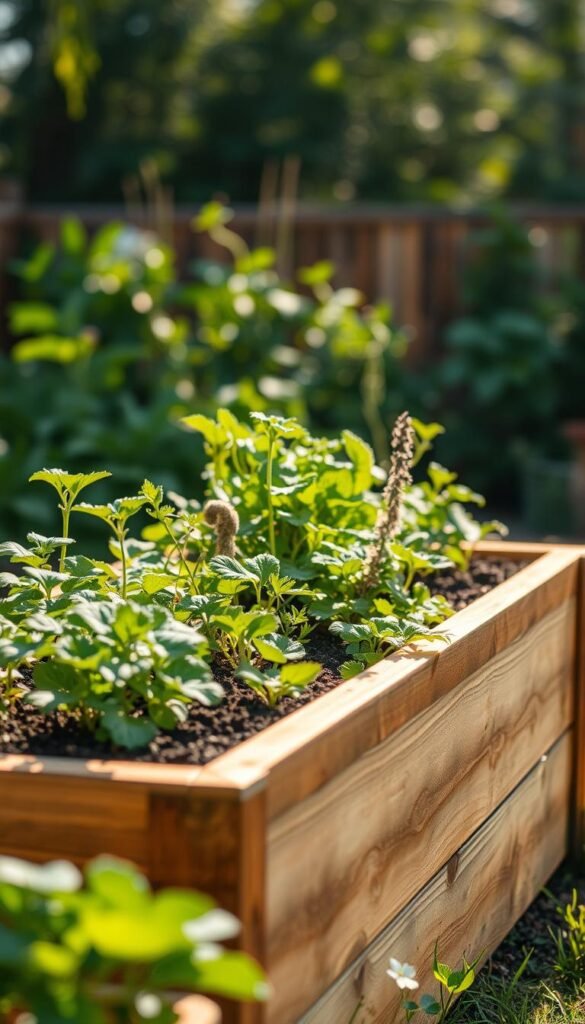
Struggling with poor ground conditions or physical limitations? Elevated planters offer smart solutions. These structures let you bypass rocky earth, clay-heavy dirt, or areas prone to flooding while creating ideal environments for your favorite crops.
Custom soil blends give roots exactly what they need to flourish. Unlike native earth that might lack nutrients, you can mix compost, peat moss, and perlite for perfect drainage and fertility. This tailored approach helps vegetables like tomatoes and carrots develop stronger root systems.
Water management becomes simpler too. Excess moisture drains quickly through loose, aerated soil – no more drowning your plants during heavy rains. “Proper drainage prevents 80% of common fungal issues,” notes horticulturist Dr. Ellen Park. Your greens stay healthier with reduced risk of rot.
| Challenge | In-Ground Solution | Raised Bed Advantage |
|---|---|---|
| Poor Drainage | Dig trenches | Built-in drainage |
| Weed Invasion | Frequent hoeing | Barrier protection |
| Cold Soil | Delayed planting | Faster warming |
Accessibility improvements make gardening enjoyable for everyone. Tend to plants at waist height without bending – a game-changer for those with arthritis or mobility concerns. Narrow designs (3-4 feet wide) keep all vegetation within easy reach.
Extended growing seasons let you harvest earlier and later. Soil in elevated containers warms quicker in spring, perfect for cold-sensitive peppers. Come fall, add row covers to protect kale and spinach from frost. Year-round productivity becomes achievable, even in challenging climates.
Designing Ergonomic and Accessible Raised Garden Beds
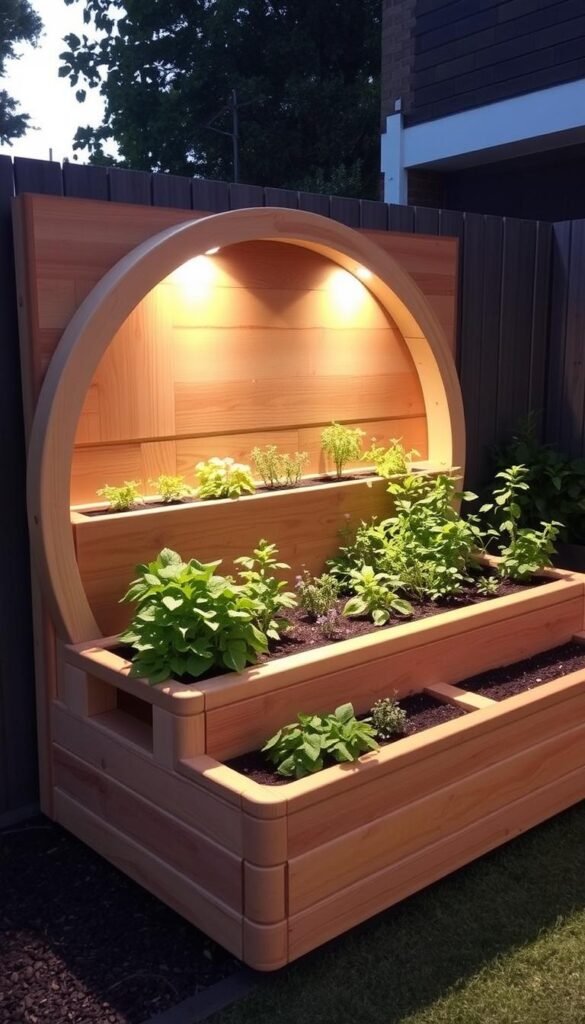
Gardening should nurture your body as much as your plants. Elevating your planting areas transforms routine tasks into comfortable activities. With smart design tips, you can create spaces that welcome gardeners of all abilities while boosting productivity.
Why Waist Height Works Wonders
Aim for 30-36 inches when building your raised bed. This height lets you sow seeds and pull weeds without bending – perfect for avoiding morning stiffness. “Your spine stays neutral when working at countertop level,” explains physical therapist Laura Simmons. Pair this with 4-foot widths to reach every plant comfortably.
Movement-Friendly Features
Wider pathways (3+ feet) let wheelchairs and carts glide smoothly between planters. Consider these design essentials:
- Non-slip surfaces on walkways
- Vertical supports for leaning
- Edge seating for resting mid-task
While taller setups need more soil initially, they pay off through years of pain-free gardening. Test different heights using stacked crates before building permanent structures. Your back will thank you during marathon planting sessions!
| Feature | Traditional Bed | Ergonomic Bed |
|---|---|---|
| Working Height | Ground Level | Hip Level |
| Path Width | 18-24″ | 36-42″ |
| Reach Depth | Unlimited | 24″ Max |
Incorporating Vertical Elements with Trellises and Grid Wiring
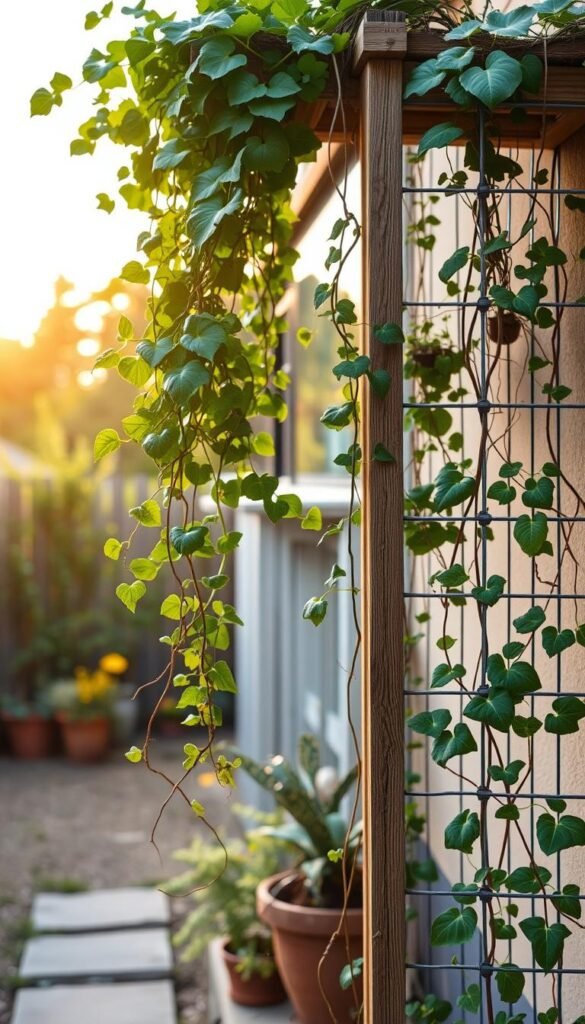
Vertical elements unlock hidden potential in tight growing areas. By directing vining plants upward, you create breathing room for roots below while adding lush greenery overhead. This approach works wonders for both practical harvests and aesthetic appeal.
Utilizing Trellises for Climbing Plants
Position trellises on the north side of your planters to prevent shade from blocking sun-loving crops. Beans and peas scramble up these supports naturally, while cucumbers and flowering vines need gentle guidance. Metal or wooden frames double as living walls that shield patios from wind or prying eyes.
Choose materials that match your garden’s style – rustic bamboo for cottage charm or powder-coated steel for modern flair. “Vertical structures turn functional gardens into outdoor art,” says landscape designer Marco Ruiz. “They also improve air circulation, reducing pest issues.”
Keeping Your Garden Organized with Grid Wiring
Grid systems bring order to your planting plans, especially when using square-foot gardening methods. These wire frameworks help space seedlings evenly and support heavy fruits like melons. You’ll spot spacing errors before plants mature and compete for resources.
Install grids during bed preparation for seamless integration. As leaves expand, the wire disappears beneath a canopy of green. This technique works beautifully for:
- Training tomato stems upward
- Preventing squash from overtaking paths
- Creating defined zones for successive plantings
Vertical gardening adds depth and dimension to compact areas. You’ll harvest more from the same footprint while creating eye-catching displays that make your space feel larger. Those bean towers and floral arches? They’re productivity boosters in disguise.
Choosing the Right Materials: Brick, Galvanized Trough, and More
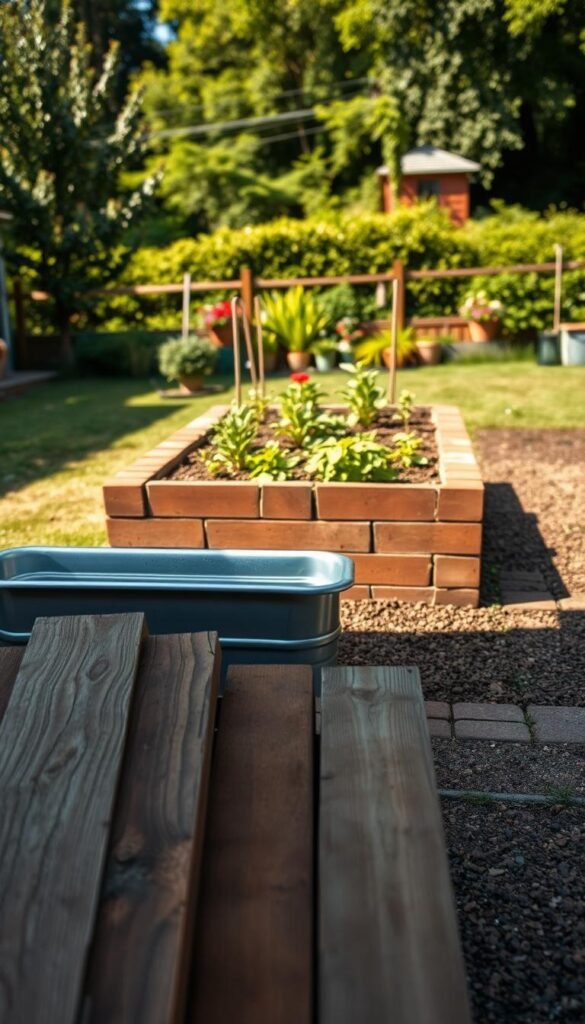
What separates a good growing space from a great one? Your material choices shape both function and style. Durable options like cedar wood or galvanized steel blend practicality with visual appeal, letting your planters enhance your home’s character while supporting healthy roots.
Match containers to your existing hardscaping for a polished look. Brick planters complement traditional homes, while sleek metal troughs suit modern spaces. “Materials act as your garden’s foundation,” notes landscape architect Derek Chen. “They determine drainage, warmth retention, and pest resistance.”
| Material | Best Use | Lifespan | Climate Fit |
|---|---|---|---|
| Cedar Wood | Herb gardens | 7-10 years | All regions |
| Galvanized Steel | Vegetable plots | 15+ years | Dry climates |
| Composite | High-moisture areas | 10-12 years | Coastal zones |
Budget-friendly solutions exist too. Repurposed containers like wine barrels or cinder blocks offer instant planting spaces. Line metal troughs with hardware cloth to block burrowing pests while maintaining drainage.
Consider your local weather when selecting components. Wood insulates roots during frosts, while stone retains heat in cooler zones. Proper prep work – like sealing untreated lumber or adding gravel layers – extends your setup’s longevity. Your living space grows smarter when materials work with nature’s rhythms.
Innovative Layout Ideas for Compact Backyard Spaces
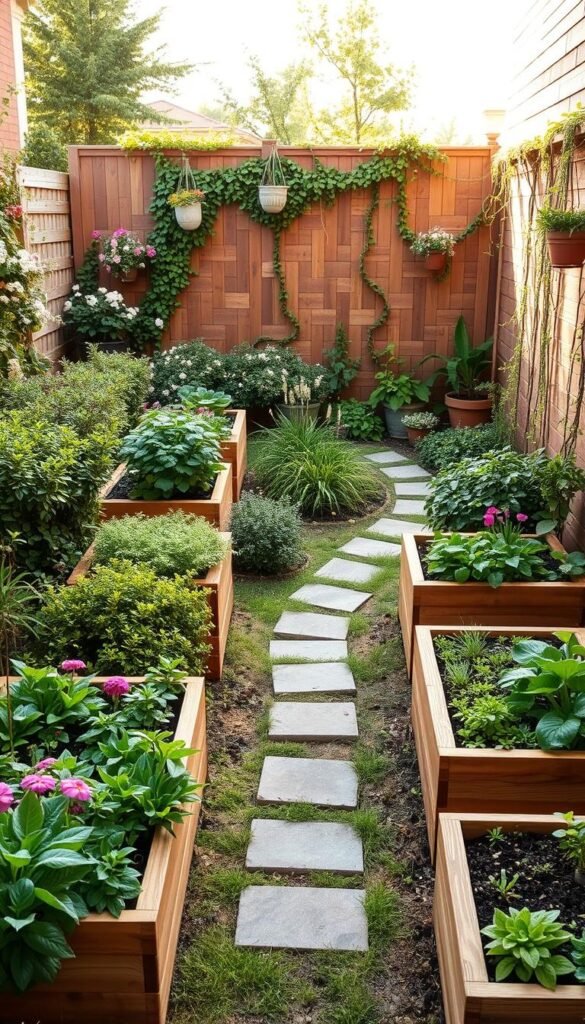
Transforming limited yard space into a lush oasis requires clever planning and strategic design choices. Begin by tracking sunlight patterns across your outdoor areas for a full day. This reveals prime spots for sun-loving veggies and shaded zones perfect for leafy greens.
Space-Smart Design Principles
Curved planters that mirror your property’s edges soften hard lines while maximizing planting room. An L-shaped configuration around patios creates intimate growing nooks, leaving central areas open for movement. Multi-tiered designs add depth, letting you grow deep-rooted tomatoes on lower levels and herbs up top.
| Path Type | Width | Material Tips | Function |
|---|---|---|---|
| Main Routes | 36″ | Crushed gravel | Wheelbarrow access |
| Secondary | 18-24″ | Stepping stones | Harvesting |
| Service | 12-18″ | Mulch | Compost access |
Convert underused turf into productive zones as your needs evolve. A 4-foot-wide bed against fences becomes a vertical garden with trellised beans. Need seating? Build a raised garden with a 16-inch-wide ledge perfect for resting tools or sitting.
Zone your layout like a pro:
- Sunny south side: Peppers & basil
- Shaded north: Spinach & mint
- Central hub: Compost bin & storage
For year-round productivity, follow this rotation in your how to build a raised bed setup. Early spring lettuces make way for summer cucumbers, then fall carrots. Dual-purpose structures like edible flower borders boost yields while beautifying your yard.
Exploring Triangular Raised Garden Beds and Unique Shapes
Unusual angles can transform cramped areas into thriving green spaces. Triangular planting zones maximize awkward corners where standard rectangles won’t fit. These geometric beds create dynamic focal points while making every inch count.
Hexagonal and diamond-shaped designs offer fresh alternatives for curved pathways. You’ll discover these forms naturally guide foot traffic while providing distinct growing zones. Curved edges soften hardscapes, blending planting areas with existing patio stones or decking.
| Shape | Best Use | Space Efficiency | Accessibility |
|---|---|---|---|
| Triangle | Herb separation | 92% | 3-sided access |
| Hexagon | Pollinator gardens | 88% | Radial paths |
| Curved | Path borders | 78% | Single-side reach |
Position pointed ends toward walkways for easy harvesting. This setup lets you tend thyme in one corner and basil in another without crossover. For triangular backyard layouts, maintain 24-inch pathways between angled edges.
Custom shapes require careful planning. Sketch your design using garden twine before building. While prefab kits exist, many gardeners opt for rot-resistant cedar boards cut at 60-degree angles. The extra effort pays off in both form and function.
Remember: unique designs work best when balancing creativity with practicality. Keep soil depth consistent and ensure all plants remain within arm’s reach. Your unconventional planters will become conversation starters that boost yields and beauty.
Tailoring Planter Height for Optimal Plant Growth
Your planters’ depth directly impacts your harvest’s success. Different crops need specific soil conditions to thrive. Matching container height to root systems ensures healthier vegetables and lusher greens.
| Plant Type | Minimum Depth | Ideal Range | Examples |
|---|---|---|---|
| Shallow Roots | 6″ | 6-8″ | Lettuce, strawberries |
| Medium Roots | 8″ | 8-12″ | Tomatoes, peppers |
| Deep Roots | 12″ | 12-18″ | Carrots, parsnips |
Deep-rooted vegetables demand ample space to stretch downward. Urban farmer Jake Reynolds notes:
“Carrots grown in 10-inch soil twist sideways, but give them 16 inches and they’ll grow arrow-straight.”
Shallow garden beds work well for quick-growing crops. Herbs and leafy greens develop faster in these setups. Just remember to water more frequently – limited soil holds less moisture.
Account for soil settling by filling containers 1-2 inches above your target depth. Add a gravel layer at the base of deep planters to prevent waterlogging. This simple step protects roots during heavy rains.
Mix bed heights throughout your space for visual variety. Pair waist-high planters for herbs with ground-level boxes for potatoes. You’ll create an accessible, productive layout that serves both plants and people.
Step-Built Designs: Creating Multi-Tiered Garden Areas
Elevate your outdoor space both literally and visually with multi-tiered growing zones. Stone steps paired with ascending planters transform slopes into eye-catching garden features. This approach blends form and function, letting you maximize vertical space while adding architectural charm.
Integrating Steps for Visual Interest
Use your yard’s natural incline to guide the design. Built raised platforms with staggered heights create rhythm, while materials like slate or cedar add texture. Trailing nasturtiums or ivy soften hard edges, making stonework feel organic.
Enhancing Functionality with Tiers
Each level serves distinct purposes. Upper tiers house sun-loving herbs, while shaded lower areas host leafy greens. Proper drainage between layers prevents waterlogging – a common issue in single-level setups.
Incorporate seating nooks beside cascading rosemary or thyme. These spots become fragrant retreats for enjoying your handiwork. With smart tips like grouping plants by water needs, you’ll maintain beauty without constant upkeep.