
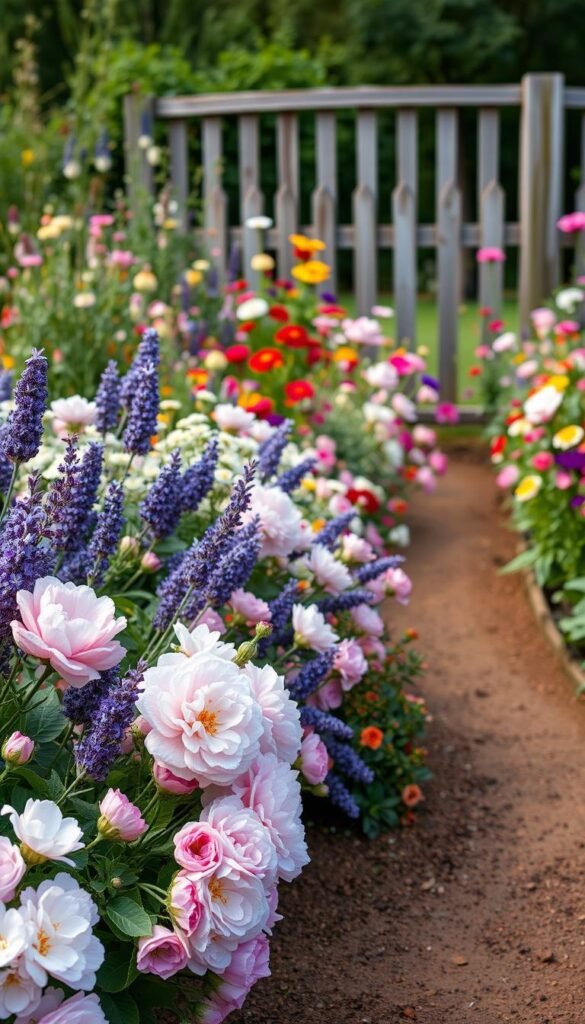
Imagine stepping into an outdoor space where flowers spill over edges like confetti and scents dance through the air. This is the magic of cottage-style landscaping, where structured chaos creates inviting spaces. At its heart lies a simple trick: using living boundaries to shape your yard’s flow.
These natural dividers do more than separate areas—they soften sidewalks, frame walkways, and turn ordinary lawns into storybook settings. You’ll find they’re surprisingly forgiving, letting plants take center stage while hiding imperfections. The result? A yard that feels both curated and carefree.
In this guide, you’ll learn how to blend function with free-spirited beauty. Discover which species thrive as living fences and how their fragrances enhance your outdoor experience. We’ll show you techniques to make concrete paths feel whimsical and help neighbors’ lawns blend seamlessly with your design.
Whether you’re refreshing a small corner or redesigning your entire property, these principles work at any scale. By the end, you’ll know how to craft spaces that reflect your personality while honoring classic gardening wisdom. Let’s turn your yard into a place where every step tells a story.
Understanding the Cottage Garden Aesthetic
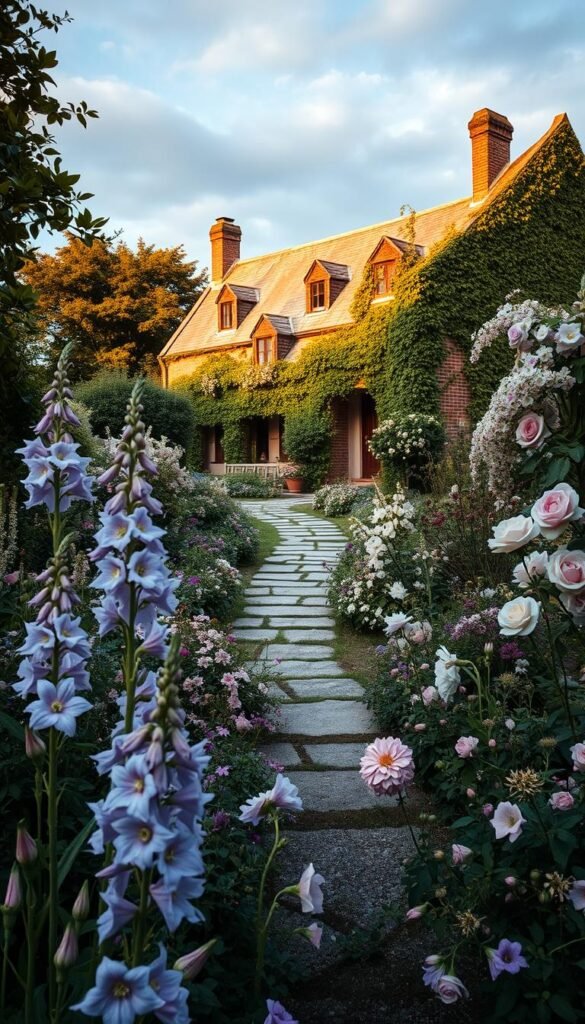
Picture a living canvas where flowers jostle playfully for sunlight and scents linger like forgotten secrets. This is the essence of the cottage-inspired landscape—a celebration of joyful disorder that whispers stories of simpler times. Unlike formal designs, this approach invites plants to mingle freely, creating spaces that feel both intentional and untamed.
Exploring the Romantic and Relaxed Style
Here, roses tumble over stone walls while lavender brushes against your ankles. The magic lies in soft edges—no stiff hedges or ruler-straight lines. Plants cascade onto walkways, blurring boundaries between cultivated beds and wandering greenery. You’ll let foxgloves lean and allow poppies to self-seed wherever they please.
The Role of Wildness and Color in Your Space
Dense plantings create a kaleidoscope effect, with jewel-toned blooms appearing to shift hues throughout the day. Crimson hollyhocks back golden coreopsis, while purple salvias wink through silvery artemisia. This controlled chaos isn’t random—it’s a carefully curated explosion where every plant enhances its neighbors.
You’ll discover that embracing slight imperfections adds character. A broken trellis becomes a climbing frame for sweet peas. Gaps between pavers host colonies of creeping thyme. By letting nature guide your design, you create an ever-changing display that feels alive in every season.
Planning Your Garden Path Layout
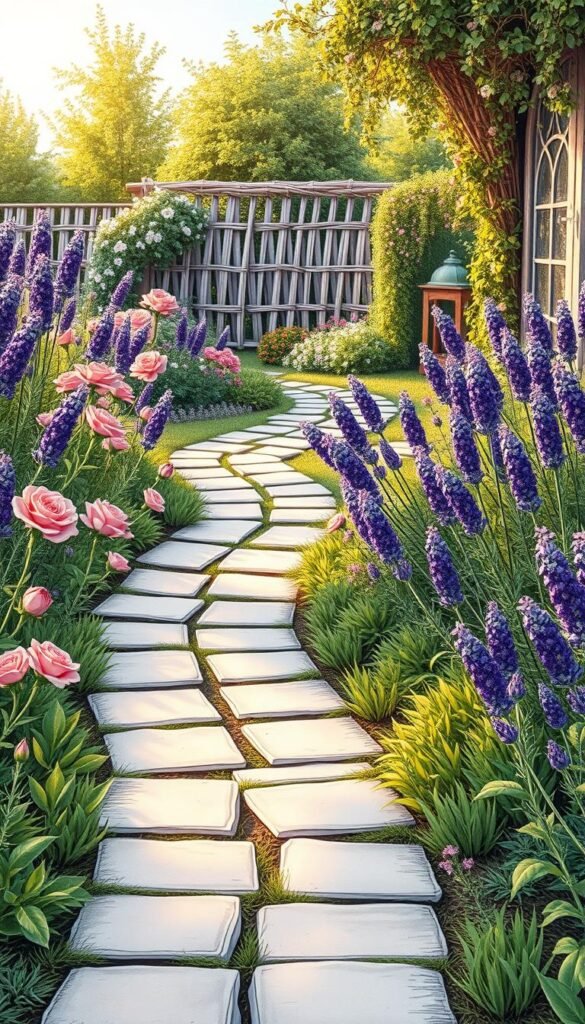
Creating a garden path starts with understanding the land’s natural rhythms. Grab a notebook and sketch your outdoor space, marking where sunlight lingers or retreats. This simple map becomes your blueprint for blending beauty with purpose.
Assessing Sun, Shade, and Ground Conditions
Notice how shadows shift across your yard throughout the day. A spot that’s sunny at noon might hide in shade by afternoon. These patterns determine which plants thrive and where paths should curve to avoid muddy patches.
Check your soil’s texture—sandy soils drain quickly, while clay holds moisture. Gentle slopes guide rainwater, so position walkways where water won’t pool. Existing trees or stone walls? Let them anchor your design instead of removing them.
Balance whimsy with practicality. Meandering paths feel enchanting but should still let you reach pruning shears or harvest herbs easily. Consider designing functional yet beautiful walkways that work in all seasons, from summer’s heat to winter’s frost.
Update your sketch as plants grow and light patterns shift. A great gardener adapts, ensuring every stepping stone serves both the land and those who wander through it.
Selecting the Ideal Materials for Your Garden Path
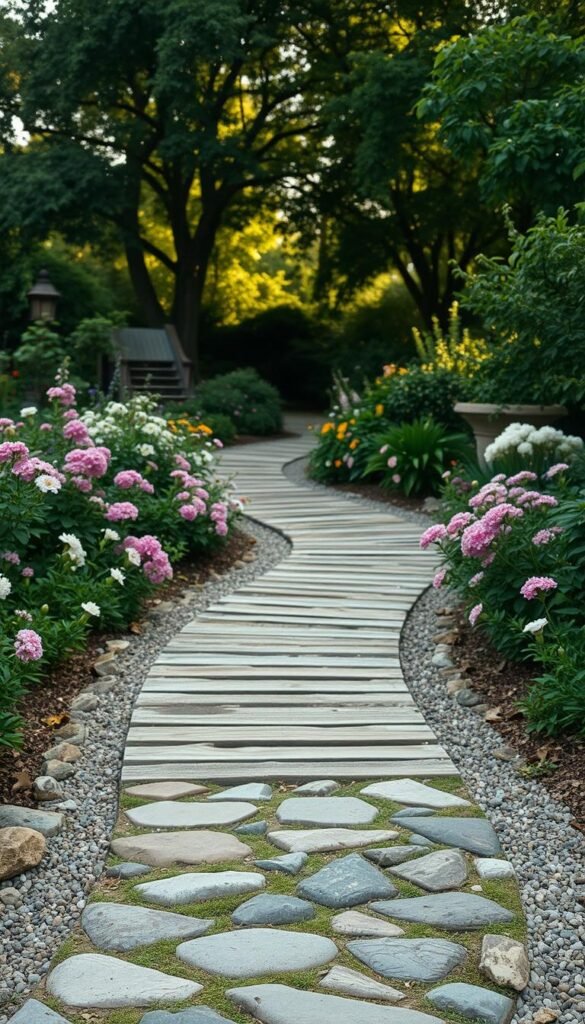
Your garden’s personality shines through every choice you make—especially underfoot. The right surface can turn a functional walkway into a storytelling element that whispers secrets about your landscape’s character.
Stone, Gravel, and Wood Options
Stone paths bring timeless elegance to any setting. Flagstone’s irregular shapes create casual charm, while limestone offers smoother textures for refined looks. Slate’s cool gray tones pair beautifully with vibrant foliage, letting plants take center stage.
Crushed gravel provides instant rustic appeal. Its crunch underfoot adds sensory delight, and installation requires minimal effort—just spread it over landscape fabric. For better drainage, choose angular stones that lock together. Round pebbles work well in low-traffic areas but may shift underfoot.
Wooden walkways invite woodland magic. Cedar resists rot naturally, while reclaimed lumber adds weathered character. Keep planks slightly spaced for airflow, and consider raised designs in damp climates. “A timber path isn’t just practical—it’s an invitation to wander slowly,” notes landscape designer Mara Thompson.
Brick introduces old-world warmth with its rich terracotta hues. Herringbone patterns feel formal, while irregular placements mimic centuries-old courtyards. Pair with creeping thyme between joints for fragrant surprises with every step.
Each material has trade-offs. Stone lasts decades but costs more upfront. Gravel stays budget-friendly but needs occasional raking. Wood demands yearly sealing but ages beautifully. Match your choice to both your vision and maintenance tolerance—your future self will thank you.
Defining a path using cottage garden borders with fragrant blooms
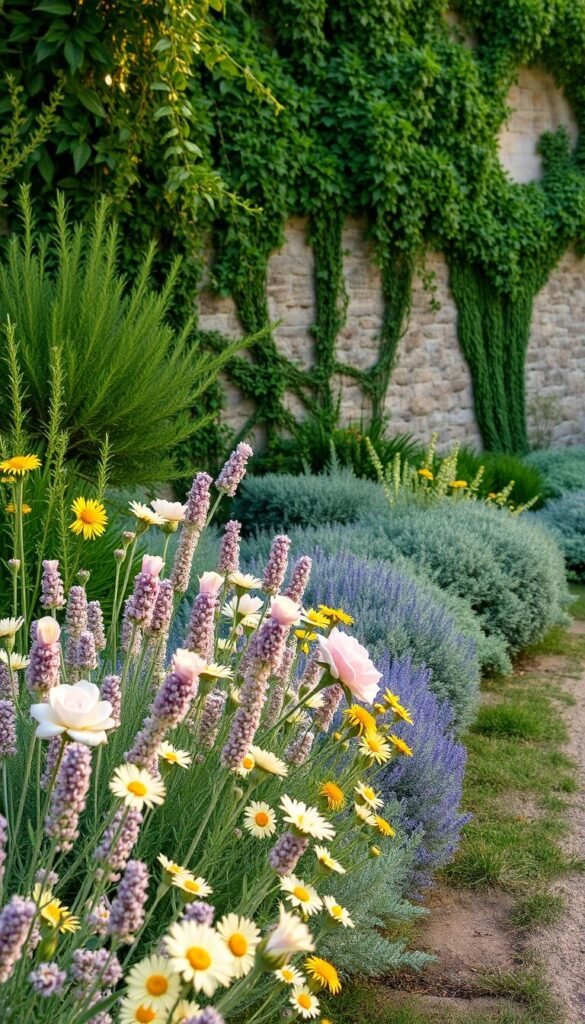
Think of your garden’s edges as nature’s paintbrush, where greenery and blossoms blur the lines between structured paths and wild beauty. This approach turns rigid boundaries into flowing transitions, making every stroll through your yard feel like a discovery.
How Border Plants Soften Hard Edges
Even concrete sidewalks become charming when framed by billowing perennials. Lavender or catmint planted 8-12 inches from the edge will cascade over walkways, their stems creating organic curves. Pro tip: Let taller species like delphiniums grow slightly behind lower-growing varieties for depth without blocking access.
Sprawling roses and clematis work wonders for disguising straight lines. Allow them to lean over paths just enough to create dappled shadows. You’ll achieve that coveted “lived-in” look where foliage appears to gently reclaim man-made structures.
For narrow spaces, try dwarf shrubs like boxwood or spirea. These maintain tidy shapes while still softening sharp corners. Pair them with airy grasses that sway in the breeze, adding movement to static surfaces. The key is layering textures and heights to create visual interest that distracts from harsh angles.
Remember: Successful borders balance abundance with accessibility. Keep plants trimmed to knee-height near seating areas but let them grow wilder in transitional zones. This mix ensures functionality while preserving that carefree cottage charm.
Incorporating Fragrant Blooms to Enhance Your Garden
What if every step through your yard released hidden perfumes? Strategic placement of aromatic plants turns walkways into scent trails that enchant visitors. Unlike formal landscapes, these living corridors invite you to bend the rules—plant lilacs closer to edges or let lavender leaves graze passing sleeves.
Positioning matters most. Place roses where their petals nearly touch stone surfaces—their afternoon warmth amplifies fragrance. English lavender thrives when planted 6 inches from path edges, releasing its clean aroma when brushed. For drama, train jasmine vines over arches to create floral ceilings that perfume evening strolls.
Seasonal planning keeps scents flowing year-round. Early hyacinths greet spring mornings, while summer’s star magnolias and gardenias take night shifts. “Fragrance should surprise you around corners,” suggests floral designer Elena Cruz. Pair shorter-blooming peonies with late-season phlox to maintain aromatic layers.
| Plant | Bloom Season | Scent Profile | Height |
|---|---|---|---|
| Hyacinth | Early Spring | Sweet, intense | 8-12″ |
| Lavender | Summer | Herbal, crisp | 18-24″ |
| Gardenia | Late Spring-Fall | Rich, tropical | 3-5′ |
Mix heights and intensities for dynamic effects. Low-growing thyme between pavers offers subtle spice, while towering lilacs provide bold spring bursts. For vibrant combinations, pair scented geraniums with trailing verbena in containers near seating areas.
Remember—your climate guides choices. Southern zones favor gardenias’ warmth needs, while mountain regions suit lilacs’ chill requirements. Whatever you choose, let noses lead the way through your perfumed paradise.
Planting Techniques for Romantic Border Plants
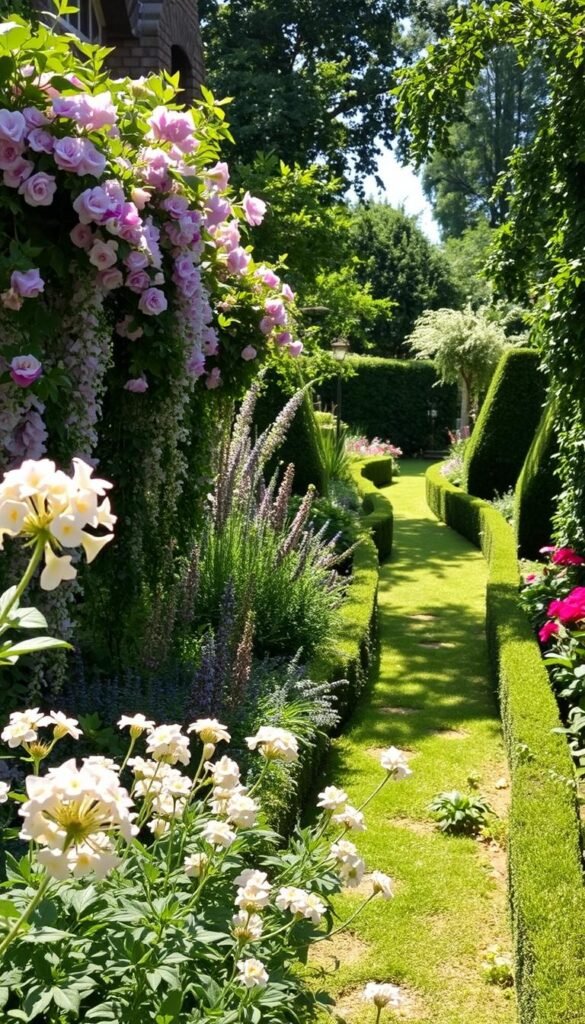
The secret to that effortless cottage charm lies in how you arrange your green companions. Forget regimented rows—here, success comes from mimicking nature’s playful spontaneity while maintaining subtle structure.
Spacing, Grouping, and Placement Near the Path
Start by placing three of the same perennial in a triangle formation. Position two near the walkway’s edge and one slightly behind—this creates depth while allowing stems to spill onto stones. Repeat this pattern with different species along your route for rhythmic visual flow.
Choose self-seeding varieties like columbine or forget-me-nots that fill gaps naturally. Space taller specimens 18-24 inches apart, but tuck compact growers like dianthus just 8 inches from the edge. “Let foliage kiss the path—it’s that gentle encroachment that makes borders feel alive,” advises landscape expert Clara Bennett.
Layer plants based on bloom times for nonstop color. Early tulips give way to peonies, followed by autumn sedums. Keep aggressive spreaders like mint in pots near seating areas, but let well-behaved creepers like thyme colonize between pavers freely.
Remember: Overcrowding stifles growth, while too much space looks sparse. Check nursery tags for mature widths, then subtract 3 inches—this tight spacing creates lushness faster. Within two seasons, your carefully planned clusters will merge into that coveted wild-yet-intentional look.
Grouping Perennials for Effortless Charm
Transform your outdoor space into a living tapestry through smart plant partnerships. Strategic groupings create visual rhythm while maintaining that coveted casual vibe. Let’s explore how simple patterns yield big impact.
Using Triangular Arrangements and Swaths of Color
Three plants form the perfect team when positioned in triangular shapes. Place two near walkways and one slightly back—this creates depth while letting stems spill onto stones. Flip the pattern occasionally to keep eyes moving through your garden.
Mass plantings of single perennial varieties create bold color waves. Imagine drifts of purple coneflower swaying together, their combined presence far more striking than scattered singles. These swaths become nature’s brushstrokes across your landscape.
Add drama with occasional standout specimens. A lone foxglove tower or sculptural yucca acts as an exclamation point amidst softer plantings. These focal pieces anchor designs while letting surrounding flowers shine.
Harmonize hues using basic color theory. Pair complementary shades like violet and gold for vibrancy, or blend analogous tones for serene transitions. Remember—contrast creates excitement, while similar colors promote flow.
Perennial borders offer lasting beauty with minimal fuss. Once established, they return stronger each year, saving time and money. Mix early bloomers like peonies with late stars like asters for nonstop color from spring through frost.