
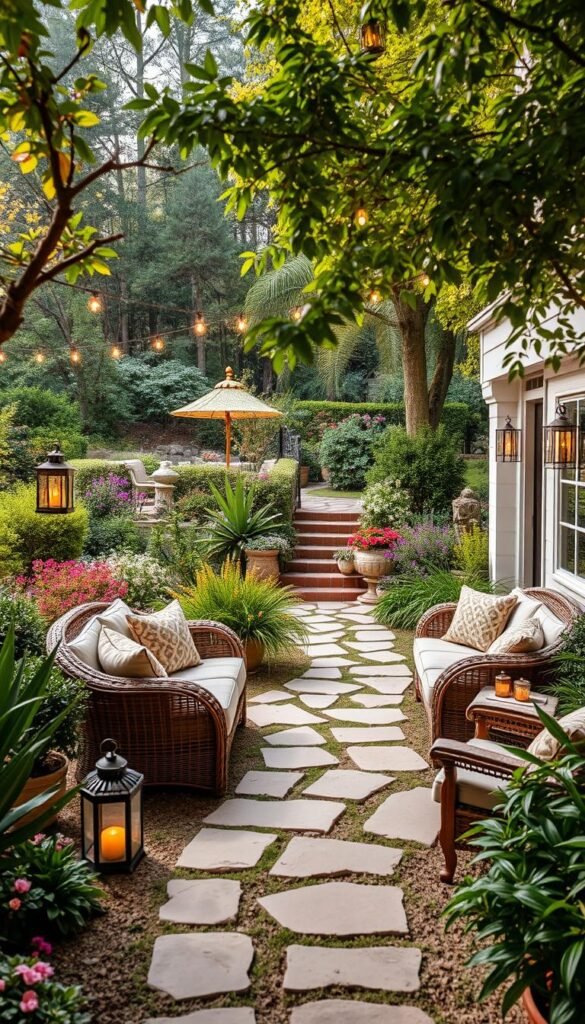
Your backyard holds untapped potential to become a personal haven – no sprawling property or major renovations required. The secret lies in strategic organization and purposeful arrangement that aligns with how you want to use your environment. Whether you crave quiet reading corners or lively entertainment zones, smart spatial planning makes it possible.
Start by evaluating your existing area’s natural features. Notice sunlight patterns, existing vegetation, and hidden opportunities for creating intimacy. Professional insights from garden layout experts reveal that even compact spaces can feel expansive when divided into distinct functional zones. A well-planned flow between these areas enhances both usability and visual harmony.
Contrary to popular belief, simplicity often yields the most inviting results. Focused plant selections and multi-functional furniture create welcoming atmospheres without clutter. Pair this approach with aesthetic enhancements like textured containers or ambient lighting to elevate your sanctuary’s character.
This guide will show you how to blend practical needs with personal expression. Discover how to establish clear pathways, incorporate natural privacy screens, and choose materials that withstand local weather conditions. You’ll learn to balance open gathering spots with secluded relaxation nooks, crafting an environment that truly serves your lifestyle.
Understanding Your Outdoor Space and Its Potential
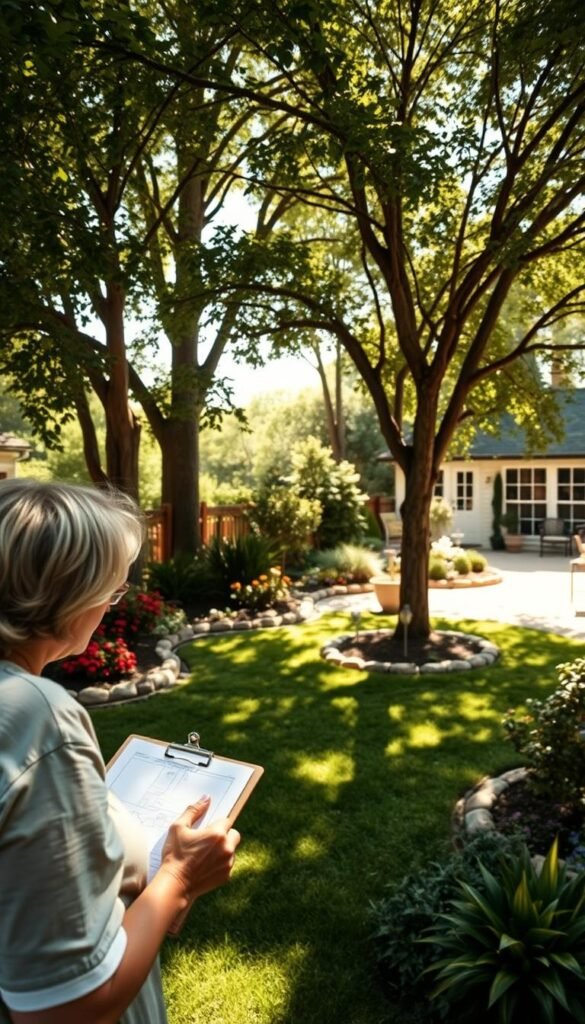
Your yard’s unique characteristics hold the blueprint for creating functional zones that match your lifestyle. Begin by mapping sunlight patterns and natural traffic flow – these elements shape how you’ll use different areas throughout the day.
Assessing Your Yard’s Layout and Features
Grab a tape measure and sketchpad first. Accurate measurements reveal how much space you truly have for seating or planting. Note where tree roots or utility lines might limit digging options. Sloped terrain? Consider tiered planters that work with the land instead of against it.
Track sunlight exposure across your backyard during morning and afternoon hours. South-facing spots often become perfect lounging zones, while shaded northern areas might host ferns or fire pits. Don’t forget to test soil drainage by pouring water – watch where it pools or flows naturally.
Identifying Opportunities for Privacy and Focal Points
Transform exposed outdoor space into secluded retreats using vertical solutions. Climbing hydrangeas on trellises soften boundaries while blocking neighbor views. Existing trees become living curtains when underplanted with lush hostas.
Spot natural features worth highlighting – a gnarled oak trunk or rock outcropping makes unforgettable focal points. Frame these elements with strategic lighting or circular seating arrangements. For added privacy, position tall grasses where breezes create soothing movement between gathering spots.
Designing a Cozy Outdoor Retreat with Thoughtful Garden Layouts
Transform your space into a peaceful escape by embracing purposeful simplicity. Minimalist principles focus on quality over quantity, creating environments that soothe rather than overwhelm. This approach works beautifully in both sprawling yards and compact urban settings.
Less Is More: The Art of Selective Planting
Professional gardener Ellen Mary Webster compares minimalist gardens to decluttered homes: “Every element earns its place through function or beauty.” Start by choosing three to five plant varieties with complementary textures. Ornamental grasses paired with sculptural succulents create visual interest without chaos.
Limit hardscape materials to three types for cohesion. A mix of smooth concrete, warm cedar planks, and pea gravel offers contrast while maintaining clean lines. Repeat these textures in pathways and seating areas to establish rhythm.
Color Harmony for Year-Round Calm
Stick to a muted palette of greens, blues, and whites for timeless appeal. Award-winning designer Shireen Zia notes: “Monochromatic schemes force you to focus on form and texture.” Variegated hostas and silvery artemisia add depth without clashing colors.
| Element | Traditional Approach | Minimalist Solution |
|---|---|---|
| Plant Selection | 15+ varieties | 3–5 repeating species |
| Materials | Mixed stones & woods | Concrete + wood + shingle |
| Color Palette | Rainbow hues | Green/blue/white tones |
Strategic repetition ties everything together. Line walkways with matching potted boxwoods or cluster identical benches under trees. This design tactic makes small spaces feel larger through visual continuity.
Selecting Comfortable and Stylish Outdoor Furniture
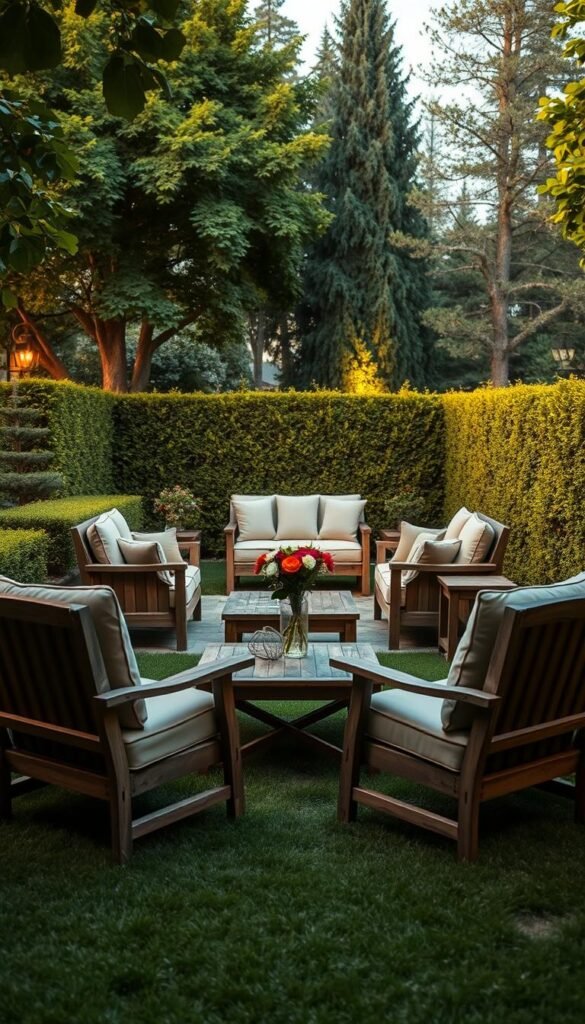
Your patio becomes an extension of your living space when furnished thoughtfully. The right pieces balance form and function, creating areas that invite relaxation while standing up to weather changes. Let’s explore how to choose items that maximize comfort without sacrificing style.
Space-Smart Solutions for Every Layout
Compact seating options like foldable bistro chairs or built-in benches work wonders in tight areas. Look for ottomans with hidden storage – they triple as footrests, side tables, and weatherproof containers. Modular sectionals let you rearrange furniture for impromptu gatherings or solo lounging.
Wall-mounted features keep floors clear. A fold-down table becomes a dining spot or potting station, while vertical planters add greenery without ground space. Corner L-shaped benches paired with triangular tables make awkward nooks functional.
Materials That Endure the Elements
Teak and powder-coated aluminum withstand rain and sun while maintaining their appeal. Synthetic resin wicker offers rattan’s charm without fraying. For cushions, choose quick-dry foam with UV-resistant fabric – they’ll stay plush through summer storms.
Combine textures for visual warmth. A concrete coffee table grounds airy outdoor furniture, while copper accent tables develop a rustic patina over time. Don’t forget creative gardening ideas like using repurposed crates as rustic side tables between chairs.
Layer comfortable seating with all-weather throw pillows in complementary hues. These materials and options ensure your setup remains inviting year after year, blending practicality with personal flair.
Enhancing Ambiance with Lighting, Greenery, and Texture

Your evenings outdoors deserve the same care as daytime setups. Three key elements work together to craft atmosphere: layered illumination, living accents, and tactile surfaces that invite touch. These components turn ordinary spaces into sensory experiences.
Creative Lighting Ideas to Set a Relaxing Mood
Ditch harsh overhead lights. Landscape designer Mara Palmer suggests: “Think of lighting as jewelry for your yard – subtle highlights create drama.” Drape copper-string bulbs between trees for starry-night ambiance. Cluster solar lanterns along pathways, their flicker mimicking fireflies.
| Light Type | Best Use | Ambiance Effect |
|---|---|---|
| String Lights | Overhead Canopy | Romantic Glow |
| Solar Lanterns | Path Edges | Guiding Warmth |
| Wall Sconces | Vertical Surfaces | Architectural Depth |
Mount low-voltage wall fixtures behind climbing roses. The shadows cast by leaves become living art after dark. For relaxation zones, place LED candles in weathered metal tins – wind-resistant and magical.
Integrating Natural Elements for a Warm, Inviting Look
Vertical gardens solve space constraints. Hang ferns in macramé planters or train jasmine up trellises. These living greenery walls filter sunlight into dappled shade. Mix concrete planters with cedar boxes to add textures that age gracefully.
Edge seating areas with lavender or dwarf hydrangeas. Their flowers release fragrance when brushed against. Woven rattan rugs underfoot and chunky knit throws complete the tactile experience. Every element works to blur the line between nature and nurture.
Utilizing Patios and Garden Features for a Cohesive Design
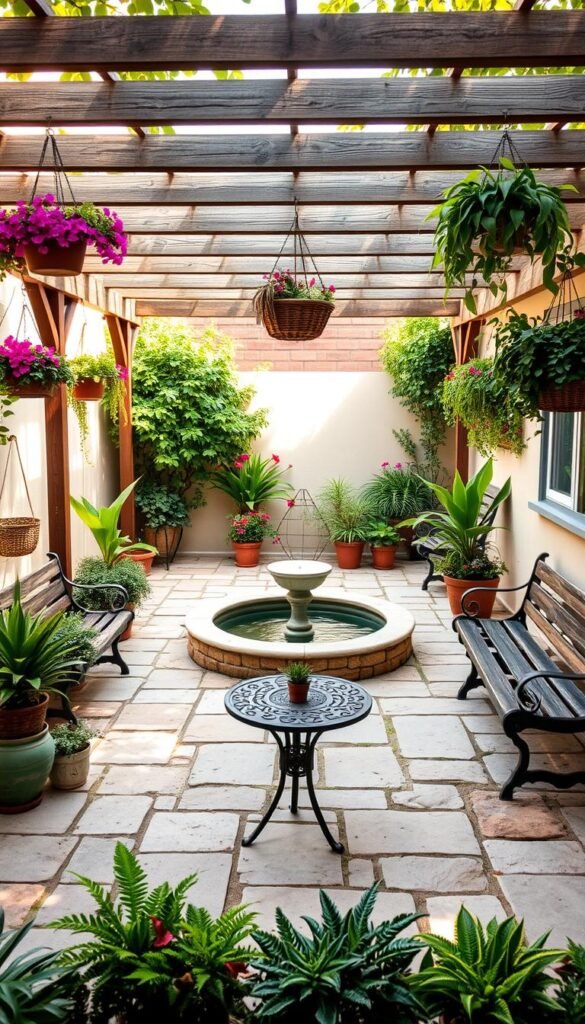
A well-designed patio anchors your outdoor space, creating zones for every activity. By pairing hardscapes with strategic greenery, you craft a seamless transition between relaxation spots and vibrant garden areas. This balance turns ordinary yards into personalized escapes that feel both intentional and inviting.
Maximizing the Use of Your Patio Area
Start by choosing materials that complement your home’s architecture. Concrete pavers offer clean lines, while flagstone adds rustic charm. Define distinct spaces within your patio – a fire pit corner here, a dining area there – using low walls or raised planters.
Built-in benches double as storage and seating, saving space. Pair them with movable chairs for flexibility. For inspiration, explore modern patio designs that merge durability with style.
Incorporating Water Features, Pergolas, and Planters
Pergolas add vertical structure while supporting climbing roses or grapes. Their open roofs filter sunlight, creating dappled shade perfect for lounging. Below, a small pond or fountain introduces calming water sounds that mask neighborhood noise.
Mix planter sizes for visual depth. Tall ceramic pots hold evergreen shrubs, while shallow bowls showcase seasonal blooms. Stone birdbaths serve dual purposes – wildlife hubs and artistic focal points.
| Feature | Functional Benefit | Aesthetic Impact |
|---|---|---|
| Pergola | Supports vines, provides shade | Adds architectural height |
| Water Fountain | Muffles ambient noise | Creates movement |
| Tiered Planters | Maximizes planting space | Introduces layered textures |
Practical Tips for Customizing Your Outdoor Layout
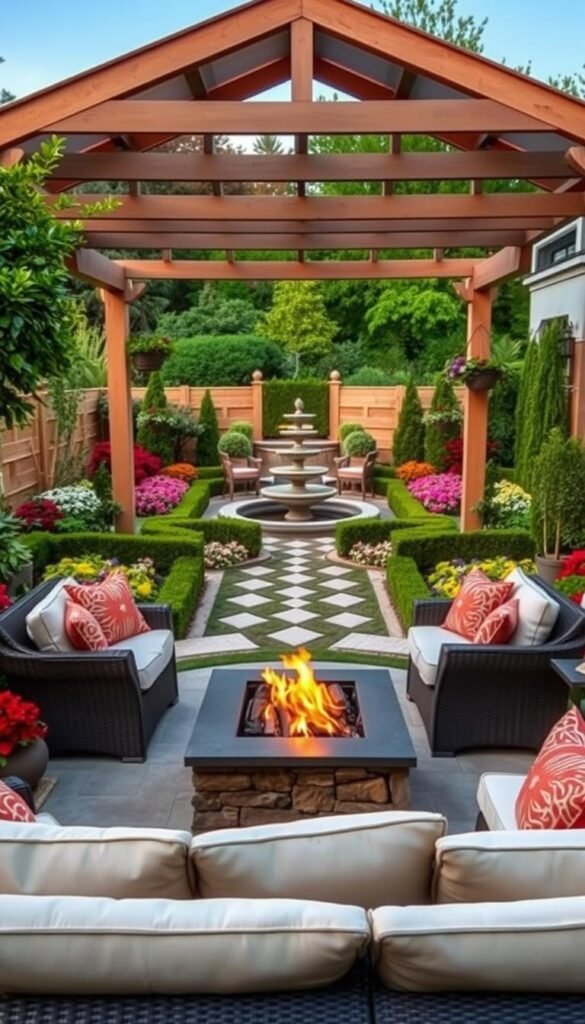
Your personal sanctuary starts with clear intentions. Begin by asking: “What moments do I want to create here?” Answers shape everything from seating arrangements to plant choices. A fire pit area for marshmallow nights needs different planning than a zen meditation corner.
Personalizing Your Garden with Unique Elements
Inject character through unexpected details. Repurpose vintage ladders as vertical herb gardens or hang colorful wind chimes that sing in summer breezes. Landscape designer Luis López advises: “Your space should tell your story – even a collection of beach stones can become a meaningful border.”
Create focal points with purpose. A weathered bench under a maple tree becomes a reading nook when paired with side tables. Use mosaic stepping stones to guide visitors toward your favorite garden view.
| Element | Traditional Approach | Customized Solution |
|---|---|---|
| Path Materials | Uniform gravel | Mixed river rocks + reclaimed bricks |
| Plant Choices | Common shrubs | Native pollinator favorites |
| Lighting | Standard lanterns | Hand-painted solar lamps |
Balancing Functionality and Aesthetic Appeal
Multi-use features save space while adding charm. A storage bench hides gardening tools but doubles as extra seating during gatherings. Choose planters with built-in irrigation – they keep plants healthy and reduce maintenance.
Zone your backyard like a pro. Keep cooking areas near the house for convenience, while relaxation spots benefit from shaded corners. Leave 36-inch pathways between features for comfortable movement.
Budget wisely by prioritizing durable materials. Composite decking lasts longer than wood, and powder-coated metal furniture withstands harsh weather. Phase projects over seasons to spread costs while enjoying early results.
Reflections on Building Your Outdoor Haven
Crafting your ideal outdoor space isn’t about perfection—it’s about creating a reflection of what brings you peace. Every choice, from seating arrangements to plant placements, tells your story. Mix modern durability with vintage treasures for character that evolves with time. Weather-resistant metals pair beautifully with reclaimed wood, proving style and practicality can coexist.
Your outdoor space should adapt as your needs change. A cozy reading nook today might become tomorrow’s herb garden corner. Focus on flexible layouts that allow easy updates—modular furniture and movable planters make seasonal shifts simple.
Lighting plays a key role in extending evening enjoyment. Solar-powered lamps along paths or draped string lights add magic without complexity. Remember, your space grows more inviting as it accumulates memories, not just decor. Let it breathe and transform alongside you.