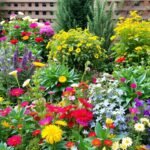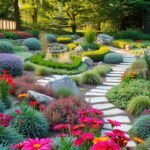
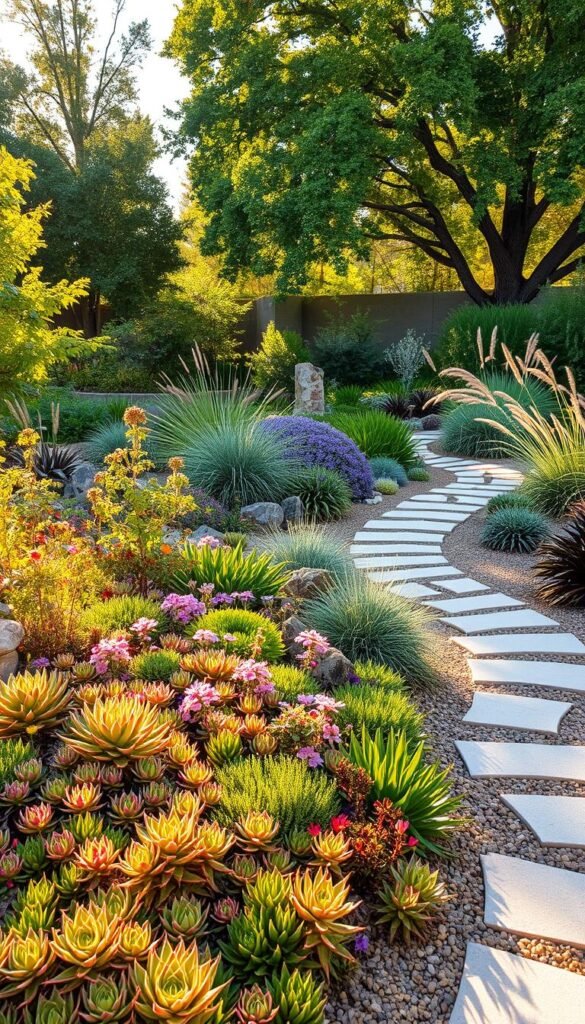
Imagine stepping into a vibrant outdoor space that practically cares for itself. Modern life leaves little room for constant weeding and pruning, but that doesn’t mean you must sacrifice natural beauty around your home. Smart landscaping combines hardy plants with clever design to create spaces that flourish with minimal fuss.
Many homeowners are discovering how strategic planning reduces yard work while boosting curb appeal. By focusing on drought-resistant native plants and efficient layouts, you can slash watering time and say goodbye to endless maintenance. Our guide to stress-free greenery reveals how to work with nature’s rhythms rather than against them.
This approach isn’t just about saving hours – it’s about creating resilient ecosystems. Proper plant selection and spacing prevent disease spread, while mulch layers suppress weeds naturally. You’ll enjoy more weekends relaxing in your yard rather than laboring in it.
From water-wise irrigation systems to wildlife-friendly perennials, these methods help your landscape thrive through seasons. Discover how simple changes can transform your outdoor area into a self-sustaining retreat that impresses neighbors and supports local pollinators.
Understanding the Low-Maintenance Garden Concept

A garden that practically tends itself isn’t a fantasy—it’s about working smarter, not harder. By aligning your space with nature’s patterns, you create an environment where plants thrive without constant babysitting. This approach focuses on reducing repetitive chores while enhancing your yard’s natural charm.
What Makes a Space Effortless to Manage?
Success starts with choosing greenery that matches your region’s rainfall and soil. Native species need less water and fight off pests naturally. Grouping plants with similar needs cuts watering time, while strategic spacing prevents overcrowding and disease.
Hardy ground covers like creeping thyme replace thirsty grass, and stone pathways minimize muddy footprints. These thoughtful swaps create visual interest while slashing weekly chores. For more insights, explore these proven strategies that keep yards beautiful year-round.
Nature Does the Heavy Lifting
Sustainable designs mimic local ecosystems. Birds and beneficial insects become your allies, controlling pests naturally. Rain barrels collect water for dry spells, and compost feeds plants without chemicals.
Over time, these systems grow stronger. Your outdoor space becomes a living network where every element supports the others. You’ll spend weekends sipping lemonade instead of pushing a mower—the true mark of smart landscaping.
Benefits of a Sustainable Low-Maintenance Garden
Smart landscaping isn’t just about looks—it’s a lifestyle upgrade that gives you freedom. By focusing on resilient plants and efficient systems, you create spaces that work with nature rather than against it. Let’s explore how these spaces become personal sanctuaries and environmental assets.
Reclaim Your Weekends
Traditional yards demand hours of watering, weeding, and trimming. Switch to native species and automated irrigation, and watch your chore list shrink. Drip systems target roots directly, cutting water use by 70% compared to sprinklers. You’ll gain hours weekly for hobbies or family time.
Nature Gets Stronger
These spaces do more than save time—they heal ecosystems. Drought-resistant varieties need less fertilizer, protecting waterways from runoff. Birds and pollinators flock to native blooms, creating balanced habitats. By adopting sustainable landscaping principles, you help reverse habitat loss.
Your choices ripple outward. Less mowing means lower emissions, while healthy soil stores carbon. Over time, these practices create landscapes that give back—beauty that supports life while demanding little in return.
Key Principles Behind Low-Maintenance Garden Design

Building an outdoor space that thrives independently starts with intentional choices. Two factors determine success: materials that withstand local weather and greenery that grows effortlessly in your region.
Selecting the Right Materials and Plants
Start by matching your picks to your yard’s natural conditions. Native species adapt to your soil type and climate automatically, needing less water and pest control. For example, lavender thrives in dry, rocky areas, while ferns prefer shaded, moist spots.
Perennials like coneflowers or hostas outshine annuals for easy care. They return yearly, saving you replanting time. Pair them with drought-resistant grasses for texture that lasts through seasons.
| Plant Type | Water Needs | Maintenance Level |
|---|---|---|
| Native shrubs | Low | Minimal pruning |
| Ornamental grasses | Moderate | Annual trimming |
| Stone pathways | None | Occasional sweeping |
Group plants by their needs. Create zones for sun-lovers, shade-dwellers, and moisture-seekers. This approach cuts watering time by 40% and prevents overgrowth.
Local materials boost efficiency. Gravel mulch suppresses weeds better than bark in arid regions. For cost-effective solutions, use repurposed stones or broken concrete as edging.
Always consider mature sizes when spacing greenery. Crowded plants compete for resources, leading to more work. Smart placement today means fewer headaches tomorrow.
Designing a Low-Maintenance Garden: Sustainable Practices for Busy Gardeners

Transform your yard into organized zones that practically care for themselves. By dividing your garden into purposeful areas, you create a layout that simplifies care while boosting functionality. This method turns chaotic spaces into efficient, beautiful retreats.
Start by mapping sections based on plant needs. Group sun-loving herbs in one spot and shade-tolerant ferns in another. This clustering lets you water and feed plants efficiently—no more running around with hoses or forgetting which bed needs attention.
Define spaces for activities you love. Create a gravel patio for morning coffee surrounded by self-sufficient lavender. Designate a play zone with durable clover grass that withstands foot traffic. Keep your tomato patch separate from ornamental areas to simplify care routines.
Pathways become your secret weapon. Stone walkways or mulch trails prevent soil compaction and guide movement. They protect planting beds while adding visual structure. You’ll spend less time weeding edges and more time enjoying your outdoor space.
Smart zoning reduces overall upkeep. High-care vegetables get focused attention, while drought-resistant perennials thrive unattended. This approach makes gardening feel manageable, even with a packed schedule. Your yard becomes multiple mini-environments, each designed for success.
Remember: clear boundaries prevent overwhelm. Use native shrubs or decorative rocks to separate zones naturally. You’ll create a low-maintenance gardening paradise where every area serves a purpose—and maintains itself beautifully.
Smart Plant Selection for Minimal Upkeep

Your garden’s workload shrinks when you let plants do what they do best. Choosing varieties that naturally thrive in your area means less watering, fewer pest issues, and more time enjoying your outdoor space.
Nature’s Perfect Partners
Native species like purple coneflower and black-eyed Susan adapt effortlessly to local conditions. These champions survive rainfall patterns and soil types without special treatment. They also support butterflies and bees better than exotic imports.
Built-In Resilience
Succulents and perennials form the backbone of easy-care spaces. Agave and aloe store water in fleshy leaves, thriving in dry spots where other plants struggle. Lavender offers fragrant blooms in full sun areas with poor soil.
| Plant Type | Water Needs | Sunlight | Maintenance |
|---|---|---|---|
| Agave | Low | Full sun | Trim spent blooms |
| Salvia | Moderate | Partial shade | Deadhead flowers |
| Lavender | Low | Full sun | Annual pruning |
Group sun-loving varieties together to simplify watering. Pair succulents with gravel mulch for a desert-inspired display that requires minimal attention. For urban spaces, explore these low-maintenance plants perfect for container gardening.
Perennials like salvia return each year, saving you replanting time. Their deep roots access water during dry spells, making them ideal for unpredictable weather. With smart choices, your garden becomes a self-reliant ecosystem that grows lovelier with age.
Efficient Irrigation Systems and Watering Strategies

Keep your plants thriving without daily hose duty. Modern watering solutions eliminate guesswork while conserving resources. Smart technology and simple upgrades work together to maintain ideal moisture levels automatically.
Precision Watering with Drip Systems
Drip irrigation delivers hydration straight to root zones through tiny emitters. This method uses 45% less water than sprinklers while preventing leaf diseases. Pair it with programmable timers, and your plants get consistent drinks even when you’re away.
- Customizable tubing layouts adapt to any garden shape
- Adjustable flow rates cater to different plant needs
- Prevents soil erosion and nutrient runoff
Harvest Nature’s Water Supply
Rain barrels capture free hydration from downspouts. Connect them to your irrigation system for gravity-fed watering during dry spells. This approach cuts municipal water use while protecting plants from chemical-treated supplies.
| System Type | Water Savings | Setup Complexity |
|---|---|---|
| Drip Irrigation | Up to 70% | Moderate |
| Rain Barrel | 30-50% | Easy |
| Smart Controller | 20-40% | Advanced |
WiFi-enabled controllers take efficiency further. These devices skip watering when storms approach and increase output during heatwaves. Your irrigation system becomes a responsive partner that adapts to real-time conditions.
Low-Maintenance Mulching and Soil Management Tactics
Your garden’s secret weapon lies beneath the surface. Proper soil care paired with smart mulching cuts weeding time and boosts plant health. These strategies work together to create thriving beds that need less fuss.
Organic Mulch Options to Suppress Weeds
A 3-inch layer of organic material blocks sunlight from weed seeds while locking in moisture. Bark chips offer long-lasting coverage, while straw breaks down faster to feed soil. Compost mulch doubles as nutrition, enriching earth as it decomposes.
“Mulch is nature’s multitasker – it beautifies beds while suppressing weeds naturally.”
| Mulch Type | Weed Control | Moisture Retention |
|---|---|---|
| Bark Chips | Excellent | High |
| Straw | Good | Moderate |
| Compost | Fair | High |
Improving Soil Health with Compost and Mulching
Combine mulch with homemade compost for a powerhouse duo. This mix feeds beneficial microbes that fight weed growth and improve soil structure. As materials break down, they release nutrients slowly – like a vitamin drip for your plants.
Apply mulch 2 inches from plant stems to prevent rot. Replenish layers annually to maintain moisture balance and suppress new weeds. For chemical-free soil enrichment, explore organic gardening basics that complement these methods.
Healthy soil grows stronger each season. You’ll spend less time watering and weeding – and more enjoying your lush, self-sustaining garden.
Practical Garden Zoning and Landscape Organization
Think of your yard as a collection of purposeful spaces. Grouping greenery by its needs creates an efficient layout that practically maintains itself. This strategy cuts your workload while making every area feel intentional and inviting.
Create Activity-Specific Zones
Start by mapping sunny spots for herbs and shaded corners for ferns. Cluster plants with matching water needs to simplify irrigation. A cozy seating nook with aromatic lavender becomes your morning retreat, while clover grass handles playtime chaos.
Dedicate separate areas for veggies and ornamentals. Clear boundaries prevent overgrowth and simplify care routines. Replace thirsty lawn patches with gravel pathways or native ground covers – you’ll save hours on mowing.
Hardscaping Boosts Functionality
Stone walkways guide foot traffic while protecting beds. Add a mini fire pit surrounded by drought-tolerant grasses for evening gatherings. These elements add structure and reduce muddy footprints.
For decorative touches, try repurposed containers as movable planters. They let you rearrange your space seasonally without digging. With smart zoning and durable materials, your garden becomes an organized oasis that thrives on autopilot.