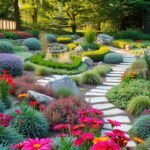

Did you know nearly 80% of the world’s food and plants rely on pollinators? These tiny heroes—like bees, butterflies, and birds—keep ecosystems thriving by transferring pollen between flowers. Without them, our plates would look empty, and landscapes would lose their vibrant colors. The U.S. Fish and Wildlife Service that supporting these species starts right in your backyard, balcony, or community space.
Creating a space for pollinators isn’t just about beauty—it’s about survival. Your efforts provide critical food sources like nectar and pollen, along with safe nesting spots. Research shows gardens with five or more flower types attract four times more wildlife. By choosing native plants, you’ll build a sustainable habitat tailored to local species, from monarchs to hummingbirds. Studies confirm that even small green spaces can boost biodiversity by 60% or more.
Imagine your yard buzzing with life while helping fruits, vegetables, and wildflowers flourish. This guide will show you how to select plants that bloom year-round, avoid harmful chemicals, and design a haven that supports entire life cycles. Ready to turn your patch of earth into a powerhouse for nature? Let’s dive in.
Planning Your Garden Layout and Site Selection
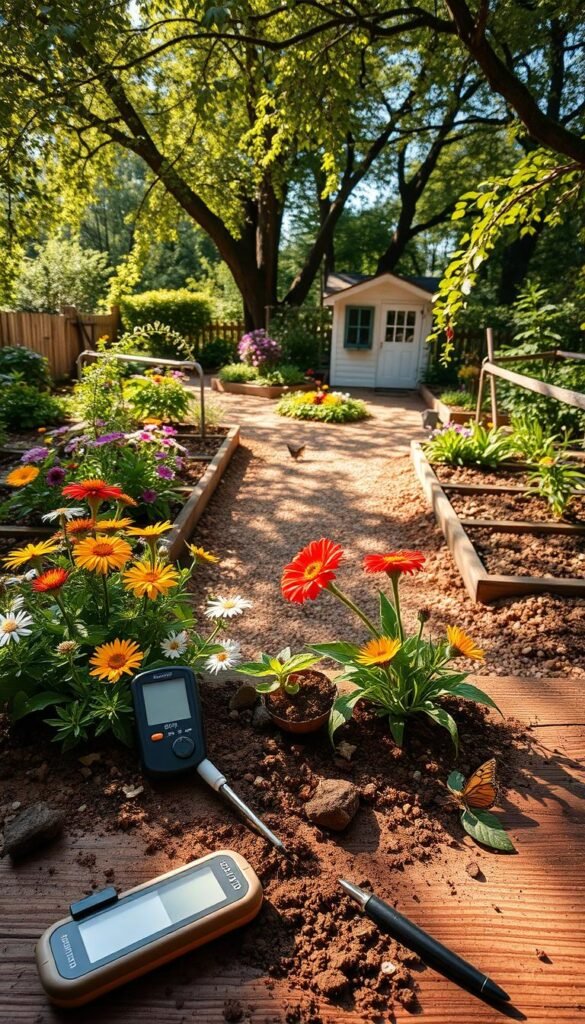
Your space’s success starts with smart positioning. Most pollinators need warmth and protection—so think like a butterfly when scouting spots. Aim for areas that get 6-8 hours of daily sunlight, perfect for wildflowers while offering windbreaks like fences or shrubs.
Choosing the Ideal Location for Sunlight and Shelter
Watch how light moves across your yard. Morning sun helps dry dew, reducing mold risks. Afternoon shade protects delicate blooms. Windy? Cluster sturdier plants on the exposed side as natural shields.
Assessing Your Soil Type and Environmental Conditions
Grab a handful of earth. Sandy soil crumbles quickly—ideal for drought-tolerant species. Clay holds moisture longer, suited for plants like milkweed. Pro tip: Use free county soil maps to confirm your findings.
Track water drainage after rain. Puddles lasting hours? Add compost to improve flow. Match plants to these conditions, and you’ll create a low-maintenance oasis where roots thrive naturally.
Selecting Native Plants and Blooming Varieties for Year-Round Nectar
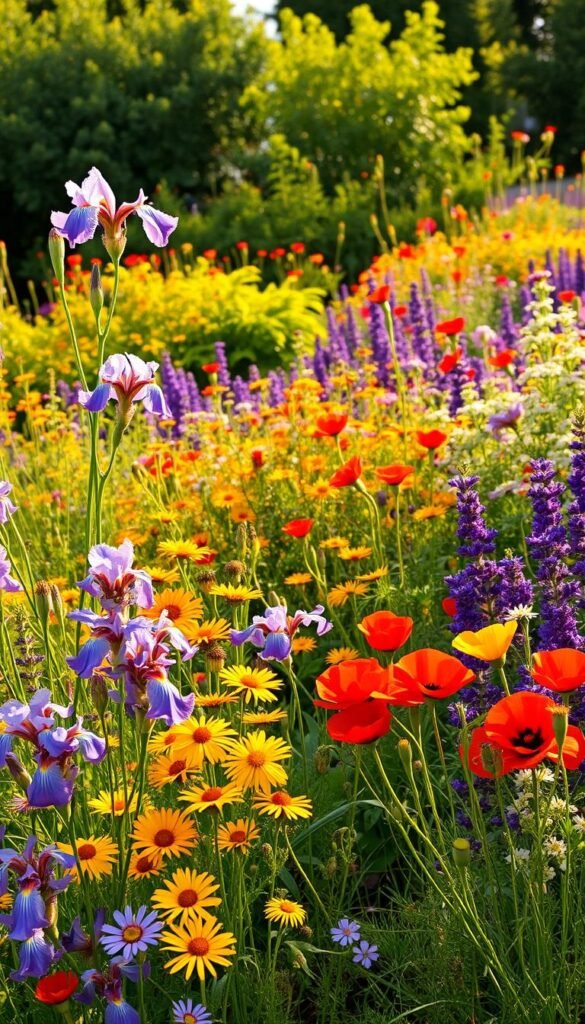
Nature’s calendar never stops—and neither should your garden’s buffet. Local pollinators thrive when their favorite native plants grow nearby. These species evolved alongside bees and butterflies, offering perfect nectar chemistry and bloom schedules.
Researching Plants That Bloom at Different Times
Mix early risers like wild bergamot with late bloomers like goldenrod. Aim for three seasons of flowers: spring bulbs, summer coneflowers, and fall asters. Local extension offices often provide free bloom-time charts.
Perennials like milkweed and black-eyed Susans return yearly, saving time and money. Pair them with container-friendly wildflowers for patios or balconies. Diversity keeps pollinators fed during migrations.
Finding Pesticide-Free, Native Choices Near You
Ask nurseries for untreated plants—many pesticides linger in pollen. Search databases like the Native Plant Trust or contact master gardeners for regional recommendations. Pro tip: Check plant tags for phrases like “pollinator-friendly” or “neonicotinoid-free.”
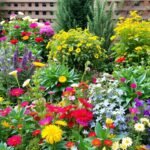
Local plant sales often feature rare species adapted to your soil. Start small with 5–7 varieties, focusing on colors and shapes that attract specific pollinators. Hummingbirds adore tubular red blooms, while bees prefer flat, open flowers.
Designing a Pollinator Garden: Attracting Bees, Butterflies, and Birds

Strategic planning transforms your space into a pollinator hotspot. This stage involves choosing the right plants and arranging them to maximize visits from winged guests.
Deciding Between Seeds and Nursery-Started Plants
Seeds save money for large areas but demand patience. For summer blooms, scatter them in fall or late winter. They’re ideal if you’re starting early and want cost-effective coverage. Nursery plants, while pricier, bring instant color and attract pollinators within weeks. Pair them with beginner-friendly blooms for quick wins.
Planning an Attractive Layout for Pollinator Visits
Mix tall sunflowers with low-growing thyme for layered appeal. Hummingbirds dart toward vertical, trumpet-shaped flowers, while bees hover over flat-topped yarrow. Group same-color plants in drifts to help pollinators spot them easily.
Add winding pathways between beds for easy access. Contrast spiky salvia with round coneflowers to create visual interest. This approach keeps your garden buzzing from spring through fall.
Creating a Healthy Pollinator Habitat with Essential Features
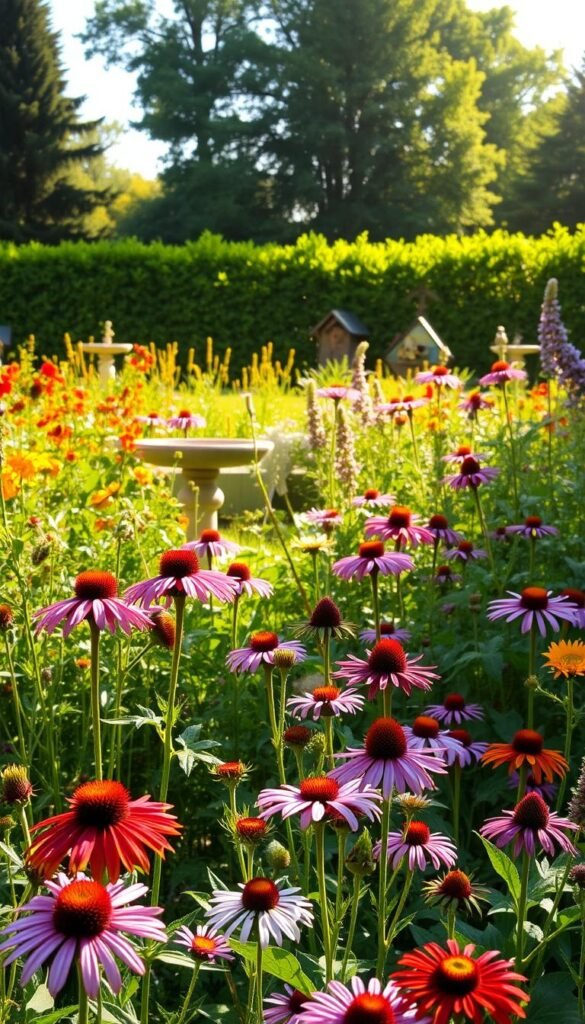
True pollinator support means providing the basics: shelter, water, and safe spaces. Your habitat becomes a lifeline when you address their year-round needs beyond blooming seasons.
Incorporating Water Sources and Nesting Sites
Did you know 7 out of 10 native bees nest in bare ground? Leave small soil areas free of mulch for their tunnels. Brush piles with sticks or hollow stems also create perfect nesting sites for butterflies and beetles.
Add shallow dishes with pebbles for drinking spots. Refresh water every two days to prevent mosquitoes. For larger spaces, consider a dripping fountain—birds and butterflies love the gentle sounds.
Minimizing Pesticide Use and Maintaining Diversity
Skip the bug sprays—even “natural” ones can harm pollinators. Many lawn treatments targeting ants or mosquitoes contain hidden chemicals. Instead, invite predator insects like ladybugs to manage pests naturally.
Hold off spring raking until temperatures hit 50°F consistently. Fallen leaves protect moth larvae and beetle eggs through winter. This simple delay safeguards next year’s habitat helpers without extra effort.
Wrapping Up Your Pollinator Garden Journey
Every small effort adds up when creating spaces for nature’s helpers. Start with a few native plants you love—a container of milkweed or cluster of coneflowers works wonders. You’ll build confidence while giving pollinators immediate food sources.
Before digging, check local guidelines. Some neighborhoods allow wilder gardens in backyards while requiring tidy front yards. This “mullet gardening” approach balances rules with habitat needs. A simple sign explaining your flowers helps neighbors appreciate buzzing visitors.
Remember—change takes time. It might take weeks for butterflies to find your new pollinator garden. Share progress online or host a plant swap to inspire others. Even balcony gardens provide crucial pit stops during migrations.
Your patch of earth matters. Whether you plant five flowers or fifty, you’re stitching together a living network across communities. Keep learning, stay curious, and watch how tiny wings transform your space into something extraordinary.