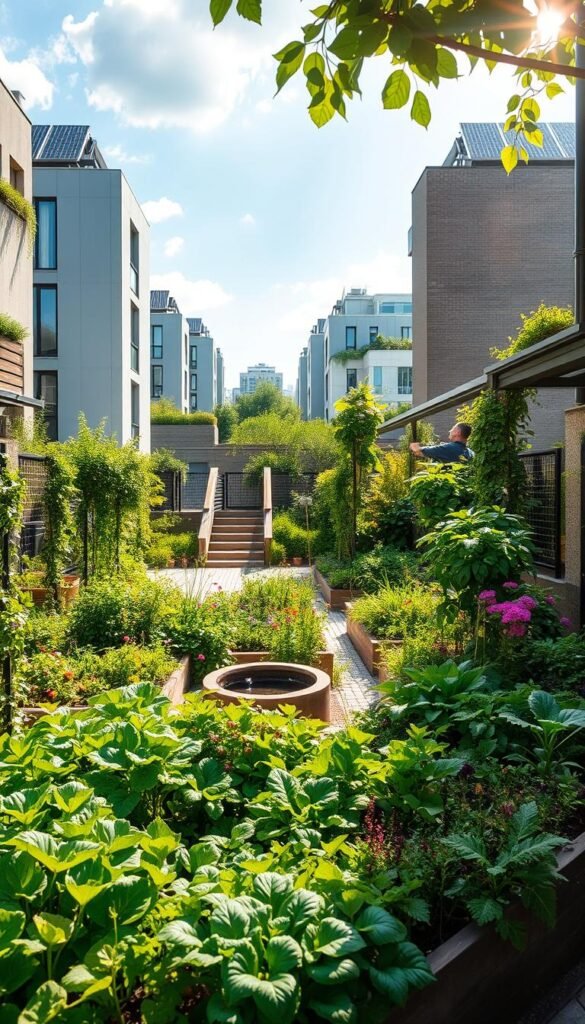
Imagine turning your balcony, rooftop, or backyard into a vibrant green space that powers itself while giving back to the planet. This guide shows how blending smart design and clean tech can help you craft an outdoor area that’s both beautiful and functional.
You’ll learn to balance modern energy solutions with nature’s rhythms. From solar-powered lighting to rainwater collection systems, we’ll explore how these features cut costs and reduce your environmental footprint. Did you know some neighborhood groups save over $1,200 yearly using smart water strategies?*
Our approach builds on three pillars: aiming high for ecological goals, adjusting to city living challenges, and maximizing community benefits. These ideas work whether you’re refreshing a small patio or teaming up with others through local garden projects.
By the end, you’ll have practical steps to create spaces that cool city heat islands, improve air quality, and even grow fresh food. Let’s build outdoor areas that look good, feel welcoming, and do good – starting right where you live.
Understanding Urban Sustainability and Eco-Friendly Garden Concepts
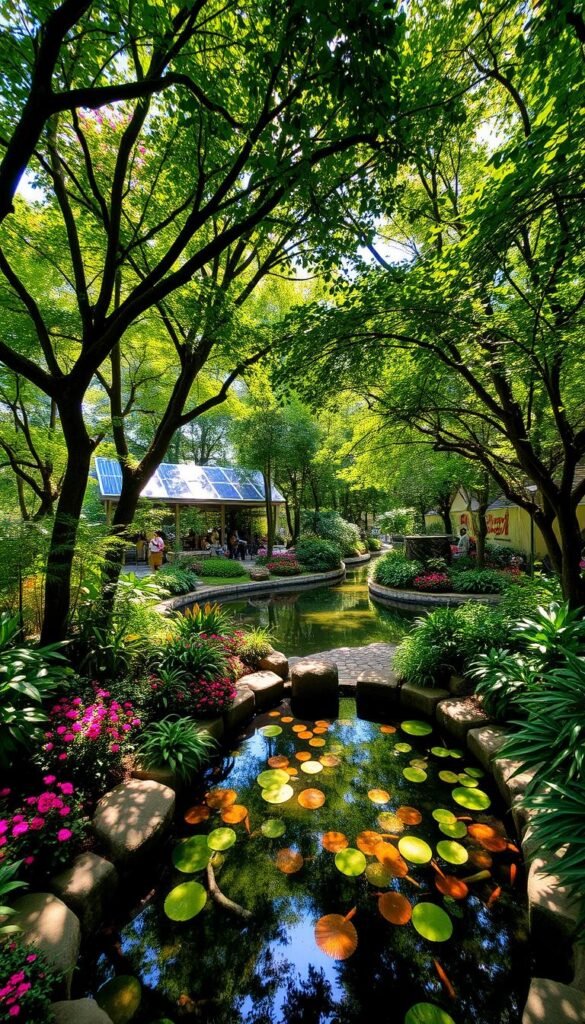
Green spaces act like natural air filters in cities. They absorb pollutants while cooling streets during heatwaves. Think of them as living tools that tackle modern challenges like poor air quality and extreme temperatures.
The Role of Green Spaces in Urban Environments
Pocket parks and rooftop gardens do more than beautify neighborhoods. They create habitats for birds and pollinators while giving people peaceful spots to recharge. Studies show areas with ample greenery report 20% lower stress levels among residents.
Environmental and Social Benefits
Well-planned green areas offer dual advantages for communities and ecosystems. Check how these benefits stack up:
| Benefit Type | Key Features | Impact |
|---|---|---|
| Environmental | Carbon absorption Stormwater control |
Reduces flooding risks Cools local temperatures |
| Social | Community gardens Walking trails |
Boosts neighborhood bonds Encourages outdoor activity |
Water features like rain gardens help manage runoff while supporting aquatic life. Native plants require less maintenance and attract beneficial insects. These elements work together to create healthier, more resilient cities.
Exploring Landscape Definitions and Urban Garden Design Principles
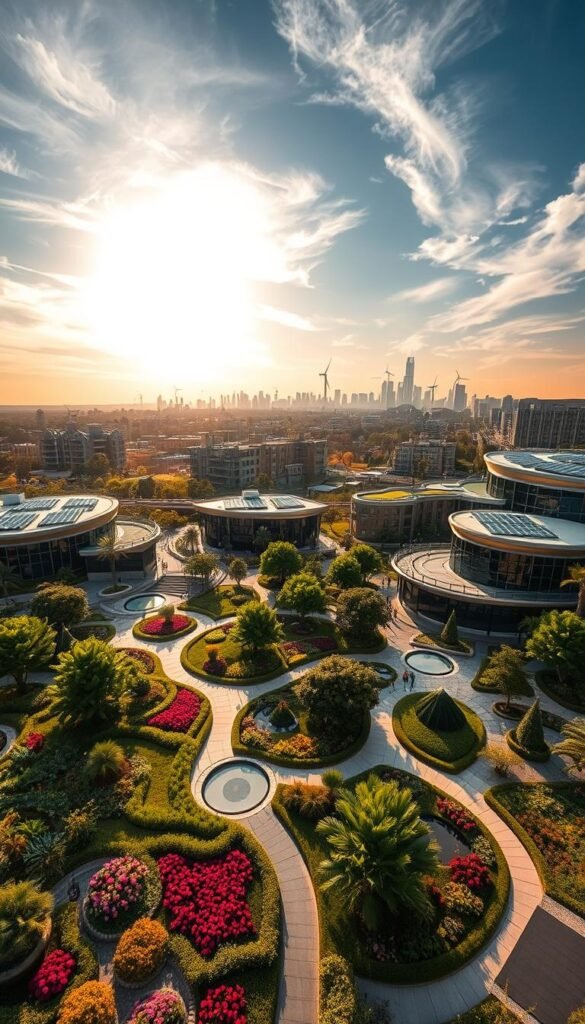
Landscapes tell stories through their blend of nature and human creativity. The European Landscape Convention defines them as areas shaped by both natural processes and human activity. This concept becomes powerful when applied to city settings, where smart design transforms concrete spaces into living ecosystems.
Blending Nature with City Structures
Successful urban landscapes balance beauty and purpose. Think green walls that cool buildings while hosting pollinators, or rain gardens that manage stormwater and add visual interest. The key lies in choosing elements that serve dual roles – native plants beautify space while needing less water and care.
What Research Reveals
Studies of eco-friendly projects show clear patterns for success. Check how classic and modern approaches compare:
| Approach | Key Features | Benefits |
|---|---|---|
| Traditional | Ornamental plants Decorative paths |
Visual appeal Cultural identity |
| Sustainable | Native species Solar-integrated structures |
Lower maintenance Energy production |
These findings highlight how land use planning can maximize resources. For example, community gardens in Detroit combine food production with solar-powered irrigation. Your project can adopt similar strategies – start by mapping sunlight patterns and soil quality before choosing plants or energy systems.
By viewing your garden as part of larger urban landscapes, you create spaces that work smarter. They’ll support local wildlife, cut utility bills, and reflect your neighborhood’s unique character – all while staying easy on the eyes.
Designing a Sustainable Urban Garden with Renewable Energy Features
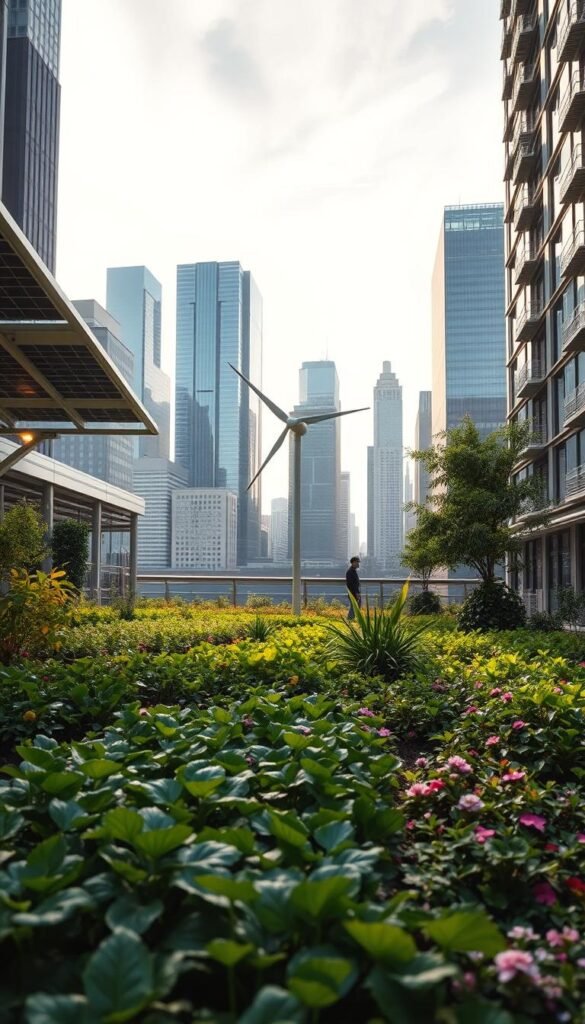
City spaces need clever energy solutions that work within tight quarters. Picture solar panels doubling as shaded seating areas or wind turbines hidden in decorative sculptures. These innovations turn limitations into opportunities for eco-friendly power.
Start by mapping your space’s potential. Rooftops can host compact solar arrays, while vertical surfaces might support climbing plants with built-in micro-turbines. The table below shows common hurdles and smart fixes:
| Urban Challenge | Creative Solution | Key Benefit |
|---|---|---|
| Limited ground space | Multi-level solar pergolas | Generates power + provides shade |
| Building height restrictions | Low-profile wind catchers | Harvests breezes discreetly |
| Historic district rules | Camouflaged solar roof tiles | Preserves aesthetics + functionality |
Your layout should marry form and function. Try embedding solar cells into walkway lights or using kinetic pavers that store footstep energy. These design choices keep your space looking sharp while producing clean power.
Always check local codes before installing systems. Some cities offer fast-track permits for projects using approved renewable sources. Pair your tech with creative gardening ideas that boost both beauty and energy output – think edible plants under solar panels or rain barrels styled as modern art.
Successful urban gardens prove eco-tech can enhance city living. They cut energy bills, support pollinators, and give neighbors fresh ways to connect with nature – all from your block’s own green power station.
Planning and Site Analysis for Your Urban Oasis
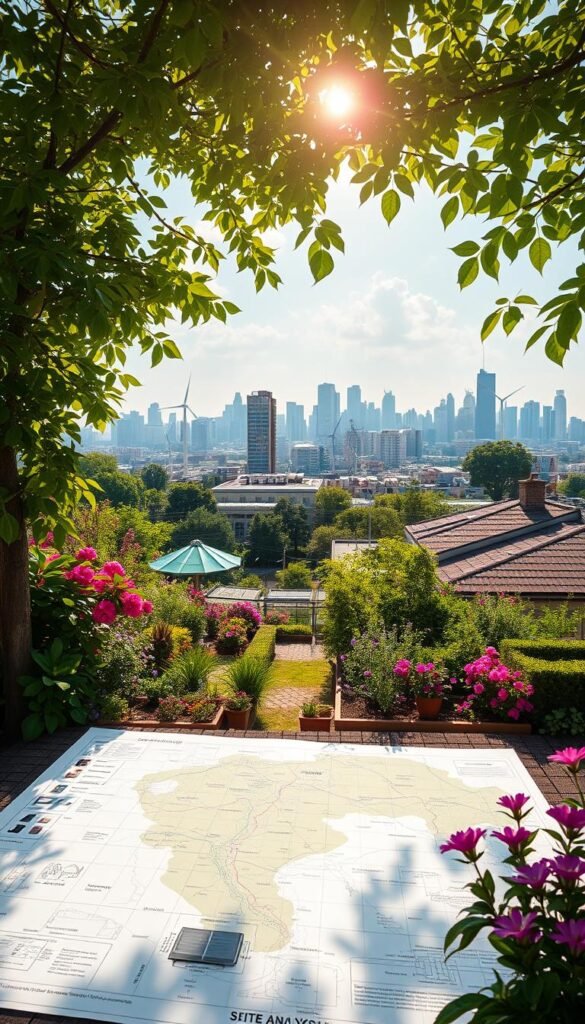
Creating an eco-friendly retreat starts with smart groundwork. Before choosing plants or solar panels, you’ll need to decode your space’s hidden potential. Think of it as detective work – uncovering how sunlight dances across your balcony or which walls catch the best breezes.
Assessing Space Limitations and Urban Challenges
City living often means working with tight quarters and strict rules. Start by measuring your available area – every inch counts when balancing green tech with greenery. Ask yourself: How many hours of direct sunlight does your space get? Could that fire escape wall support vertical planters?
Common hurdles like limited ground space become opportunities with creative urban planning. Rooftops can host compact solar arrays, while narrow alleys might house rainwater collection systems. Consider noise levels, building codes, and nearby structures that cast shadows.
Conducting a Comprehensive Site Survey
A thorough analysis reveals your site’s true personality. Track sunlight patterns for a week using free apps like Sun Seeker. Test soil quality with DIY kits – crucial for choosing low-maintenance plants. Note existing features like electrical outlets or drainage points that could support energy systems.
This process helps prioritize your needs versus wants. Maybe a solar-powered water pump beats ornamental lighting, or native shrubs work better than exotic flowers. Document everything – these insights become your blueprint for elevating your space sustainably.
Smart management of your findings leads to smarter designs. Pair your notes with local climate data to create a garden that thrives year-round. Remember: Time spent planning now prevents costly changes later, turning urban challenges into your greatest assets.
Incorporating Renewable Energy Systems into Your Urban Garden
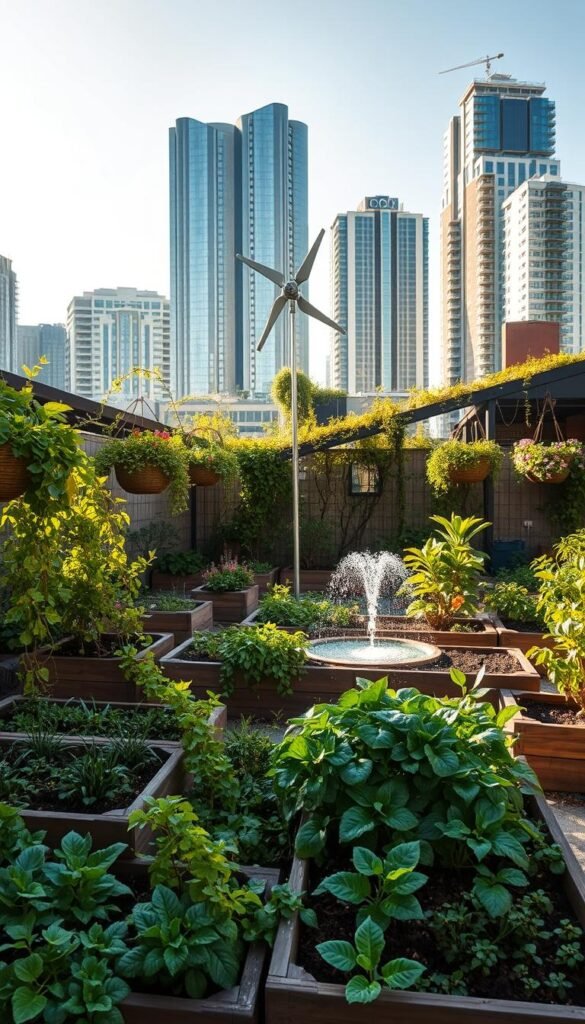
City rooftops hold untapped potential for clean power generation. Modern solar technology lets you turn underused spaces into energy hubs that blend seamlessly with green areas. The key lies in choosing systems that work smarter, not harder.
Utilizing Rooftop Solar Panels and BIPV
Thin-film solar panels now weigh 80% less than traditional models, making them perfect for balcony railings or pergola roofs. Building-integrated photovoltaics (BIPV) take this further by replacing conventional materials. Solar roof tiles or window coatings generate electricity while maintaining your space’s visual flow.
| Approach | Features | Benefits |
|---|---|---|
| Traditional Solar | Ground-mounted panels Separate installation |
High output Easy maintenance |
| BIPV Systems | Integrated materials Custom designs |
Space efficiency Architectural harmony |
“Solar-integrated green roofs can reduce building energy use by up to 55% while supporting plant growth.”
Energy-Efficient Retrofitting Techniques
Upgrade existing structures with these smart fixes:
- Replace old gutters with solar-lined versions that power irrigation pumps
- Install smart controllers that adjust lighting based on plant needs
- Use reflective surfaces to boost solar panel efficiency by 15-20%
These solutions help your garden serve dual purposes. A solar awning might power LED grow lights while shading herbs from midday heat. Always consult local experts to navigate permits and maximize incentives – many cities offer rebates for integrated systems.
Innovative Renewable Energy Solutions for Compact Urban Areas
Imagine harnessing wind and sun in the narrow gaps between buildings. Modern cities now offer surprising opportunities for clean power through smart multi-use designs. These solutions turn tight spaces into energy generators while enhancing your green oasis.
Sky-High Energy Harvesters
Vertical wind turbines reshape how cities capture breezes. Their compact spiral designs work in alleyways and rooftops, generating power from turbulent urban airflow. Many double as artistic trellises for climbing plants or support structures for vertical gardens.
| Feature | Traditional Turbines | Vertical Designs |
|---|---|---|
| Space Needed | 30+ sq ft | 4 sq ft base |
| Noise Level | 45-50 dB | |
| Multi-Use Options | Limited | Plant supports Lighting bases |
Shared Solar for City Dwellers
Can’t install panels? Community solar programs let you tap into off-site farms. For a small subscription fee, you’ll receive credits on your utility bill while supporting clean energy production. Over 40 states now offer these shared resources.
“Subscribers save 10-15% on energy costs while reducing carbon footprints by 3-5 tons annually.”
These approaches tackle two urban challenges at once. They cut emissions while creating social hubs where neighbors exchange gardening tips under solar-charged lights. Some projects even pair shared energy with community compost systems.
Ready to start? Check local co-op boards or energy providers for existing programs. Many cities offer maps showing optimal spots for vertical turbines based on wind patterns. Your small contribution becomes part of a larger solution for cleaner living spaces.
Cost Considerations and Regulatory Compliance for Urban Renewable Solutions
Upfront expenses for clean power systems might seem daunting, but smart planning unlocks hidden savings. Let’s break down how to balance budgets while meeting local rules – your roadmap to affordable eco-tech.
Understanding Local Zoning and Building Codes
City rules shape what you can install. For example, solar panels might need setback requirements in historic districts. Always check permit needs before purchasing equipment – some areas fast-track approvals for approved renewable energy systems.
| Funding Type | Average Savings | Eligibility |
|---|---|---|
| Federal Tax Credits | 26-30% of costs | Residential + Commercial |
| State Grants | $1,000-$15,000 | Low-income areas |
| Utility Rebates | $0.10-$0.50 per watt | Grid-connected systems |
Leveraging Financial Incentives and Grants
The solar ITC remains a game-changer, letting you claim 30% of installation costs on taxes. Pair this with state programs like New York’s NY-Sun initiative for stacked savings. Nonprofits often fund community projects – Denver’s program covers 75% of shared solar costs.
“Homeowners who combine federal and local incentives typically recover their energy investment 40% faster.”
Smart management of these resources helps you invest without compromising future flexibility. Track expiration dates for tax credits and prioritize upgrades with the fastest payback periods. Many cities now offer free permit consultations – use these government services to avoid costly mistakes.
Designing a Garden that Balances Ecology and Aesthetics
Your outdoor area becomes a living canvas when ecological health meets visual charm. Studies show 78% of city residents prefer spaces that combine wild elements with intentional design. This balance creates environments where butterflies flutter past eye-catching blooms and herbs grow beside decorative stones.
Boosting Life Through Smart Plant Choices
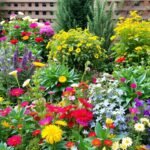
Native species like milkweed and purple coneflower attract pollinators while needing minimal care. Layer plants by height – tall sunflowers behind medium shrubs and groundcover thyme. This approach creates habitats for different creatures while adding depth to your layout.
Visual Harmony in City Settings
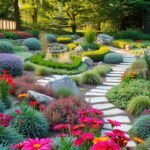
People naturally gravitate toward spaces using repeating shapes and color gradients. Try curving paths lined with alternating lavender and black-eyed Susans. Research reveals these patterns increase perceived beauty by 40% compared to random arrangements.
| Ecological Focus | Aesthetic Focus | Combined Benefit |
|---|---|---|
| Pollinator hotels | Color-coordinated blooms | Supports bees + creates visual rhythm |
| Rain gardens | Sculptural stone borders | Manages runoff + adds texture |
| Edible hedges | Geometric pruning | Provides snacks + clean lines |
“Gardens mixing food plants with ornamentals see 65% higher visitor satisfaction while producing 18 pounds of annual harvests.”
Incorporate fruiting trees as focal points – a persimmon tree offers autumn color and sweet treats. Use vertical planters with strawberries to save space while creating living walls. These choices demonstrate how green spaces can nourish both bodies and imaginations.
Remember to leave some areas slightly wild – a brush pile shelters beneficial insects and adds rustic charm. Your space becomes proof that life thrives where beauty and ecology shake hands.
Integrating Sustainable Water Management Strategies
Every drop counts when nurturing green spaces in concrete jungles. Smart water strategies keep plants thriving while protecting local ecosystems. These systems turn rainfall into valuable resources, cutting costs and supporting urban wildlife.
Capturing Nature’s Liquid Gold
Rain barrels and underground tanks let you store precipitation for dry days. Pair them with solar-powered pumps to move water efficiently through drip lines. This approach reduces municipal dependence while keeping edible plants hydrated.
Choose materials like recycled plastic containers or repurposed food-grade barrels. Permeable pavers and rain gardens help manage storm runoff naturally. They filter pollutants while creating mini-habitats for frogs and beneficial insects.
These techniques form resilient garden ecosystems that weather climate shifts. You’ll maintain lush greenery even during water restrictions. Plus, they complement renewable energy setups – imagine solar panels powering your irrigation schedule!
By thinking holistically about water management, your space becomes a self-sufficient oasis. It nourishes tomatoes and pollinators alike, proving sustainability and beauty grow best together.