
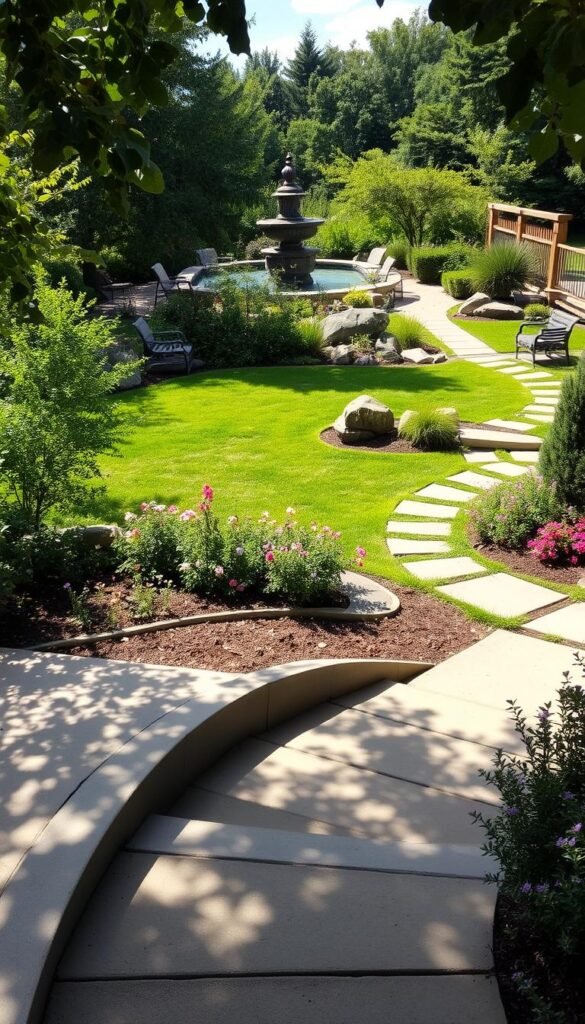
Imagine a place where everyone can connect with nature, regardless of physical ability. Thoughtful layouts and features turn ordinary yards into inviting retreats that empower people with mobility challenges. Whether it’s raised planting beds or smooth pathways, these modifications let individuals enjoy fresh air, sunlight, and the calming effects of greenery.
Did you know well-planned green areas can reduce stress by up to 60%? This statistic highlights why prioritizing universal design matters. For example, a handicap-accessible garden isn’t just practical—it boosts independence and creates shared joy. Even simple changes, like adding benches at strategic points, make spaces usable for wheelchair users and older adults.
Communities thrive when outdoor areas accommodate diverse needs. Studies show accessible layouts can increase property value by 5-15%, proving functionality and beauty go hand in hand. Explore creative gardening ideas that blend vertical planters with sensory-rich flowers to engage all visitors. From adaptive tools to sturdy seating, every detail fosters connection.
This guide will walk you through practical steps to build environments where no one feels excluded. You’ll learn how smooth surfaces, proper lighting, and flexible layouts remove barriers while keeping aesthetics intact. Let’s reshape how we interact with nature—one inclusive design choice at a time.
Understanding Accessible Garden Basics
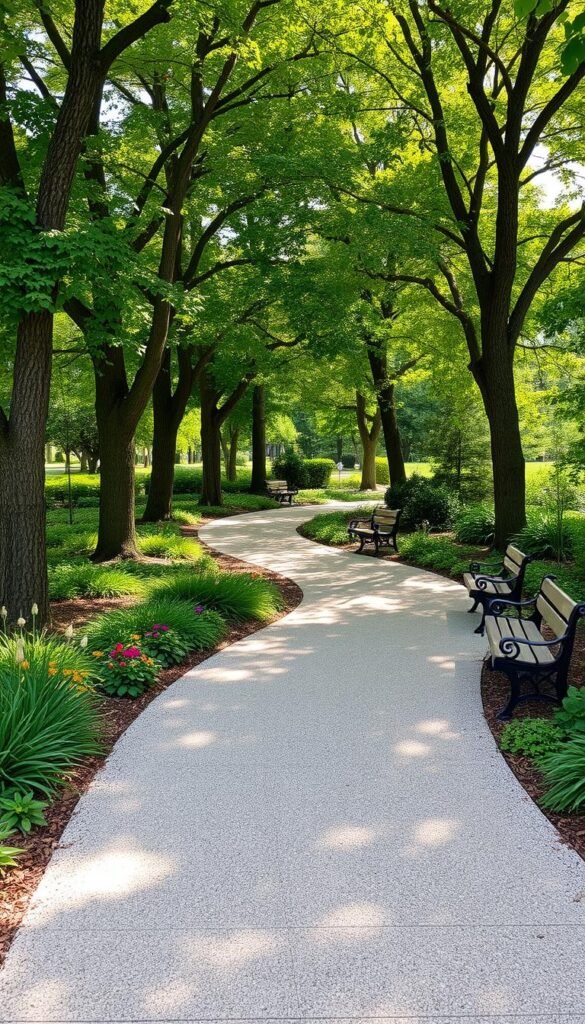
Creating spaces where everyone can enjoy nature starts with smart design choices. Focus on clear circulation and features that adapt to various abilities. Let’s explore how thoughtful planning creates welcoming environments for all.
Key Principles of Accessible Garden Design
Pathways need a minimum width of 1.2 meters for wheelchairs to move comfortably. Smooth surfaces like packed gravel or concrete prevent tripping. Avoid cracks or uneven slabs that could catch walker legs.
Include benches every 10-15 meters for rest breaks. Raised beds at 60-75 cm height let individuals tend plants without bending. This reduces strain on backs and knees.
Considerations for Different Mobility Needs
Wheelchair users require 1.5-meter turning circles at pathway intersections. Leave space beside seating areas for transferring from mobility aids. Wider gates (at least 90 cm) accommodate scooters and walkers.
Textured edges along paths help those with visual challenges navigate safely. Flexible layouts allow adjustments as needs change over time. Remember: good design grows with its users.
Key Elements of Inclusive Outdoor Spaces
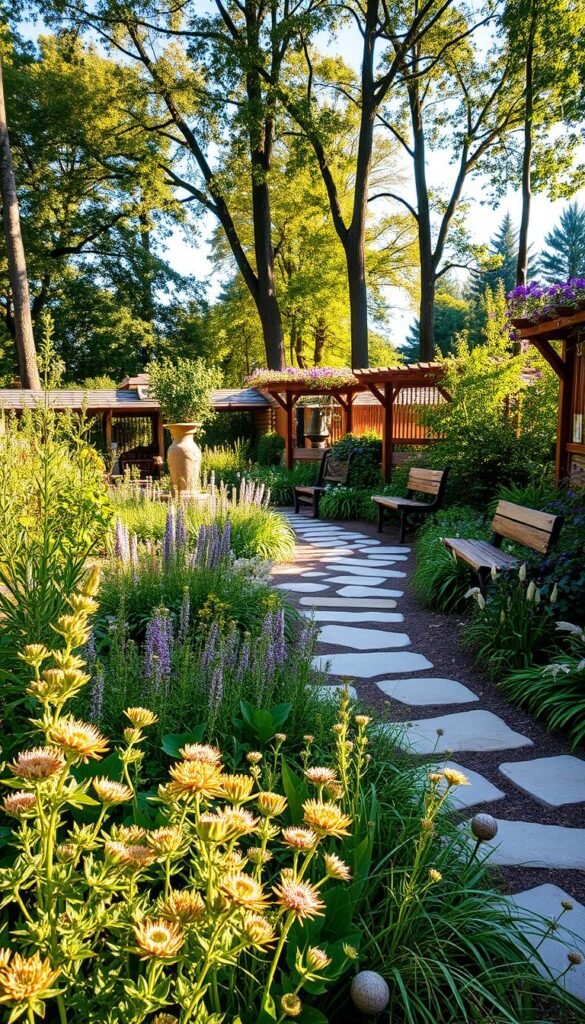
Engaging multiple senses transforms ordinary areas into welcoming retreats where everyone feels connected. By blending practical features with creative touches, you can craft environments that empower visitors of all abilities to explore confidently.
Integrating Sensory and Visual Features
Start with fragrant plants like rosemary or mint—their scents act as natural guides for those with limited vision. Pair them with textured pathways using materials like smooth stone or bark chips. These surfaces become tactile maps while adding depth to the garden experience.
Water features and wind chimes do more than look pretty. Their gentle sounds create calming audio cues, helping individuals orient themselves. For visual clarity, use bold color contrasts: bright marigolds against dark mulch or white garden edging along green lawns.
“A well-designed sensory space doesn’t just accommodate—it invites discovery through touch, sound, and scent.”
Balance is key. Designate quiet zones with shaded seating away from bustling areas. Combine vibrant flowers with restful greenery to prevent overwhelming visitors with sensory disabilities. Every element should serve dual purposes—a raised bed becomes both planting space and a tactile exploration station.
Planning Your Accessible Garden Layout

Mapping your green space starts with understanding how movement shapes enjoyment. Think of pathways as the veins connecting every corner of your garden. Smart layouts balance practicality with visual harmony, letting everyone explore freely.
Designing Accessible Pathways and Clearances
Pathways need at least 36 inches of width for wheelchairs. Keep surfaces flat—concrete or compacted gravel works best. Avoid sudden slopes or gaps that could trip walkers.
Place seating near focal points like flower beds or water fixtures. This lets individuals rest while enjoying views. Add extra space at bends for smooth 60-inch turning circles.
- Use curves instead of sharp corners to ease navigation
- Install low-voltage lights along edges to guide nighttime walks
- Leave 18 inches beside benches for mobility aid transfers
Lighting matters. Position fixtures to reduce glare while highlighting path edges. Solar-powered stakes or recessed lamps work well. For storage, build shallow shelves under seating areas for tools within easy reach.
“A well-planned path doesn’t just direct traffic—it invites discovery without barriers.”
Check sight lines from main walkways to key features. Trim plants below 30 inches to maintain visibility. With thoughtful planning, your garden becomes a seamless blend of beauty and independence.
Choosing Accessible Pathways and Circulation Options
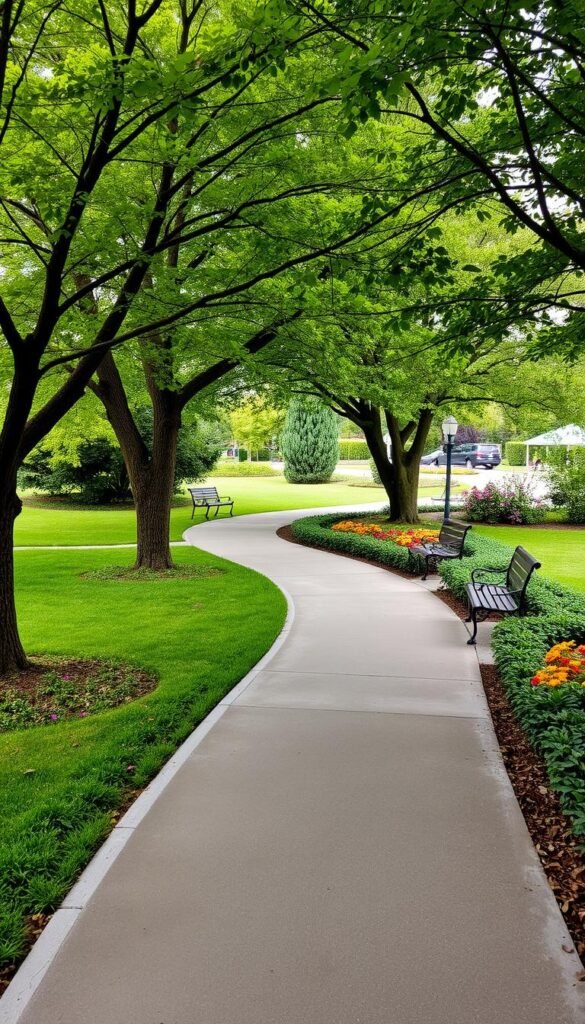
Pathways form the backbone of your garden’s accessibility. Selecting the right materials and safety features ensures smooth navigation for walkers, wheelchairs, and mobility scooters alike. Let’s explore how to create routes that feel secure while blending naturally with your landscape.
Selecting Smooth, Slip-Resistant Materials
Concrete and paving stones offer stable surfaces with minimal joints. Look for textured finishes or non-slip coatings—these prevent accidents during rain without creating bumpy rides. Compacted gravel works well for casual paths but requires frequent raking to maintain evenness.
Consider these options:
- Brushed concrete: Affordable, low-maintenance, and naturally slip-resistant
- Interlocking pavers: Allow creative patterns while providing firm traction
- Resin-bound gravel: Combines natural aesthetics with wheelchair-friendly smoothness
Implementing Handrails and Grab Bars for Support
Install rails at 34-38 inches high—the standard height for most adults. Use powder-coated steel or treated wood to withstand weather. Space posts 4-6 feet apart for consistent support along slopes or longer routes.
Pair handrails with subtle lighting for nighttime safety. Solar-powered LED strips can outline paths while illuminating grip areas. Remember: proper drainage prevents water from pooling near rails, reducing slip risks.
“A well-placed handrail does more than prevent falls—it gives users confidence to explore independently.”
Benefits and Design of Raised Beds and Elevated Gardening Solutions
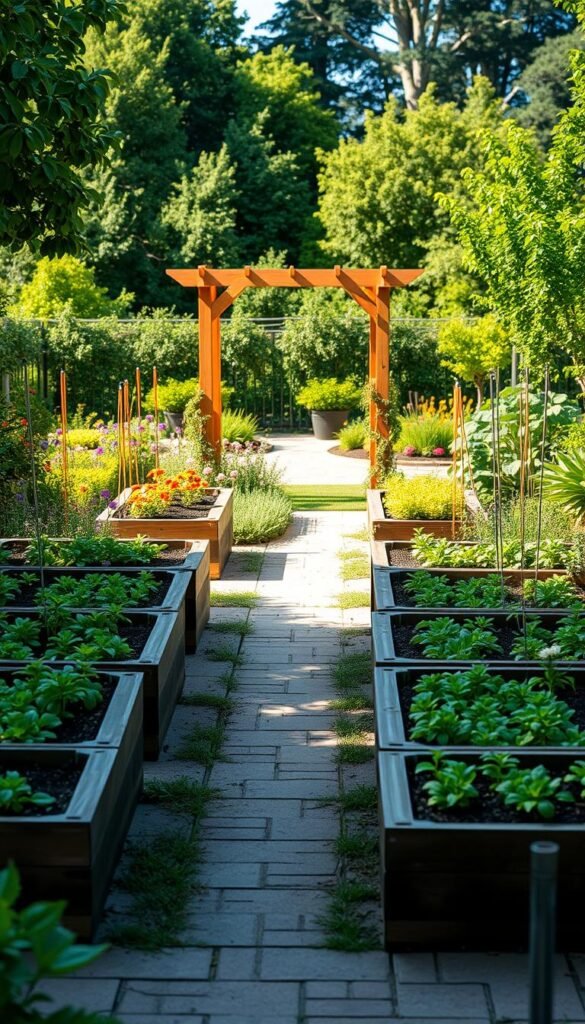
Elevating your garden’s functionality starts with smart solutions that welcome everyone. Raised beds and vertical setups let people nurture plants without bending or kneeling—perfect for those with mobility challenges. Let’s explore how these designs create spaces where individuals of all abilities can dig into gardening joyfully.
Types of Raised Beds for Enhanced Accessibility
Tabletop gardens shine for wheelchair users. Built at waist height (60-75 cm), they allow easy access from seated positions. Leave 24 inches beneath beds for footrest clearance. For standing gardeners, tiered designs let you reach herbs or veggies without straining your back.
Portable planters offer flexibility. Arrange them at varying heights to match users’ needs—try shallow-rooted plants like lettuce or pansies. Pair these with fold-down benches for quick breaks during planting sessions.
Integrating Vertical Gardening Techniques
Wall-mounted pockets or trellises maximize space while keeping greenery at eye level. Strawberries, peas, and ivy thrive in vertical setups. Use lightweight containers to reduce lifting—self-watering systems cut down on daily care tasks too.
- Install drip irrigation to simplify watering
- Choose compact varieties like cherry tomatoes for small-scale setups
- Add hanging baskets with aromatic herbs like thyme
“Raised beds don’t just grow plants—they grow confidence by removing physical barriers to gardening.”
Need inspiration? Check our step-by-step tutorial on building raised beds tailored for accessibility. With thoughtful design, your garden becomes a place where individuals connect with nature on their own terms.
Adapting Garden Features for Wheelchair Users and Mobility Challenges
Transforming your green space into a haven for wheelchair users begins with smart structural adjustments. Focus on removing barriers while preserving the garden’s charm. Let’s explore how ramps, lifts, and modified layouts create independence for individuals facing mobility challenges.
Modifying Structures and Installing Ramps or Lifts
Widen pergola entrances to at least 36 inches for easy wheelchair access. Replace steps with ramps using a 1:12 slope ratio—this means 1 inch of rise per 12 inches of length. Add textured strips along ramp edges for better traction.
| Material | Slope | Handrail Options | Best Use |
|---|---|---|---|
| Brushed Concrete | 1:12 | Powder-coated steel | Permanent installations |
| Composite Decking | 1:16 | Treated wood | Decks & raised platforms |
| Resin-Bound Aggregate | 1:20 | Aluminum with grip tape | Curved pathways |
For steep terrain, platform lifts offer vertical access without altering your garden’s layout. Outdoor-rated models withstand weather while blending with natural surroundings. Install motion-activated lights along ramps—these guide users after sunset without creating glare.
“A well-designed ramp isn’t just functional—it becomes a seamless part of your garden’s story while empowering users.”
Adjust storage shelves to 34 inches high for seated reach. Lower faucet handles to 30 inches and add lever-style controls. These tweaks make daily tasks manageable for individuals with limited strength or dexterity.
Designing an Accessible Garden: Tips for Inclusive Outdoor Spaces
Gardens become transformative spaces when they welcome people of all abilities. By blending therapeutic elements with smart technology, you create environments that nurture both body and mind. Studies show tending plants for just 30 minutes weekly reduces cortisol levels by 14%—proof that accessible gardening offers real mental health benefits.
Design community hubs with circular seating arrangements to encourage conversation. Include workstations at varying heights where individuals can pot seedlings side-by-side. These shared areas become classrooms without walls, where seasoned gardeners mentor newcomers through hands-on demonstrations.
“Our memory care residents find purpose in watering herbs they can later smell and taste—it creates continuity in their daily experience,” notes occupational therapist Mara Chen.
Incorporate these features for year-round use:
- Raised beds with rotating seasonal crops like kale (fall) and zinnias (summer)
- Retractable awnings over gathering areas for weather protection
- QR-code plant labels that link to audio descriptions
Smart irrigation systems with moisture sensors eliminate guesswork for those new to gardening. Pair them with voice-activated lighting that illuminates pathways as dusk falls. For therapeutic settings, add winding paths with sensory markers to aid spatial orientation in dementia-friendly designs.
Community gardens thrive when they serve multiple generations. A toddler’s sunflower patch can neighbor seniors’ arthritis-friendly vertical planters. This intergenerational approach builds empathy while letting everyone contribute according to their abilities. Your space becomes not just a garden, but a living classroom where inclusivity blossoms naturally.
Selecting the Right Plants and Low-Maintenance Options
The right plant choices can transform your space into a haven that thrives with minimal effort. Focus on varieties that offer beauty without demanding constant care—ideal for busy schedules or limited mobility. Let’s explore how to balance resilience with sensory appeal.
Easy Care and Drought-Tolerant Varieties
Lavender, sedum, and succulents shine in dry conditions, needing water only during prolonged droughts. These plants keep their vibrant colors while reducing your watering chores. For shaded spots, try ferns or coleus—they flourish without direct sunlight.
Native species like purple coneflower or mountain mint adapt well to local climates. Pair them with dwarf citrus trees in container gardens for urban-friendly options. Their hardiness means less time spent troubleshooting pests or diseases.
Sensory Plants for Enhanced Tactile and Visual Appeal
Rosemary and thyme release calming scents when brushed, while petunias add bursts of color. Textured leaves—like spiky dracaena or velvety lamb’s ear—invite touch and create visual depth.
Mix trailing vines with upright flowers for dynamic contrast. Sweet potato vines spill gracefully from raised beds, letting individuals enjoy nature’s artistry at eye level. Every choice should engage multiple senses, turning your garden into a living retreat.