
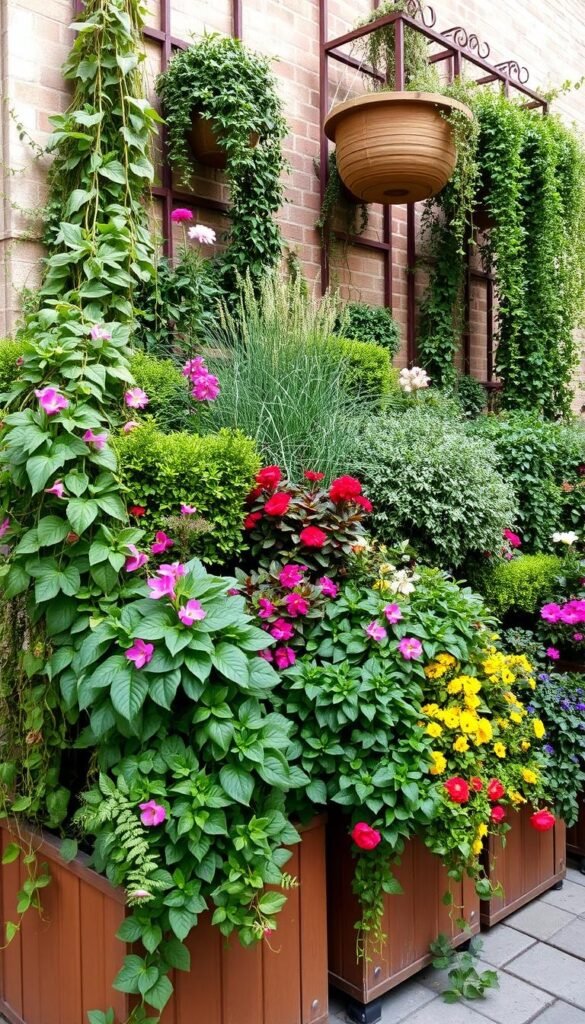
Transforming limited outdoor areas into lively, eye-catching spaces is easier than you think. By focusing on strategic plant arrangements, even compact spots can burst with texture and year-round appeal. Award-winning designer Sharon Nyenhuis notes that exceptional results come from intentional layering—a technique that adds depth while avoiding overcrowding.
Think beyond basic front-to-back layouts. Successful landscape design combines varying heights, bloom times, and foliage contrasts. Taller specimens create structure, mid-sized perennials add movement, and low-growing varieties tie everything together. This approach works equally well in petite yards and sprawling estates.
Vertical elements like trellises or tiered planters maximize your footprint by drawing attention upward. Studies show these solutions make spaces feel 30% larger while supporting healthier plants. Pair climbing roses with cascading herbs, or mix ornamental grasses with seasonal annuals for dynamic visual flow.
Ready to experiment? Discover creative gardening ideas that blend functionality with artistry. Well-planned green spaces don’t just uplift moods—they can boost property value by 5-15%, according to recent research. Your tiny corner can become a thriving retreat with smart plant choices and clever spatial tricks.
Embracing the Concept of Layered Vertical Planting

Maximizing your garden’s potential starts with thinking upward. By stacking plants in multiple tiers, you create a living tapestry that tricks the eye into seeing more depth. This approach works like magic in tight areas where horizontal space feels limiting.
Why Layering Works Wonders
Layering adds instant dimension to flat layouts. Imagine trailing ivy framing a trellis, mid-height lavender swaying below, and creeping thyme hugging the ground. This trio creates three levels of visual interest while using every inch wisely. Studies show vertical arrangements can make areas appear 40% larger without expanding footprints.
| Vertical Element | Best Plants | Space Saved |
|---|---|---|
| Trellises | Clematis, Jasmine | 2-3 sq. ft. |
| Arbors | Climbing Roses | 4-5 sq. ft. |
| Wall Planters | Herbs, Succulents | 1-2 sq. ft. |
Building Upward, Not Outward
Tall structures do double duty. They support climbing plants while adding architectural flair. Try pairing morning glories with hanging strawberries – you’ll get blooms above and fruit below. This strategy keeps pathways clear while boosting your garden’s productivity.
Remember, layering isn’t just about looks. Properly spaced tiers improve air circulation, reducing disease risks. Start with one focal structure and build around it. Your compact garden will soon feel like a lush, layered paradise.
Getting Started: Planning Your Garden Layout
Ready to turn your outdoor area into a well-organized retreat? Start by sketching your garden’s shape and noting sunlight patterns. Morning light differs from afternoon rays—track how shadows move across your space to find ideal spots for sun-loving blooms or shade-tolerant foliage.
Identifying Your Garden Zones
Divide your plot into functional areas using natural markers. Foundation plantings near your home’s walls create curb appeal, while central beds become showstopper displays. Transition zones between these areas soften edges and guide movement. Pro tip: Use gravel paths to define walkways without blocking plant growth.
Test your soil before digging—acidic or alkaline conditions determine which species thrive. Clay-heavy ground? Add compost to improve drainage. Sandy soil? Mix in peat moss for moisture retention. These adjustments create healthier roots and better blooms.
Consider sightlines from indoor windows and seating areas. Place taller specimens where they frame views, not block them. A well-placed arbor or bench can elevate your space while directing attention to key features. Smart zoning prevents overcrowding and ensures every plant shines.
Designing colorful borders in small gardens with layered vertical planting

Transform your outdoor space into a living painting by mastering color relationships. Warm tones like reds and oranges naturally command attention, making them perfect for focal points. Cool blues and purples recede visually, creating illusions of depth in tight areas.
Pair bold coral bells with silvery lamb’s ear for instant contrast. The key lies in arranging plants to guide the eye:
- Place fiery celosia at bed corners
- Use violet salvias as mid-border anchors
- Edge pathways with white alyssum
Texture combinations multiply color impact. Combine spiky yucca with feathery astilbe, or match glossy hosta leaves against rough stonecrop. These pairings add tactile dimension while making hues appear more vibrant.
Smart layering ensures nonstop blooms from spring through fall. Plant early tulips behind summer phlox, with autumn sedum completing the sequence. This staggered approach keeps your garden lively for months, not weeks.
Remember to include “rest areas” using neutral greens. Ferns or boxwoods provide visual breaks between colorful features, preventing sensory overload. Your compact beds will feel balanced yet exciting through strategic color placement.
Selecting Plants for Vibrant Color and Texture

Curating your plant palette transforms ordinary spaces into dynamic displays. Award-winning designer Sharon Nyenhuis suggests grouping species by height and seasonal performance. “A three-tiered approach ensures constant visual interest while respecting growth patterns,” she explains.
Choosing Seasonal Blooms and Foliage
Start with structural anchors suited to your climate. For zones 4-9, Joe Pye weed adds summer drama with mauve blooms. Pair it with Monch’s aster (Zones 5-10) for autumn fireworks. Variegated purple moor grass brings year-round texture through striped blades.
Plan succession like nature’s calendar:
- Spring: Bloody geranium (Zones 3-9) unfurls crimson leaves
- Summer: ‘Brilliant’ sedum (Zones 4-8) offers pink clusters
- Fall: ‘Himalayan Border Jewel’ fleeceflower (Zones 6-8) glows red
Mixing Plant Shapes for Visual Interest
Contrast creates excitement. Spiky yucca leaves pop against feathery astilbe plumes. Try Mexican orange (Zones 7-10) for glossy evergreen structure, then soften its edges with bearberry cotoneaster’s trailing stems.
Texture combinations work magic. Silvery nettle-leaved mullein (Zones 5-8) makes purple salvias appear richer. Combine bold hostas with airy grasses for depth that tricks the eye. Your garden becomes a tactile wonderland when you balance forms thoughtfully.
Building a Strong Foundation with Layered Beds

A thriving garden begins with strong bones. Evergreen shrubs form your landscape’s architectural core, creating structure that shines through every season. “Think of foundation plantings like your home’s framework – they support seasonal flourishes while maintaining year-round character,” advises designer Sharon Nyenhuis.
Creating a Four-Season Backbone with Shrubs and Evergreens
Start with purple Japanese barberry (Zones 4-9) for burgundy foliage that pops against winter snow. Pair it with dwarf English boxwood (Zones 5-8), whose compact form stays tidy without constant pruning. These woody anchors keep beds lively when flowering plants fade.
| Shrub | Zones | Key Features | Landscape Role |
|---|---|---|---|
| Purple Japanese Barberry | 4-9 | Burgundy foliage, drought-tolerant | Focal point |
| Dwarf English Boxwood | 5-8 | Evergreen, slow-growing | Edging/Structure |
| Inkberry Holly | 5-9 | Black berries, glossy leaves | Winter interest |
Position shrubs as living sculptures rather than background elements. Cluster three boxwoods near seating areas, or line a path with alternating barberry and holly. This strategic placement creates depth without crowding.
Balance is key. Mix evergreen textures – needled junipers with broadleaf rhododendrons – for visual variety. Underplant with spring bulbs and summer annuals that complement your foundation plants’ colors. Your beds will transition smoothly through seasons while maintaining their core structure.
Utilizing Vertical Structures for Maximum Impact

Transform walls and fences into living art with vertical elements. These space-saving solutions let you grow more plants while adding architectural flair. As urban gardener Mia Thompson observes:
“Vertical structures turn limitations into opportunities – they’re like green skyscrapers for your garden“
Three-Tiered Vertical Solutions
Elevate your design with these multi-functional features:
- Trellises: Train jasmine or clematis to climb sun-drenched walls
- Arbors: Create shaded walkways draped with climbing roses
- Hanging planters: Suspend trailing petunias or herbs at eye level
These elements define garden zones while saving precious ground area. A well-placed arbor can screen compost bins or highlight seating nooks.
Rapid-Growth Plant Strategies
Fast-growing climbers deliver quick impact:
- Morning glory vines cover 10-15 feet per season
- Sweet pea flowers bloom within 8 weeks of planting
- Boston ivy creates lush walls in 2-3 years
Pair these speedy growers with ornamental grasses below for filling space beautifully. Remember to guide tendrils weekly using soft ties – this prevents damage while shaping your living sculpture.
Expert Layering Techniques for Visual Harmony
Professional designer Sharon Nyenhuis from Sequim, Washington, reveals that masterful layering involves choreographing plants like actors in a play. “Each specimen needs its moment to shine while supporting the overall production,” she explains. This approach transforms cramped areas into dynamic stages where foliage and blooms perform year-round.
Insights from Garden Designers and Layering Concepts
Forget basic back-to-front arrangements. Nyenhuis’s concepts consider three factors: seasonal transformations, mature sizes, and visual weight. Spring bulbs might dominate early, while late-blooming asters take center stage in fall. Balance bold hydrangeas with airy grasses to prevent visual overwhelm.
Repetition creates rhythm in tight spaces. Try echoing purple hues through salvia spikes and heuchera leaves. This trick ties different plants together, making your design feel intentional rather than random. Groupings of three or five work best for creating patterns.
Smart arranging plants means predicting their future. Fast-growing climbers need sturdy supports, while slow-spreading groundcovers require breathing room. Nyenhuis suggests sketching your garden’s potential growth every 3 years. This foresight prevents overcrowding and maintains balance.
These tips help you craft compositions where every element contributes to the whole. Your layered masterpiece will flow seamlessly, offering new visual interest with each season’s change.
Establishing Focal Points and Repetition for Cohesion
Create a unified look by guiding the eye through intentional design choices. Strategic repetition acts like visual glue, connecting different areas of your landscape. Award-winning designer Sharon Nyenhuis compares this technique to musical themes – recurring notes that create harmony across complex compositions.
Using Repetition of Color and Shape to Enhance Flow
Purple becomes your secret weapon for continuity. Start with a towering butterfly bush as your backdrop, then repeat the hue through mid-height alliums and compact ‘Blue Hill’ salvias. This chromatic thread weaves through your garden, making separate beds feel purposefully connected.
| Design Element | Plant Examples | Visual Effect |
|---|---|---|
| Vertical Accents | Feather Reed Grass | Adds height repetition |
| Round Forms | Sedum ‘Autumn Joy’ | Creates shape echoes |
| Spiky Textures | Blue Fescue | Repeats linear patterns |
Anchor your design with three key focal points. Try a sculptural Japanese maple surrounded by matching dwarf conifers. These visual landmarks organize surrounding plants while preventing sensory overload. Space them evenly to establish rhythm without monotony.
For strategic plant selection, choose varieties offering multi-season appeal. Ornamental grasses like switchgrass provide summer movement and winter structure. Pair them with flowering perennials that share similar silhouettes but bloom at different times.
Remember – effective repetition isn’t about cloning plants. Vary sizes and textures while maintaining core similarities. A large hydrangea might echo smaller viburnums through matching bloom shapes. This approach keeps your garden cohesive yet dynamic.
Caring for Your Layered Garden Throughout the Seasons
Keep your garden thriving year-round with smart seasonal care. A mix of evergreen shrubs, flowering perennials, and bulbs ensures constant visual appeal. Focus on soil health and plant needs that change with the weather—this keeps every layer vibrant.
Seasonal Maintenance and Pruning Tips
Spring brings renewal. Divide crowded perennials when shoots emerge, giving roots space to breathe. Refresh soil around shallow-rooted plants with compost—this boosts nutrients without overwhelming them. Trim winter-damaged branches early to direct energy into healthy growth.
Summer demands vigilance. Water deeply during morning hours to reduce evaporation. Snip spent blooms weekly to encourage new flowers. Watch for pests on upper plants—aphids love tender new growth. A strong spray from the hose often solves minor infestations.
Fall prepares for dormancy. Cut back ornamental grasses in late winter instead of autumn—their golden plumes add texture to frosty landscapes. Mulch around shrubs before first frost to protect roots. Your garden will reward you with fresh surprises each season when cared for thoughtfully.