

Imagine stepping into a serene outdoor retreat where every element whispers calm and invites mindfulness. A zen garden isn’t just about aesthetics—it’s a carefully crafted space that nurtures inner peace. Rooted in Japanese tradition, these minimalist landscapes use rocks, gravel, and sparse greenery to mirror nature’s simplicity. The result? A sanctuary where stress fades and clarity emerges.
You don’t need a sprawling yard to create this kind of refuge. Even a small corner can become a place for quiet reflection. By focusing on balance and intention, your garden transforms into a living art piece that evolves with the seasons. Think raked sand symbolizing water or moss-covered stones representing mountains. Each detail serves a purpose, guiding your mind toward tranquility.
What makes these spaces so powerful? They blend cultural heritage with personal expression. While traditional designs emphasize sparse arrangements, modern adaptations let you infuse creativity. Consider adding subtle textures like weathered wood or soft ferns—small touches that honor the spirit of elevating your outdoor space without overwhelming simplicity.
Whether you’re seeking daily mindfulness or a weekend reset, your garden becomes a bridge to nature’s rhythms. It’s more than landscaping—it’s a journey toward harmony, one stone at a time.
Understanding the Essence of Zen Gardens and Their History
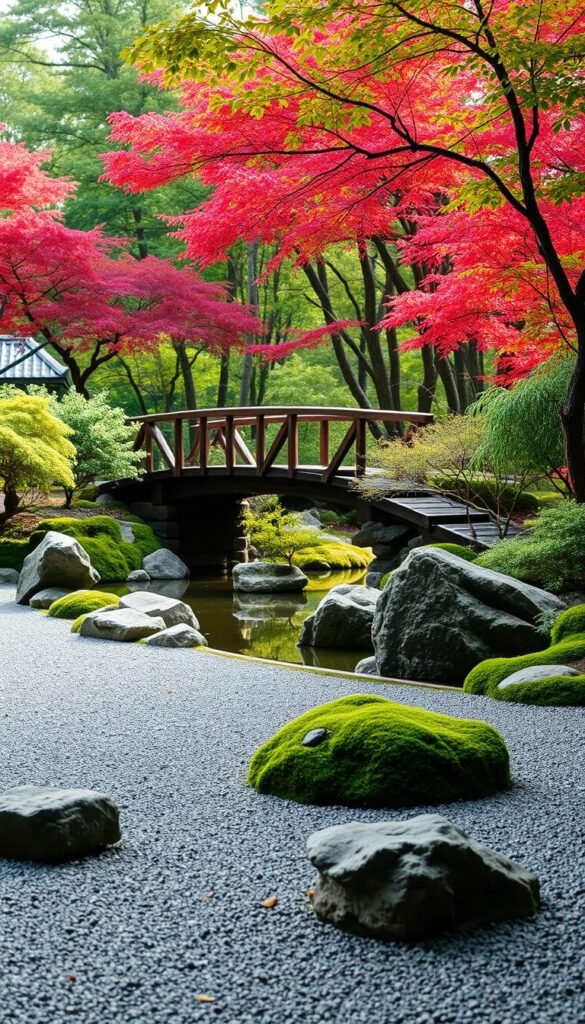
Centuries before modern mindfulness practices, Buddhist monks crafted landscapes to deepen their spiritual connection. The term Karesansui—meaning “dry mountain water”—captures this tradition’s heart. Born from 6th-century Chinese Buddhist influences, these spaces evolved into uniquely Japanese expressions of meditation and nature.
Origins and Cultural Roots
Early zen gardens served as tools for Buddhist monks to practice contemplation. The Heian period’s Sakuteiki, Japan’s oldest gardening manual, emphasized stone arrangements symbolizing mountains and rivers. By omitting water, designers invited viewers to “see” landscapes through imagination—a practice still central today.
Evolution of Zen Garden Design
During the Kamakura era, Zen Buddhism flourished, and monk Muso Soseki transformed temple grounds into meditative masterpieces. Later, Edo-period decline gave way to 20th-century revival by visionary Mirei Shigemori. His work blended tradition with boldness, proving these gardens adapt while keeping their soul.
What began for monks soon welcomed samurai seeking clarity and commoners craving calm. This timeless appeal shows how simplicity and harmony transcend eras—principles you can channel in your own space.
Planning Your Zen Garden Space
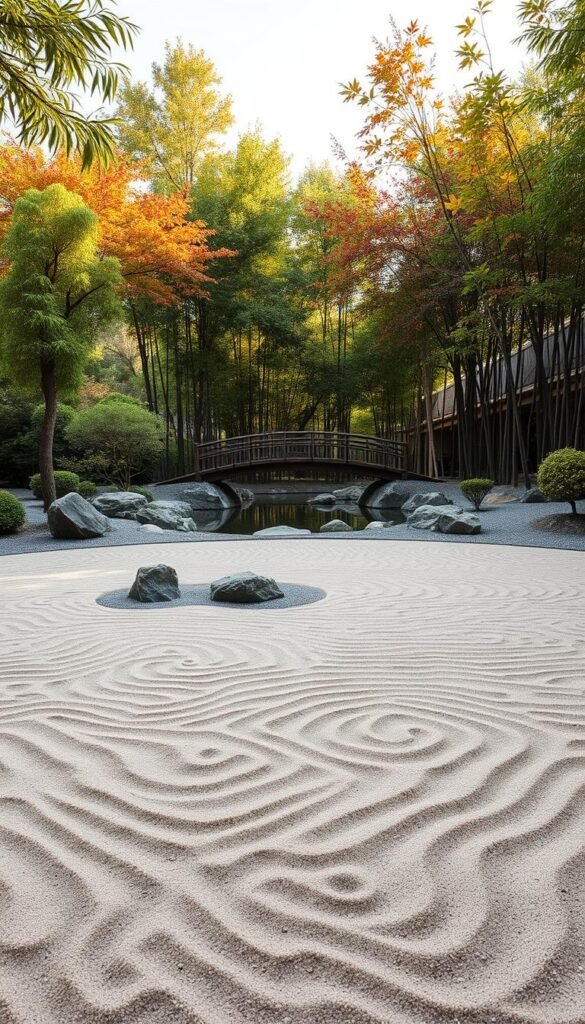
Your journey to serenity begins with thoughtful placement. Like arranging furniture in a favorite room, positioning your meditative space shapes its energy and usability. Start by walking your property at different times—notice where sunlight lingers or wind whispers through trees.
Choosing the Perfect Location
Seek quiet areas shielded from distractions. A side yard bordered by shrubs or a tucked-away patio near your home’s entrance often works best. Flat ground simplifies design, but gentle slopes can add depth if terraced properly. Avoid spots near AC units or play areas—their energy clashes with calm contemplation.
Assessing Your Garden’s Layout
Map existing features like mature trees or stone walls that could frame your garden. Use painter’s tape to outline potential space sizes on the ground. Notice how morning light dances across the landscape or where autumn leaves might collect. These observations help your design feel rooted in the environment rather than forced upon it.
Consider maintenance access—can you reach the area with tools? Will winter winds make it unusable? Answering these questions upfront saves frustration later. Your perfect meditation place balances practicality with poetic stillness.
Essential Elements of a Zen Garden
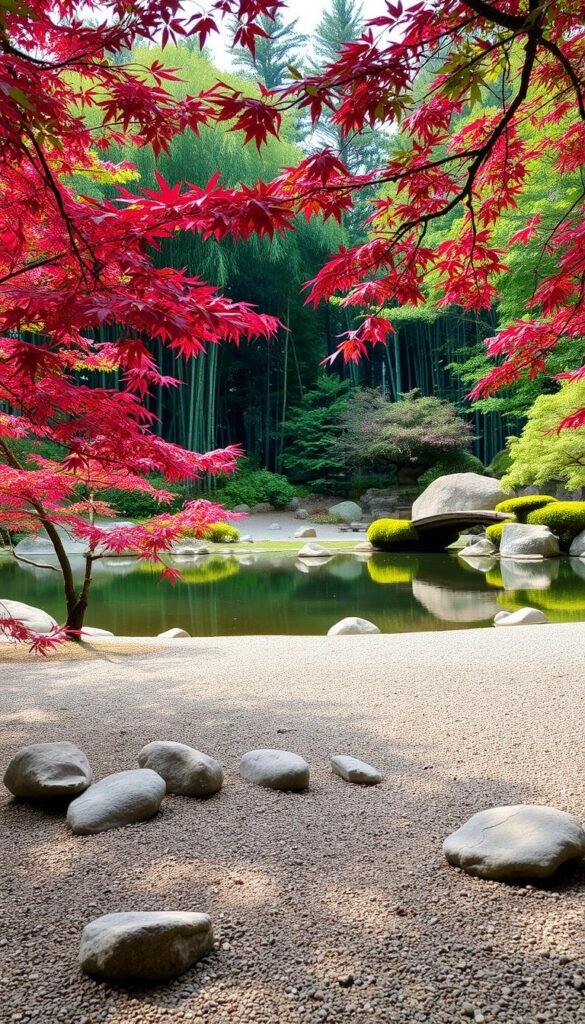
The magic of a zen garden unfolds through its carefully chosen materials. Every rock, pebble, and leaf works together to create visual poetry that quiets the mind. Let’s explore how these elements transform ordinary spaces into sanctuaries of stillness.
Rocks, Gravel, and Sand as Symbolic Components
Rocks act as the garden’s backbone. Positioned intentionally, they might mimic mountain ranges or solitary islands rising from an imagined sea. Larger stones often anchor key areas, like entryways, while smaller ones suggest hidden pathways. Their rugged textures contrast beautifully with smooth gravel or sand.
Raked patterns in lighter materials become moving water under your creative hand. The Japanese call this practice samon—swirls for enlightenment, straight lines for calm. Choose coarse gravel over fine sand if your area gets windy. It holds its shape better during storms yet still lets you redraw designs daily as a moving meditation.
Minimalist Plantings and Their Role
While traditional designs favored bareness, modern spaces often include subtle greenery. Think moss creeping between stones or feathery ferns softening edges. Bamboo screens add privacy without bulk. The key? Select plants that thrive naturally in your climate—low-maintenance varieties that won’t demand constant attention.
Keep foliage sparse and close to the ground. A single maple tree might work if its leaves don’t clutter raked patterns. Remember: every blade or bloom should enhance the zen atmosphere, not distract from it. Your garden becomes a living haiku when elements balance perfectly.
Developing a Zen Garden Design for Meditation and Tranquility
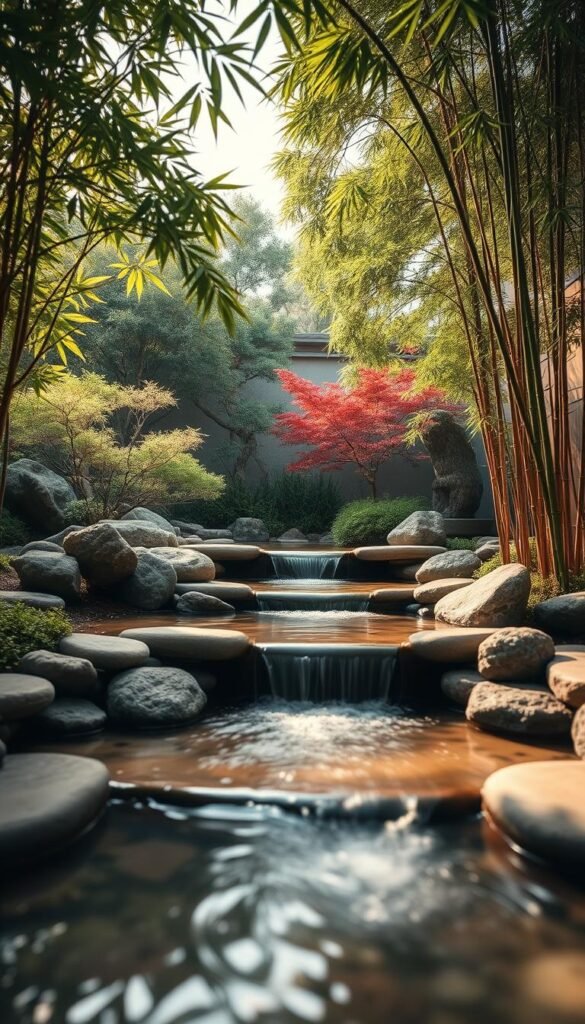
The gentle ripple of water transforms your space into a living meditation. Pair this movement with thoughtfully placed seating to create moments of deep reflection. These elements work together to engage both sight and sound while honoring zen principles.
Water’s Therapeutic Presence
Flowing water features do more than look pretty—they mask traffic noise and create rhythmic white noise. A stone basin becomes a focal point for mindfulness, while bamboo fountains add soft percussion. Keep installations small: shallow pools or recirculating streams that require minimal upkeep.
Guiding the Journey
Curved paths of irregular stepping stones slow movement, encouraging presence. Place flat rocks near seating areas for removing shoes—a ritual signaling transition into calm. Low benches made of cedar or slate blend durability with natural textures.
“Water doesn’t just mirror the sky—it reflects our need for pauses in daily life.”
| Feature Type | Sound Level | Maintenance | Best For |
|---|---|---|---|
| Stone Basin | Subtle Drips | Weekly Cleaning | Small Spaces |
| Bamboo Fountain | Soft Clacking | Seasonal Adjustments | Partial Shade |
| Small Pond | Gentle Flow | Monthly Filter Checks | Larger Gardens |
Position seating to face morning light or moonlit water displays. Let gravel underfoot crunch softly—a tactile reminder to stay grounded. Every choice should whisper “pause here” without shouting for attention.
Designing with Balance: Integrating Natural Elements
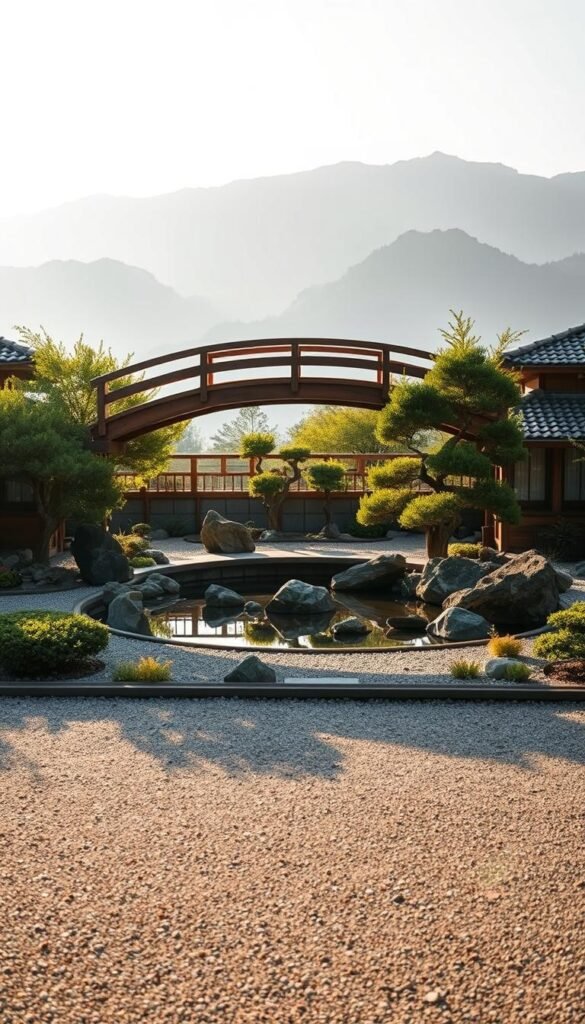
True harmony in outdoor spaces emerges when every stone and grain of sand feels purposefully yet effortlessly placed. At its core, this approach draws from seven timeless principles—like asymmetry’s dynamic energy and simplicity’s quiet power. Your challenge? To let these ideas guide without rigid rules, creating compositions where natural elements feel both intentional and wild.
Curating Rock Arrangements for Stability
Think of rocks as your garden’s anchors. Place larger stones first, imagining them as mountain peaks emerging from gravel “rivers.” Offset their weight with smaller companions, creating visual tension that still feels stable. Test arrangements at dawn and dusk—shadows transform flat layouts into dramatic landscapes.
Odd-numbered groupings often work best, reflecting nature’s imperfect patterns. A trio might represent earth, water, and sky. Bury each stone’s base slightly, mimicking how wind and time settle elements. This technique builds harmony between human design and organic growth.
Emphasizing Natural Simplicity
Edit ruthlessly. If a moss patch competes with raked lines, remove it. This simplicity mirrors sustainable landscape practices that prioritize function over decoration. Let weathered wood benches blend into the background, their grain echoing nearby stones.
Focus on textures that age gracefully—lichen-speckled boulders, rust-colored gravel. These choices honor the principle of wabi-sabi, finding beauty in imperfection. Your garden becomes a living lesson: true peace comes not from adding more, but revealing what matters.
Enhancing Ambiance with Lighting and Accessories
As daylight fades, your garden’s true magic begins to unfold under carefully placed lights. Thoughtful illumination extends your sanctuary’s usability into evening hours while amplifying its calming essence. Whether through lanterns casting delicate shadows or statues anchoring your gaze, these elements work together to deepen your connection with the space.
Soft Lighting for Evening Meditation
Opt for low-voltage fixtures that highlight textures without glare—pathway markers guiding barefoot walks or discreet LEDs framing a water feature. Warm tones (2700K-3000K) mimic sunset’s embrace, encouraging slower breaths and softer thoughts. Position lights to graze surfaces rather than flood them, letting shadows dance with raked gravel patterns.
Subtle Accents with Statues and Lanterns
A single stone lantern near a bench becomes both lighting source and art piece, while a petite Buddha statue centers attention during seated contemplation. Remember: each addition should feel necessary. For inspiration, explore how blending eras can honor tradition while reflecting personal style.
Your evening environment thrives on restraint—one weathered lantern does more than six pristine ones. Let moonlight collaborate with your design, silvering mossy stones as crickets sing backup. This isn’t just a garden after dark; it’s a whispered invitation to linger, listen, and let go.