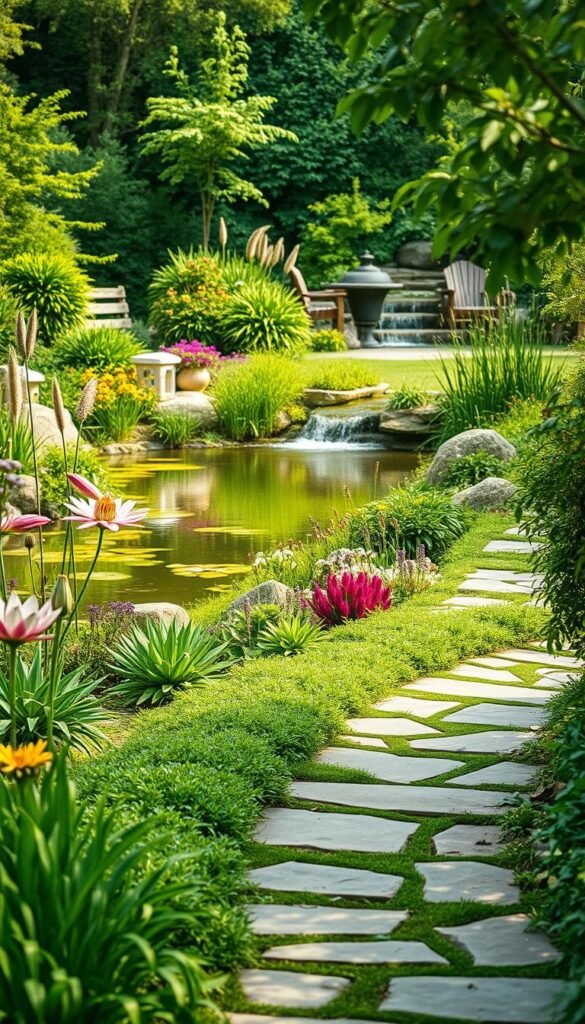
Imagine stepping into an outdoor space that calms your mind within minutes. Research reveals viewing natural elements like flowering plants or flowing water for just 3-5 minutes can lower stress hormones and ease physical discomfort. These specially crafted environments, often called therapeutic green spaces, blend beauty with science-backed wellness advantages.
Nearly 70% of Americans seek natural areas to decompress, with 95% reporting noticeable mood improvements after outdoor time. Whether you have acres or a balcony, these spaces work through sensory engagement – rustling leaves relax nervous systems, while fragrant herbs stimulate positive memories.
You’ll find two primary approaches: restorative areas for mental recharge and active zones encouraging gentle movement. Amy Roberts transformed her New Zealand property into a resilience-building retreat during family hardships, proving their transformative potential. Many find such spaces help them elevate everyday surroundings into meaningful escapes.
This guide explores how intentional layouts and plant choices create multi-sensory experiences. You’ll learn to balance visual beauty with tactile elements, sound features, and fragrance zones – all working together to support emotional balance and physical vitality.
Understanding the Foundation of a Healing Garden
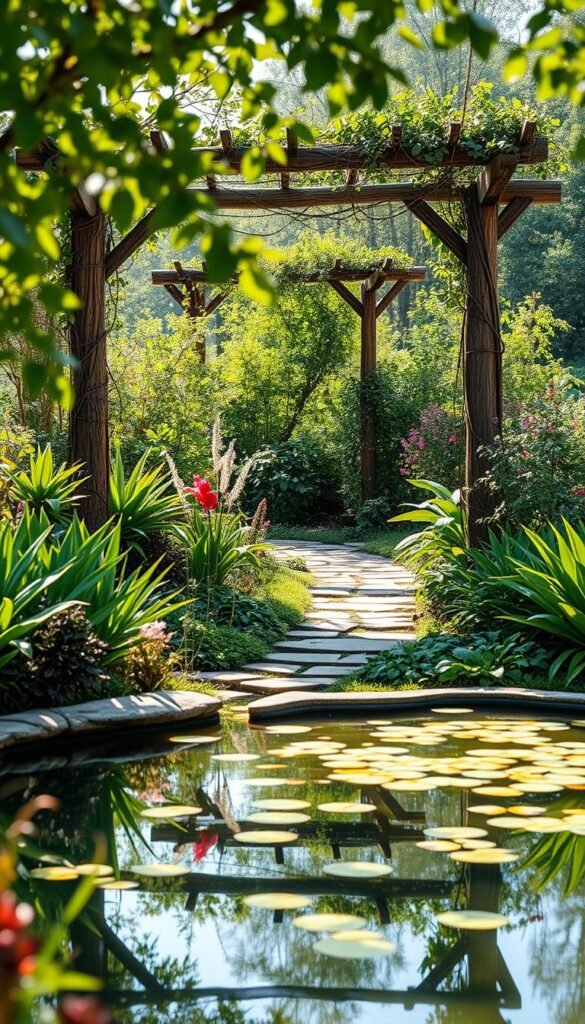
What makes outdoor spaces truly restorative? Wellness gardens blend intentional layouts with nature’s rhythms to create environments that support your whole self. These spaces go beyond aesthetics—they’re scientifically crafted to help you recharge physically and emotionally.
The Definition and Benefits of a Wellness Garden
A wellness garden serves as a living toolkit for well-being. Restorative types use calming elements like trickling water and soft foliage to ease stress. Enabling gardens take it further—they invite you to dig, plant, and nurture, combining physical activity with sensory engagement. Hospitals nationwide report 40% faster recovery rates when patients access these spaces regularly.
How Natural Elements Nurture Mind, Body, and Spirit
Nature speaks a universal language. Rustling grasses calm racing thoughts, while fragrant lavender triggers positive memories. Studies show even brief exposure to green spaces can lower blood pressure and boost focus. These environments work because they engage your senses without overwhelming them—a balance sustainable landscaping principles achieve through smart plant selection and layout.
Plants become silent teachers, showing steady growth through seasons. This rhythm helps ground you during life’s uncertainties. Whether you’re recovering from illness or seeking daily peace, these spaces adapt to your needs while connecting you to Earth’s timeless patterns.
Design Elements for a Therapeutic Outdoor Sanctuary
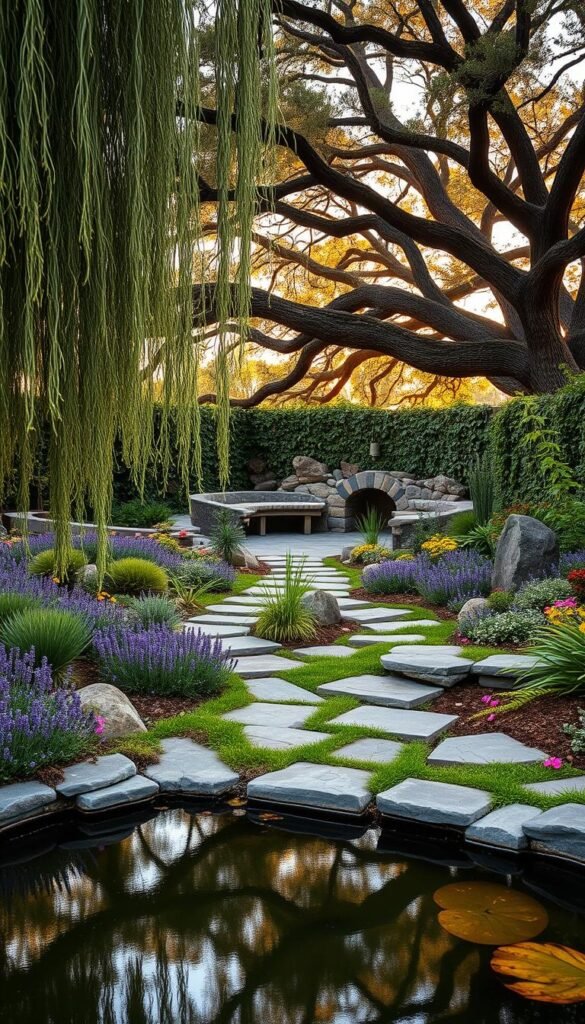
Transform your outdoor area into a sensory haven using smart combinations of living elements and thoughtful layouts. The magic lies in balancing soft green spaces with functional structures—aim for 70% plants to 30% paths and seating areas.
Curating Earth’s Textures and Tones
Start by selecting plants that serve multiple purposes. Lavender offers calming scents, while ornamental grasses add movement. Pair these with water elements like small cascades or stone birdbaths that blend whimsical cottagecore charm with function.
| Color Group | Psychological Effect | Plant Examples |
|---|---|---|
| Blues/Greens | Reduces stress | Hostas, Hydrangeas |
| Warm Yellows | Boosts energy | Sunflowers, Marigolds |
| Soft Pinks | Promotes calm | Peonies, Cherry Blossoms |
Awakening All Five Senses
Place wind chimes near seating areas to create gentle melodies. Grow fuzzy lamb’s ear along walkways—their velvety leaves invite touch. Position jasmine vines near windows so evening breezes carry their fragrance indoors.
Attract songbirds with native berry bushes and flowering trees. Their cheerful chirps add natural soundtracks to your mornings. Remember: variety in textures and heights keeps the eyes engaged without overwhelming the mind.
Discover Healing Garden Design Techniques to Boost Wellness
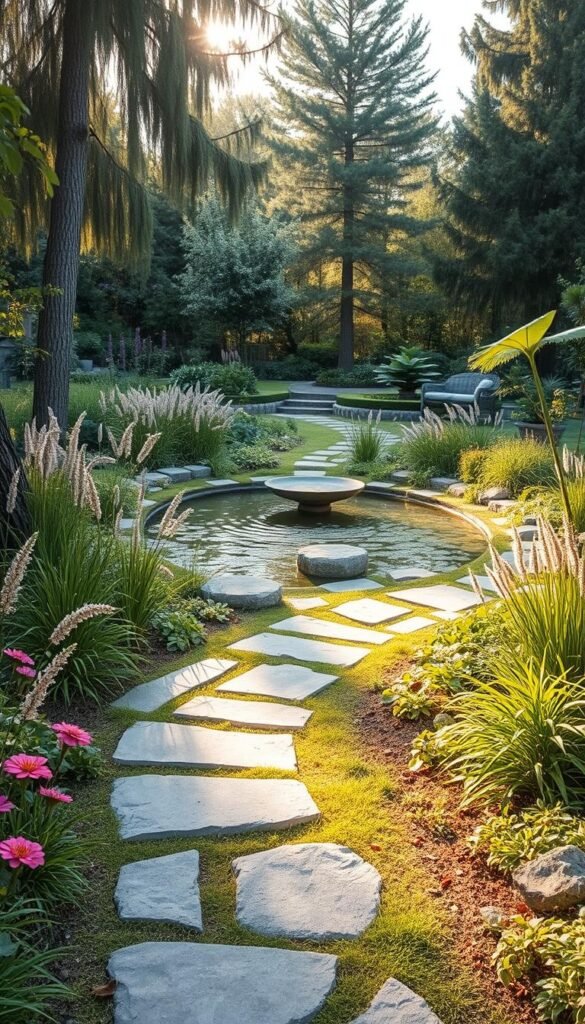
Creating a restorative outdoor environment begins with smart spatial planning. Start by sketching your available area, marking sunlight patterns and existing features. This groundwork helps identify zones for meditation corners, social spots, and active planting beds.
Step-by-Step Guide to Planning Your Healing Garden Layout
Divide your space using natural dividers like lavender hedges or climbing roses on trellises. These living walls create intimate nooks while allowing airflow. Meandering gravel paths work best – their gentle curves invite leisurely strolls rather than rushed walks.
Symmetry brings calm through repetition. Try mirroring plant groups on either side of a central water feature. This balanced approach reduces visual clutter, letting visitors focus on sensory details like rustling bamboo or aromatic thyme underfoot.
Choosing the Right Features: Comfortable Seating, Pathways, and Accessibility
Select benches with armrests and weather-resistant cushions near focal points. Position them facing bird feeders or flowering shrubs to encourage mindful observation. Paths should be 36-48 inches wide with smooth pavers – perfect for wheelchairs or community green spaces visitors.
Add tactile wayfinding markers like textured stepping stones or raised letter signs. These subtle cues help everyone navigate independently while maintaining the garden’s serene atmosphere.
Enhancing Your Garden for Optimal Relaxation and Mindfulness
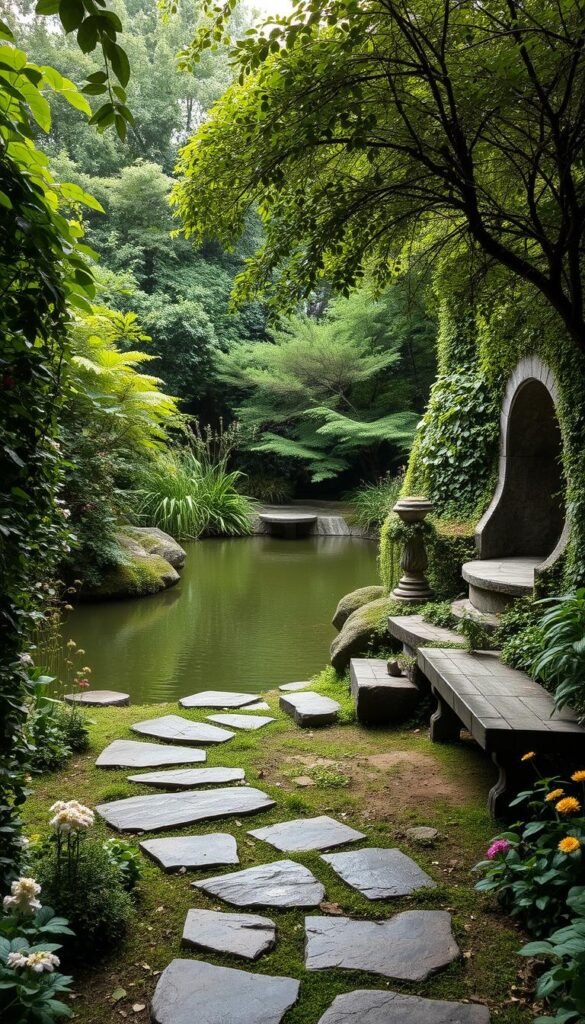
Your outdoor area becomes a personal retreat when designed with intentional spaces that guide both movement and mindset. By creating distinct zones and pathways, you’ll craft an environment where every visit feels like a mini-adventure.
Crafting Purposeful Pathways and Private Nooks
Divide your landscape into cozy corners using tall grasses or flowering shrubs as natural dividers. These living screens create hidden spots for reading or meditation while maintaining airflow. Amy Roberts shares: “My family’s favorite bench sits behind a curtain of climbing roses – private yet connected to the wider garden.”
Curved gravel paths invite leisurely exploration. Each bend could reveal surprises like a bubbling fountain or vibrant container flowers. This approach slows movement, helping you notice seasonal changes and wildlife activity.
Balance active and passive areas:
| Zone Type | Features | Benefits |
|---|---|---|
| Social | Circular seating, fire pits | Encourages group interaction |
| Solitary | Hammocks, reflection ponds | Supports mental health |
| Active | Raised beds, compost areas | Promotes physical movement |
Gardening tasks become mindful rituals. Digging and watering strengthen muscles while grounding you in the present moment. As your home garden evolves, observe which plants thrive where – their success teaches you about your environment over time.
Include benches facing bird feeders or butterfly bushes to combine shelter with engaging views. These seating choices let you enjoy nature’s theater while feeling protected. For more layout ideas, explore wellness garden principles that balance beauty and function.
Embracing Your Healing Garden: A Journey to Wellness
Your journey to wellness begins right outside your door. Studies from Harvard and Mayo Clinic confirm what gardeners instinctively know – tending plants strengthens your body while calming your mind. Through daily interactions with soil and greenery, you’ll naturally absorb vitamin D, improve sleep patterns, and build physical resilience.
This living sanctuary becomes your personal stress-relief toolkit. Curved pathways invite mindful strolls, while ornamental grasses whisper calming sounds. Place comfortable seating near bird feeders to enjoy nature’s theater – watching sparrows bathe in a water feature can lower blood pressure as effectively as some medications.
Gardening’s magic lies in its dual gifts. As Suzannah Dolanc-Pugh shared, “Digging in the dirt helped reset my brain during health struggles.” You’ll gain purpose nurturing seedlings while creating spaces for social connection. Share cuttings with neighbors or host tea parties among fragrant flowers – these interactions feed the soul as much as the soil feeds your plants.
Your green oasis evolves with you, offering new lessons each season. Whether pruning roses or listening to wind chimes, every moment spent here strengthens your bond with nature’s healing rhythms. This isn’t just gardening – it’s cultivating a healthier, more joyful way of living.