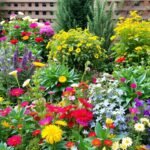
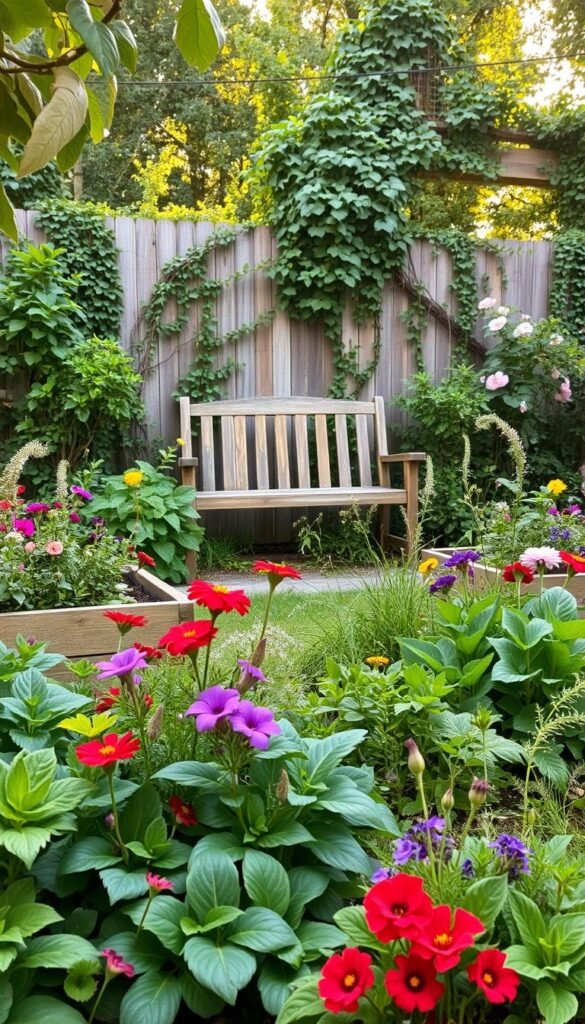
Imagine stepping outside to a vibrant space filled with fresh vegetables, fragrant herbs, and blooms that lift your mood daily. Creating your own green oasis might feel intimidating at first, but you don’t need years of experience to succeed. With the right approach, even a small patio or corner of your yard can transform into a productive haven.
This guide simplifies the entire process, from planning your layout to enjoying your first harvest. You’ll learn practical tips used by thousands, like those in Grace Walk Farm’s free Beginner Garden Guide. Their thriving community of over 600K homesteaders proves that anyone can grow their own food with confidence.
Whether you want to reduce grocery costs, connect with nature, or simply enjoy homegrown flavors, gardening offers endless rewards. We’ll break down each stage clearly, helping you avoid common pitfalls while tailoring solutions to your unique space. By the end, you’ll have the tools to cultivate a space that fits your lifestyle and goals.
Ready to dig in? Let’s turn your vision into reality—one seed at a time.
Define Your Garden Goals and Purpose
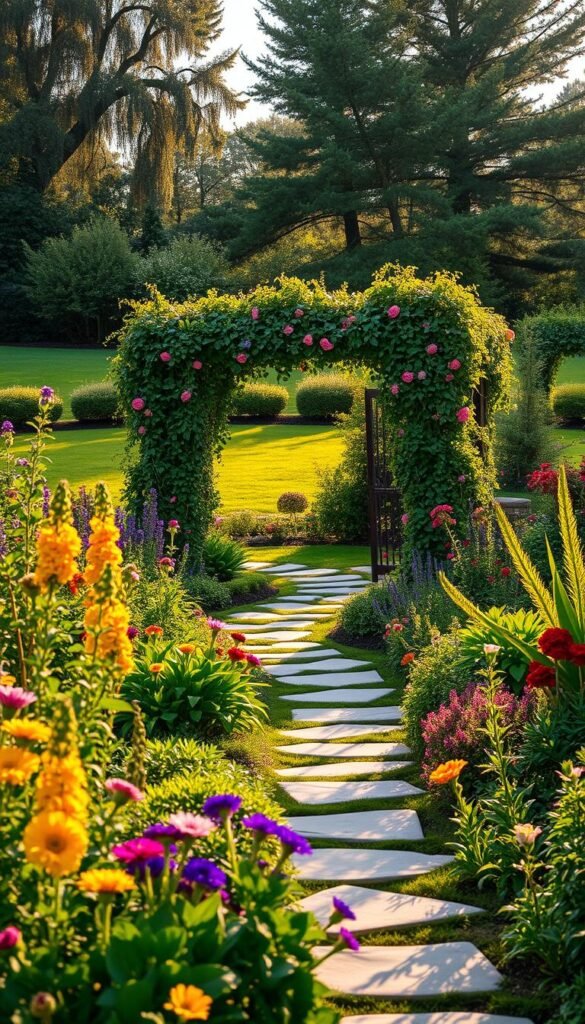
Before planting, ask yourself what you want your outdoor space to become. A clear vision helps you design a space that aligns with your lifestyle while avoiding wasted effort. This planning stage saves time and ensures every plant serves a purpose.
What Fuels Your Green Ambitions?
Are you growing ingredients for meals or crafting a colorful retreat? Vegetable patches work best near kitchens for quick access to herbs and greens. Flower beds might prioritize curb appeal or support local pollinators. Mixed spaces let you enjoy fresh produce alongside seasonal blooms.
Balancing Beauty and Practicality
Focus on crops your household actually eats—like tomatoes or peppers—to make meals more rewarding. For floral displays, choose native plants that thrive in your area’s sunlight and soil. Herbs like basil or mint need minimal space but deliver big flavor.
Remember: edible gardens require regular care, while flowering varieties often need less attention. Match your choices to the time you can realistically commit. This balance keeps your green space joyful, not overwhelming.
Assess Your Backyard Space and Sunlight

Your garden’s success starts with understanding its unique conditions. Sunlight shapes what thrives where—and how much effort you’ll need to invest. Take three days to track sun exposure in different zones, noting patterns morning to evening.
Sunlight Shifts Through Seasons
Full-sun areas in summer might become shady spots when trees leaf out. Vegetables like tomatoes demand 6+ hours of direct light, while spinach grows happily with just 3-4. Watch how structures cast shadows—this determines prime planting locations.
| Plant Type | Daily Sun Needs | Best Placement |
|---|---|---|
| Tomatoes/Peppers | 6-8 hours | South-facing areas |
| Leafy Greens | 3-4 hours | East-facing beds |
| Herbs (Basil/Mint) | 4-6 hours | Movable containers |
Working With What You Have
Even compact spaces can flourish. Prioritize drainage—avoid low spots where water pools. If wind batters your yard, use fences or taller plants as shields. Containers let you chase sunlight across patios or balconies, making tight areas surprisingly productive.
Remember: Your space evolves. Deciduous trees offer winter sun where summer brings shade. Test different spots yearly—you might discover hidden growing potential!
Designing the Ideal Garden Layout
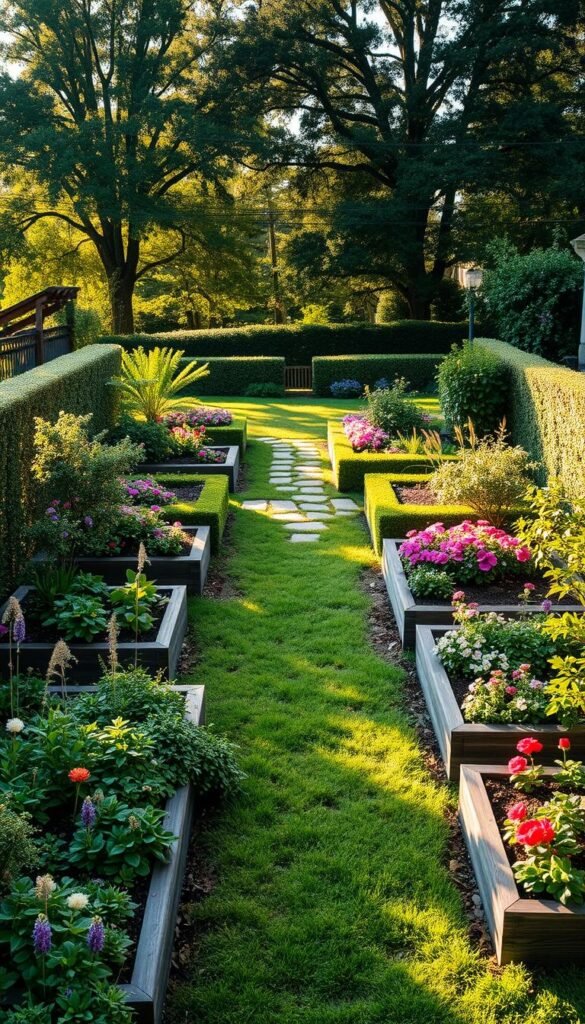
The foundation of a productive growing space lies in smart design choices. Your arrangement impacts everything from plant health to daily upkeep—so let’s explore options that fit your space and energy levels.
Matching Layouts to Your Lifestyle
Raised beds shine in compact areas where soil quality needs a boost. Their elevated structure prevents waterlogging and lets you customize soil mixes. For larger plots, traditional rows simplify weeding and harvesting with standard tools.
| Layout Type | Best For | Space Needed | Maintenance Level |
|---|---|---|---|
| Raised Beds | Poor soil areas | 4×4 ft minimum | Low |
| Ground Rows | Large harvests | 10×10 ft+ | Moderate |
| Containers | Patios/balconies | Flexible | High |
Smart Zoning Strategies
Group plants by their needs to simplify care. Dedicate sunny corners to heat-loving tomatoes, while leafy greens thrive in shadier zones. Keep herbs near walkways for quick snips during cooking.
Leave 2-3 foot pathways between beds—you’ll appreciate the elbow room when watering or harvesting. This planning step ensures every plant gets what it needs without overcrowding.
DIY Backyard Garden: Step-by-Step Projects for Beginners
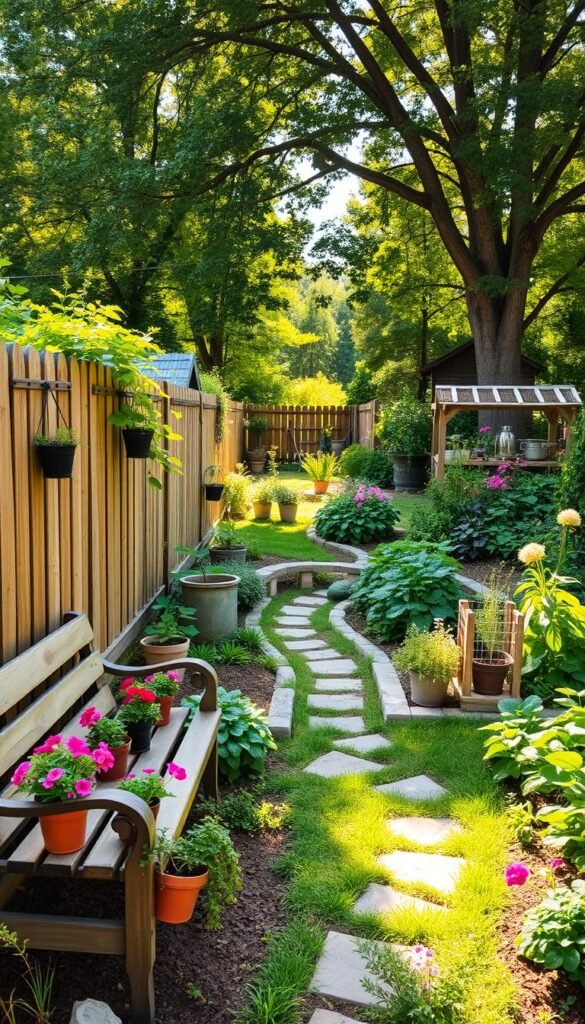
Gardening wisdom often sprouts from early stumbles. One professional who now designs thriving spaces recalls their first attempt: “I spent weeks planting in terrible soil, only to watch everything wilt.” Fifteen years later, their installation business proves mistakes become masterclasses when approached with curiosity.
Successful growers agree: your initial efforts matter less than what you learn. Many wasted time battling poor layouts before discovering smarter systems. Focus on these fundamentals instead of perfection:
- Test soil quality before planting
- Group plants by sunlight needs
- Water deeply but less frequently
Plants communicate through changes in color, texture, and growth patterns. Browning leaves might signal overwatering, while stunted stems often crave nutrients. Observation trumps rigid schedules—adapt care based on what you see.
Remember, even experts started with empty pots and uncertainty. Your first growing season builds skills that blossom year after year. As one installer notes: “Great gardens grow from patience, not pressure.” Celebrate small wins—that first ripe tomato tastes sweeter when earned through thoughtful effort.
Planning Your Planting Season and Crop Selection
Timing is everything when transforming seeds into sustenance. Your local climate dictates when to sow, nurture, and harvest—master this rhythm, and your efforts yield tastier rewards.
Understanding the Growing Season and Frost Dates
Start by finding your USDA Hardiness Zone—this map reveals average frost dates and temperature ranges. Cool-season crops like lettuce and peas thrive in early spring soil, while tomatoes and peppers demand warmer ground. Missing these windows means stunted growth or lost plants.
| Crop Type | Planting Time | Temperature Needs |
|---|---|---|
| Lettuce/Peas | 2-4 weeks before last frost | 40-75°F |
| Tomatoes/Peppers | 1-2 weeks after last frost | 60-85°F |
Choosing Easy-to-Grow Vegetables and Herbs
Begin with forgiving options like radishes and green beans—they sprout quickly and tolerate mistakes. Nursery transplants give tomatoes and peppers a 6-week head start versus seeds. Herbs like basil thrive in pots, letting you adjust sunlight as seasons change.
Try succession planting: sow lettuce every 14 days for nonstop harvests. This trick keeps your kitchen stocked without overwhelming gluts. Remember—consistent care beats perfection. Even uneven watering won’t stop zucchini from producing!
Preparing Healthy Soil for a Thriving Garden
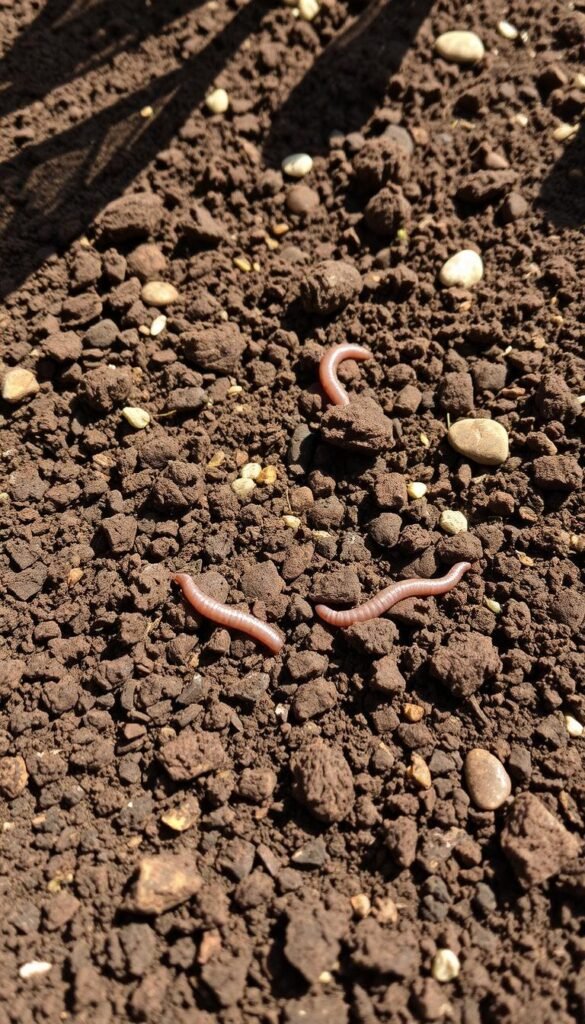
Great gardens grow from the ground up—literally. Your soil quality determines whether plants flourish or struggle. Think of it as a living pantry: when stocked with nutrients and air pockets, roots spread easily to feed your greens.
Soil Testing and pH Adjustment
Start with a simple test. Affordable kits from garden centers measure pH and key nutrients. Most vegetables prefer slightly acidic soil (6.0-7.0 pH). If results show imbalance, add lime to raise pH or sulfur to lower it. Local extension services offer detailed analysis for tricky cases.
Why fuss over numbers? Blueberries crave acidic soil, while asparagus thrives in neutral conditions. Matching plants to your natural pH reduces upkeep. “Testing once saves years of guesswork,” notes a Maryland horticulturist.
Incorporating Organic Matter and Compost
Compost is garden gold. Mix 2-3 inches into beds monthly to boost drainage and nutrients. This “black gold” feeds microbes that break down minerals for plant roots. Well-rotted manure or leaf mold works too—just ensure it’s fully decomposed.
Struggle with clay or sand? Organic matter acts like a sponge. It helps sandy soil retain moisture and loosens dense clay. For quick fixes:
- Use bone meal for phosphorus
- Try fish emulsion for nitrogen
- Add kelp meal for trace minerals
Remember: healthy soil gets better yearly. Nourish it consistently, and your plants will return the favor tenfold.
Selecting the Right Plants for Your Climate
Your region’s climate holds the key to unlocking a thriving garden with minimal effort. Plants naturally suited to your area grow stronger and require less babysitting than varieties meant for other zones. Start by checking your USDA Hardiness Zone—this information reveals which perennials survive winter and when to plant annuals.
Cool climates? Try fast-growing vegetables like kale or radishes that mature before frost returns. Warm regions can grow heat-loving okra or sweet potatoes through summer. For flexibility, mix quick-producing annuals with reliable perennials like asparagus or blueberries.
Your state’s Cooperative Extension Service offers free planting guides tailored to your exact location. These experts know local pest pressures and soil quirks better than generic advice. As one gardener notes: “Their recommendations helped me triple my tomato yield without extra work.”
Prioritize vegetables your family actually eats—there’s no prize for growing ghost peppers no one touches. If space is tight, container gardening lets you grow climate-adapted herbs or peppers on patios. Always check seed packets for phrases like “heat-tolerant” or “early harvest” to match your growing season length.
Disease-resistant varieties save time and disappointment. Look for labels like “VFN” on tomatoes (resists verticillium, fusarium, nematodes). These smart choices let you focus on enjoying fresh flavors rather than battling plant problems.
Utilizing Companion Planting Techniques
Nature thrives on teamwork—and your green space can too. Strategic plant partnerships boost yields while reducing pest issues naturally. These living alliances create healthier ecosystems where plants support each other’s growth through scent signals and nutrient sharing.
Pairing Crops for Pest Control and Growth
Some plants act like bodyguards. Marigolds release chemicals that repel nematodes, making them ideal tomato neighbors. Tall corn stalks provide climbing support for beans, while squash leaves shade soil to retain moisture for all three crops—a classic Native American trio called the Three Sisters.
Examples of Effective Planting Combinations
Try basil beside peppers to improve flavor and deter aphids. Carrots grow sweeter when paired with onions, whose strong scent confuses carrot flies. For quick results:
- Lettuce with chives (slugs hate the smell)
- Cucumbers with nasturtiums (traps beetles)
- Broccoli with dill (attracts beneficial wasps)
These partnerships often work better than synthetic solutions. As one grower notes: “My kale stopped getting eaten when I planted mint nearby—it’s like magic!” Start with a few proven pairs, then experiment to discover what thrives in your unique setup.